Oceanus
the Titan of the Ocean
Oceanus was the elder Titan of the world-girdling ocean, whose waters Poseidon took from him. Defeated in the Great War yet never imprisoned in Tartarus, he rose again during the siege of Olympus only to be cast down by Hades.
Oceanus was one of the elder Titans, the son of Gaia and Ouranos who ruled the infinite waters of the young cosmos before Poseidon wrested the seas from him. Known as the great river that girdled the world, he stood with his kin against the Olympians, was diminished but not imprisoned, and rose a final time during the siege of Mount Olympus before Hades cast him down. (Theogony; God of War II (novel); God of War III)
The Titan of the Ocean#
Oceanus was one of the elder Titan sons of Gaia and Ouranos, the great river that girdled the world. With his wife Tethys he fathered thousands of children, the sea and river spirits called Oceanids, among them Metis and Amphitrite, who would later become wives of Zeus and Poseidon. (Theogony; Bibliotheca)
The loss of the seas#
The old myths have Oceanus side with the young gods: Hesiod tells how, on his father's advice, Oceanus's daughter Styx came with her children to fight for Zeus. The novelisation of God of War II tells it differently. There Poseidon recalls that Oceanus and his children were fierce enough that it took the water of every sea and lake in the world to beat them, and Poseidon became the new lord of the oceans. (Theogony; God of War II (novel))
Though deposed, Oceanus evaded the imprisonment in Tartarus that claimed most of his kin. In the novelisation he stirs again as Kratos nears the Sisters of Fate, defying Poseidon's mastery of the sea, while Zeus dismisses him as the least of the Titans. (God of War II (novel))
The siege of Olympus#
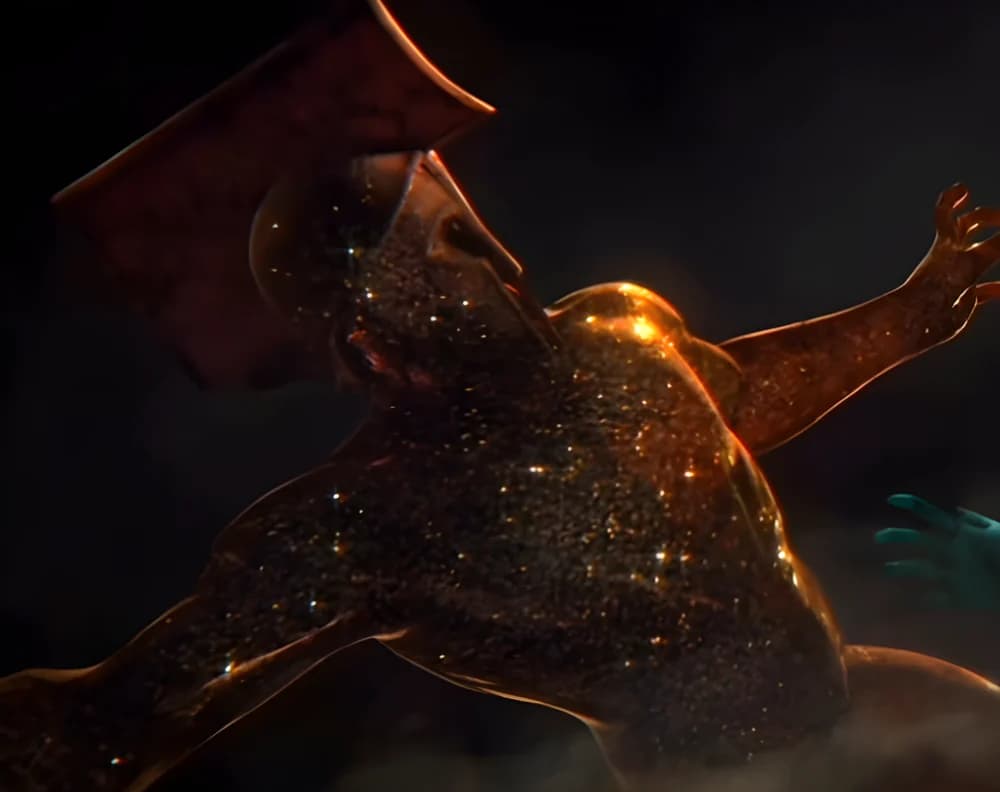
Oceanus rose a final time during the siege of Mount Olympus, appearing as a vast Titan of water and lightning. An electric current ran through most of his form, and his currents did massive damage to the surrounding mountain as he climbed. He was pulled from Olympus by Hades, who then leapt down after him. Some held that Oceanus had in fact dragged Hades down with him, but in either case the Titan was assumed to have perished in the fall, one more of the old powers swept away as the wars of the gods drew toward their end. (God of War III)
Frequently asked questions
- Who was Oceanus in God of War?
- Oceanus was one of the elder Titans, a son of Gaia and Ouranos and the great river that girdled the world. With his queen Tethys he fathered thousands of aquatic deities called Oceanids. In God of War III he is one of the Titans who climb Mount Olympus.
- How did Oceanus lose his dominion over the seas?
- In the God of War II novelisation, Oceanus stood with his kin when the children of Cronos declared war on the Titans. Poseidon, the second son of Cronos, challenged him for mastery of the waters, and by the last stage of the Great War Poseidon had summoned all the water in the world to defeat Oceanus and his vast offspring, becoming the new Lord of the Oceans.
- Was Oceanus imprisoned in Tartarus?
- Unlike most of his fellow Titans, Oceanus appears to have escaped imprisonment in Tartarus. Though greatly diminished and stripped of his rulership, he retreated into the deepest and most remote waters and was free enough to rise again and defy Poseidon during the later wars.
- How did Oceanus die?
- Oceanus rose during the siege of Mount Olympus, a Titan of water and lightning whose currents tore at the mountain. He was pulled from Olympus by Hades, who leapt down after him, and though some held that Oceanus dragged Hades down with him, he was assumed to have perished in the fall.
Sources
- BookTheogony, Hesiod, around 700 BC
- BookBibliotheca, Attributed to Apollodorus, 1st or 2nd century AD
- BookGod of War II (novel), Robert E. Vardeman, Del Rey, 2013
- GameGod of War III, Santa Monica Studio, 2010
Spotted a factual error or a primary source we missed? Email a correction. Every flagged claim gets reviewed.
Followed from this entry
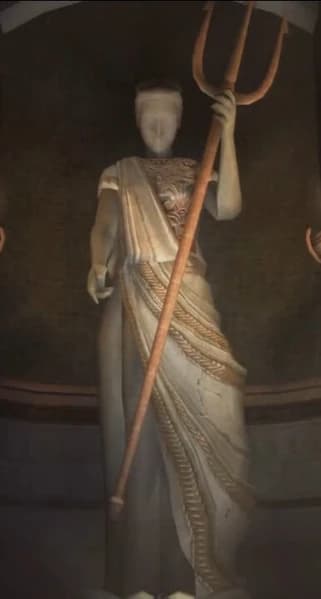
Amphitrite
Amphitrite was the Olympian goddess of the sea and the wife of Poseidon. A chamber and a great statue were dedicated to her deep within Pandora's Temple.
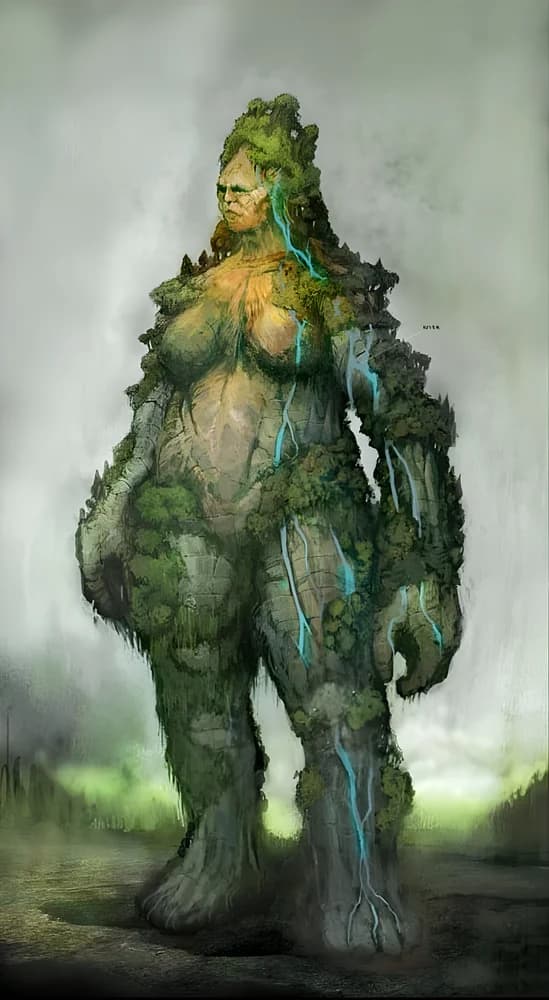
Gaia: Mother Earth, betrayed by Kratos
Gaia bore the Titans, hid the infant Zeus from Cronos, and allied with Kratos against Olympus. He ran the Blade of Olympus through her heart.
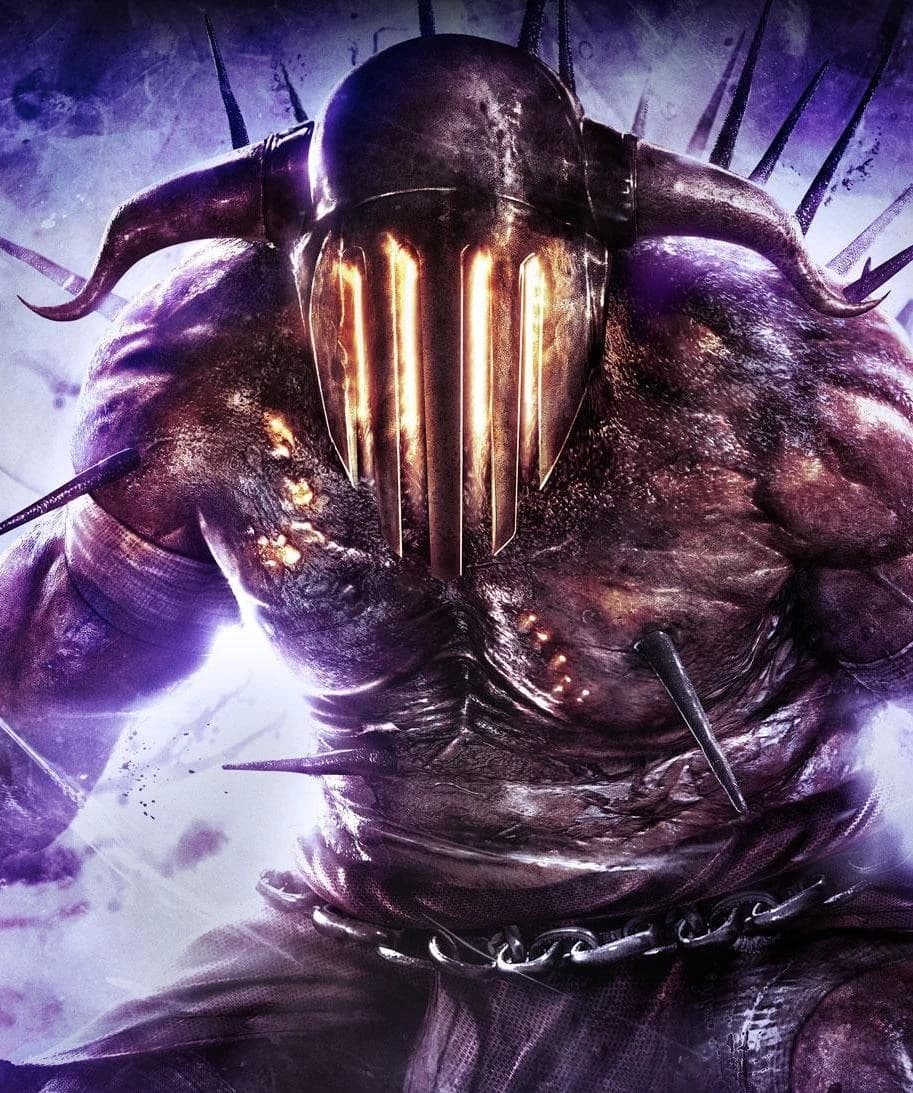
Hades: the god whose soul Kratos tore out
Eldest son of Cronos, Hades ruled the Underworld and held life and death in balance. Kratos turned the Claws of Hades on him and ripped his soul out.
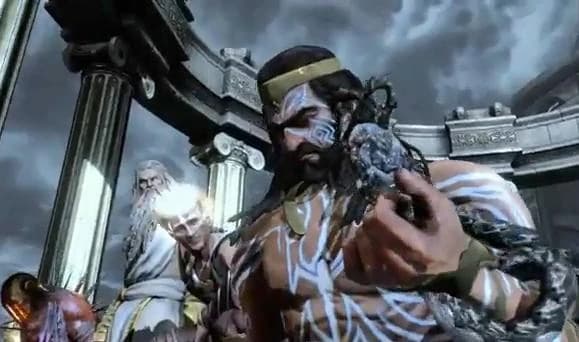
Olympians: the gods Kratos killed off
Zeus led the third generation of Greek gods to victory over the Titans. Kratos then destroyed almost every one of them, and Greece fell with them.
Ouranos: the sky god Cronos castrated
The first ruler of creation fathered the Titans on Gaia and banished his monstrous children. His son Cronos castrated him and took the throne.

Poseidon: the sea god who drowned Greece
Brother to Zeus and Hades, Poseidon was second only to the King of Olympus. Kratos gouged out his eyes and broke his neck, and the seas swallowed Greece.
Mentioned in4 entries
Hades: the god whose soul Kratos tore out
Eldest son of Cronos, Hades ruled the Underworld and held life and death in balance. Kratos turned the Claws of Hades on him and ripped his soul out.
Poseidon: the sea god who drowned Greece
Brother to Zeus and Hades, Poseidon was second only to the King of Olympus. Kratos gouged out his eyes and broke his neck, and the seas swallowed Greece.
Second Titanomachy
The Second Titanomachy was the war Kratos set in motion against the Olympian Gods, when he led the Titans up Mount Olympus to take his vengeance on Zeus. It ended with the death of nearly every god and Titan and the ruin of Greece.
Titans: the elder gods Zeus cast down
Born to Gaia and Ouranos, the Titans ruled the Golden Age under Cronos until Zeus buried them in Tartarus. Kratos later raised them one last time.
Get new articles in your inbox
No spam. New lore drops, canon conflicts, and deep dives only when they’re worth reading.
Some links on Lore Fortress are affiliate links. If you buy through them we earn a small commission at no extra cost to you.