Tartarus: the abyss that caged the Titans
The Primordial Abyss
Tartarus was the deepest pit of the Underworld, and in Greek myth one of the first beings. Zeus bound the Titans there, and Kratos killed Cronos in its depths.
Tartarus was the deepest part of the Underworld, the abyss where Zeus imprisoned most of the Titans after their defeat in the first Titanomachy. In the Greek myths behind the games it is also a primordial being, one of the first things to exist after Chaos, alongside Gaia. Kratos descended into its depths twice, once escaping its torments and later slaying the Titan Cronos within it. (God of War: Chains of Olympus; God of War III; Hesiod, Theogony)
The pit in myth and in the games#
In the oldest Greek account, Hesiod's Theogony, Tartarus is one of the first beings to come into existence, after Chaos and alongside Gaia and Eros. Hesiod pictures it as a murky place as far below the earth as the earth is below the sky, so deep that a bronze anvil would fall for nine days to reach it. In the games Tartarus is a place rather than a character: a fiery, seemingly endless pit at the bottom of the Underworld, and in God of War III the Gates of Tisiphone are one of the ways down into it. (Hesiod, Theogony; God of War III)
A prison for the Titans#
In myth, Ouranos hid the mighty Hecatonchires and the Elder Cyclopes away in the depths, and they stayed there for ages until the young Zeus freed them to fight the Titans. Once Zeus had won, it was the Titans who went down into Tartarus. The games show that prison as well. In Chains of Olympus the Titans are chained to the rocks and mountains of the abyss, bound there with the power of the Gauntlet of Zeus, and Persephone frees the Titan Atlas from his chains so he can help her destroy the world. Hesiod also has Gaia lie with Tartarus to produce the storm monster Typhon, who rose to challenge Zeus. (Hesiod, Theogony; Apollodorus, Library; God of War: Chains of Olympus)
Kratos in the depths#
Kratos descended into Tartarus more than once. After he was defeated by Charon, he was cast into the abyss and fought his way out through hordes of enemies, passing the imprisoned Titans bound in their chains and the souls of the wicked tormented for eternity. He came upon the Jailer of Tartarus dead upon his throne and claimed the Gauntlet of Zeus, then found a way back to the banks of the River Styx. Later, on the instruction of Hephaestus, Kratos returned to retrieve the Omphalos Stone, said to dwell deep within the Pit of Tartarus below the Forge. Passing the freed souls searching in vain for redemption, he reached the Gates of Tisiphone, solved the puzzle of the doors leading to the pit, and fought his way down into the darkest depths until he came face to face with Cronos. After a vicious battle, Kratos slew the Titan, retrieved the Omphalos Stone, and bore it back to Hephaestus, who forged it into the Nemesis Whip. (God of War: Chains of Olympus; God of War III)
Frequently asked questions
- What is Tartarus in God of War?
- Tartarus was the deepest part of the Underworld, the abyss where Zeus imprisoned most of the Titans after their defeat in the first Titanomachy. Kratos goes there in God of War: Chains of Olympus and again in God of War III.
- Is Tartarus a god in Greek myth?
- In Hesiod's Theogony, Tartarus is one of the first beings to come into existence after Chaos, alongside Gaia and Eros, and with Gaia he later fathers the monster Typhon. The games treat Tartarus as a place rather than a character.
- How deep is Tartarus?
- Hesiod says a bronze anvil dropped from the earth would fall for nine days and nights before reaching Tartarus. In the games it is a fiery, seemingly endless pit at the bottom of the Underworld.
- Who were the captives held in Tartarus?
- In myth, Ouranos locked away the Hecatonchires and the Elder Cyclopes until Zeus freed them, and after the war Zeus imprisoned the defeated Titans in Tartarus. In Chains of Olympus the Titans are chained to the rocks of the abyss, and Persephone frees Atlas from his chains there.
- What did Kratos do in Tartarus?
- Kratos descended into Tartarus twice. After being defeated by Charon he was cast in and fought his way out, claiming the Gauntlet of Zeus, and later returned on Hephaestus' instruction to retrieve the Omphalos Stone, slaying the Titan Cronos in its depths.
Sources
- GameGod of War: Chains of Olympus, Ready at Dawn, 2008
- GameGod of War III, Santa Monica Studio, 2010
- BookTheogony, Hesiod, around 700 BC
- BookLibrary (Bibliotheca), Pseudo-Apollodorus, 1st or 2nd century AD
Spotted a factual error or a primary source we missed? Email a correction. Every flagged claim gets reviewed.
Followed from this entry
River Styx: the river of hatred beneath Greece
The River Styx was the great river of the Greek Underworld, a barrier that killed the living on contact and carried the souls of the dead toward judgement. Charon ferried across it, the Path of Hades bridged it, and Kratos crossed, fell into and finally swam it more times than any mortal.
The Underworld
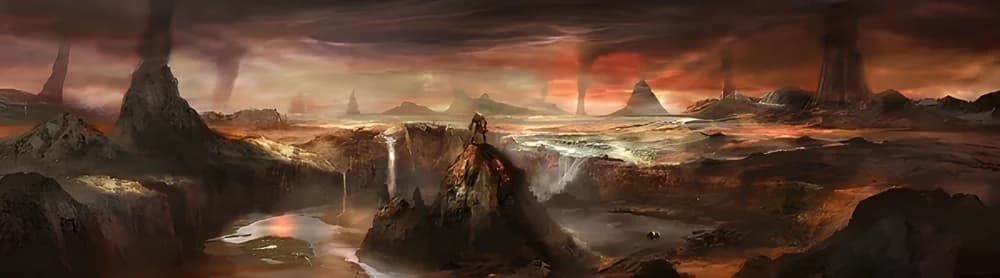
The Underworld was the realm of the dead in Greece, a hellish landscape below the living world where the River Styx carried mortal souls to their rest. It was ruled by Hades until his death, and Kratos descended into it many times across his Greek campaigns.
Atlas: the Titan who holds up the world
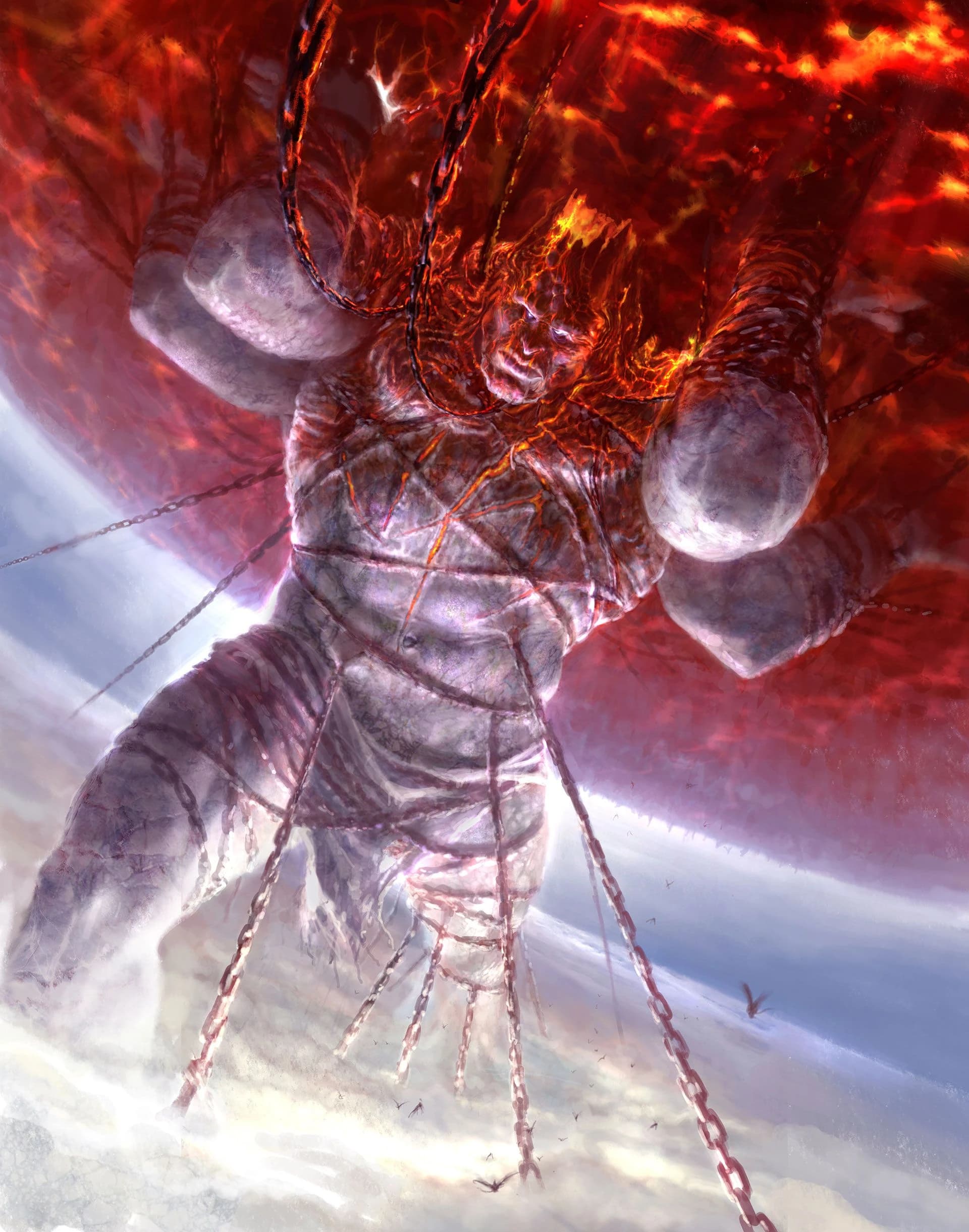
Four-armed general of the Titans and the strongest of them. Kratos condemned him to carry the world on the Pillar of the World, then took his help.
Charon
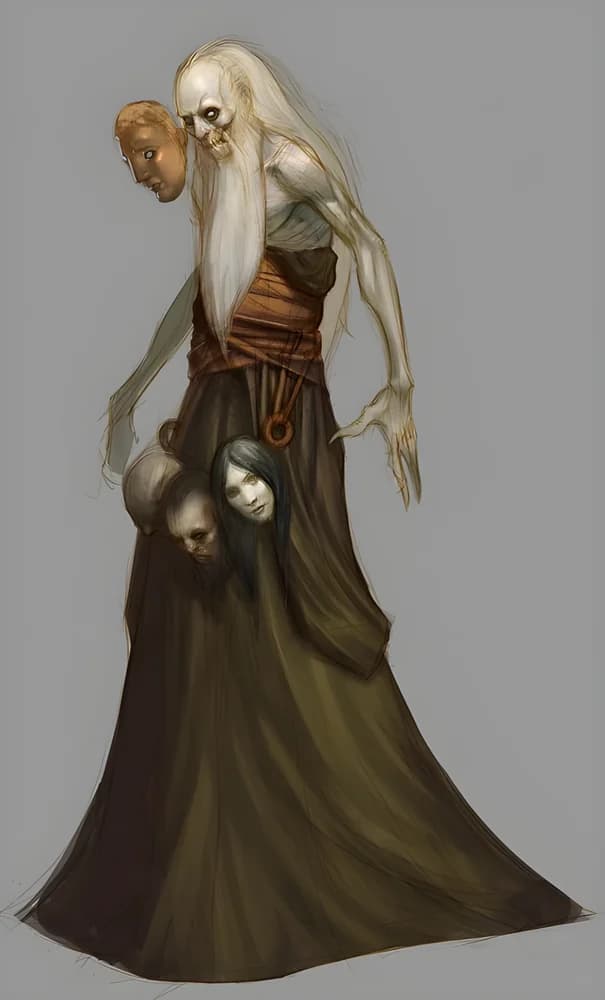
Charon was the ferryman who carried the souls of the dead across the River Styx, a servant of Hades and Persephone. When Kratos came to his docks still living, Charon refused him passage and cast him into Tartarus before the Spartan returned to kill him.
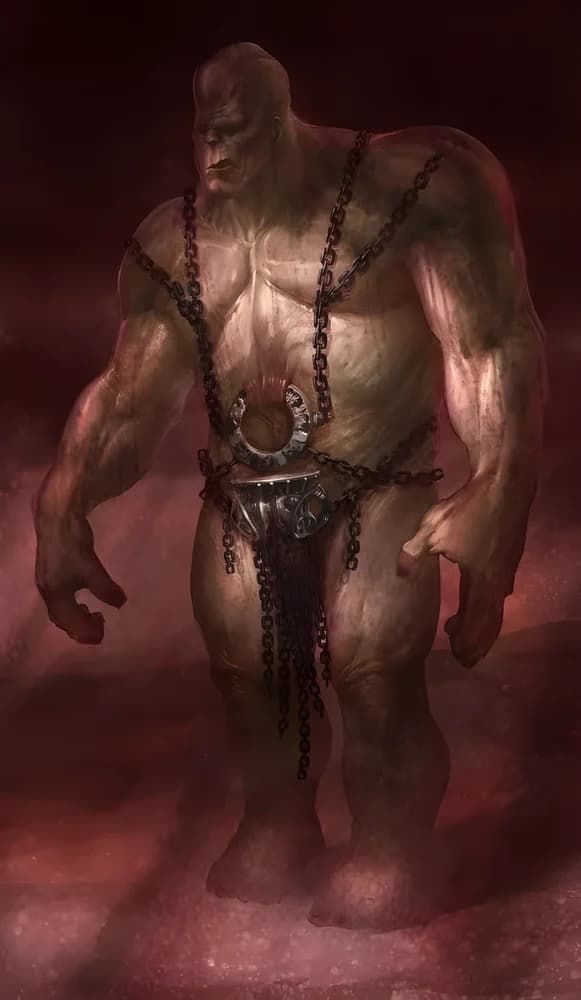
Cronos: the Titan who ate his children
Warned that his own children would depose him, Cronos swallowed each at birth. Rhea hid Zeus, Zeus deposed him anyway, and Kratos finished him.
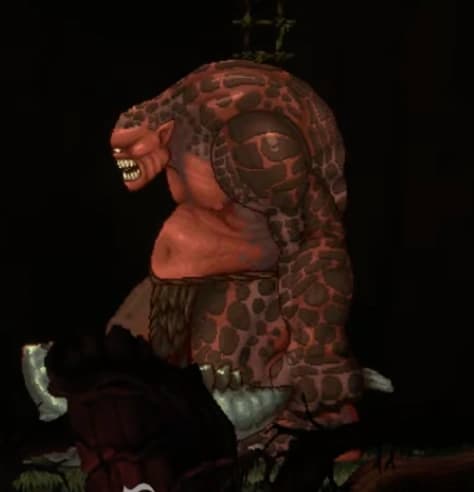
Cyclopes: the one-eyed giants of Greece
The Cyclopes were a race of burly, one-eyed giants of the Greek world. Once peaceful shepherds, they were dragged into the first War of the Titans and used thereafter as beasts of war in the armies of the gods.
Mentioned in55 entries
Ares: the god who made Kratos a killer
Ares tricked Kratos into slaughtering his own wife and daughter to bind him as a weapon. Kratos killed him at Athens and took his place as God of War.
Atlas: the Titan who holds up the world
Four-armed general of the Titans and the strongest of them. Kratos condemned him to carry the world on the Pillar of the World, then took his help.
Blade of Olympus: Zeus' god-killing sword
Zeus forged the Blade of Olympus from the heavens and the earth to banish the Titans to Tartarus. It could kill gods and Titans, and it killed Zeus himself.
Blades of Chaos: chained to Kratos' arms
The Blades of Chaos were forged in the Underworld for Ares, who seared their chains onto Kratos' forearms. They burn with the fire of Tartarus.
Body Burner: the cursed keeper of Pandora's Gate
The Body Burner was the first mortal to enter Pandora's Temple and, by his own account, the first to die there. Cursed by the gods for his failure, he kept watch year after year on the cliff beyond Pandora's Bridge, burning the corpses of every challenger who followed him, until Kratos passed his gate and carried Pandora's Box out of the temple.
Centaur
The Centaurs were monsters of the Greek world, part man and part horse, once renowned for poetry and wine-making in the forests of Mount Pelion. When the Lapiths encroached on their woods they took up arms, and in time were recruited across Greece for their martial prowess.
Charon
Charon was the ferryman who carried the souls of the dead across the River Styx, a servant of Hades and Persephone. When Kratos came to his docks still living, Charon refused him passage and cast him into Tartarus before the Spartan returned to kill him.
Chimera
The Chimera was a great three-natured monster, bearing the heads of a goat and a lion and a serpent for a tail. Loosed as a minion of Olympus, it breathed fire and venom against Kratos in the temples and ruins of Greece.
Cronos: the Titan who ate his children
Warned that his own children would depose him, Cronos swallowed each at birth. Rhea hid Zeus, Zeus deposed him anyway, and Kratos finished him.
Cursed Remains: the rising bones of the dead
The Cursed Remains were animated skeletons that rose from scattered piles of bone to fight the living. Encountered across the Greek lands, they were weak alone but dangerous in numbers, collapsing and reforming to escape a final death.
Desert of Lost Souls: the wasteland east of Athens
The Desert of Lost Souls was a vast, monster haunted desert far to the east of Athens, the place where Zeus condemned the Titan Cronos to wander with Pandora's Temple chained to his back. Kratos crossed its sands in his quest for Pandora's Box, and there Ares struck him down with a pillar hurled from the ruins of Athens.
Epimetheus
Epimetheus was a Titan of Hindsight and Afterthought, cast down to Tartarus after the Great War. He marched on Mount Olympus during the second Titanomachy and was slain by Poseidon.
+ 43 more
Get new articles in your inbox
No spam. New lore drops, canon conflicts, and deep dives only when they’re worth reading.
Some links on Lore Fortress are affiliate links. If you buy through them we earn a small commission at no extra cost to you.