Tisiphone
the Fury of the Mind
Tisiphone was one of the three Furies, the Fury of the Mind whose illusions were the cunningest and cruelest of her sisters. She summoned the creature Daimon, warped reality itself, and tormented Kratos with visions of his dead wife before he saw through her spells and broke her neck.
Tisiphone was one of the three Furies and the sister of Alecto and Megaera. Known as the Fury of the Mind, she was the most cunning of the trio, casting illusions more powerful and crueler than those of her sisters. She joined the hunt for Kratos after he broke his bond with Ares, tormenting him with phantoms drawn from his grief. (God of War: Ascension)
The Fury of the Mind#
Tisiphone was the most cunning of the Furies, her tricks crueler and her illusions more powerful than those of her sisters. Titled the Fury of the Mind, she cast spells that could only be broken by the Eyes of Truth, and could alter the physics of her surroundings, transforming flat ground into buildings or a temple into an open sea. She could raise barriers over anything she saw, regardless of distance, to serve as armor for herself or her sisters, and could fly, teleport, and shoot forth radiant flames. Her familiar was Daimon, a bird-like creature she summoned from dark magic to fight at her side. (God of War: Ascension)
The hunt and the Statue of Apollo#
Tisiphone joined her sisters in pursuing Kratos after he broke his blood oath with Ares. During the Spartan's voyage to Delos, she and Megaera trapped him in an illusion of Sparta upon the Statue of Apollo. When Kratos severed Megaera's arm, the infuriated Tisiphone summoned Daimon to aid in the battle. Kratos appeared to kill her by impaling her on a spike, but the slain Tisiphone proved only another illusion, the true sister still alive. The Furies later captured Kratos and held him to be tortured within the Prison of the Damned, with Tisiphone and Megaera restraining Orkos as Alecto bore the Spartan away. (God of War: Ascension)
Illusions in the Prison of the Damned#
After Kratos freed himself, Tisiphone wove illusions to ensnare him as he pursued Megaera. She conjured a house full of women who desired him, a deception he pierced when he saw she wore the ring of his wife Lysandra. Later she took the form of the King of Sparta, betrayed again by Lysandra's ring on the figure's finger, and fled when Kratos attacked. He pursued her into Alecto's Chamber, where she set Daimon upon him and watched as the battle drew toward its end. (God of War: Ascension)
Death#
In the final confrontation, Tisiphone created the illusion that Alecto's Chamber was a great sea beside a whirlpool while Alecto fought in her monstrous form, both seeking revenge for Megaera's death. After Kratos defeated Alecto and killed Daimon, he beat Tisiphone as she conjured a stream of illusions to break him: the King of Sparta declaring him unfit to be a Spartan, and a vision of Kratos himself blaming the Spartan for all he had lost. When he began to choke her, she became Lysandra to stay his hand, but he saw through the deception. In a final torment she took the shape of the Village Oracle and told him that his wife and child had not been at the temple where they died by chance. Having heard enough, Kratos broke her neck, ending the last of the Furies. (God of War: Ascension)
Frequently asked questions
- Who is Tisiphone in God of War?
- Tisiphone was one of the three Furies and the sister of Alecto and Megaera. Known as the Fury of the Mind, she was the most cunning of the trio, casting illusions more powerful and crueler than those of her sisters.
- What powers did Tisiphone have?
- Tisiphone cast spells that could only be broken by the Eyes of Truth and could alter the physics of her surroundings, transforming flat ground into buildings or a temple into an open sea. She could raise barriers over anything she saw to serve as armor, could fly, teleport, and shoot forth radiant flames, and summoned a bird-like familiar called Daimon.
- How did Tisiphone torment Kratos?
- Tisiphone wove illusions to ensnare Kratos, including a house full of women who desired him and the form of the King of Sparta, both betrayed by the ring of his wife Lysandra. In the final battle she turned Alecto's Chamber into a great sea beside a whirlpool and conjured visions of Lysandra and the Village Oracle to break him.
- How did Tisiphone die?
- After Kratos defeated Alecto and killed Daimon, he beat Tisiphone as she conjured illusions to torment him. When she took the shape of the Village Oracle and revealed that his wife and child had not been at the temple where they died by chance, Kratos broke her neck, ending the last of the Furies.
Sources
- GameGod of War: Ascension, Santa Monica Studio, 2013
Spotted a factual error or a primary source we missed? Email a correction. Every flagged claim gets reviewed.
Followed from this entry
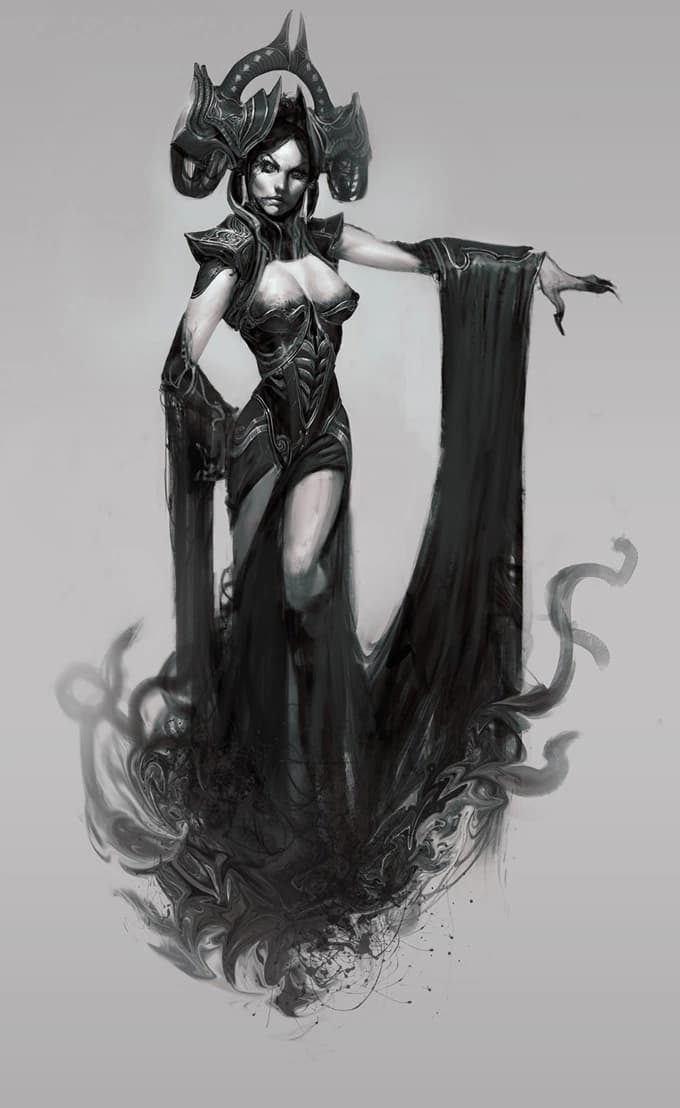
Alecto
Alecto was the Queen of the Furies and the Goddess of Anger, the sister who ruled the trio that hunted Kratos. She mated with Ares to bear the disowned Orkos, ensnared her victims in illusion and black goo, and transformed into a monstrous sea creature before falling to the Spartan's blades.
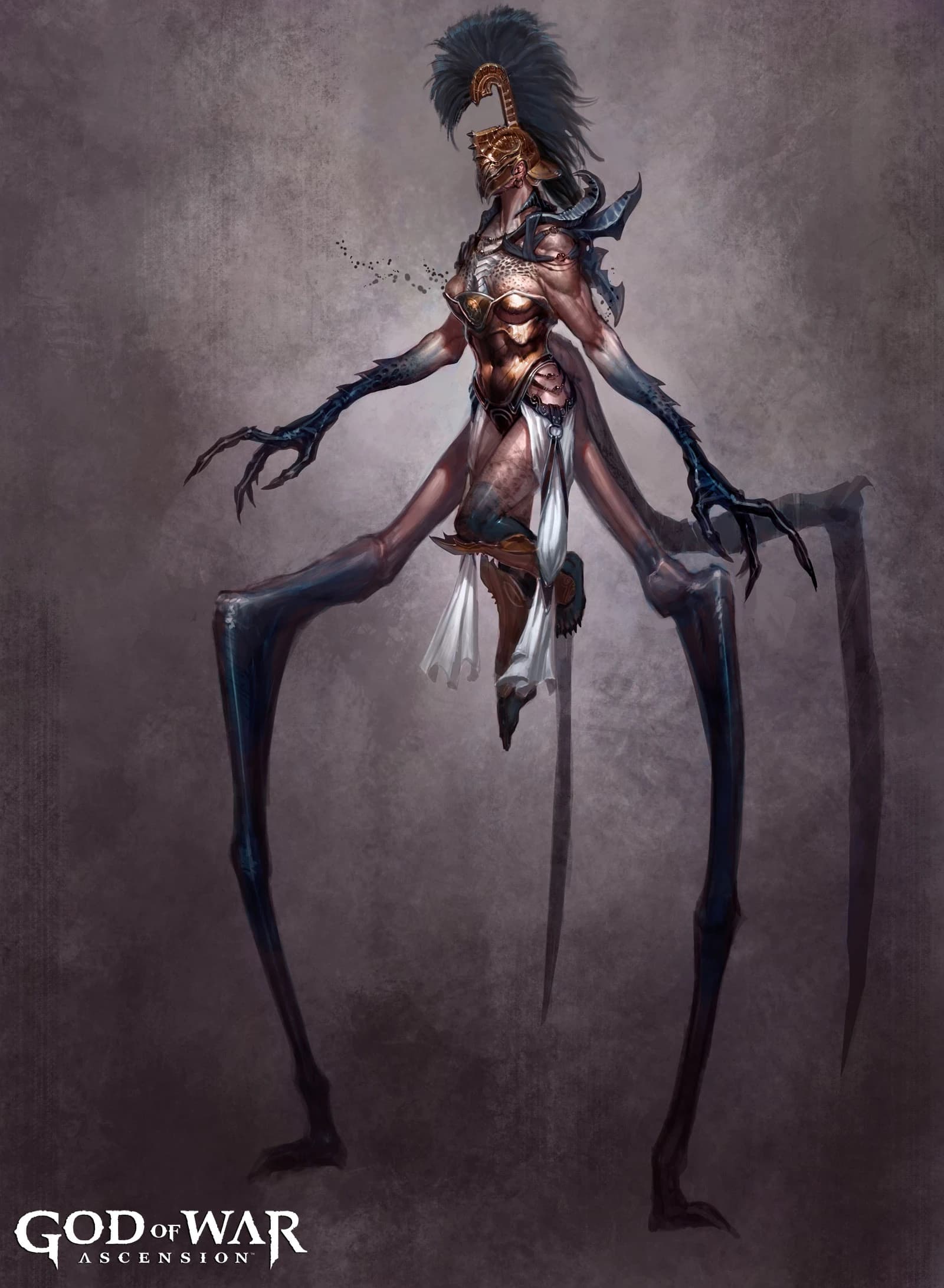
Megaera
Megaera was one of the three Furies, the Physical Fury who tormented her victims with brute force and parasitic monsters. After Kratos severed her arm in an earlier clash, she tortured him in the Prison of the Damned, until his escape led to her death and the recovery of the Amulet of Uroborus.
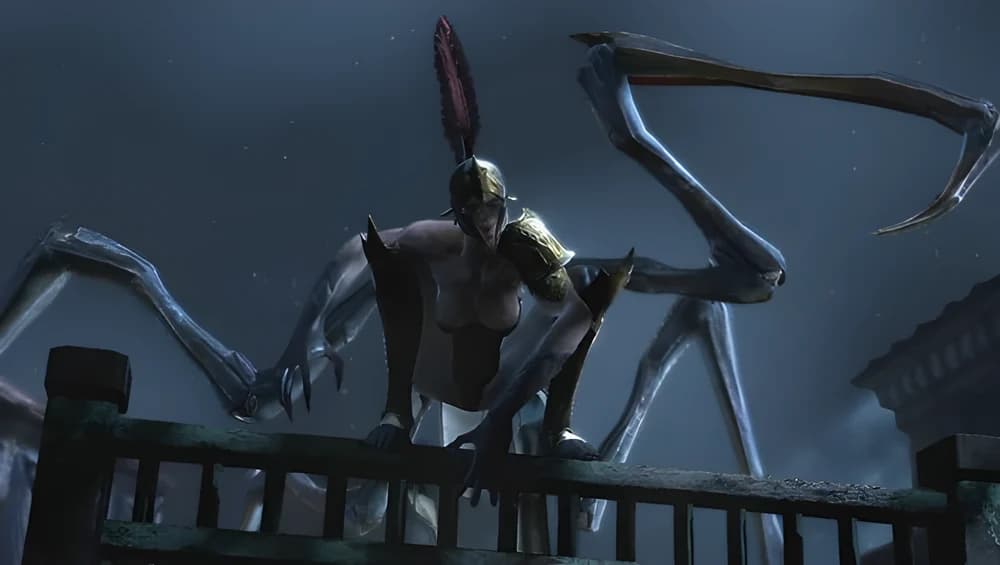
The Furies
The Furies were an ancient trio of sisters born of primordial rage who hunted those who broke their blood oaths to the gods. Once fair judges, they were corrupted by Ares and set upon Kratos after he renounced his bond, until the Spartan saw through their illusions and destroyed all three.
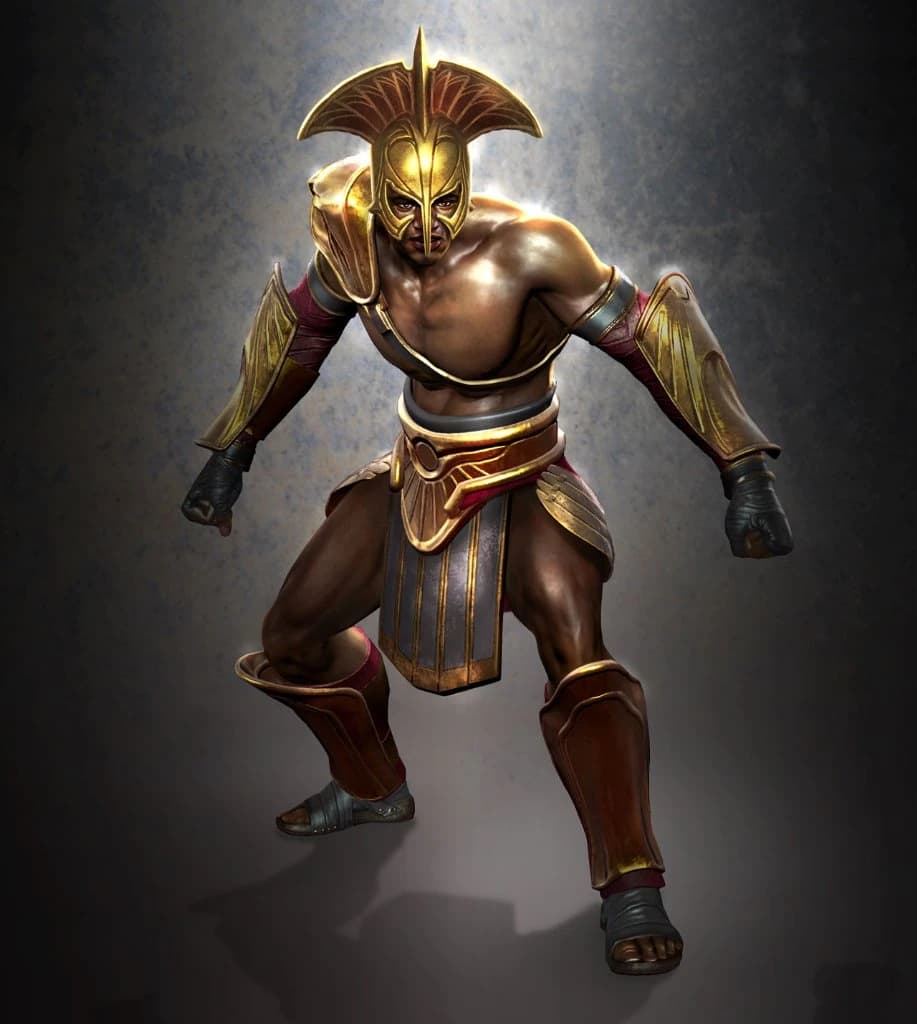
Apollo: the Olympian who escaped Kratos
Apollo never faced Kratos in the flesh. His Flame lit the way to the Tree of Life, his Bow lay in the Underworld, and he survived the slaughter.
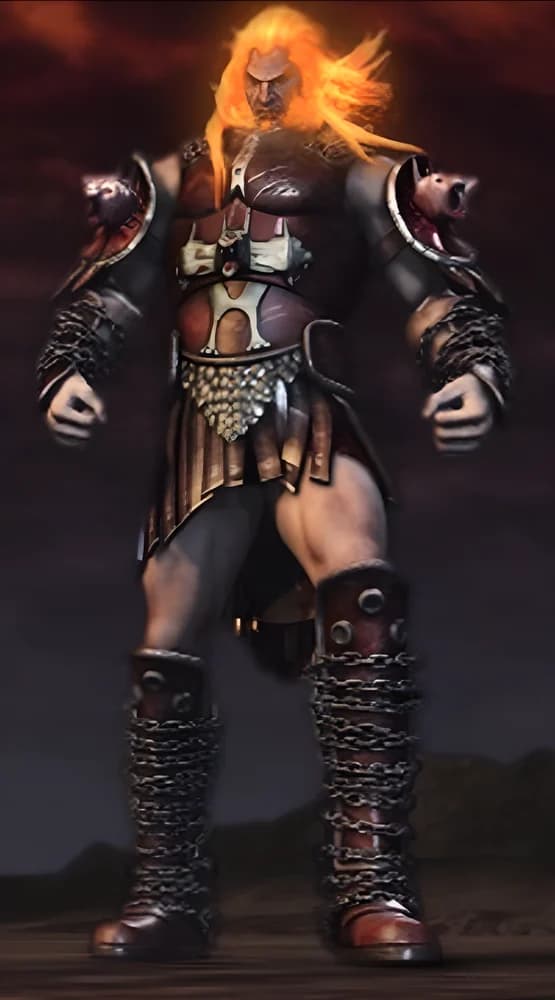
Ares: the god who made Kratos a killer
Ares tricked Kratos into slaughtering his own wife and daughter to bind him as a weapon. Kratos killed him at Athens and took his place as God of War.
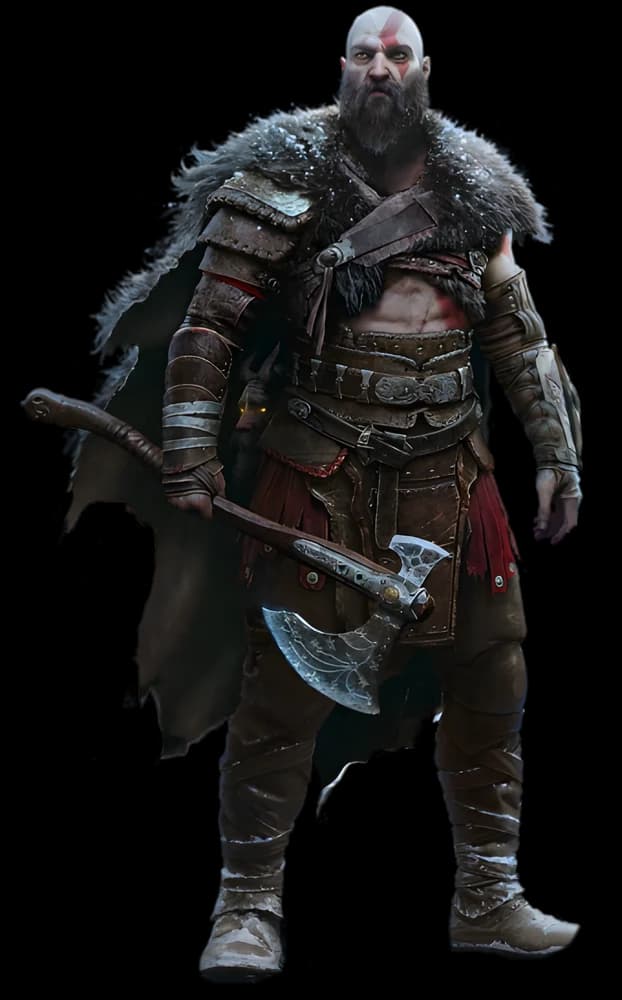
Kratos
Kratos was the demigod son of Zeus who rose from a Spartan general to the Greek God of War, destroyed the pantheon of Olympus in a quest for vengeance, and then began again in the Norse realms as a father seeking to leave his bloody past behind.
Mentioned in14 entries
Alecto
Alecto was the Queen of the Furies and the Goddess of Anger, the sister who ruled the trio that hunted Kratos. She mated with Ares to bear the disowned Orkos, ensnared her victims in illusion and black goo, and transformed into a monstrous sea creature before falling to the Spartan's blades.
Aletheia: the Oracle of Delphi
Aletheia was the mortal Oracle of Delphi, a seer whose eyes granted her visions of the future and the power to pierce any illusion. When she uncovered the plot of Ares and the Furies to overthrow Olympus, the Furies tore out her eyes and forged them into the Eyes of Truth, and with her dying breath she set Kratos on the path that freed him from his blood oath.
Centaur
The Centaurs were monsters of the Greek world, part man and part horse, once renowned for poetry and wine-making in the forests of Mount Pelion. When the Lapiths encroached on their woods they took up arms, and in time were recruited across Greece for their martial prowess.
Chimera
The Chimera was a great three-natured monster, bearing the heads of a goat and a lion and a serpent for a tail. Loosed as a minion of Olympus, it breathed fire and venom against Kratos in the temples and ruins of Greece.
Eros: the Primordial of Love and Desire
Eros was the Primordial entity of Love and Desire, one of the first beings to come out of Chaos in the Void before the world took shape. He embodied the force that brought new life into the young cosmos. His name was still invoked in the age of Kratos, though his own fate was never recorded.
God of War Story Explained: the Whole Saga from Sparta to Ragnarök
The full God of War story in order, one main game at a time. Kratos serves Ares, kills him, destroys Olympus, starts again in the Norse lands and finally ends Odin, with the Valhalla epilogue as the last word.
God of War Timeline: every major event from the Primordials to Valhalla
The full in-universe chronology of God of War, from the war of the Primordials and the fall of the Titans to Kratos's life in Sparta, his war on Olympus, and the end of the Aesir at Ragnarök. The games give almost no calendar years, so events are ordered by story sequence and grouped into eras, with notes wherever the games' own placement is vague.
God of War: Ascension Story Explained
The plot of God of War: Ascension in story order, from Kratos breaking his blood oath to Ares to the deaths of the three Furies and Orkos. Plus how its ending sets up the rest of the Greek saga and where it sits in the timeline.
Megaera
Megaera was one of the three Furies, the Physical Fury who tormented her victims with brute force and parasitic monsters. After Kratos severed her arm in an earlier clash, she tortured him in the Prison of the Damned, until his escape led to her death and the recovery of the Amulet of Uroborus.
Monster: the beasts of the mythic world
Monsters, also called Beasts, were the hostile creatures of the mythic world, beings that could be counted neither as mortals nor as gods or Titans. From the minotaurs and gorgons of Greece to the trolls and dragons of the Norse realms, they haunted every land that Kratos ever walked.
Pillar of the World
The Pillar of the World was a great column in the Underworld that held up the Greek world and kept it from collapse. Partly broken in the battle between Kratos and Persephone, it became the eternal burden of the Titan Atlas.
Tartarus: the abyss that caged the Titans
Tartarus was the deepest pit of the Underworld, and in Greek myth one of the first beings. Zeus bound the Titans there, and Kratos killed Cronos in its depths.
+ 2 more
Get new articles in your inbox
No spam. New lore drops, canon conflicts, and deep dives only when they’re worth reading.
Some links on Lore Fortress are affiliate links. If you buy through them we earn a small commission at no extra cost to you.