Pillar of the World
the column that holds up Greece
The Pillar of the World was a great column in the Underworld that held up the Greek world and kept it from collapse. Partly broken in the battle between Kratos and Persephone, it became the eternal burden of the Titan Atlas.
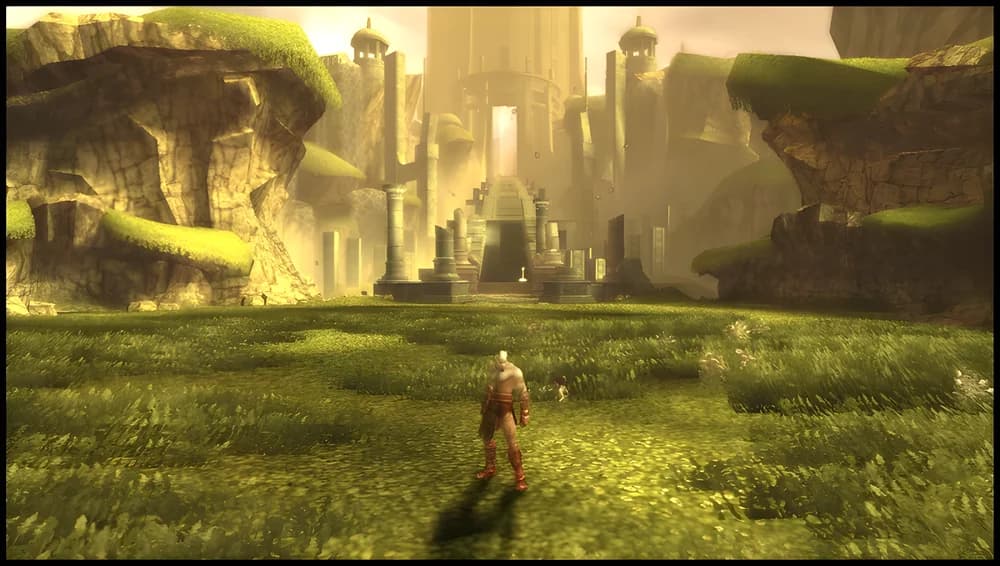
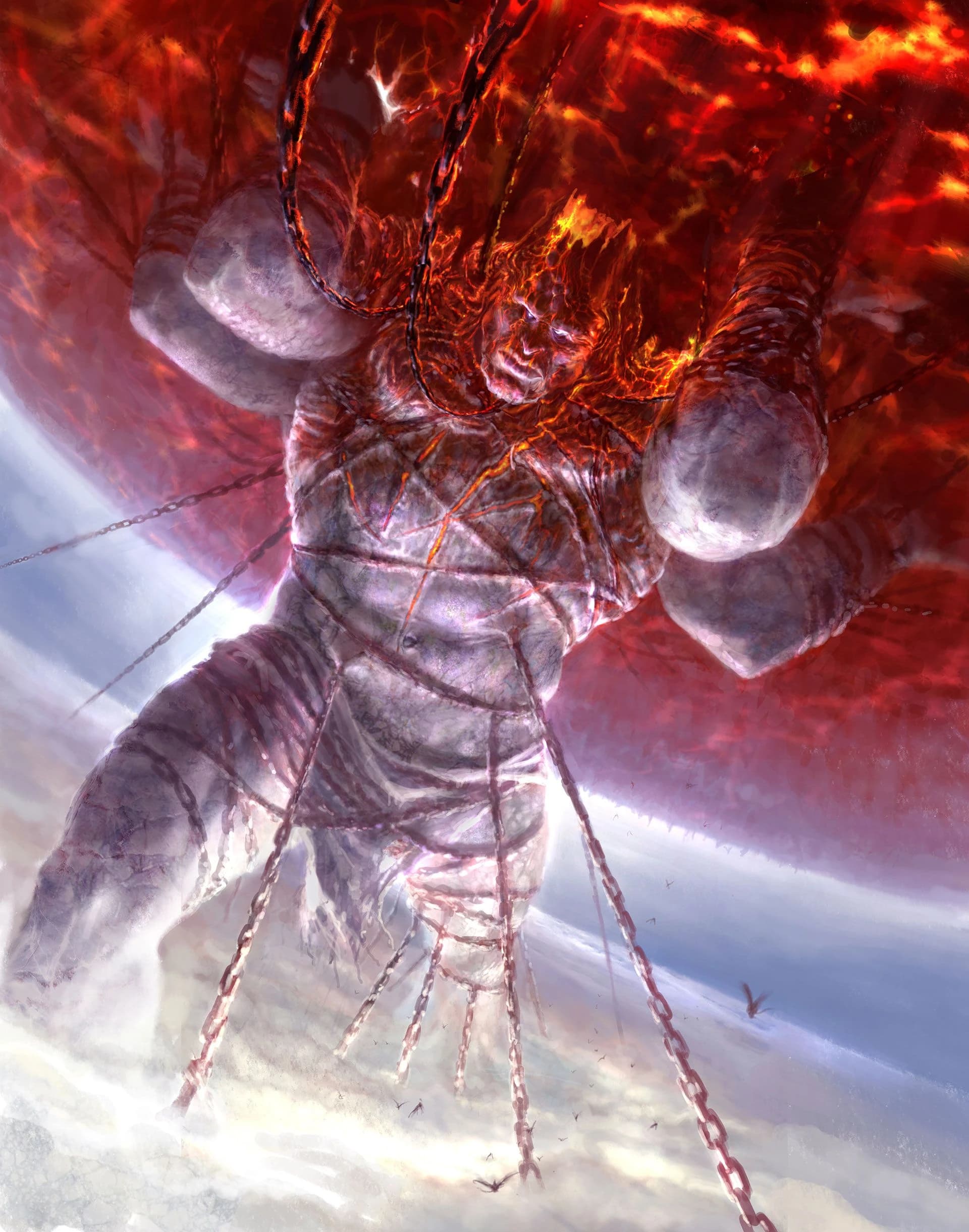
The Pillar of the World was a colossal column set in the Underworld, which held up the whole of the Greek world and kept it from collapsing into ruin. It rested in the Elysium Fields, the paradise of the good and pure souls, with the Island of Creation apparently standing directly above it. Partly destroyed in the battle between Kratos and Persephone, it became the burden of the Titan Atlas, who was condemned to stand upon it and bear all of Greece upon his shoulders. (God of War: Chains of Olympus; God of War II)
The column beneath the world#
The Pillar of the World stood within the Underworld, in the Elysium Fields where the souls of the good and pure dwelt apart from the rest of the dead. Upon it rested the weight of the entire Greek world, and were it to fall, all the mortal and divine realms above would collapse with it. The Island of Creation seems to lie directly above it, since Kratos would one day fall from the island straight onto the pillar. (God of War: Chains of Olympus; God of War II)
The scheme of Persephone#
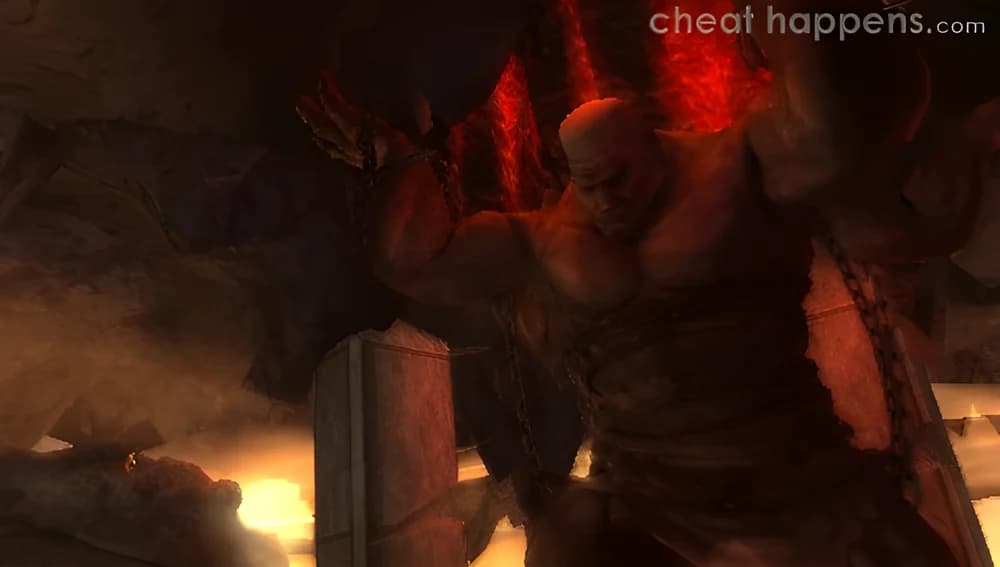
The goddess Persephone devised a scheme to destroy the pillar with the aid of the Titan Atlas, which would have caused the whole of the Greek world to revert into Chaos and ended all life, mortal and god alike, Mount Olympus among them. Kratos set out to stop her, and the summit of the pillar became the ground of their final battle. There, with the Gauntlet of Zeus, he chained Atlas to the column itself, and when the fight was done he struck down Persephone. With the goddess destroyed, Atlas was condemned to stand forever upon the pillar and hold the entire world upon his shoulders. The fight on the pillar closes out the Chains of Olympus story. (God of War: Chains of Olympus)
After the battle#
Long afterward, when Kratos took the Icarus Wings in the Great Chasm and fell from the heights, he came down directly upon Atlas, who still bore the world at his post upon the pillar. The Pillar of the World was depicted again as a carving upon the Gates of Tisiphone, a puzzle that Kratos had to solve to open the way to the Pit of Tartarus and reach the fallen Titan Cronos. (God of War II; God of War III)
Frequently asked questions
- What is the Pillar of the World in God of War?
- The Pillar of the World was a colossal column set in the Underworld that held up the whole of the Greek world and kept it from collapsing into ruin. It rested in the Elysium Fields, with the Island of Creation apparently standing directly above it.
- What was Persephone's scheme involving the Pillar of the World?
- Persephone devised a scheme to destroy the pillar with the aid of the Titan Atlas, which would have caused the whole of the Greek world to revert into Chaos and ended all life, mortal and god alike, including Mount Olympus.
- How did Kratos stop Persephone at the pillar?
- Kratos set out to stop her, and the summit of the pillar became the ground of their final battle. Using the Gauntlet of Zeus he chained Atlas to the column, then struck down Persephone.
- Why is Atlas condemned to stand upon the Pillar of the World?
- With Persephone destroyed, Atlas was condemned to stand forever upon the pillar and hold the entire world upon his shoulders. Long afterward, when Kratos fell from the Great Chasm, he came down directly upon Atlas, who still bore the world at his post.
- Where else does the Pillar of the World appear?
- The pillar was depicted again as a carving upon the Gates of Tisiphone. This carving was a puzzle Kratos had to solve to open the way to the Pit of Tartarus and reach the fallen Titan Cronos.
Gallery
Images via God of War Wiki
Sources
- GameGod of War: Chains of Olympus, Ready at Dawn, 2008
- GameGod of War II, Santa Monica Studio, 2007
- GameGod of War III, Santa Monica Studio, 2010
Spotted a factual error or a primary source we missed? Email a correction. Every flagged claim gets reviewed.
Followed from this entry
The Elysium Fields
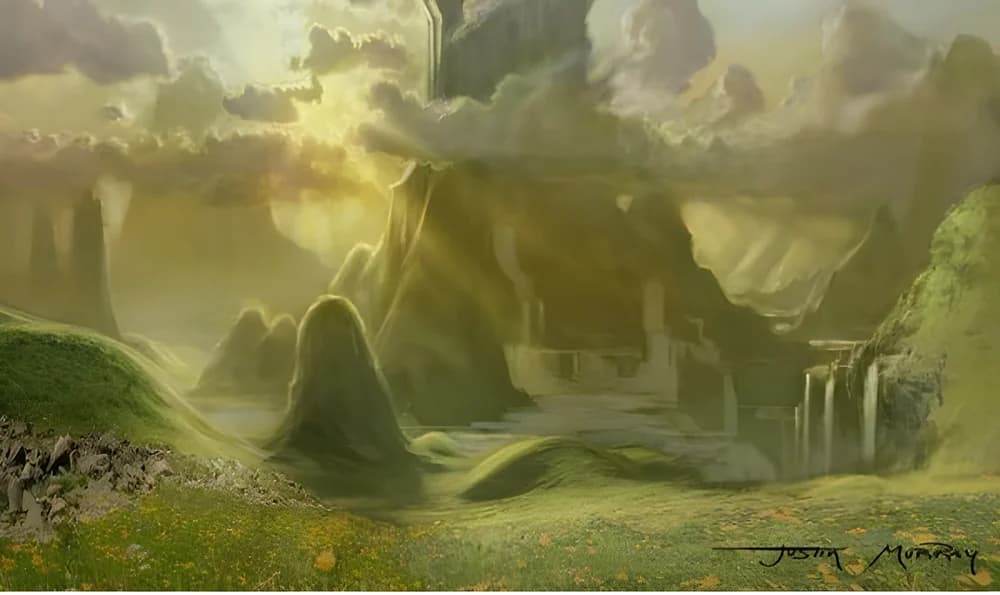
The Elysium Fields were the part of the Underworld where the souls of the good and pure dwelt, a paradise that held the Pillar of the World. There Kratos was reunited with his daughter Calliope, and there he was forced to give her up again to stop Persephone.
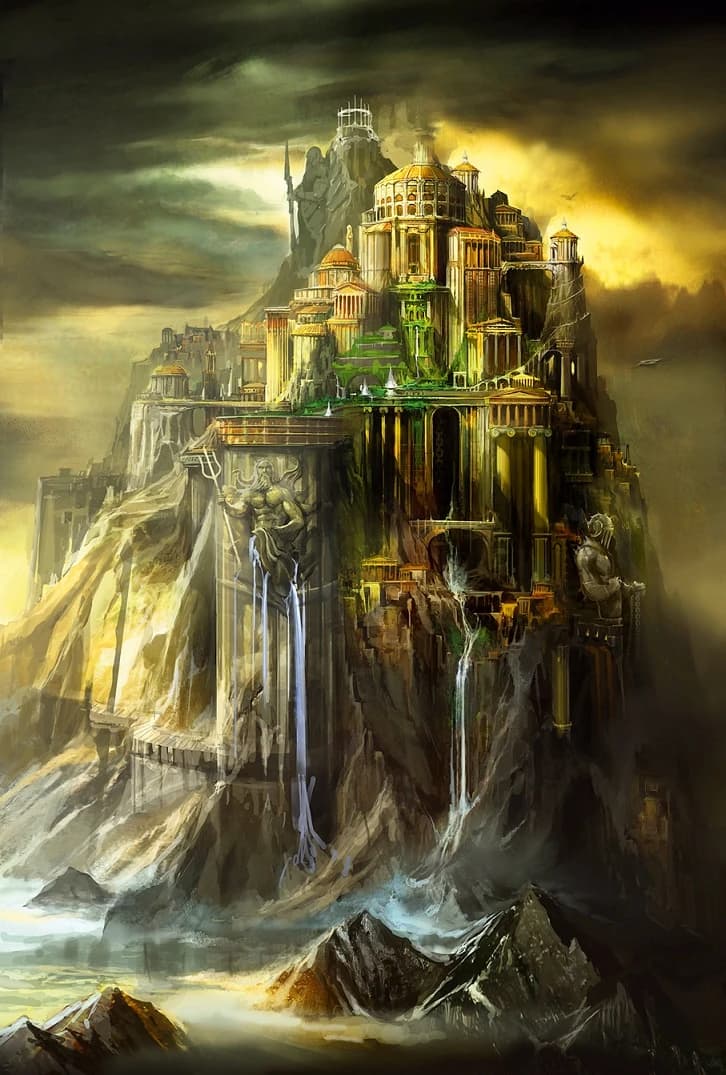
Mount Olympus: Zeus' seat, torn down
The golden mountain became the seat of the gods after the first Titanomachy, and none but a god could set foot on it. Kratos brought the whole thing down.
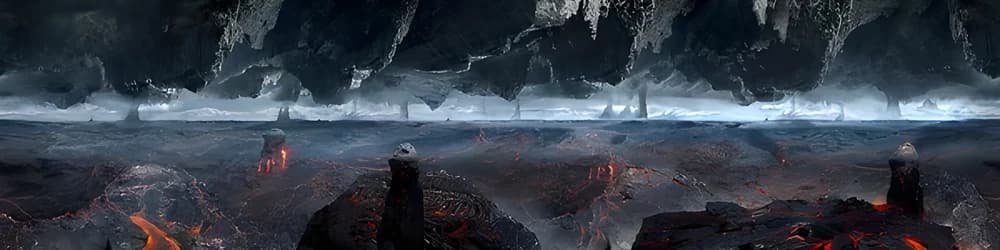
Tartarus: the abyss that caged the Titans
Tartarus was the deepest pit of the Underworld, and in Greek myth one of the first beings. Zeus bound the Titans there, and Kratos killed Cronos in its depths.
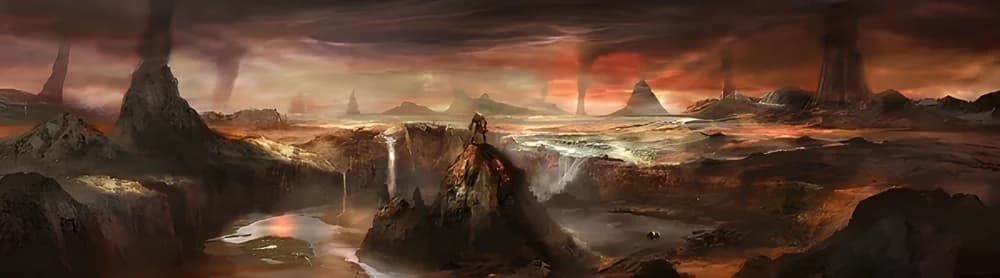
The Underworld
The Underworld was the realm of the dead in Greece, a hellish landscape below the living world where the River Styx carried mortal souls to their rest. It was ruled by Hades until his death, and Kratos descended into it many times across his Greek campaigns.
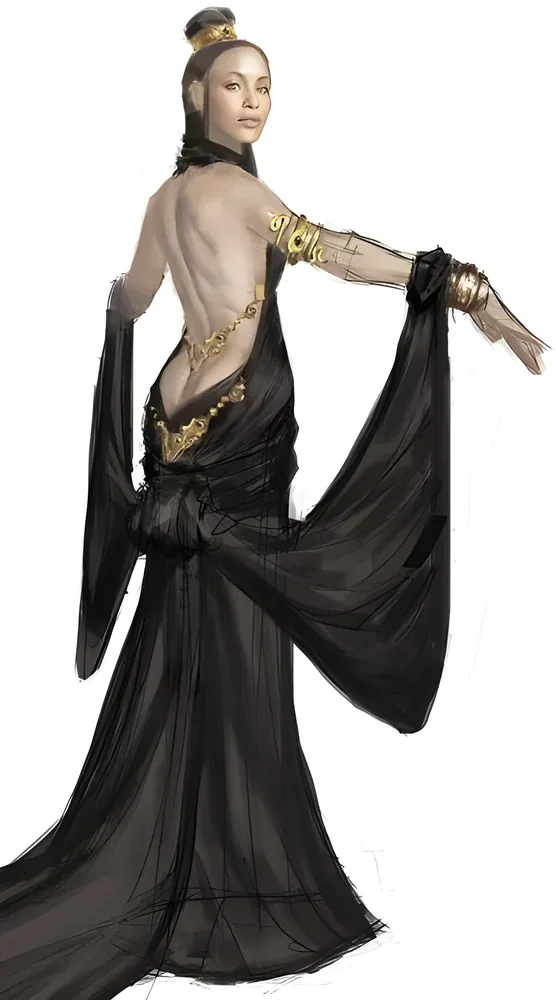
God of War: Chains of Olympus Story Explained
The plot of Chains of Olympus in order, from the Persian attack on Attica to Kratos holding his daughter in Elysium and letting her go. Then the ending explained: what Persephone wanted, why Atlas holds up the world, and where it leaves Kratos.
Atlas: the Titan who holds up the world
Four-armed general of the Titans and the strongest of them. Kratos condemned him to carry the world on the Pillar of the World, then took his help.
Mentioned in13 entries
Atlas: the Titan who holds up the world
Four-armed general of the Titans and the strongest of them. Kratos condemned him to carry the world on the Pillar of the World, then took his help.
Calliope
Calliope was the beloved daughter of Kratos and Lysandra, a gentle and innocent child of Sparta. Killed by her father during a frenzy contrived by Ares, she found rest in the Elysium Fields, only for Kratos to be forced to abandon her there to save the world.
Gauntlet of Zeus
The Gauntlet of Zeus was a colossal gauntlet forged by Hephaestus and used by Zeus to chain the Titans in the depths of Tartarus. Recovered by Kratos from the Temple of Zeus, it became the weapon with which he slew Persephone.
God of War Story Explained: the Whole Saga from Sparta to Ragnarök
The full God of War story in order, one main game at a time. Kratos serves Ares, kills him, destroys Olympus, starts again in the Norse lands and finally ends Odin, with the Valhalla epilogue as the last word.
God of War Timeline: every major event from the Primordials to Valhalla
The full in-universe chronology of God of War, from the war of the Primordials and the fall of the Titans to Kratos's life in Sparta, his war on Olympus, and the end of the Aesir at Ragnarök. The games give almost no calendar years, so events are ordered by story sequence and grouped into eras, with notes wherever the games' own placement is vague.
God of War: Chains of Olympus Story Explained
The plot of Chains of Olympus in order, from the Persian attack on Attica to Kratos holding his daughter in Elysium and letting her go. Then the ending explained: what Persephone wanted, why Atlas holds up the world, and where it leaves Kratos.
Hades: the god whose soul Kratos tore out
Eldest son of Cronos, Hades ruled the Underworld and held life and death in balance. Kratos turned the Claws of Hades on him and ripped his soul out.
Helios: the sun god Kratos beheaded
Kratos once saved Helios from the Titan Atlas. Years later he tore the sun god's head from his body and carried it through Olympus as a lantern.
Island of Creation: cradle of the Greek world
The Island of Creation was the place where all life in Greece began, lying at the very edge of the world. It became the seat of the Sisters of Fate and one of the most heavily guarded places known to man, until Kratos broke through its defenses, slew its guardians, and left it in ruin.
Persephone: the queen who wanted it over
Forced into marriage with Hades, Persephone set out to end the Greek world and herself with it. Kratos struck her down at the Pillar of the World.
The Elysium Fields
The Elysium Fields were the part of the Underworld where the souls of the good and pure dwelt, a paradise that held the Pillar of the World. There Kratos was reunited with his daughter Calliope, and there he was forced to give her up again to stop Persephone.
The Underworld
The Underworld was the realm of the dead in Greece, a hellish landscape below the living world where the River Styx carried mortal souls to their rest. It was ruled by Hades until his death, and Kratos descended into it many times across his Greek campaigns.
+ 1 more
Get new articles in your inbox
No spam. New lore drops, canon conflicts, and deep dives only when they’re worth reading.
Some links on Lore Fortress are affiliate links. If you buy through them we earn a small commission at no extra cost to you.