The Elysium Fields
Paradise of the Greek Dead
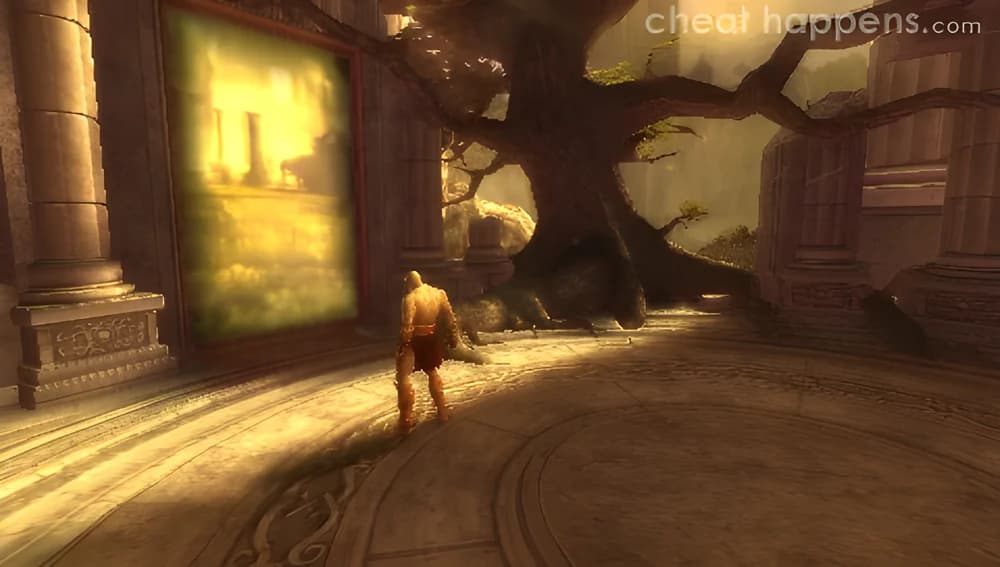
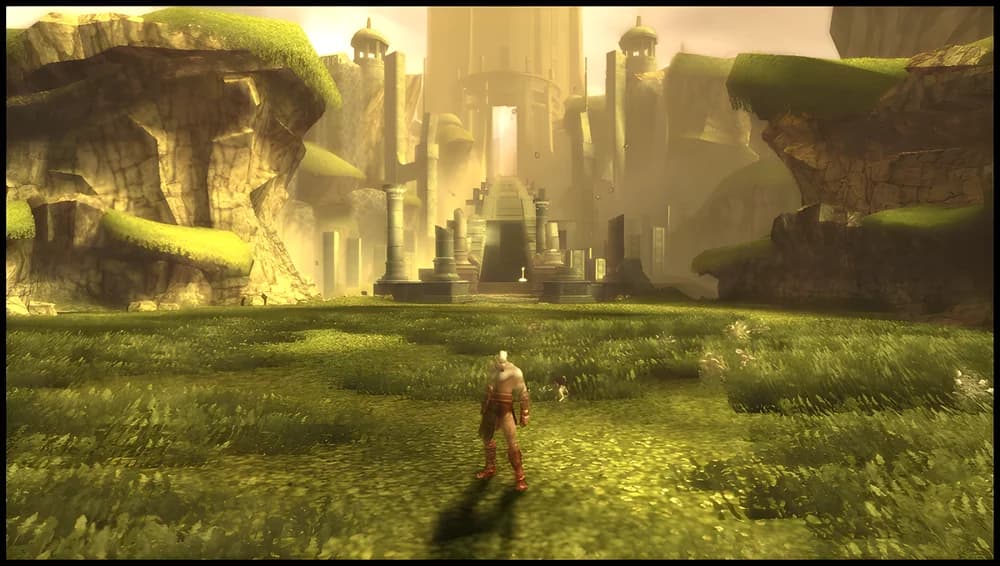
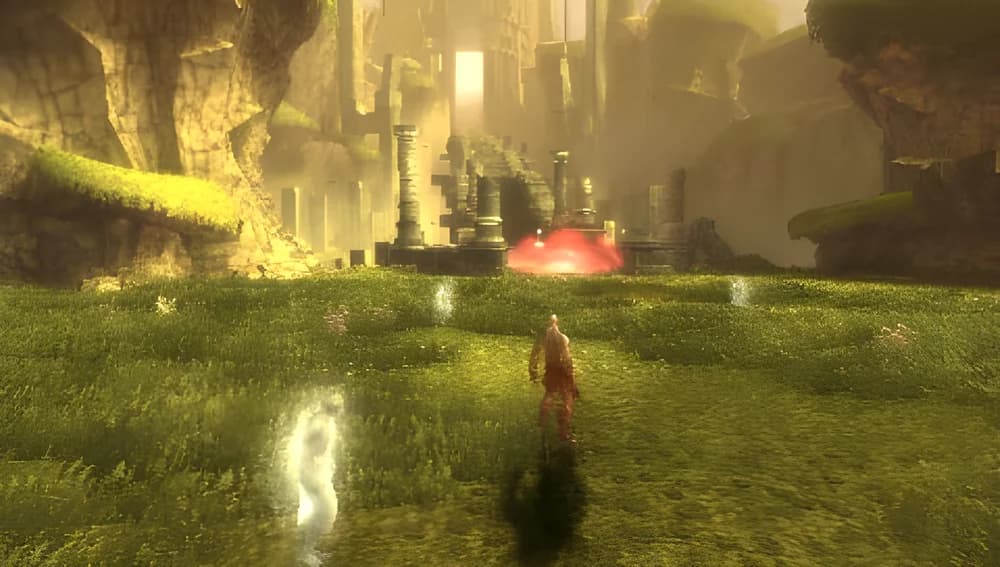
The Elysium Fields were the part of the Underworld where the souls of the good and pure dwelt, a paradise that held the Pillar of the World. There Kratos was reunited with his daughter Calliope, and there he was forced to give her up again to stop Persephone.
The Elysium Fields were the part of the Underworld where the souls of the good and pure dwelt. Unlike the rest of the land of the dead, Elysium was a paradise, and it was there that the Pillar of the World, the giant pillar holding up the Greek world, rested. It was in these fields that Kratos was briefly reunited with his daughter Calliope, and there that he was forced to give her up a second time to stop the goddess Persephone from destroying the world. (God of War: Chains of Olympus)
A paradise within the Underworld#
The Elysium Fields were set apart from the rest of the Underworld. Where the rest of it was hellish, Elysium was a paradise kept for the souls of those who had been good and pure in life. Within the fields stood the Pillar of the World, a giant pillar that held up the Greek world itself, making the fields not only a haven for noble souls but a place of immense importance to the structure of creation. (God of War: Chains of Olympus)
Kratos and Calliope#
When Kratos came to the Underworld searching for his daughter Calliope, the goddess Persephone told him that those who bore weapons could not enter Elysium, for they could not be pure. To pass, he had to relinquish his power to the Forsaken Tree. Kratos obeyed and was reunited with his daughter, willing in that moment to abandon the gods to whatever fate awaited them. (God of War: Chains of Olympus)
His peace did not last. Persephone revealed that she intended to destroy the Pillar of the World, an act that would have annihilated everything. To stop her, Kratos needed his power back, and that power was held by the souls dwelling in the fields. Reluctantly, he pushed Calliope away and began killing the souls of Elysium, taking back his strength and becoming the Ghost of Sparta once more. The act caused his daughter grief and fed the madness that would later drive him to attempt to take his own life at the Suicide Bluffs in Athens, but Kratos knew the corrupt goddess had to be stopped, even at the cost of forsaking his own child. (God of War: Chains of Olympus; God of War (2005))
Frequently asked questions
- What are the Elysium Fields in God of War?
- The Elysium Fields were the part of the Underworld where the souls of the good and pure dwelt, a paradise unlike the rest of the realm of the dead. Within the fields stood the Pillar of the World, the giant pillar holding up the Greek world.
- Why did Kratos go to the Elysium Fields?
- Kratos descended to the Underworld searching for his daughter Calliope. To pass into Elysium he had to relinquish his power to the Forsaken Tree, since those who bore weapons could not enter, and he was then reunited with his daughter.
- What was Persephone's plan in the Elysium Fields?
- Persephone revealed that she intended to destroy the Pillar of the World, an act that would have annihilated everything. To stop her, Kratos needed his power back, and that power was held by the souls dwelling in the fields.
- Why did Kratos give up Calliope a second time?
- To regain the strength he needed to stop Persephone, Kratos pushed Calliope away and killed the souls of Elysium, becoming the Ghost of Sparta once more. The act caused his daughter grief and fed the madness that later drove him toward the Suicide Bluffs in Athens, but he knew the corrupt goddess had to be stopped even at the cost of forsaking his child.
Gallery
Images via God of War Wiki
Sources
- GameGod of War: Chains of Olympus, Ready at Dawn, 2008
- GameGod of War (2005), Santa Monica Studio, 2005
Spotted a factual error or a primary source we missed? Email a correction. Every flagged claim gets reviewed.
Followed from this entry

Athens: Athena's city, besieged by Ares
Ares laid siege to Athens out of hatred for his sister Athena. Kratos was sent to save it, and killed Ares there to become the new God of War.
Pillar of the World
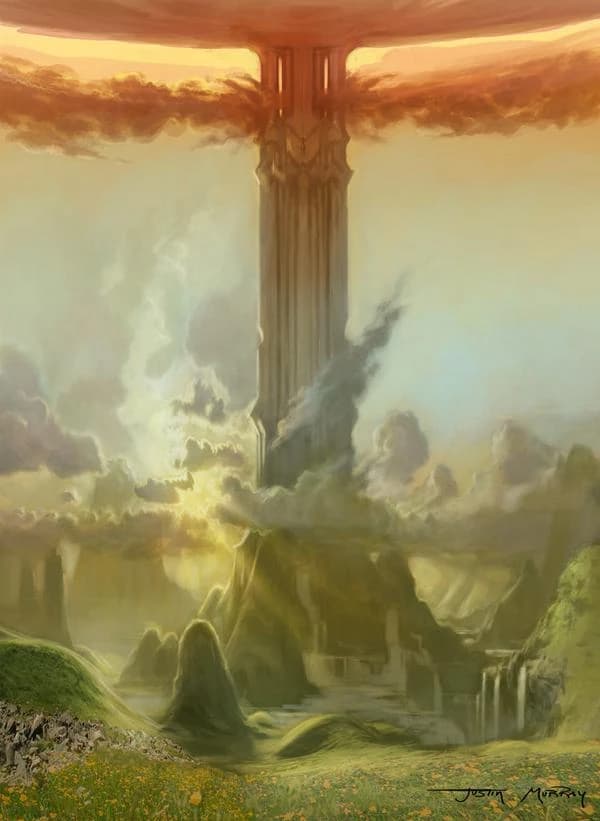
The Pillar of the World was a great column in the Underworld that held up the Greek world and kept it from collapse. Partly broken in the battle between Kratos and Persephone, it became the eternal burden of the Titan Atlas.
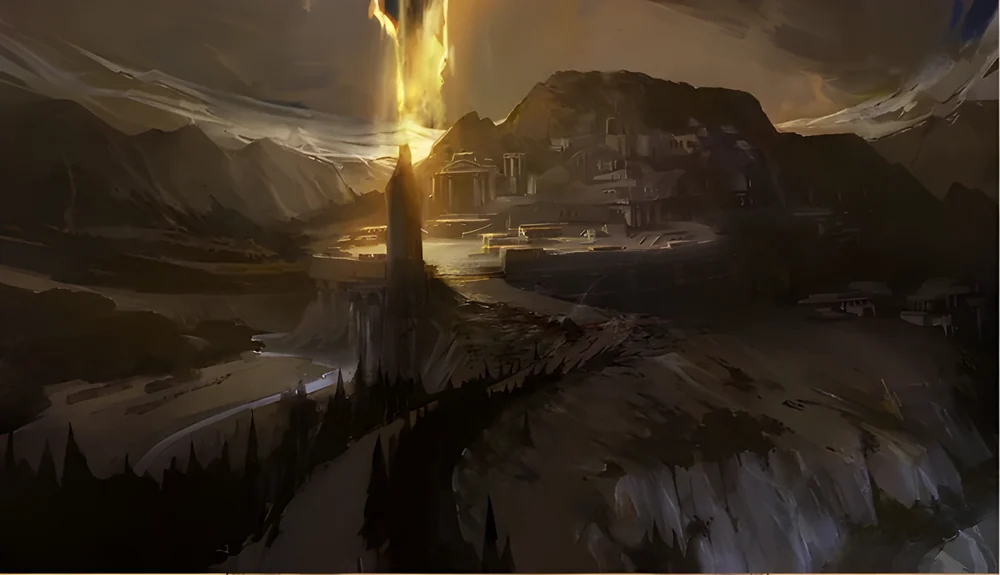
Sparta: Kratos' city, razed by Zeus
Sparta raised Kratos, worshipped Ares, then took Kratos himself as its patron god. Zeus destroyed the city in revenge for the Spartan's defiance.
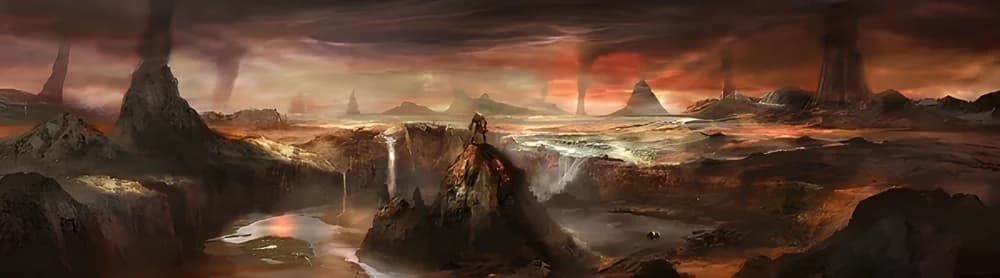
The Underworld
The Underworld was the realm of the dead in Greece, a hellish landscape below the living world where the River Styx carried mortal souls to their rest. It was ruled by Hades until his death, and Kratos descended into it many times across his Greek campaigns.
What Happened to Kratos's Daughter?
Kratos killed his daughter Calliope by accident, in a temple Ares tricked him into raiding. Her soul went to Elysium, where Kratos found her years later and had to leave her again to save the world. Here is her whole story, from Sparta to Valhalla.
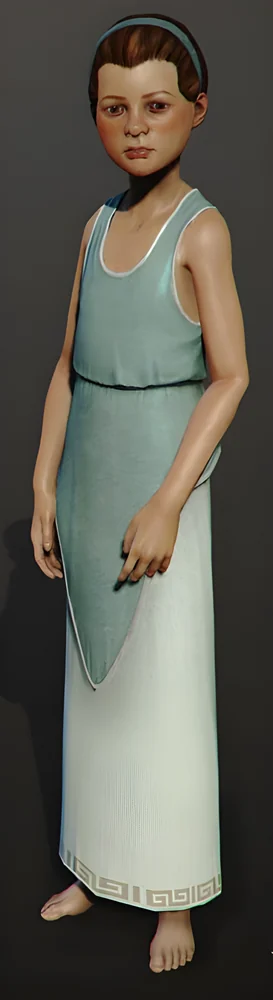
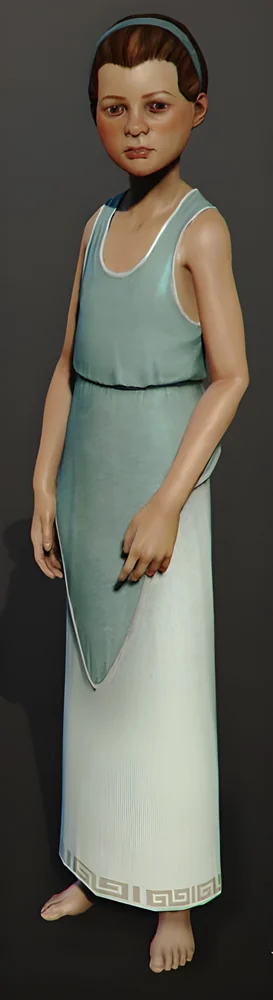
Calliope
Calliope was the beloved daughter of Kratos and Lysandra, a gentle and innocent child of Sparta. Killed by her father during a frenzy contrived by Ares, she found rest in the Elysium Fields, only for Kratos to be forced to abandon her there to save the world.
Mentioned in9 entries
God of War Story Explained: the Whole Saga from Sparta to Ragnarök
The full God of War story in order, one main game at a time. Kratos serves Ares, kills him, destroys Olympus, starts again in the Norse lands and finally ends Odin, with the Valhalla epilogue as the last word.
God of War Timeline: every major event from the Primordials to Valhalla
The full in-universe chronology of God of War, from the war of the Primordials and the fall of the Titans to Kratos's life in Sparta, his war on Olympus, and the end of the Aesir at Ragnarök. The games give almost no calendar years, so events are ordered by story sequence and grouped into eras, with notes wherever the games' own placement is vague.
God of War: Chains of Olympus Story Explained
The plot of Chains of Olympus in order, from the Persian attack on Attica to Kratos holding his daughter in Elysium and letting her go. Then the ending explained: what Persephone wanted, why Atlas holds up the world, and where it leaves Kratos.
Hoplite: the undead soldiery of the dead lands
The Hoplites were undead soldiers of the Greek world, skeletal corpses clad in the armor of Greece that fought with twin swords. Kratos cut through their ranks in Asphodel, in the depths of Tartarus, and even in the Elysium Fields, where their stronger breeds bore shields of bronze and iron.
Pillar of the World
The Pillar of the World was a great column in the Underworld that held up the Greek world and kept it from collapse. Partly broken in the battle between Kratos and Persephone, it became the eternal burden of the Titan Atlas.
River Styx: the river of hatred beneath Greece
The River Styx was the great river of the Greek Underworld, a barrier that killed the living on contact and carried the souls of the dead toward judgement. Charon ferried across it, the Path of Hades bridged it, and Kratos crossed, fell into and finally swam it more times than any mortal.
The Afterlife
The Afterlife was where the dead passed, called the Underworld among the Greeks and Helheim among the Norse. Existing as physical places as much as spiritual ones, the various afterlives were ruled by powerful gods who judged the dead and shepherded their souls, with a different realm awaiting those who died within each mythology.
The Underworld
The Underworld was the realm of the dead in Greece, a hellish landscape below the living world where the River Styx carried mortal souls to their rest. It was ruled by Hades until his death, and Kratos descended into it many times across his Greek campaigns.
What Happened to Kratos's Daughter?
Kratos killed his daughter Calliope by accident, in a temple Ares tricked him into raiding. Her soul went to Elysium, where Kratos found her years later and had to leave her again to save the world. Here is her whole story, from Sparta to Valhalla.
Get new articles in your inbox
No spam. New lore drops, canon conflicts, and deep dives only when they’re worth reading.
Some links on Lore Fortress are affiliate links. If you buy through them we earn a small commission at no extra cost to you.