The Afterlife
the realms of the dead
The Afterlife was where the dead passed, called the Underworld among the Greeks and Helheim among the Norse. Existing as physical places as much as spiritual ones, the various afterlives were ruled by powerful gods who judged the dead and shepherded their souls, with a different realm awaiting those who died within each mythology.
The Afterlife was where the dead passed, called the Underworld in the Greek world and Helheim in the Norse. Existing as physical places as much as spiritual ones, the afterlives were home to powerful gods such as Hades and Hraesvelgr, who ran the affairs of the dead, and they were a place that Kratos entered and escaped many times across his long life. (God of War: Chains of Olympus; God of War (2005); God of War II; God of War III; God of War (2018); God of War Ragnarök)
A place for the dead#
The Afterlife was the main destination for all deceased people and creatures after death, differing for each mythology of the known world. It was home to powerful deities, the chthonic gods and death gods who acted as a kind of celestial bureaucracy, bringing the dead to their proper place and judging their fates. Because the afterlives were physical locations as much as spiritual ones, it was possible to find ways to enter them while still alive and to come back again, as Kratos did many times. (God of War: Chains of Olympus; God of War III; God of War (2018))
A soul had to be whole to pass on. A damaged or incomplete soul could not properly enter the afterlife, and so was doomed to remain trapped between the world of the living and the world of the dead for all eternity, ceasing to exist in either world. This fate was feared greatly by Odin, who did everything he could to avoid it. Souls whose substance was destroyed outright met the same end, losing any chance of life after death. (God of War Ragnarök)
The Greek Underworld#
The Greek Afterlife, the Underworld, was ruled over entirely by the god Hades, with all the chthonic gods answering to him as their lord and master. It was divided into separate areas for different souls according to what they had been in life. Elysium awaited the heroic and the virtuous, Tartarus held the wicked, and the Fields of Asphodel received those who fell between the two. The novelization of God of War II implies that Poseidon, lord of the oceans, could claim the souls of those who perished within his domain, and the novelization of the first game says time ran more slowly in the realms below than it did among the living. (God of War: Chains of Olympus; God of War III; God of War (novel); God of War II (novel))
The Norse realms of the dead#
The Norse Afterlife was vast and layered, but unlike the single Greek Underworld it was splintered across Yggdrasil, each land of the dead ruled by a different faction. The Vanir presided over Folkvangr, the Jotnar over Helheim, and the Aesir, chiefly Odin, over Valhalla, though never entirely. A lore scroll also mentions a watery afterlife, the domain and hall of Aegir and Ran, where those who died at sea were said to go. (God of War (2018); God of War Ragnarök)
Many afterlives, one cosmos#
Though each afterlife was separate, all were connected, parts of a single cosmic order spanning the mythologies of the known universe. The afterlife a soul reached was dictated solely by the culture in which it died, without regard to any other connection the soul had borne in life. Beyond these realms there existed the rare astral form, a state in which a god could exist without a physical body, appearing as a higher, transcendent version of itself. Only Athena and, briefly, Zeus were known to have reached it, each through extraordinary circumstances, and in that form a god could still interact with the world in spirit, freed from the limits of the flesh. (God of War (2018); God of War II; God of War III)
Frequently asked questions
- What was the Afterlife in God of War?
- The Afterlife was the realm where the dead, mortal or otherwise, went after death, called the Underworld in the Greek world and Helheim in the Norse world. It was a physical location as much as a spiritual one, which made it possible to enter while still living and return.
- How was the Afterlife divided?
- Each afterlife was divided into separate areas according to how a soul had lived. The Greek Underworld held Elysium for the heroic and virtuous, Tartarus for the wicked, and the Fields of Asphodel for those in between. The Norse realms of the dead were splintered across Yggdrasil and ruled by different factions.
- Which afterlife does a soul go to?
- The afterlife a soul was sent to was dictated solely by the culture in which it died, regardless of any other connection it might have had in life. The afterlives of the different mythologies were separate yet also connected.
- What happened to damaged or incomplete souls?
- A damaged or incomplete soul could not properly enter the afterlife and was doomed to remain trapped between the living and the dead for eternity, ceasing to exist in either world. Odin feared this fate above all and did everything in his power to avoid it.
Sources
- GameGod of War: Chains of Olympus, Ready at Dawn, 2008
- GameGod of War (2005), Santa Monica Studio, 2005
- GameGod of War II, Santa Monica Studio, 2007
- GameGod of War III, Santa Monica Studio, 2010
- GameGod of War (2018), Santa Monica Studio, 2018
- GameGod of War Ragnarök, Santa Monica Studio, 2022
- BookGod of War (novel), Matthew Stover and Robert E. Vardeman, Del Rey, 2010
- BookGod of War II (novel), Robert E. Vardeman, Del Rey, 2013
Spotted a factual error or a primary source we missed? Email a correction. Every flagged claim gets reviewed.
Followed from this entry
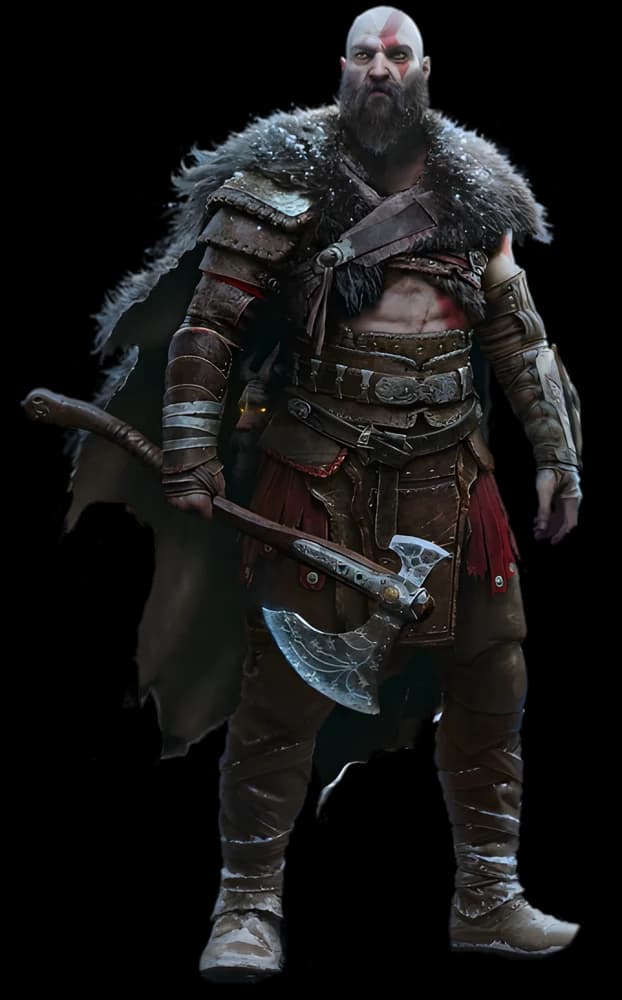
Kratos
Kratos was the demigod son of Zeus who rose from a Spartan general to the Greek God of War, destroyed the pantheon of Olympus in a quest for vengeance, and then began again in the Norse realms as a father seeking to leave his bloody past behind.
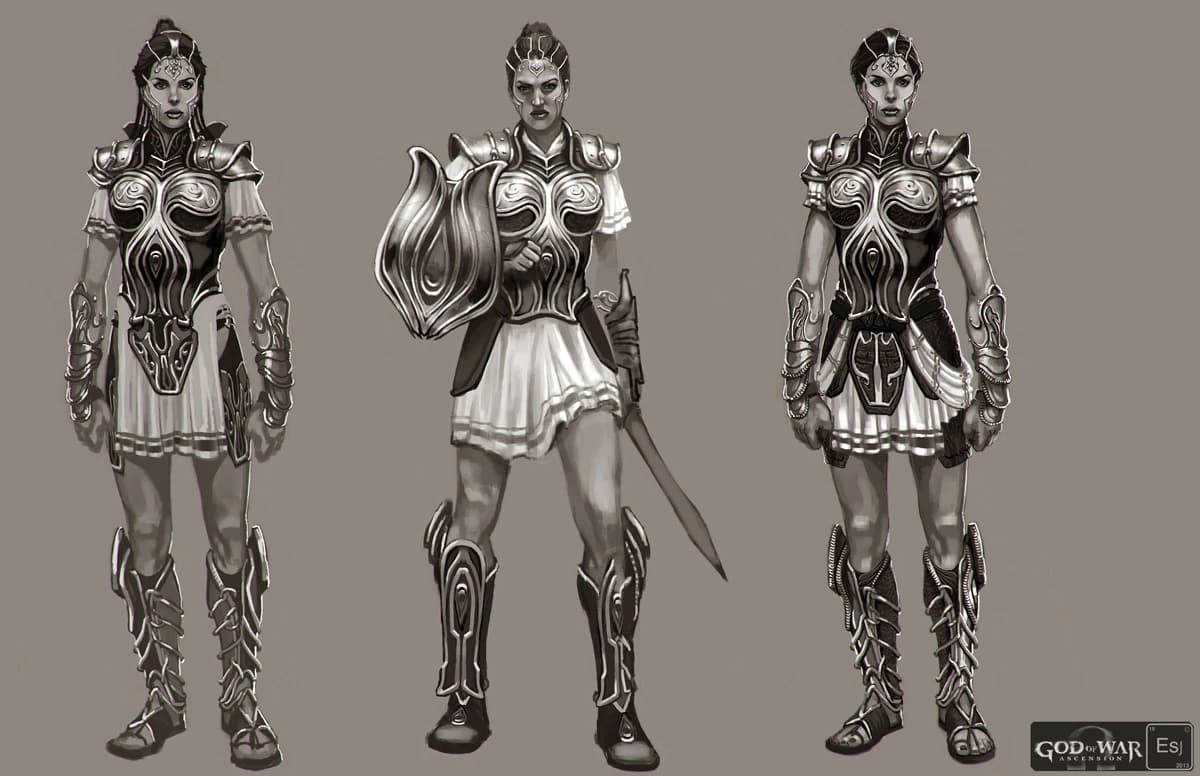
Athena: from Kratos' guide to his enemy
Athena set Kratos against Ares to save Athens, then turned on him when his reign grew worse. She died taking a blow meant for Zeus, and named Kratos his son.
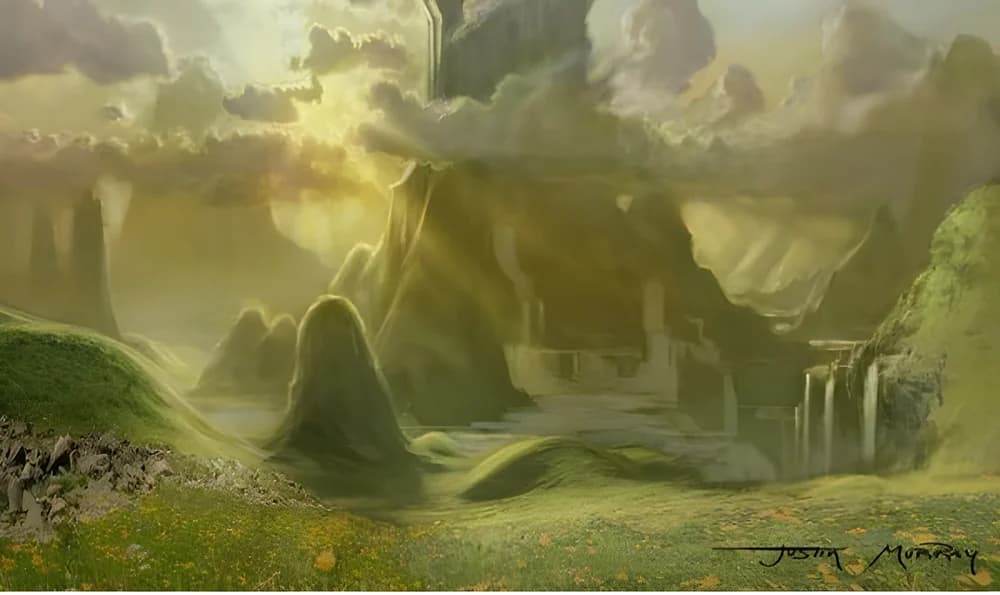
The Elysium Fields
The Elysium Fields were the part of the Underworld where the souls of the good and pure dwelt, a paradise that held the Pillar of the World. There Kratos was reunited with his daughter Calliope, and there he was forced to give her up again to stop Persephone.
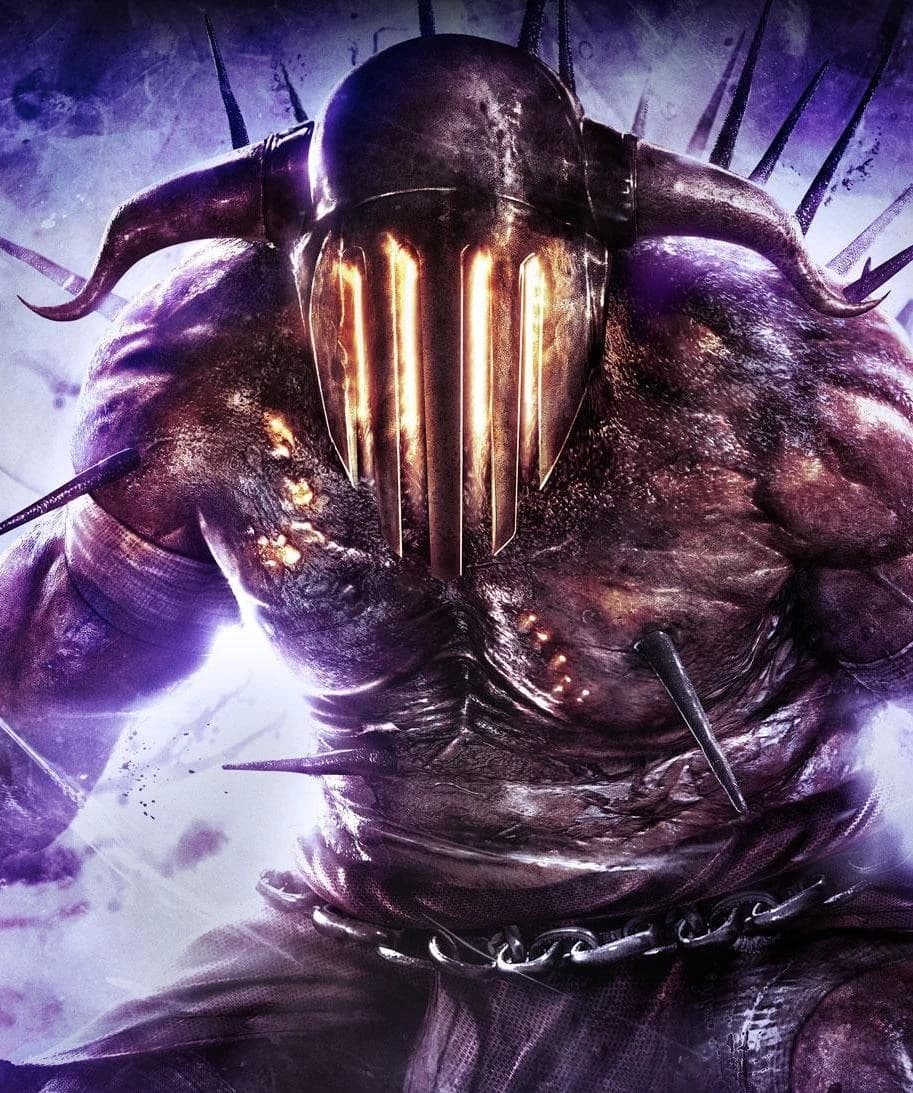
Hades: the god whose soul Kratos tore out
Eldest son of Cronos, Hades ruled the Underworld and held life and death in balance. Kratos turned the Claws of Hades on him and ripped his soul out.
Helheim: the frozen hell even Odin feared
Those who died of age, disease or crime were sent to Helheim, a dark and unyielding cold where no fire burned. Even Odin could not last there long.
Jotnar: the giants Odin nearly wiped out
The Jotnar were the oldest race of the Norse cosmos, gifted with precognition. Odin envied that gift, forged Mjolnir, and set Thor to exterminate them.
Mentioned in2 entries
Astral Form: the higher existence of the gods
The Astral Form was a rare state in which a god existed without a physical body, appearing as a higher, transcendent version of themselves. Only Athena and, briefly, Zeus ever achieved it, and each reached it by a different road, she through selfless sacrifice and he through the evil of Fear.
Spirit: the restless dead of the Nine Realms
Spirits were the souls of the dead who could not rest until a final favor was fulfilled on their behalf, and alone among the undead they remained passive and neutral toward the living. Most lingered around the Lake of Nine in Midgard, though others were found in Svartalfheim, while Vanaheim held their fragmented counterparts, the Spectres, who kept the shapes they had worn in life.
Get new articles in your inbox
No spam. New lore drops, canon conflicts, and deep dives only when they’re worth reading.
Some links on Lore Fortress are affiliate links. If you buy through them we earn a small commission at no extra cost to you.