Helheim: the frozen hell even Odin feared
Realm of the Dead
Those who died of age, disease or crime were sent to Helheim, a dark and unyielding cold where no fire burned. Even Odin could not last there long.
Helheim, also known as Hel, was one of the Nine Realms of the World Tree and the final destination of the dishonorable dead. Those who died of crime, disease, mishap, or age were forced to tread its icy lands, where no fire could live, tormented for eternity by visions of their past. A nightmarish place of intense darkness and permanent deep-freeze, its cold was so lethal that even Odin himself could not survive there for long. It ran from a path leading from Tyr's Temple to the Bridge of the Damned, beyond which no one could return, and it was ruled and watched over by the eagle Hraesvelgr. (God of War (2018); God of War Ragnarök)
A land of unyielding cold#
Helheim was locked in permanent deep-freeze, its skies dark and choked with an emerald fog and a constant wind known as the Winds of Hel. Its architecture was made of ebony black stone, much of it buried under ice, with bridges, gates, and metal statues depicting humans in states of lament. Despite the cold, non-frozen rivers flowed from the waterfalls near Tyr's Temple. The only plant known to grow there was Hel's Bramble, a black thorned vine susceptible only to the fire of the Blades of Chaos. It was overrun with savage undead, including Hel-Walkers, Travelers, and Revenants, making it a lawless and violent place. (God of War (2018); God of War Ragnarök)
The dead arrived as dark featureless silhouettes and had to pass through the Bridge of the Damned, guarded by the troll Mattugr Helson, the Bridge Keeper, whose task was to inspect each soul to confirm it was truly dead. Beyond the bridge, the residents were tormented by visions of their pasts shaped by the emerald fog. There rose the highest building in all of Helheim, where the silver eagle Hraesvelgr sat and watched over the land and its inhabitants. Said to have existed since the earliest frosts, it had known nine rulers, of whom Hraesvelgr had reigned the longest. (God of War (2018); God of War Ragnarök)
Kratos and the visions of the dead#
After Kratos beheaded Mimir, Mimir let slip that his soul had briefly entered Helheim before Freya restored him to life, and he dreaded the place ever after. To save his ailing son Atreus, Kratos journeyed into Helheim to retrieve the heart of Mattugr Helson, killing the troll with the Blades of Chaos. The mists then haunted him with a vision of his father, and the knowledge gained led Mimir to realize that Kratos was the Ghost of Sparta. Later, Kratos, Atreus, Mimir, and Baldur were thrown beyond the Bridge of the Damned by a sudden use of the Bifrost. There each was confronted by a vision of his past, and they learned that Freya was Baldur's mother and had stripped him of feeling to protect him. The group modified a docked ship to fly up a waterfall and escape back to Tyr's Temple, finding a hidden chamber of Odin containing the missing part of Tyr's Shrine. (God of War (2018))
Garm and the tears between realms#
In the second era, Odin sent Atreus, along with Thrud and Heimdall, into Helheim in search of a piece of the Mask of Creation. The mask's energy led them to a chamber guarded by the chained Hel's Hound Garm, a beast that Tyr had imprisoned there long ago to stop it from tearing holes between the realms. Believing the mask piece lay beyond, Atreus broke the chains, freeing Garm, who fled and began spreading chaos across the realms, only for the chamber to prove empty. Kratos and Atreus later returned to stop the beast. Discovering that Garm had no soul and so could not be killed, they stabbed it with a knife holding the soul of the deceased wolf Fenrir, reborn within Garm's body and seemingly taming it. Hraesvelgr then tasked them with closing the six tears Garm had torn, which they did across the realms. (God of War Ragnarök)
The Army of the Dead and the healing of Hel#
When Kratos and his allies resolved that instigating Ragnarok was the only way to end Odin's reign, they sought to recruit Helheim's Army of the Dead. Hildisvini negotiated with Hraesvelgr, bringing Mimir along in the belief that the ruler would be more willing to treat with one of the deceased. The two succeeded, and Hel's army served as the vanguard against Asgard, on the condition that a successor be found, since Hraesvelgr wished to retire. Following Odin's death and the destruction of Asgard, the realms slowly began to heal, Helheim among them, with its gates opened to let the dead pass through unhindered and the number of Hel-Walkers in Midgard declining greatly. (God of War Ragnarök)
Frequently asked questions
- What is Helheim in God of War?
- Helheim, also known as Hel, was one of the Nine Realms of the World Tree and the final destination of the dishonorable dead. Those who died of crime, disease, mishap, or age were forced to tread its icy lands, tormented for eternity by visions of their past.
- Who rules Helheim?
- Helheim was ruled and watched over by the eagle Hraesvelgr, also called Hel, its ninth and longest-reigning ruler. He sat in the highest building in the realm and watched over its inhabitants.
- Why did Kratos go to Helheim?
- To save his ailing son Atreus, Kratos journeyed into Helheim to retrieve the heart of Mattugr Helson, killing the troll Bridge Keeper with the Blades of Chaos. The mists then haunted him with a vision of his father, and the knowledge gained led Mimir to realize Kratos was the Ghost of Sparta.
- What happened with the wolf Garm in Helheim?
- Atreus broke the chains binding the Hel's Hound Garm, a beast Tyr had imprisoned to stop it from tearing holes between the realms, and Garm fled and spread chaos. Kratos and Atreus later subdued it by stabbing it with a knife holding the soul of the deceased wolf Fenrir, seemingly taming it.
- What happened to Helheim after Ragnarok?
- Following Odin's death and the destruction of Asgard, the realms slowly began to heal, Helheim among them. Its gates were opened to let the dead pass through unhindered, and the number of Hel-Walkers in Midgard declined greatly.
Gallery
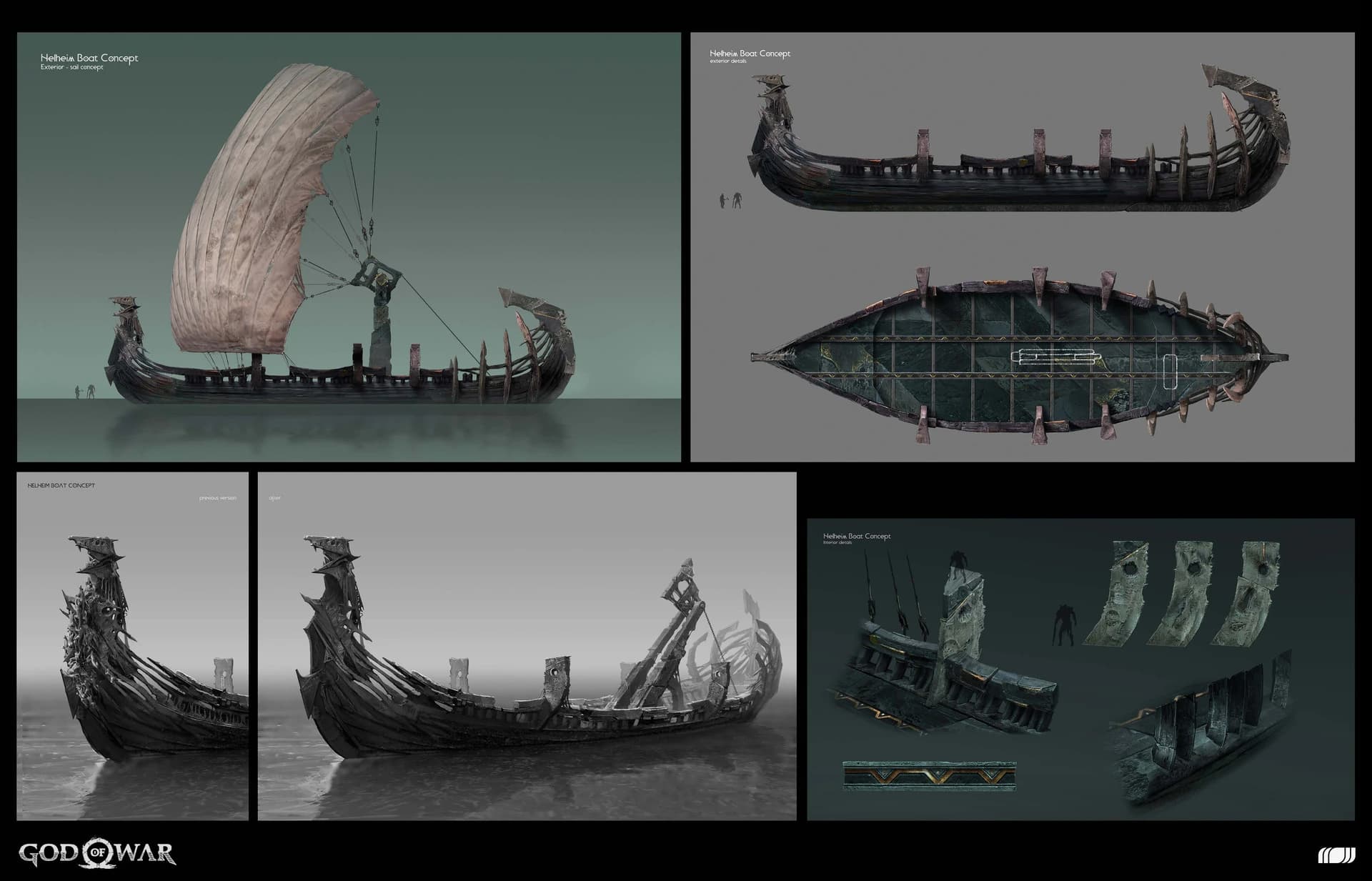
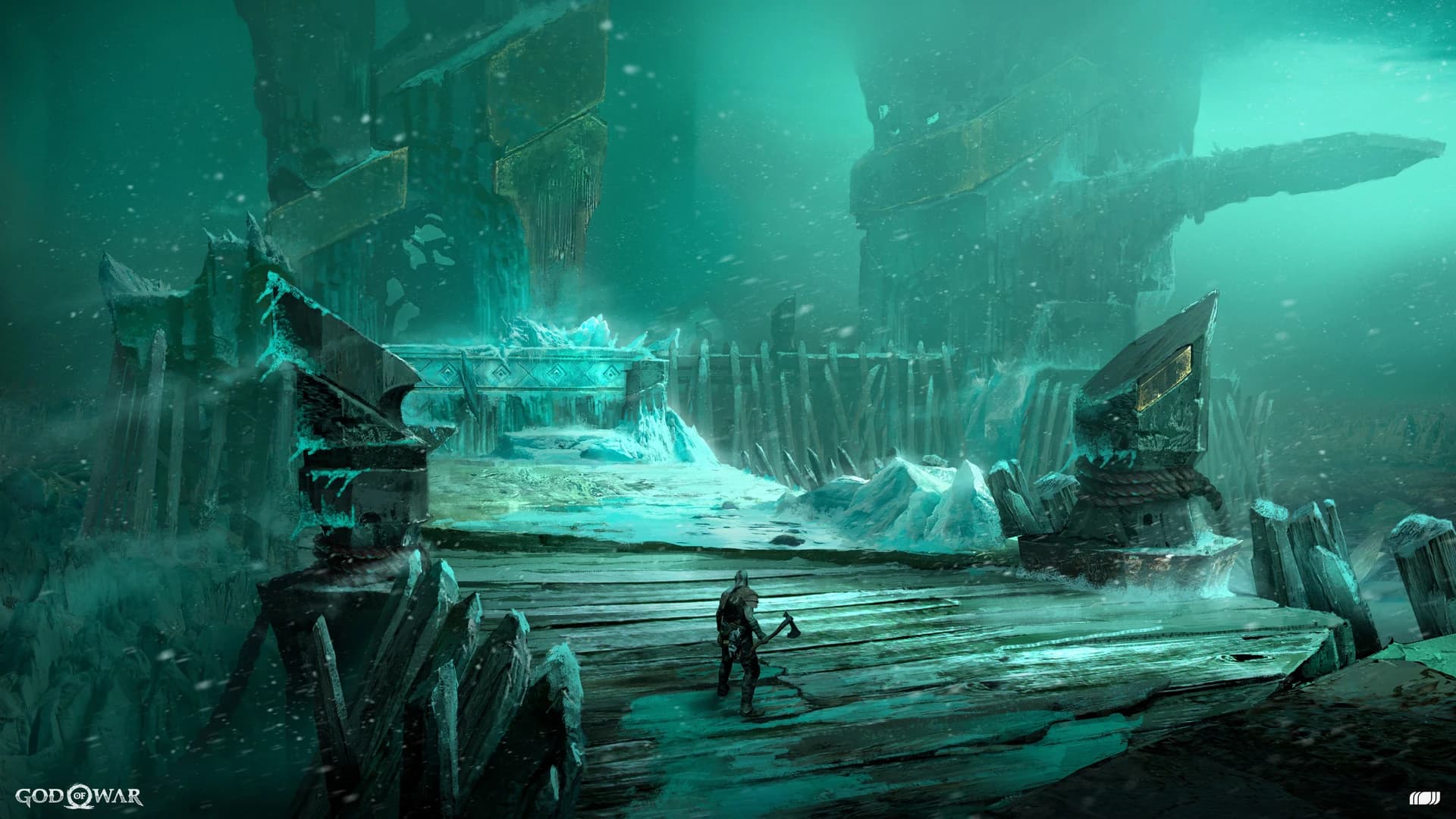
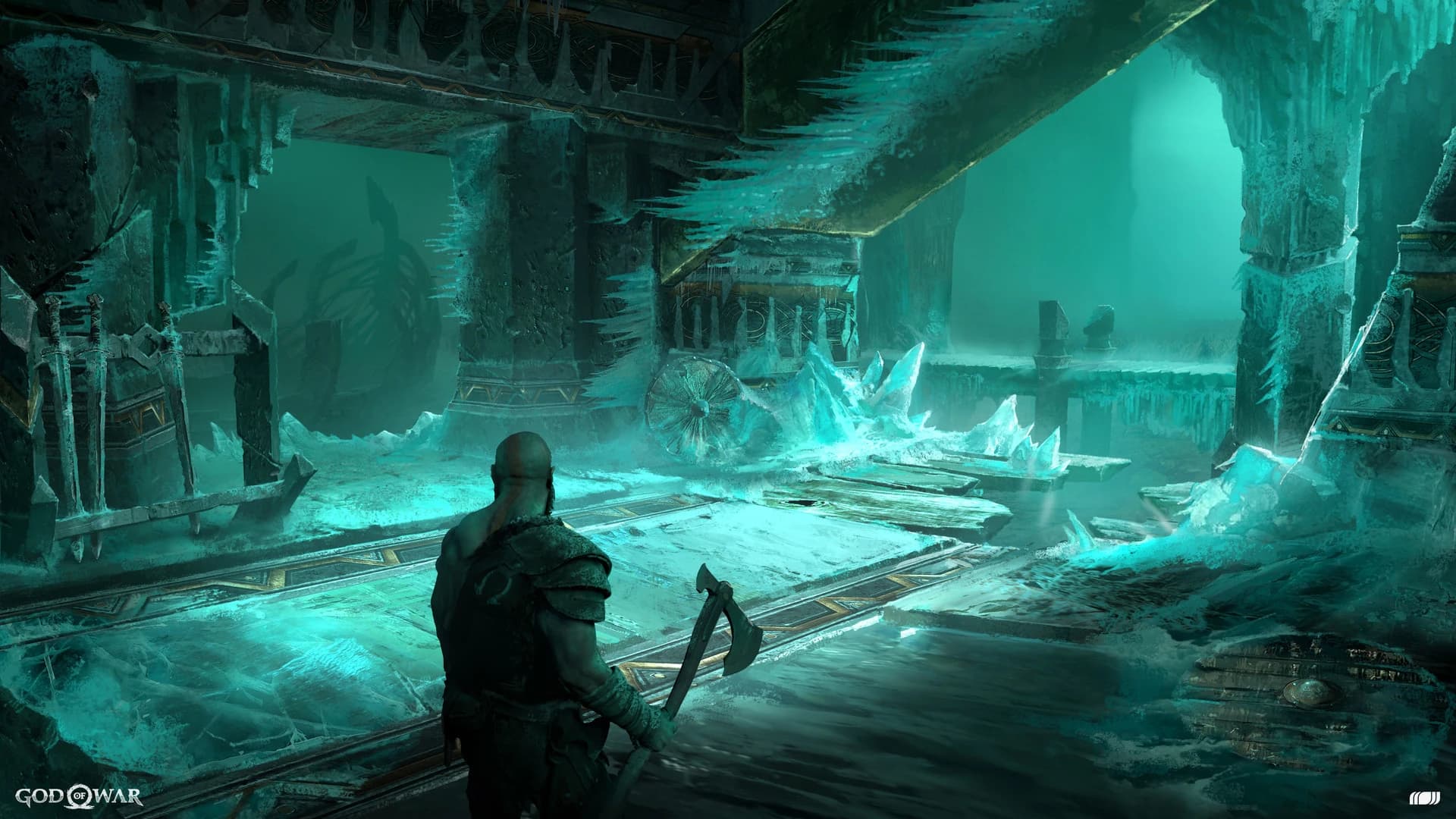
Images via God of War Wiki
Sources
- GameGod of War (2018), Santa Monica Studio, 2018
- GameGod of War Ragnarök, Santa Monica Studio, 2022
Spotted a factual error or a primary source we missed? Email a correction. Every flagged claim gets reviewed.
Followed from this entry
Asgard
Asgard was the realm of the Aesir gods, perched in the crown of Yggdrasil and ruled by Odin from the hall of Gladsheim. Behind the great wall of Hrimthur it stood as a fortress against the prophesied doom of Ragnarok, until Kratos breached it and the realm fell.
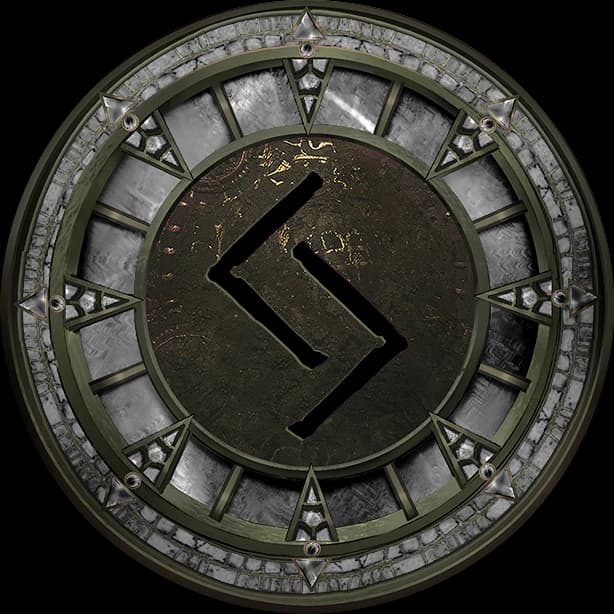
Midgard: Kratos' home, shaped from Ymir
Odin shaped Midgard from the body of the giant Ymir. Kratos settled there after leaving Greece, and Fimbulwinter later froze the Lake of Nine.
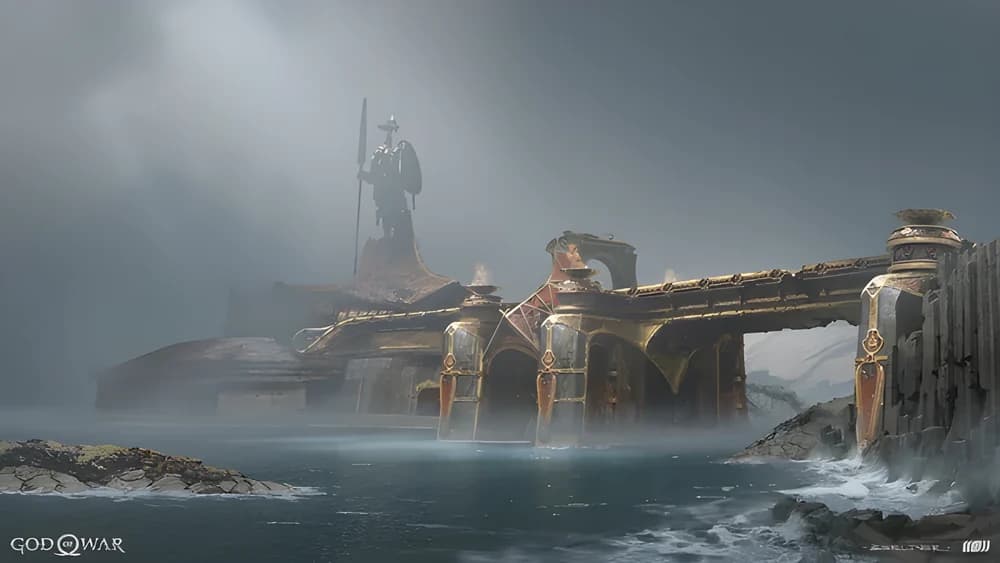
Tyr's Temple: the gate between realms
Tyr's Temple was a magnificent temple in Midgard dedicated to the Aesir God of War, built by all the races of the Nine Realms to allow travel between them. Hidden beneath the Lake of Nine, it was revealed by the stirring of the serpent.
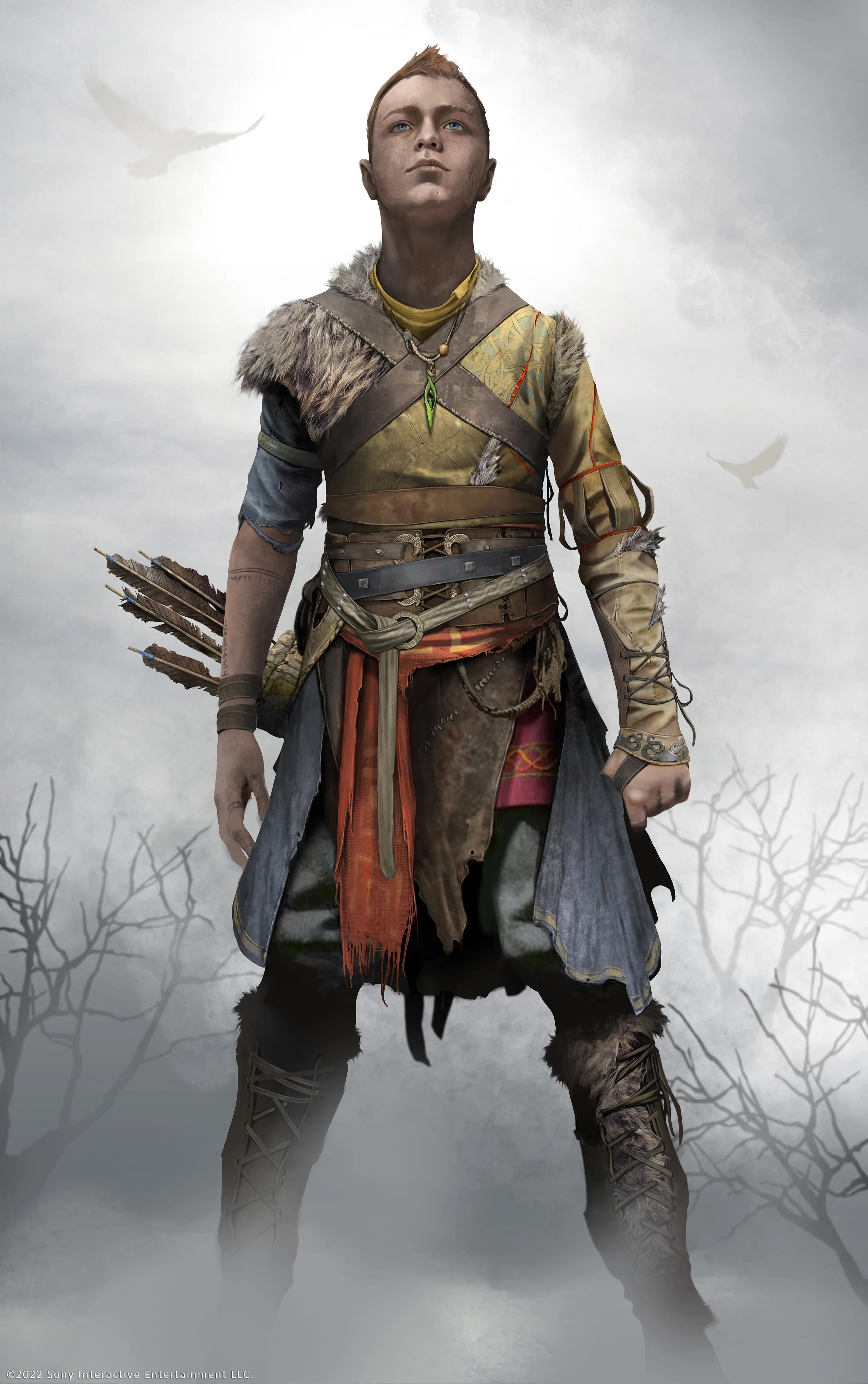
Atreus (Loki): Kratos's Son and the Truth of His Name
Atreus was the son of Kratos and the Jotunn Faye, born in Midgard and given the hidden name Loki. Across two great journeys he grew from a sickly boy into the prophesied champion of the Giants, the god of mischief whose fate was bound to Ragnarok.
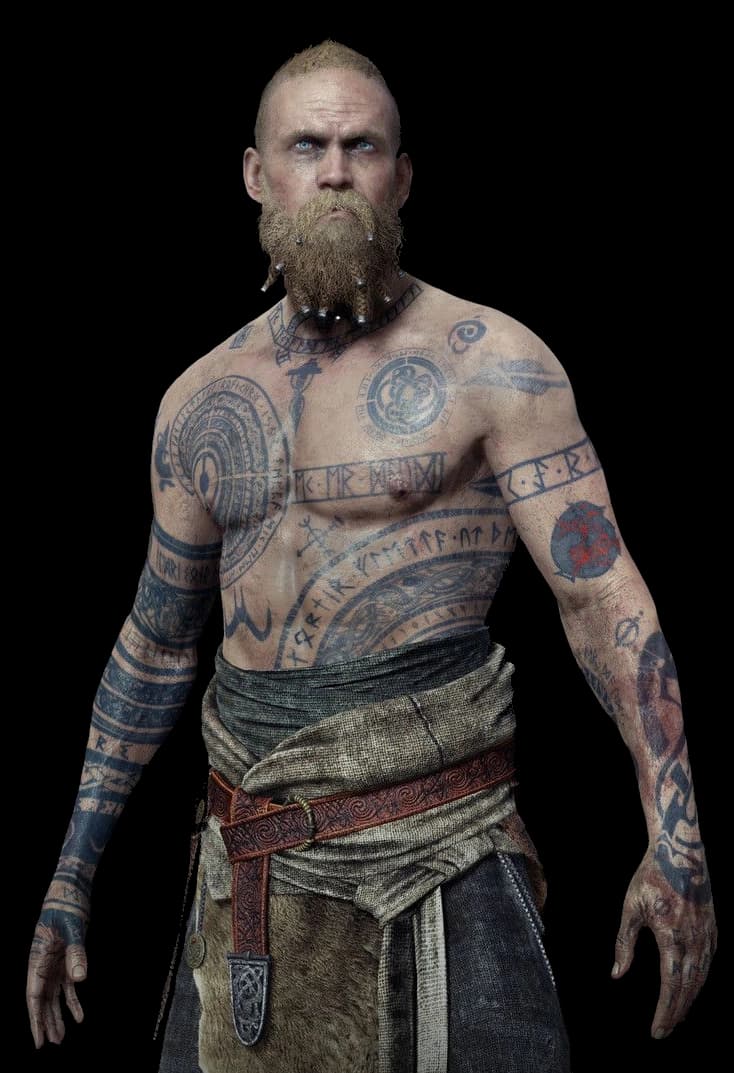
Baldur: the god who could feel nothing
Freya's spell made Baldur invulnerable but stripped every sensation from him, and a century of numbness drove him mad. Kratos killed him beside Thamur's corpse.
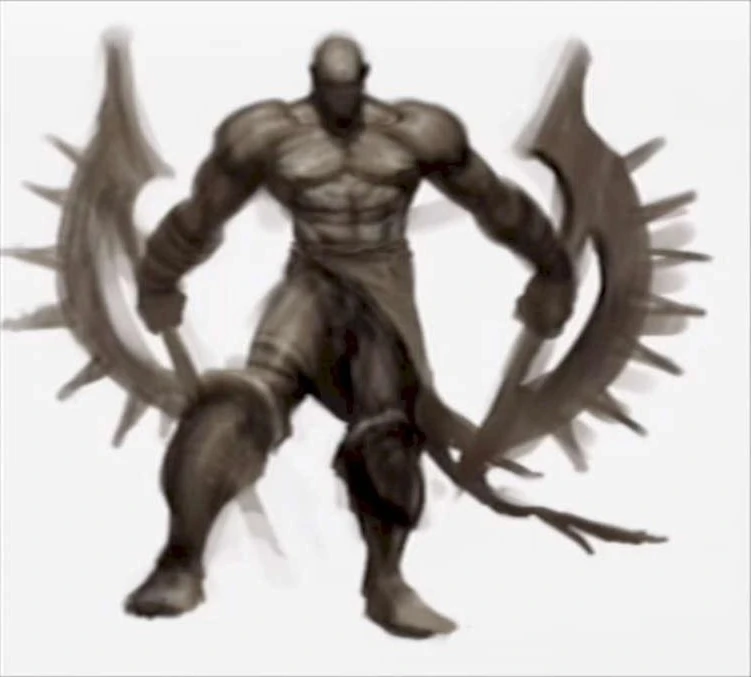
Blades of Chaos: chained to Kratos' arms
The Blades of Chaos were forged in the Underworld for Ares, who seared their chains onto Kratos' forearms. They burn with the fire of Tartarus.
Mentioned in55 entries
Aesir Royal Family: the Ruling Dynasty of Asgard
The Aesir Royal Family was the ruling dynasty of gods who reigned from Asgard over the Nine Realms. Descended from the first god Buri and led by Odin the Allfather, the line counted Odin's brothers Vili and Ve and his sons Thor, Tyr, Heimdall, and Baldur among its most prominent members.
Asgard
Asgard was the realm of the Aesir gods, perched in the crown of Yggdrasil and ruled by Odin from the hall of Gladsheim. Behind the great wall of Hrimthur it stood as a fortress against the prophesied doom of Ragnarok, until Kratos breached it and the realm fell.
Astral Form: the higher existence of the gods
The Astral Form was a rare state in which a god existed without a physical body, appearing as a higher, transcendent version of themselves. Only Athena and, briefly, Zeus ever achieved it, and each reached it by a different road, she through selfless sacrifice and he through the evil of Fear.
Aurvangar Wetlands: gateway swamps of Svartalfheim
The Aurvangar Wetlands were the warm, geyser dotted swamps at the southern entrance of Svartalfheim, the main waterway to the Dwarven city of Nidavellir. Abandoned by the Dwarves and infested with Grim and Wretches, they were the first ground Kratos and Atreus walked in the Dwarven domain during their search for Tyr.
Baldur: the god who could feel nothing
Freya's spell made Baldur invulnerable but stripped every sensation from him, and a century of numbness drove him mad. Kratos killed him beside Thamur's corpse.
Baldur's Curse: the spell of invulnerability
Baldur's curse was a spell of protection that Freya wove around her son to cheat a prophecy of his pointless death. It made Baldur impervious to every wound, whether dealt by weapon or sorcery, but it stripped him of all physical sensation, drove him into madness, and left mistletoe as its single fatal flaw.
Blades of Chaos: chained to Kratos' arms
The Blades of Chaos were forged in the Underworld for Ares, who seared their chains onto Kratos' forearms. They burn with the fire of Tartarus.
Brok: the Huldra brother Odin murdered
Brok forged Mjolnir and the Leviathan Axe with his brother Sindri. Killed once and revived with an incomplete soul, he was stabbed by Odin disguised as Tyr.
Council of Valkyries: The Hidden Throne Circle of Midgard
The Council of Valkyries, known in the old tongue as the Rocstoll aff Valkyrs, was a secluded council chamber in Midgard where the Valkyries met in private, away from the eyes of Odin. Left ruined and abandoned after the All Father cursed the sisterhood, it became the place where Kratos and Atreus summoned and slew Queen Sigrun, and later the campsite from which a vengeful Freya hunted them through Fimbulwinter.
Draugr
The Draugr were undead warriors who died in battle yet refused the Valkyries' call to Valhalla, condemned to roam the Nine Realms as raging husks of their former selves. They were among the most common dangers Kratos and Atreus faced in the Norse lands.
Fenrir: the wolf whose soul Atreus carried in his knife
Fenrir was the old wolf Kratos and Atreus kept during Fimbulwinter. He died in Atreus' lap, his soul drawn into the boy's knife, and that knife later put him in the body of the Hel-hound Garm, reborn as a giant wolf who tore rifts between realms and fought at Ragnarök.
Fimbulwinter: the three-year winter
Fimbulwinter was the three-year winter that began with Baldur's death and ended with Ragnarok. Being magical, it weakened curses across the Nine Realms.
+ 43 more
Get new articles in your inbox
No spam. New lore drops, canon conflicts, and deep dives only when they’re worth reading.
Some links on Lore Fortress are affiliate links. If you buy through them we earn a small commission at no extra cost to you.