Blades of Chaos: chained to Kratos' arms
the chained blades of the Ghost of Sparta
The Blades of Chaos were forged in the Underworld for Ares, who seared their chains onto Kratos' forearms. They burn with the fire of Tartarus.
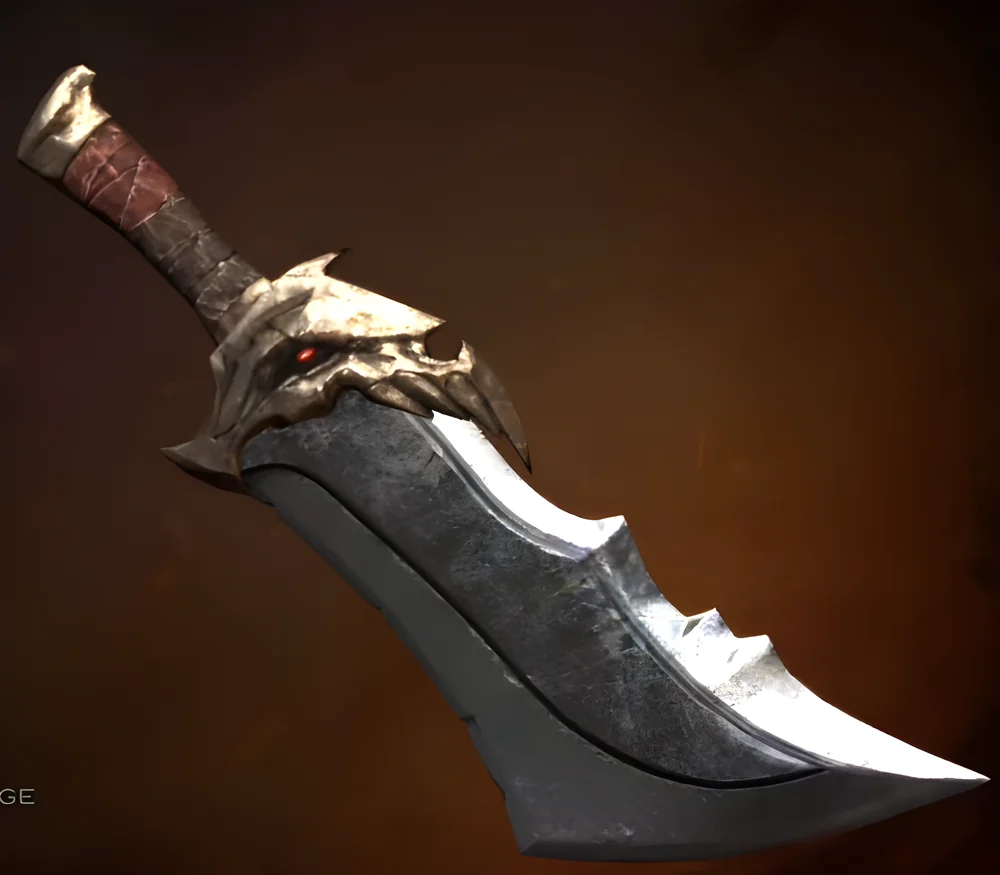
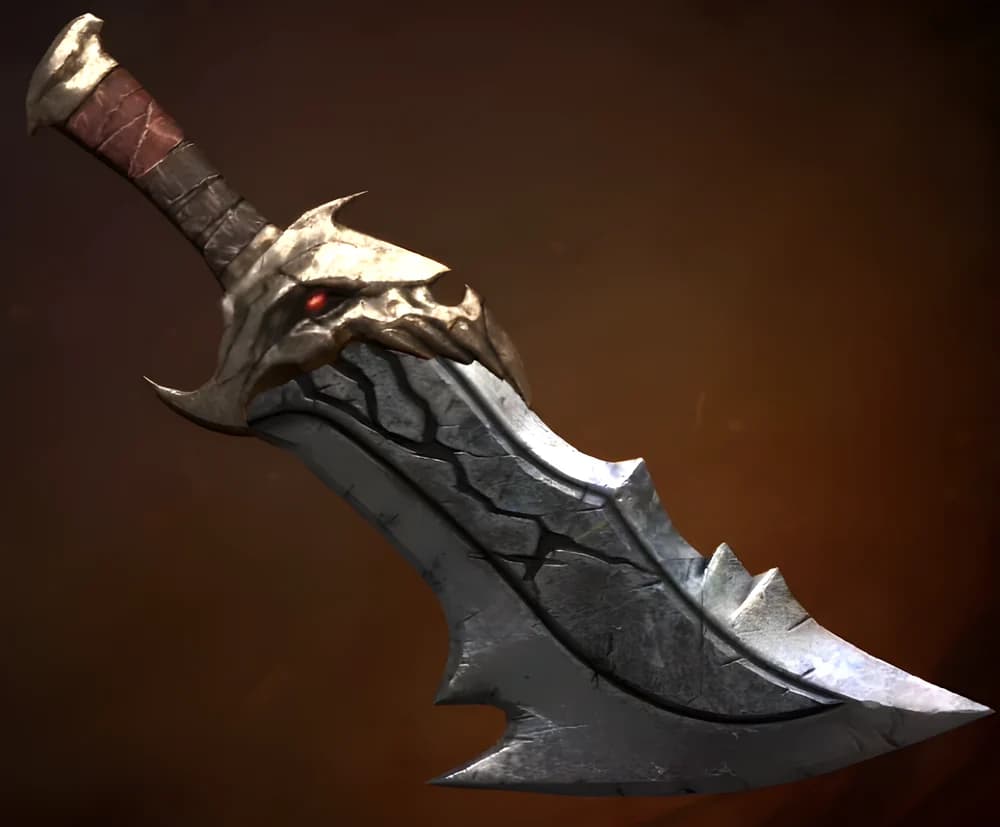
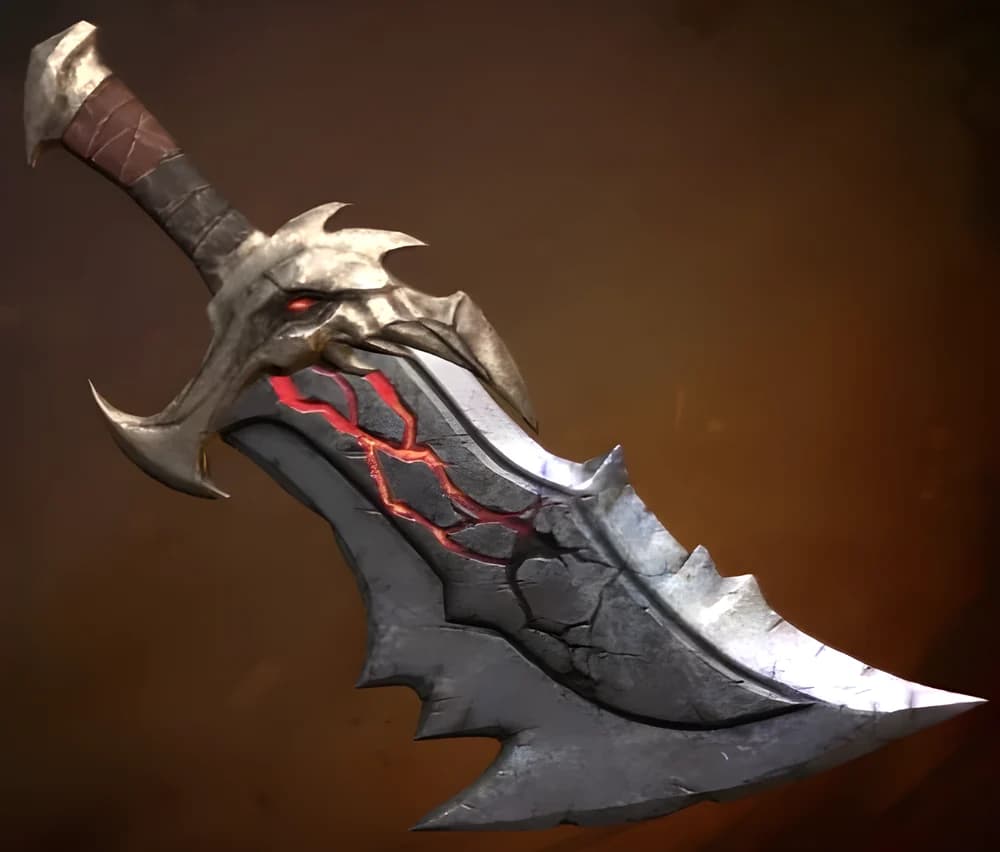
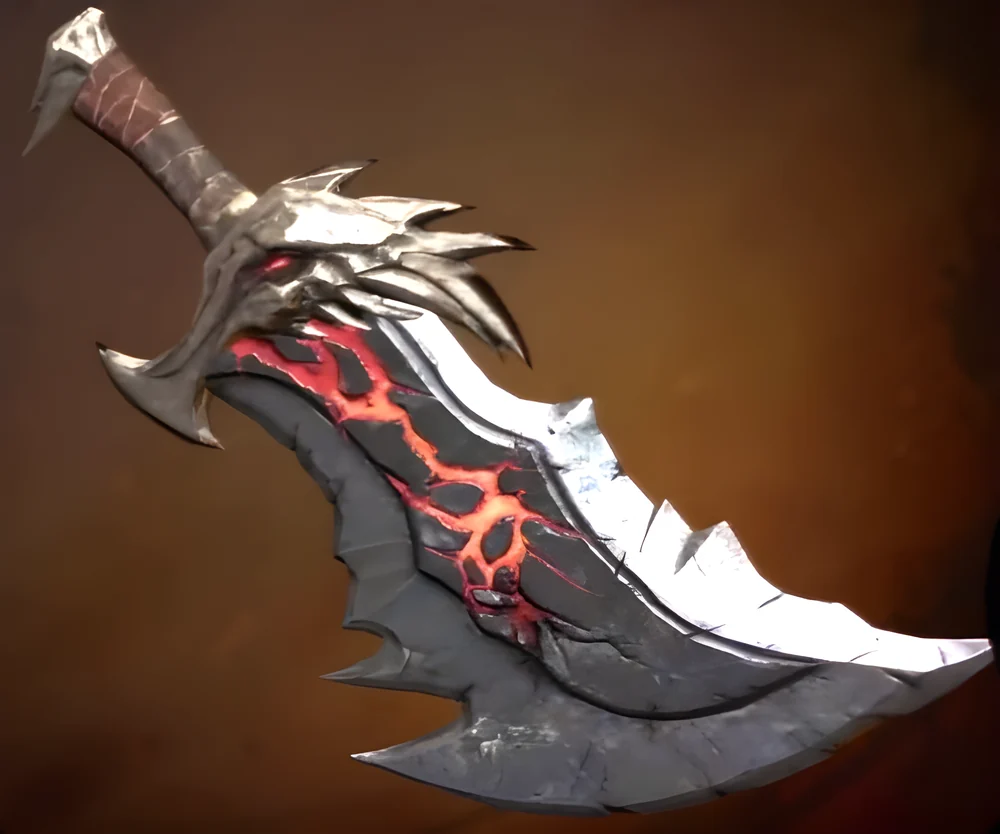
The Blades of Chaos were the signature weapons carried by Kratos through the Greek era of his life. Forged in the depths of the Underworld, by the smith god Hephaestus according to the novelisation, and bestowed upon Kratos by Ares, the twin blades were bound by their chains to the flesh of his arms. Widely feared throughout Greece, they came to embody what Kratos had become during the darkest period of his life: the monster who killed his own family in a god-driven frenzy and earned the name Ghost of Sparta. The blades drew their power from primordial Chaos and burned with the fire of Tartarus. (God of War (2005); God of War: Ascension; God of War (novel))
Forging and the marked warrior#
The Blades of Chaos were commissioned by Ares and forged in the darkest depths of the Underworld; the novelisation of the first game names Hephaestus as their smith. Ares, who was plotting against his father Zeus, wanted a warrior bound to his purpose. The twin blades were imbued with the primordial fire of Tartarus, and their power was linked to Chaos itself, which made them indestructible. The chains attached to their pommels could stretch out with each strike, allowing fluid, sweeping attacks no matter who held them. Beyond their own fire, the blades could channel other divine energies, such as the fire of Ares, the ice of Poseidon, the lightning of Zeus and the souls of Hades. (God of War (2005); God of War: Ascension; God of War (novel))
Bound to Kratos#
After Kratos pledged his life to the God of War on the brink of defeat against the Barbarian horde, Ares had his Harpies fetch the Blades of Chaos and bestowed them on the Spartan. The chains were seared permanently onto Kratos' forearms, a lasting mark of his oath that could only be removed by the God of War himself or when his servitude ended. With the new weapons Kratos slew the Barbarian King Alrik in single combat. The blades fed his rage and bloodlust for years, drawing the life-force from his many victims to heal his wounds and feed his strength, though each slaughter left his mind in unrest. (God of War (2005); God of War: Ascension)
The slaughter of his family#
In a plot to bind his servant to him forever through a blood-oath devised with the aid of the Furies, Ares turned Kratos' brutality against his own wife Lysandra and daughter Calliope. Driven into a god-induced frenzy, the Spartan unknowingly killed his family. Shattered by shame and loss, Kratos swore that Ares would pay with his life and broke his oath, though the chains remained seared to his flesh. When the Furies later captured and tortured him in the Prison of the Damned, he broke free and hunted them down, the Queen Alecto and her sister Megaera both falling to the Blades of Chaos. (God of War (2005); God of War: Ascension)
In the service of Olympus#
Kratos pledged himself to the gods of Olympus as their servant, hoping to atone and rid himself of the visions that plagued him. For ten years the Blades of Chaos served him through his quests, including his quest to rescue the sun god Helios from the titan Atlas. He valued the blades for their ability to heal his wounds by draining the life of his foes and bystanders alike, and considered them the only gift from Ares he still appreciated, intending to use the War God's own weapon to slay him. (God of War (2005); God of War: Chains of Olympus)
His final task in Greece sent him against Ares himself, who had attacked the city of Athens. After slaying the Hydra and fighting through the besieged city, Kratos beheaded Medusa, conquered the Temple of Pandora, and confronted his former master. During the battle Ares ripped the blades from Kratos' arms and turned them against him, but the gods granted Kratos the Blade of the Gods, with which he slew Ares. Athena then made Kratos the new God of War and rewarded him with the Blades of Athena, more powerful weapons fit for an Olympian. (God of War (2005))
Retirement and return#
As God of War, Kratos set the Blades of Chaos aside and fought with the Blades of Athena instead. Yet the cursed blades proved impossible to be rid of. After the destruction of Olympus they kept coming back to him; in the Fallen God comic, when he tries to sink them in the sea, the sea throws them back and wrecks his boat, and he washes ashore with the blades beside him. He finally wrapped them in a red cloth and hid them beneath the floorboards of his cabin in the Wildwoods of Midgard. (God of War II; God of War: Fallen God; God of War (2018))
When his son Atreus fell ill, Kratos learned that the cure lay in Helheim, where the cold rendered the frost of his Leviathan Axe useless. He retrieved the blades and grimly rebound their chains to his arms. Their fire proved able to burn even in the ancient land of the dead, the first known flame to do so there. Restored progressively by Brok and Sindri with Chaos Flames, the cracked Greek blades took on a refined Nordic style, gaining glyphs and a serpent motif. (God of War (2018))
Fimbulwinter and Ragnarok#
After completing his quest with Atreus, Kratos again set the blades aside and relied on the Leviathan Axe for three years. By the time Ragnarok began, the magic-weakening Fimbulwinter had reverted the blades to their cracked, rusted state, until Brok, Sindri, and later Lunda restored them once more with Chaos Flames. When Surtr sensed the primordial fire within the blades, he used them to transfer their flame and the spark of the world into the heart of his beloved Sinmara within his own body, becoming Ragnarok itself. Asked by Atreus why he kept weapons he seemed to hate, Kratos answered that even hateful things could be useful. (God of War Ragnarök)
Frequently asked questions
- What are the Blades of Chaos?
- The Blades of Chaos were a pair of fire-imbued chained blades, forged in the Underworld and commissioned by Ares. They became the signature weapons Kratos carried through the Greek era of his life and were widely feared throughout Greece.
- Who forged the Blades of Chaos and why?
- Ares commissioned them, and they were forged in the depths of the Underworld; the novelisation of the first game names Hephaestus as the smith. Ares, who was plotting against his father Zeus, wanted a warrior bound to his purpose.
- How did Kratos come to wield the Blades of Chaos?
- After Kratos pledged his life to Ares on the brink of defeat against the Barbarian horde, Ares had his Harpies fetch the blades and bestowed them on him. The chains were seared permanently onto Kratos' forearms, a mark of his oath that could only be removed by the God of War or when his servitude ended.
- Why are the Blades of Chaos tied to the death of Kratos' family?
- In a plot devised with the Furies to bind his servant to him forever, Ares turned Kratos' brutality against his wife Lysandra and daughter Calliope. Driven into a god-induced frenzy, Kratos unknowingly killed them with the blades, then swore Ares would pay with his life and broke his oath.
- What happened to the Blades of Chaos in the Norse realms?
- When Atreus fell ill and the cure lay in Helheim, Kratos retrieved the blades because their fire could burn where the frost of his Leviathan Axe was useless. Restored by Brok and Sindri with Chaos Flames, the blades later helped forge Ragnarok and were wielded once more against Thor.
Gallery
Images via God of War Wiki
Sources
- GameGod of War (2005), Santa Monica Studio, 2005
- GameGod of War: Chains of Olympus, Ready at Dawn, 2008
- GameGod of War II, Santa Monica Studio, 2007
- GameGod of War: Ascension, Santa Monica Studio, 2013
- BookGod of War (novel), Matthew Stover and Robert E. Vardeman, Del Rey, 2010
- ComicGod of War: Fallen God, Chris Roberson and Tony Parker, Dark Horse Comics, 2021
- GameGod of War (2018), Santa Monica Studio, 2018
- GameGod of War Ragnarök, Santa Monica Studio, 2022
Spotted a factual error or a primary source we missed? Email a correction. Every flagged claim gets reviewed.
Followed from this entry
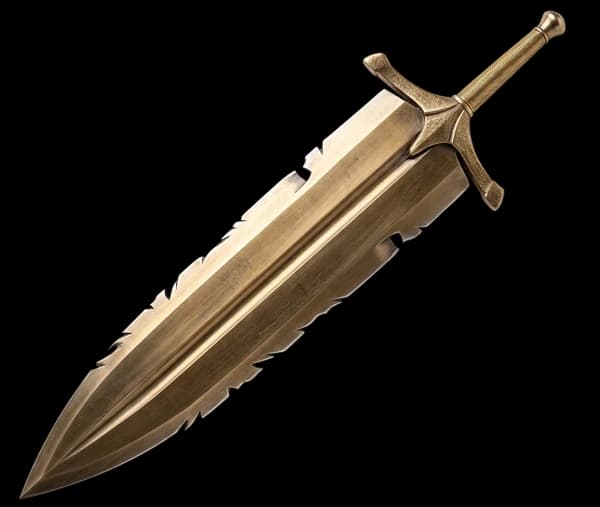
Blade of the Gods
The Blade of the Gods was a colossal sword forged by the gods, set into the ground outside Athens as a footbridge to a great statue of Athena. Grown to the size of a god, Kratos wrenched it free and used it to kill Ares, claiming the mantle of God of War for himself.
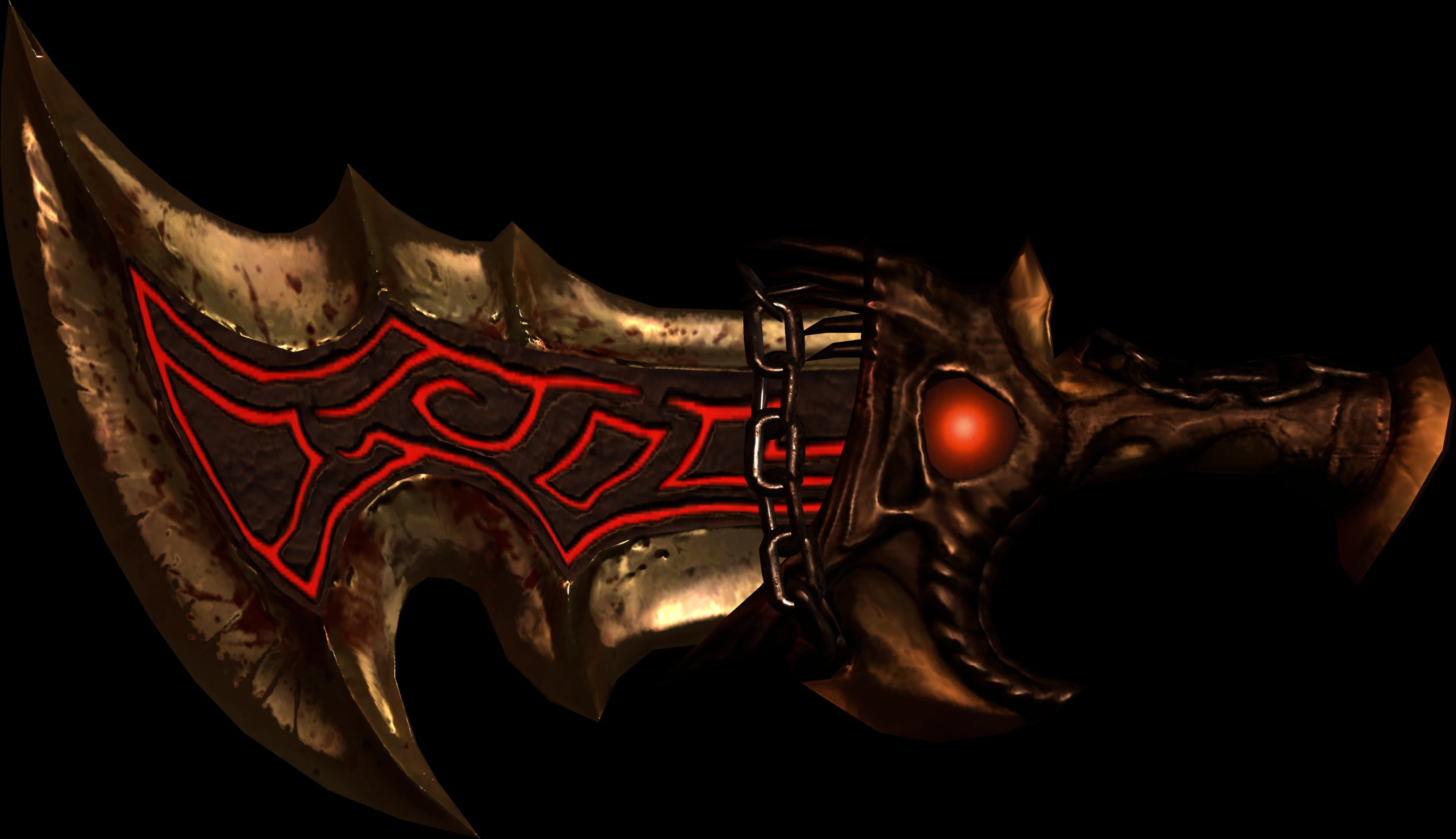
Blades of Athena
The Blades of Athena were the chained blades the goddess Athena bestowed upon Kratos when he became the God of War. They served as his primary weapons during and after his reign on Olympus, until they were ruined in the River Styx and reforged into the Blades of Exile.
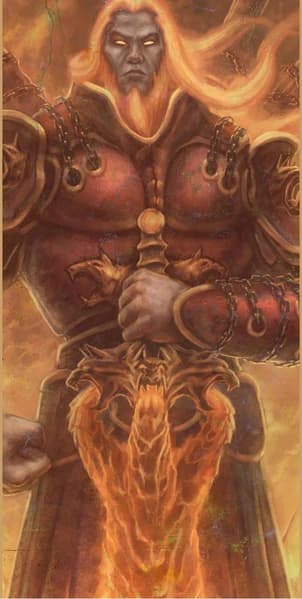
God of War: the divine title
The God of War was a title held by a deity unmatched in battle, wielding peerless combat skill and brutal godly power. It passed from Ares to Kratos in the Greek age, while the Norse realms knew their own God of War in Tyr.
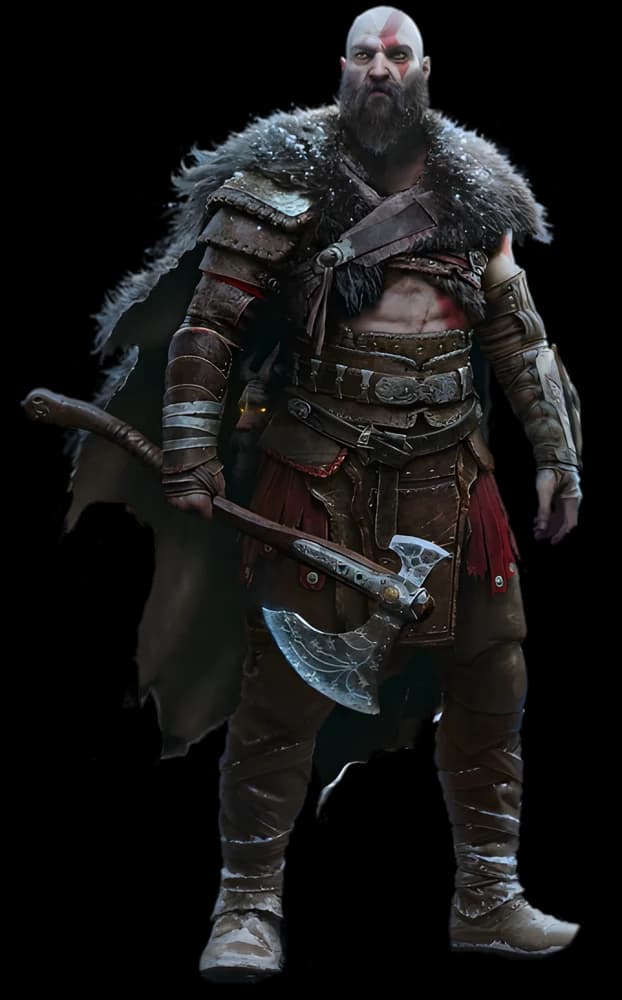
Kratos
Kratos was the demigod son of Zeus who rose from a Spartan general to the Greek God of War, destroyed the pantheon of Olympus in a quest for vengeance, and then began again in the Norse realms as a father seeking to leave his bloody past behind.
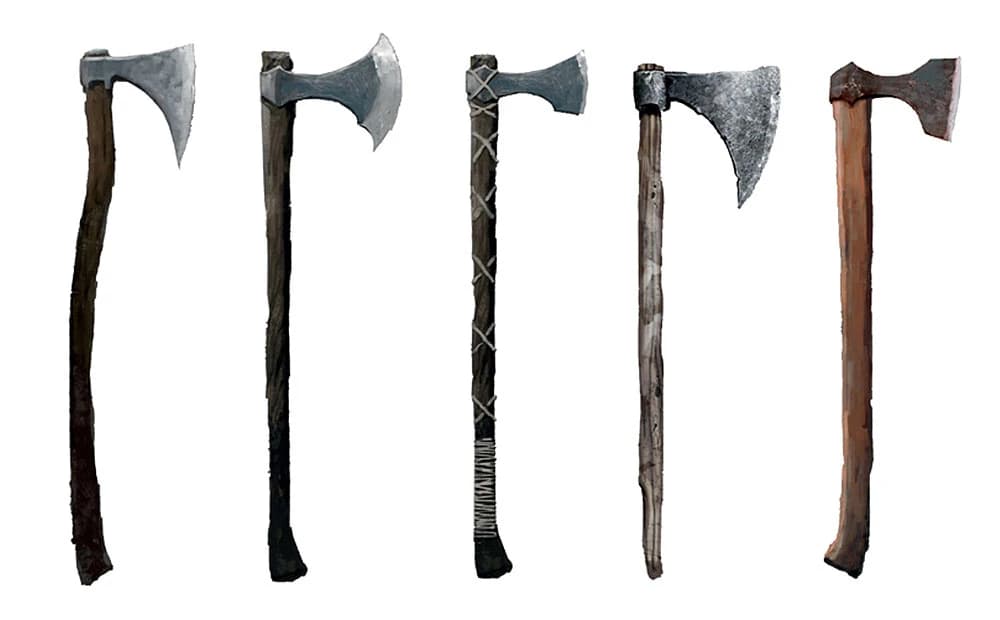
Leviathan Axe: the frost axe made to answer Mjolnir
Brok and Sindri forged the Leviathan Axe to answer Mjolnir, the hammer they had made for Thor. Laufey carried it first and left it to Kratos. It returns to his hand from any distance, but its frost cannot harm the dead of Helheim.

God of War Weapons List: the Name of Every Weapon Kratos Has Used
Kratos has carried two dozen weapons across two lifetimes, from a Spartan spear to a spear built from a ring that copies itself. This list runs through them in the order he got them, Greek era first, then Norse.
Mentioned in43 entries
Aesir Prison Wreckage: Odin's fallen prison in Niflheim
The Aesir Prison Wreckage was a region of Niflheim formed after Ragnarok, when an entire prison of Asgard crashed whole into the ice east of the Raven Tree. Within its cells Kratos and Freya found the true Tyr, whom Odin had hidden away, along with the tuning fork Sindri used to trigger Hrimthur's Flaw.
Alecto
Alecto was the Queen of the Furies and the Goddess of Anger, the sister who ruled the trio that hunted Kratos. She mated with Ares to bear the disowned Orkos, ensnared her victims in illusion and black goo, and transformed into a monstrous sea creature before falling to the Spartan's blades.
Alrik
Alrik, the Barbarian King, was the leader of the Barbarian horde from the east and one of Kratos' oldest enemies. His assault drove Kratos to pledge his soul to Ares, beginning the Spartan's tragedy, and his hatred outlasted even death.
Ancient Egypt
Ancient Egypt was a distant southern land, home to the Egyptian gods and to a civilization both old and advanced. Known as the River Empire and the Land of the Pharaoh, it touched the saga of Kratos from the wars of Greece to the treasures of the Norse realms.
Ares: the god who made Kratos a killer
Ares tricked Kratos into slaughtering his own wife and daughter to bind him as a weapon. Kratos killed him at Athens and took his place as God of War.
Astral Form: the higher existence of the gods
The Astral Form was a rare state in which a god existed without a physical body, appearing as a higher, transcendent version of themselves. Only Athena and, briefly, Zeus ever achieved it, and each reached it by a different road, she through selfless sacrifice and he through the evil of Fear.
Athena: from Kratos' guide to his enemy
Athena set Kratos against Ares to save Athens, then turned on him when his reign grew worse. She died taking a blow meant for Zeus, and named Kratos his son.
Blade of the Gods
The Blade of the Gods was a colossal sword forged by the gods, set into the ground outside Athens as a footbridge to a great statue of Athena. Grown to the size of a god, Kratos wrenched it free and used it to kill Ares, claiming the mantle of God of War for himself.
Blades of Athena
The Blades of Athena were the chained blades the goddess Athena bestowed upon Kratos when he became the God of War. They served as his primary weapons during and after his reign on Olympus, until they were ruined in the River Styx and reforged into the Blades of Exile.
Brok: the Huldra brother Odin murdered
Brok forged Mjolnir and the Leviathan Axe with his brother Sindri. Killed once and revived with an incomplete soul, he was stabbed by Odin disguised as Tyr.
Calliope
Calliope was the beloved daughter of Kratos and Lysandra, a gentle and innocent child of Sparta. Killed by her father during a frenzy contrived by Ares, she found rest in the Elysium Fields, only for Kratos to be forced to abandon her there to save the world.
Desert of Lost Souls: the wasteland east of Athens
The Desert of Lost Souls was a vast, monster haunted desert far to the east of Athens, the place where Zeus condemned the Titan Cronos to wander with Pandora's Temple chained to his back. Kratos crossed its sands in his quest for Pandora's Box, and there Ares struck him down with a pillar hurled from the ruins of Athens.
+ 31 more
Get new articles in your inbox
No spam. New lore drops, canon conflicts, and deep dives only when they’re worth reading.
Some links on Lore Fortress are affiliate links. If you buy through them we earn a small commission at no extra cost to you.