Harpies
Winged Servants of the Greek Gods
Harpies were monstrous winged creatures of the Greek world, part woman and part bird or bat, that hunted in flocks across Greece and the Underworld. They served the God of War Ares and were the beasts that first carried the Blades of Chaos to Kratos.
Harpies were a common breed of monster in the Greek world, beasts with the heads of hideous, deformed women set upon the bodies of bats or birds. They haunted the open country of Greece and the depths of the Underworld alike, and they crossed the path of Kratos again and again across his long war against the Gods. They were counted among the servants of Ares, and it was a pair of Harpies that first carried the Blades of Chaos to the Spartan. (God of War (2005); God of War: Chains of Olympus; God of War II; God of War III)
Nature and habits#
Harpies were monsters with the heads of hideous, deformed women and the bodies of either bats or birds. They almost always appeared in large groups, for a single Harpy was a feeble thing, but a flock could easily overpower even a strong warrior. They attacked by biting and slashing with their fangs and talons, and they would settle upon a victim's shoulders to tear at the face. They ranged across Greece, from villages and temples to the deserts, and they swarmed in the Underworld too. (God of War (2005); God of War: Chains of Olympus; God of War II; God of War: Ascension)
Servants of Ares#
The Harpies were infamous as the servants of Ares, the God of War, who commanded vast legions of monsters as the backbone of his army. When Kratos, near death on the battlefield against the Barbarians, pledged himself to Ares in exchange for the strength to win, a pair of Harpies flew down onto the scene of the carnage and bestowed upon him the Blades of Chaos as the sign of his servitude. From that day the blades were seared to his arms. (God of War (2005))
In the years that followed, the Harpies continued to serve their master against the very Spartan they had armed. They spotted Kratos within Pandora's Temple and alerted Ares to his progress, and after Ares struck Kratos down with a pillar hurled from the ruins of Athens, it was the Harpies who seized Pandora's Box and carried it back to their master. Beyond Ares, the Harpies served the wider host of the Gods, defending Olympus itself in the final days of the Greek world. (God of War (2005); God of War III)
Varieties#
Many breeds of Harpy plagued the Greek world. The Harpy Queen was far larger than her lesser kin, and a warrior could grapple onto one and ride it across gaps too wide to leap, before tearing it apart. The Fire Harpy and the flaming Hades Harpy of the Underworld set themselves alight to deliver diving attacks. The Cursed Harpy, gray and leathery, prowled the depths of Tartarus and the Temple of Persephone, while the Harpy Widow, its body formed entirely of ice, dwelt upon the Mounts of Aroania and could freeze a foe with its breath. The young of the species, small swooping creatures called Harplings, gathered in flocks of their own. (God of War: Chains of Olympus; God of War: Ghost of Sparta; God of War II; God of War III; God of War: Ascension)
Frequently asked questions
- What were Harpies in God of War?
- Harpies were common winged monsters of the Greek world, with the heads of hideous, deformed women and the bodies of bats or birds. They attacked in large flocks, biting and slashing with their fangs and talons. Individually weak, they could overwhelm a single warrior through sheer numbers.
- What was the Harpies' connection to the Blades of Chaos?
- It was a pair of Harpies that brought Kratos the Blades of Chaos. After Ares answered Kratos' desperate plea on the battlefield against the Barbarians, the Harpies flew onto the scene of the slaughter and bestowed the cursed blades upon him as a mark of his servitude to the God of War.
- Whom did the Harpies serve?
- The Harpies served Ares, the God of War, who could command vast legions of monsters. They acted as his scouts and messengers, spotting Kratos within Pandora's Temple and alerting their master, and later retrieving Pandora's Box for him after he struck Kratos down. They were also seen serving the Greek Gods in defense of Olympus.
- What kinds of Harpies were there?
- Beyond the common Harpy there were many variants, including the larger Harpy Queen, the flaming Fire Harpy and Hades Harpy of the Underworld, the dark Cursed Harpy, the ice-bodied Harpy Widow of the Mounts of Aroania, and the smaller young Harplings.
Sources
- GameGod of War (2005), Santa Monica Studio, 2005
- GameGod of War II, Santa Monica Studio, 2007
- GameGod of War III, Santa Monica Studio, 2010
- GameGod of War: Chains of Olympus, Ready at Dawn, 2008
- GameGod of War: Ghost of Sparta, Ready at Dawn, 2010
- GameGod of War: Ascension, Santa Monica Studio, 2013
Spotted a factual error or a primary source we missed? Email a correction. Every flagged claim gets reviewed.
Followed from this entry
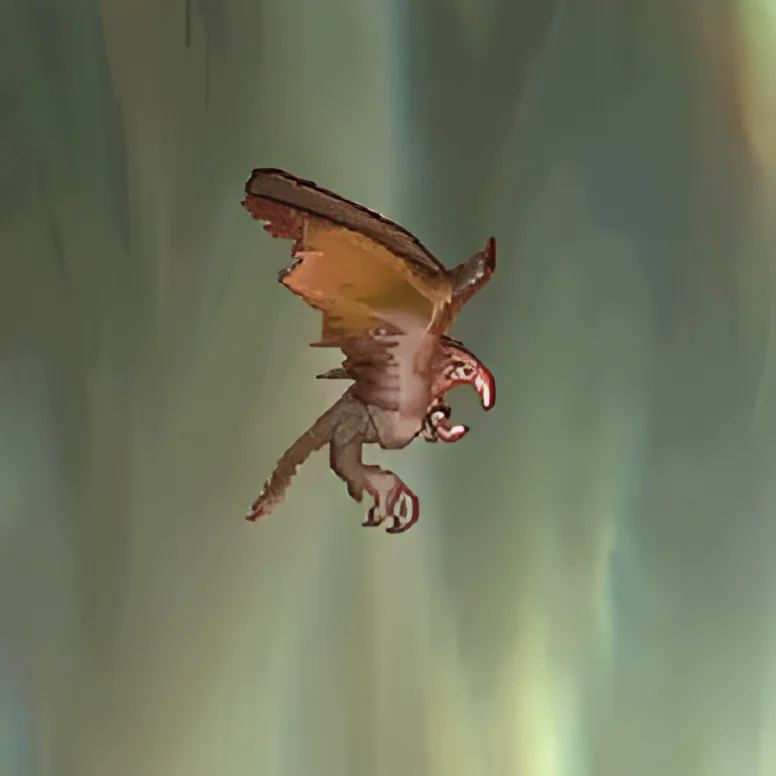
Harpy
The Harpies were winged monsters with the heads of hideous women and the bodies of bats or birds, found in flocks throughout the Greek world. Servants of Ares, it was they who first carried the Blades of Chaos to Kratos, and they appeared in many forms across the lands of the living and the Underworld.
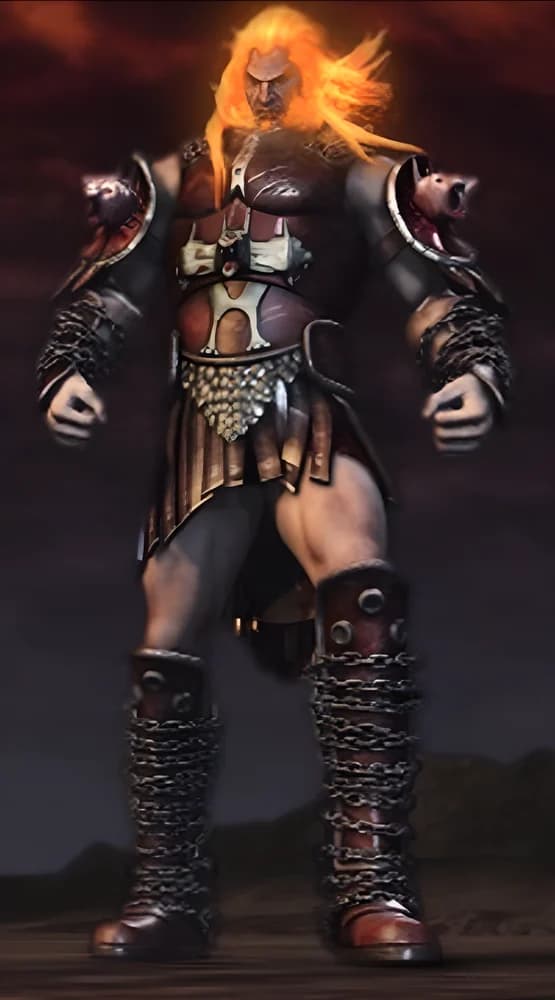
Ares: the god who made Kratos a killer
Ares tricked Kratos into slaughtering his own wife and daughter to bind him as a weapon. Kratos killed him at Athens and took his place as God of War.

Athens: Athena's city, besieged by Ares
Ares laid siege to Athens out of hatred for his sister Athena. Kratos was sent to save it, and killed Ares there to become the new God of War.
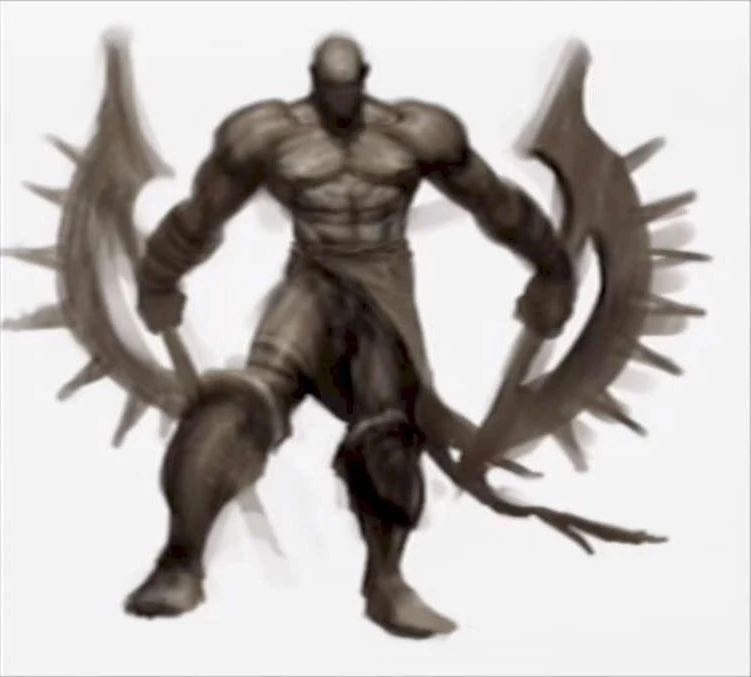
Blades of Chaos: chained to Kratos' arms
The Blades of Chaos were forged in the Underworld for Ares, who seared their chains onto Kratos' forearms. They burn with the fire of Tartarus.
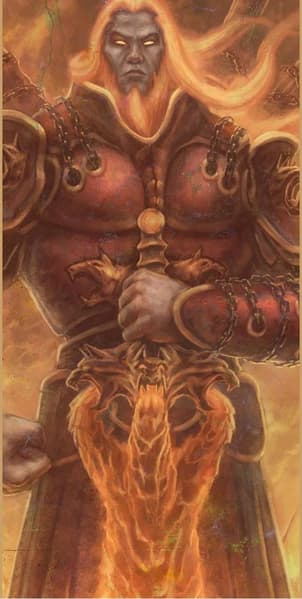
God of War: the divine title
The God of War was a title held by a deity unmatched in battle, wielding peerless combat skill and brutal godly power. It passed from Ares to Kratos in the Greek age, while the Norse realms knew their own God of War in Tyr.
Hades: the god whose soul Kratos tore out
Eldest son of Cronos, Hades ruled the Underworld and held life and death in balance. Kratos turned the Claws of Hades on him and ripped his soul out.
Mentioned in15 entries
Ares: the god who made Kratos a killer
Ares tricked Kratos into slaughtering his own wife and daughter to bind him as a weapon. Kratos killed him at Athens and took his place as God of War.
Blades of Chaos: chained to Kratos' arms
The Blades of Chaos were forged in the Underworld for Ares, who seared their chains onto Kratos' forearms. They burn with the fire of Tartarus.
Body Burner: the cursed keeper of Pandora's Gate
The Body Burner was the first mortal to enter Pandora's Temple and, by his own account, the first to die there. Cursed by the gods for his failure, he kept watch year after year on the cliff beyond Pandora's Bridge, burning the corpses of every challenger who followed him, until Kratos passed his gate and carried Pandora's Box out of the temple.
Bow of Apollo
The Bow of Apollo was a fire-imbued bow named for the sun god Apollo. Kratos took it from Peirithous, the doomed lover of Persephone, who was imprisoned in the Underworld within a cage of brambles.
Desert of Lost Souls: the wasteland east of Athens
The Desert of Lost Souls was a vast, monster haunted desert far to the east of Athens, the place where Zeus condemned the Titan Cronos to wander with Pandora's Temple chained to his back. Kratos crossed its sands in his quest for Pandora's Box, and there Ares struck him down with a pillar hurled from the ruins of Athens.
God of War (2005) Story Explained: Plot Summary and Ending
The whole story of the first God of War in order, from the Hydra in the Aegean to the death of Ares at Athens. Then the ending in plain terms: why Kratos jumped from the cliff, why Athena saved him, and how he ended up on Ares's throne.
Harpy
The Harpies were winged monsters with the heads of hideous women and the bodies of bats or birds, found in flocks throughout the Greek world. Servants of Ares, it was they who first carried the Blades of Chaos to Kratos, and they appeared in many forms across the lands of the living and the Underworld.
Hydra
The Hydra was a colossal multi-headed sea serpent that terrorized the Aegean Sea, sinking ships and devouring sailors at the bidding of the gods. A child of Typhon and Echidna roughly the size of a small island, it was slain at last by Kratos in the service of Poseidon.
Manticore
The Manticore was a flying monster of the Greek world, a creature with a lion's face, dragon wings, and the venomous tail of a scorpion. A great female of its kind nested in Delphi, and Kratos fought and slew the beast both at the Tower of Delphi and again on the island of Delos.
Monster: the beasts of the mythic world
Monsters, also called Beasts, were the hostile creatures of the mythic world, beings that could be counted neither as mortals nor as gods or Titans. From the minotaurs and gorgons of Greece to the trolls and dragons of the Norse realms, they haunted every land that Kratos ever walked.
Oracle of Athens: seer of the besieged city
The Oracle of Athens was the mortal seer of Athena's city, gifted with foresight and the power to read the memories of any being. During the siege of Athens she alone held the secret of how a god could be killed, and she set Kratos on the road to Pandora's Box.
Pandora's Box: the power to kill a god
Hephaestus forged Pandora's Box from the Flame of Olympus to hold the Evils of the Great War. Opening it let Kratos kill Ares, and loosed the Evils on the gods.
+ 3 more
Get new articles in your inbox
No spam. New lore drops, canon conflicts, and deep dives only when they’re worth reading.
Some links on Lore Fortress are affiliate links. If you buy through them we earn a small commission at no extra cost to you.