Ares: the god who made Kratos a killer
the original God of War
Ares tricked Kratos into slaughtering his own wife and daughter to bind him as a weapon. Kratos killed him at Athens and took his place as God of War.
Ares was the original Olympian God of War, the God of Murder, Violence, and Bloodshed, and a son of Zeus and Hera who held his seat on Mount Olympus. His scheme to seize his father's throne led him to forge the Spartan Kratos into a weapon by tricking him into murdering his own family, an act that turned Kratos into the Ghost of Sparta and set in motion the eventual fall of the Gods. (God of War (2005); God of War: Ascension)
The Prince of the Gods#
Ares was a son of Zeus and Hera, and a brother to Athena and Hephaestus. After the Olympians overthrew the Titans, he held his place among the ruling gods as the God of War. (God of War (2005); God of War III)
The birth of Athena, goddess of wisdom and warfare, sparked a rivalry that would span the age of Olympus, for their interests clashed repeatedly and Zeus favored Athena for her counsel and sense of strategy. Ares took patronage over the militaristic city of Sparta, whose people worshipped him above all save Zeus and sacrificed prisoners in his name. His resentment at his father's favoritism toward Athena, and his own lust for power, grew with the centuries until he came to covet Olympus itself. (God of War (2005); God of War (novel))
Alliance with the Furies#
Coveting his father's throne, Ares struck an alliance with the Furies and persuaded them toward a more ruthless approach. Having learned of the prophecy of the Marked Warrior, who was destined to destroy Olympus and kill Zeus, Ares conceived a child with the Fury Alecto in the hope that the child might be the Marked One. The child, Orkos, did not meet his standards and was disowned, though the Furies saw potential in him and made him their Oath-Keeper. (God of War: Ascension)
The Blades of Chaos were forged in the Underworld for Ares. The novelisation adds that he commissioned his brother Hephaestus to make them in the deepest reaches of Hades: twin blades drawing on the fire of Chaos and Tartarus, able to absorb life and induce rage and blood-lust. He held them ready for the warrior who would one day carry out his will on Earth. (God of War (2005); God of War (novel))
The making of Kratos#
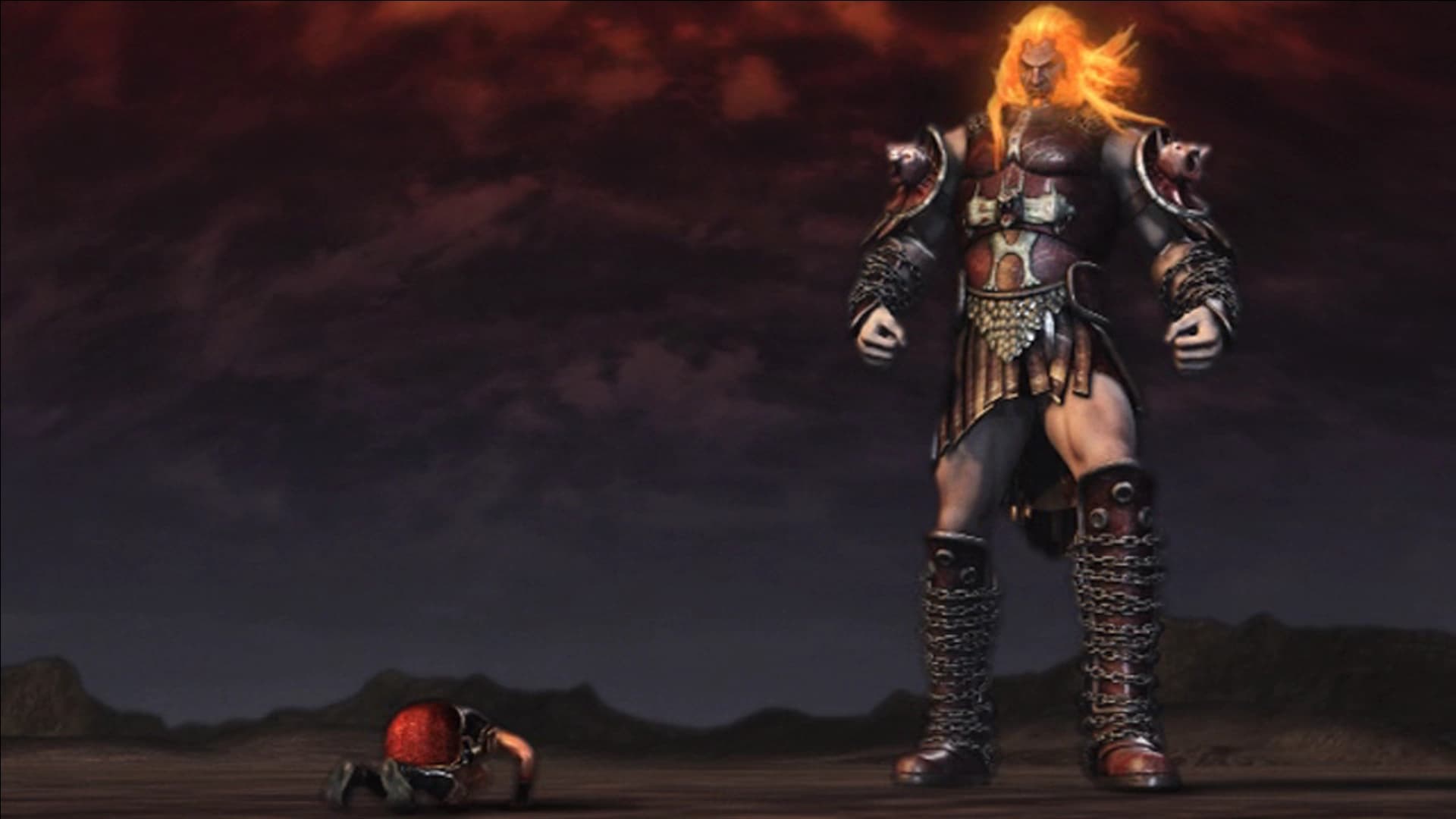
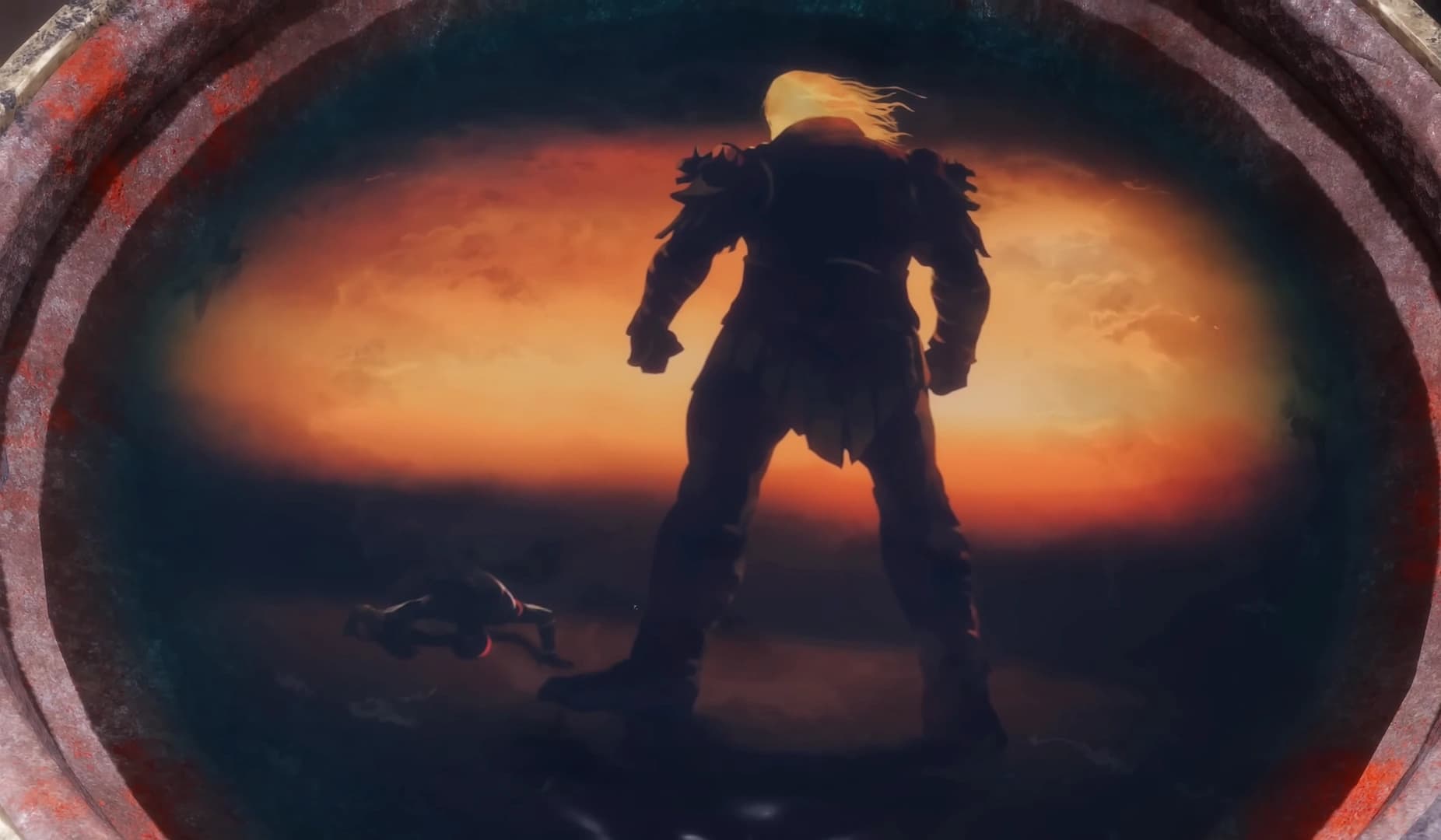
When Kratos and his Spartan army faced certain defeat against the barbarian king Alrik, Kratos pledged himself to Ares in exchange for victory. Seeing the warrior he needed, Ares accepted, descending from Olympus larger than a mountain with hair of living flame and slaughtering the barbarians. A pair of Harpies bestowed the Blades of Chaos upon Kratos as a mark of his servitude, and he claimed Alrik as his first victim. (God of War (2005))
Kratos spilled blood across Greece in Ares's name, but the god wanted nothing left that might hold his servant back. So Ares led Kratos to attack a village built in worship of Athena, where, blinded by blood-lust, the Spartan cut down all within a temple, including his wife Lysandra and daughter Calliope. Ares appeared and declared the deaths necessary so that nothing would stand in Kratos's way. The village Oracle gathered the ashes of his family and bound them to his skin, marking him the Ghost of Sparta. Enraged by the deception, Kratos swore the God of War would pay with his life. (God of War (2005))
Rivalry with Athena and the road to Athens#
The novelisation fills in what Ares did next. Athena judged that her brother had gone insane in his blood-lust and that his schemes reached toward the pillars of Olympus itself. To keep Kratos out of Ares's reach, she struck a bargain in which she took command of the armies of humanity while Ares was left only the dead warriors and monsters of the Underworld. When Ares realized the true meaning of the agreement, his rage at Athena and Zeus grew by the day, and he left Olympus to wage his wars on Earth directly, regularly sending his monsters and undead legions to harass Kratos. (God of War (novel))
His quarrels widened. When Athena arranged for Poseidon to lend Kratos a measure of his power against the Hydra, Ares and the King of the Oceans faced one another on the shores of Egypt, each as vast as a Titan. Ares backed down from the confrontation but sowed doubt in Poseidon about Athena's motives. Defying his father's edict against war among the Gods, Ares finally gathered his innumerable army of undead and monsters and marched on Athens. (God of War (novel))
The Siege of Athens#
The city lay at the mercy of the God of War, and mercy was in short supply. Ares directed elaborate and subtle tactics meant to maximize death, working on a theory that the Gods drew power from mortal worship and that by destroying Athena's followers he might cause them to abandon her and turn to him, weakening his sister and bypassing his father's edict. He deliberately targeted Zeus's own temples and worshippers, which displeased the King of the Gods. When his armies advanced through the woodlands of Artemis, the Huntress turned her beasts against them and shredded his forces, forcing Ares to swear a truce and leave her woods in peace. (God of War (novel))
Since Zeus had forbidden the Gods from battling one another, Athena could not defend her city herself, and so she set Kratos upon the quest for Pandora's Box, the only means of slaying a god, which lay within the Temple of Pandora on the back of Cronos. That quest, from the Hydra at sea to the duel above the burning city, makes up the story of the first God of War game. (God of War (2005))
Death and aftermath#
When Ares sensed that Kratos had retrieved the Box, he hurled a broken pillar across the desert, impaling and killing the Spartan. Kratos escaped the Underworld through the aid of the Grave Digger and returned to confront Ares as the God threatened to use the Box against Olympus itself. Kratos seized the Box and opened it, drawing on its power to grow to Ares's scale, and the battle for power began. (God of War (2005))
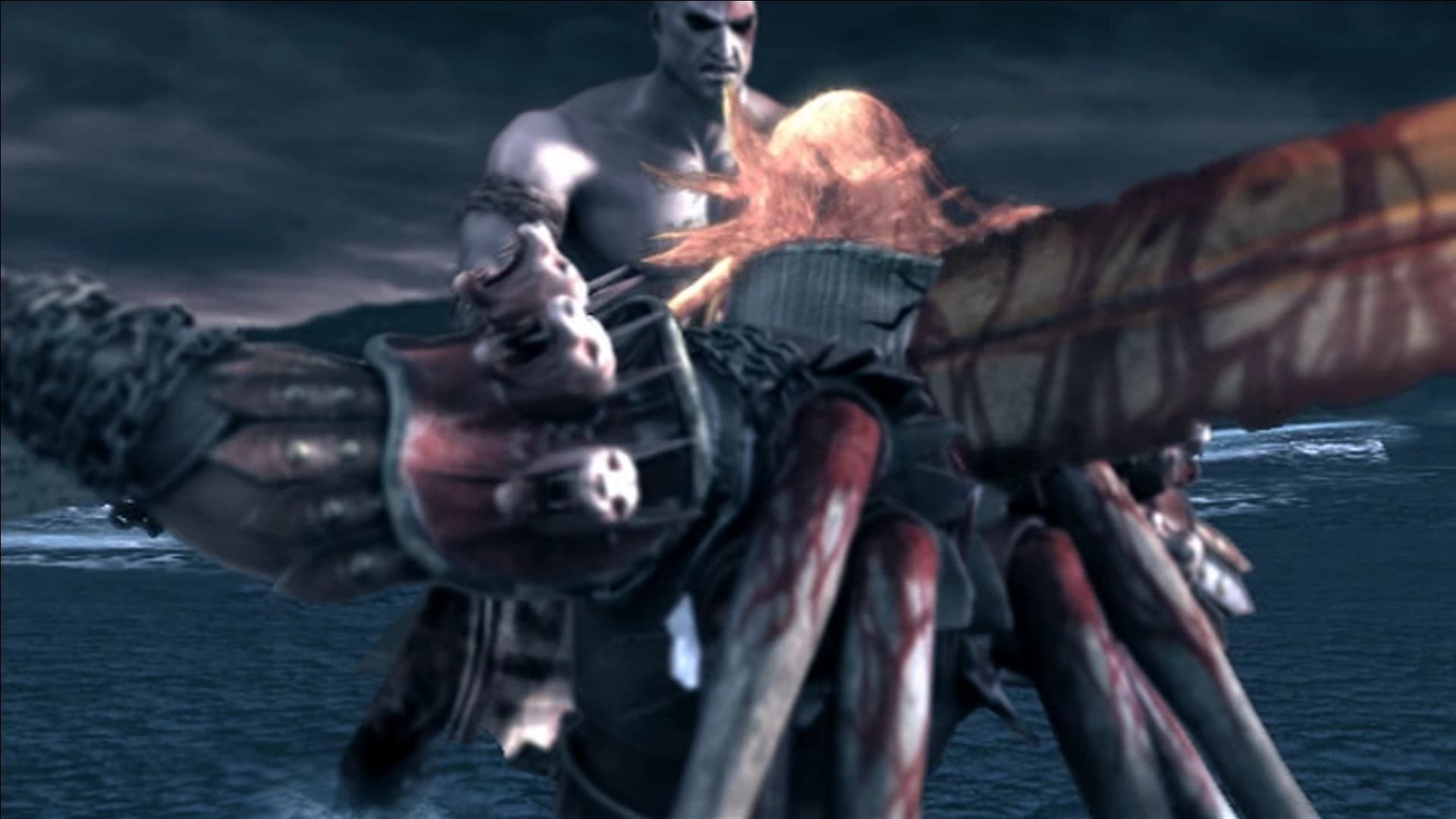
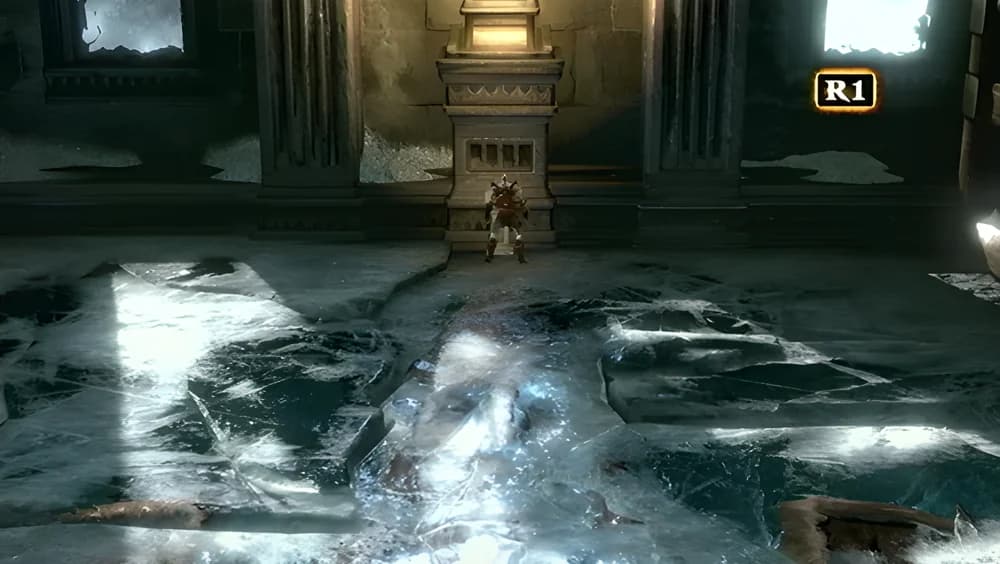
Ares trapped Kratos in a pocket world where clones attacked an image of his family, and tore the Blades of Chaos from his arms, but Kratos spotted the Blade of the Gods that Athena had sent, took it up, and ran Ares through the chest. As Ares pleaded and reminded Kratos how he had once saved his life and tried to make him a great warrior, Kratos answered that he had succeeded, and killed him. With his death an empty place remained on Olympus, and Kratos ascended to become the new God of War. The Olympians entombed their fallen brother in transparent ice. Ares's scheme to topple Olympus ultimately came to fruition with the death of Zeus and the near-destruction of the world, though not as he had ever planned or hoped. (God of War (2005); God of War III)
Frequently asked questions
- Who is Ares in God of War?
- Ares was the original Olympian God of War, the God of Murder, Violence, and Bloodshed, and a son of Zeus and Hera. He is the villain of the first God of War game and the schemer behind the events of Ascension.
- Why did Ares make Kratos kill his own family?
- Ares wanted nothing to hold his servant back. He led Kratos to attack a village built in worship of Athena, where, blinded by blood-lust, the Spartan cut down his wife Lysandra and daughter Calliope, after which Ares declared the deaths necessary so nothing would stand in Kratos's way.
- Why did Ares covet Olympus?
- Ares resented his father's favoritism toward his sister Athena, whom Zeus prized for her wisdom and strategy, and his own lust for power grew with the centuries until he came to covet Olympus itself. Coveting his father's throne, he allied with the Furies and chose Kratos as the warrior who would carry out his designs.
- Why did Ares besiege Athens?
- Ares marched on Athens working on a theory that the Gods drew power from mortal worship, believing that by destroying Athena's followers he might cause them to abandon her and turn to him, weakening his sister and bypassing his father's edict against war among the Gods. He directed elaborate tactics meant to maximize death and deliberately targeted Zeus's own temples.
- How did Ares die in God of War?
- Kratos opened Pandora's Box, the only means of slaying a god, and drew on its power to grow to Ares's scale. After Ares tore the Blades of Chaos from his arms, Kratos took up the Blade of the Gods that Athena had sent and ran Ares through the chest, killing him and ascending to become the new God of War.
Gallery
Images via God of War Wiki
Sources
- GameGod of War (2005), Santa Monica Studio, 2005
- GameGod of War III, Santa Monica Studio, 2010
- GameGod of War: Ascension, Santa Monica Studio, 2013
- BookGod of War (novel), Matthew Stover and Robert E. Vardeman, Del Rey, 2010
Spotted a factual error or a primary source we missed? Email a correction. Every flagged claim gets reviewed.
Followed from this entry

Artemis
Artemis was the Olympian Goddess of the Hunt, daughter of Zeus and twin sister of Apollo. When Ares besieged Athens, she turned the beasts of the wild against his armies, and later gave Kratos the Blade of Artemis, a weapon she had wielded against the Titans, to aid him in the conquest of Pandora's Temple.
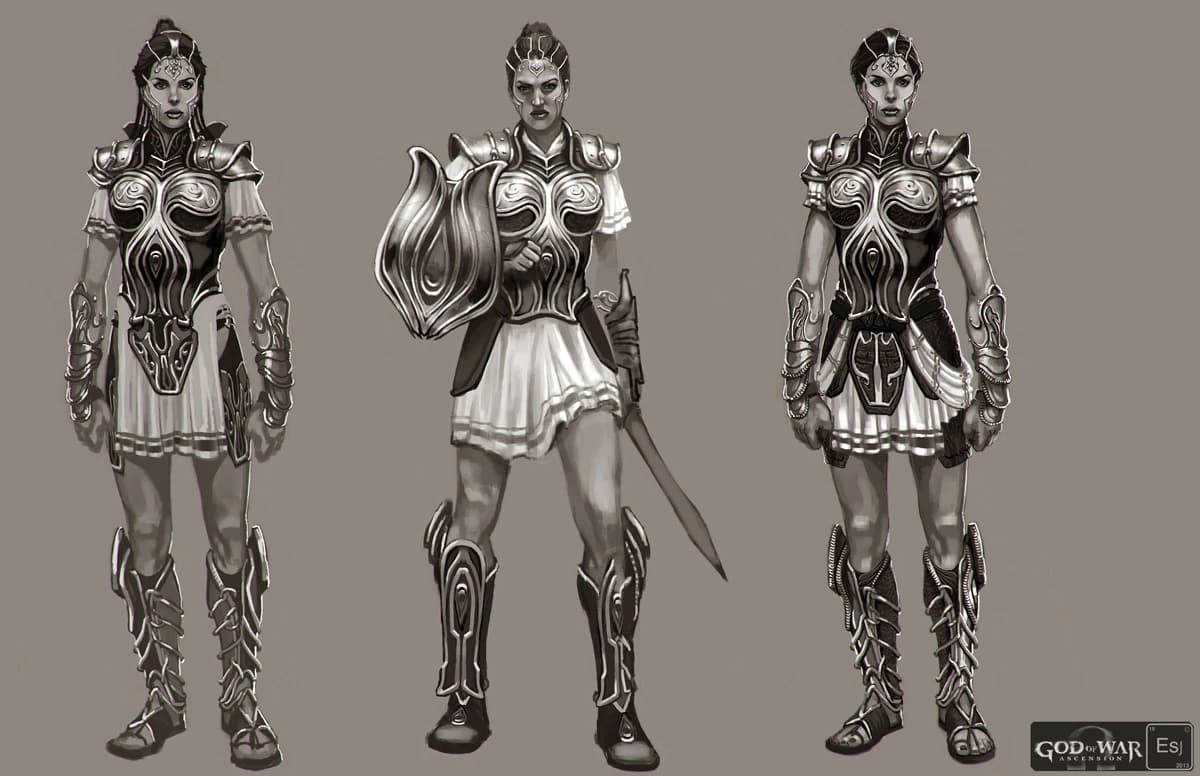
Athena: from Kratos' guide to his enemy
Athena set Kratos against Ares to save Athens, then turned on him when his reign grew worse. She died taking a blow meant for Zeus, and named Kratos his son.
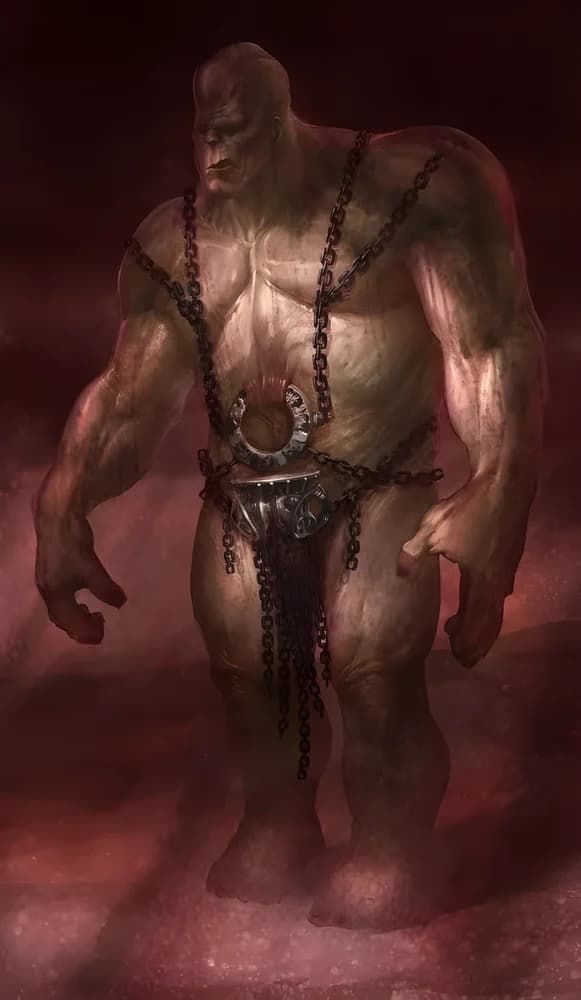
Cronos: the Titan who ate his children
Warned that his own children would depose him, Cronos swallowed each at birth. Rhea hid Zeus, Zeus deposed him anyway, and Kratos finished him.
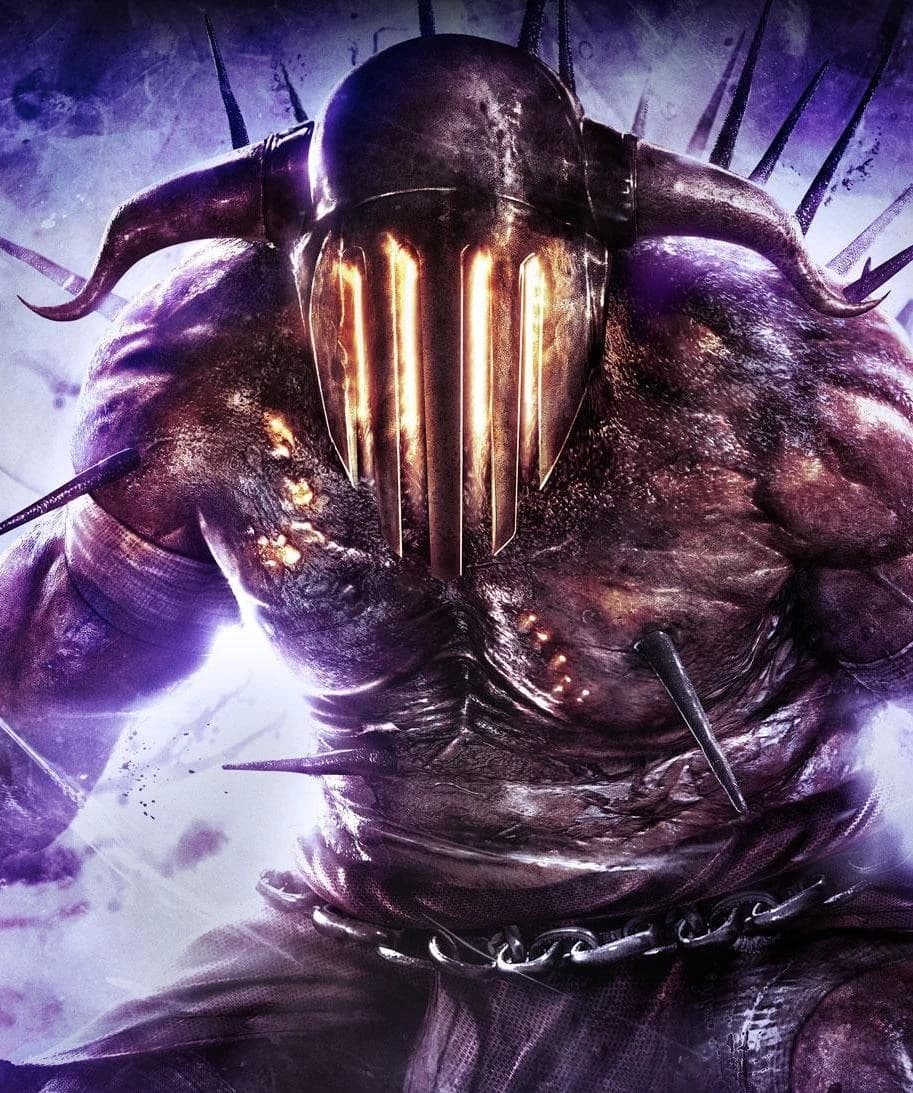
Hades: the god whose soul Kratos tore out
Eldest son of Cronos, Hades ruled the Underworld and held life and death in balance. Kratos turned the Claws of Hades on him and ripped his soul out.
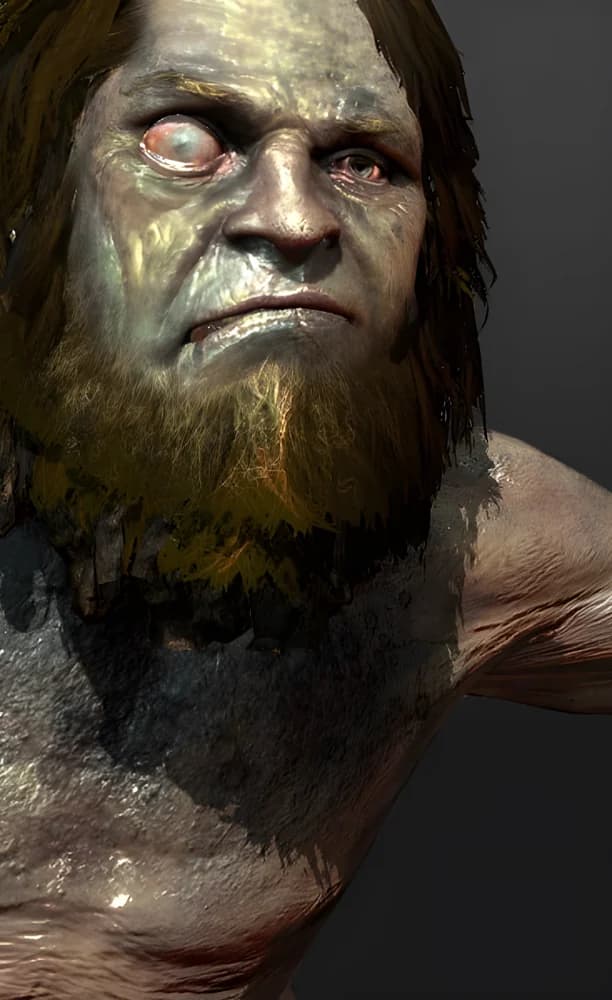
Hephaestus: the smith who made the Blades
He forged Pandora's Box for Zeus and the Blades of Chaos for Ares, and lost everything for it. Kratos killed him in the Underworld, defending his daughter.
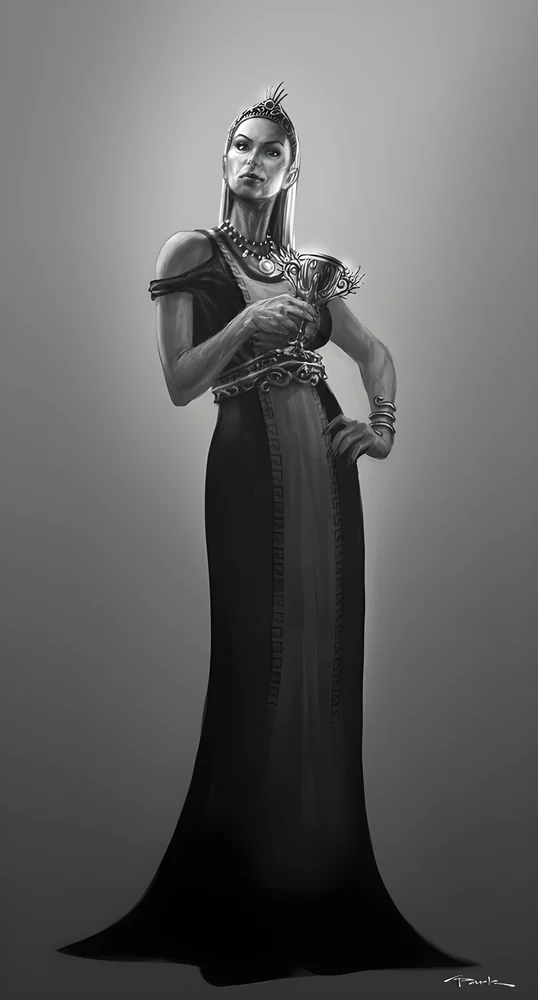
Hera
Hera was the Olympian Goddess of Marriage and Queen of the Gods, the sister and wife of Zeus and mother of Ares. Embittered by her husband's affairs and her withering garden, she set Hercules against Kratos before the Spartan snapped her neck and the world's flora died with her.
Mentioned in105 entries
Aegaeon: the Hecatonchires made a prison
Aegaeon was one of the three Hecatonchires, a giant of many hands who broke a blood oath with Zeus and was punished by the Furies. His vast body was transformed into the living dungeon called the Prison of the Damned, in which Kratos was once chained.
Alecto
Alecto was the Queen of the Furies and the Goddess of Anger, the sister who ruled the trio that hunted Kratos. She mated with Ares to bear the disowned Orkos, ensnared her victims in illusion and black goo, and transformed into a monstrous sea creature before falling to the Spartan's blades.
Aletheia: the Oracle of Delphi
Aletheia was the mortal Oracle of Delphi, a seer whose eyes granted her visions of the future and the power to pierce any illusion. When she uncovered the plot of Ares and the Furies to overthrow Olympus, the Furies tore out her eyes and forged them into the Eyes of Truth, and with her dying breath she set Kratos on the path that freed him from his blood oath.
Alrik
Alrik, the Barbarian King, was the leader of the Barbarian horde from the east and one of Kratos' oldest enemies. His assault drove Kratos to pledge his soul to Ares, beginning the Spartan's tragedy, and his hatred outlasted even death.
Ancient Egypt
Ancient Egypt was a distant southern land, home to the Egyptian gods and to a civilization both old and advanced. Known as the River Empire and the Land of the Pharaoh, it touched the saga of Kratos from the wars of Greece to the treasures of the Norse realms.
Aphrodite: Hephaestus' wife, lover of Ares
Aphrodite was married to the smith Hephaestus but had no love for him. In myth she took Ares as a lover, and in the games she gave Kratos Medusa's gaze.
Arms of Sparta
The Arms of Sparta were the spear and shield Kratos carried as a mortal general before he served Ares. The Last Spartan kept them in his absence and returned them to him during the search for Deimos, after which Kratos gave them to his brother and left them at his grave.
Artemis
Artemis was the Olympian Goddess of the Hunt, daughter of Zeus and twin sister of Apollo. When Ares besieged Athens, she turned the beasts of the wild against his armies, and later gave Kratos the Blade of Artemis, a weapon she had wielded against the Titans, to aid him in the conquest of Pandora's Temple.
Astral Form: the higher existence of the gods
The Astral Form was a rare state in which a god existed without a physical body, appearing as a higher, transcendent version of themselves. Only Athena and, briefly, Zeus ever achieved it, and each reached it by a different road, she through selfless sacrifice and he through the evil of Fear.
Athena: from Kratos' guide to his enemy
Athena set Kratos against Ares to save Athens, then turned on him when his reign grew worse. She died taking a blow meant for Zeus, and named Kratos his son.
Athens: Athena's city, besieged by Ares
Ares laid siege to Athens out of hatred for his sister Athena. Kratos was sent to save it, and killed Ares there to become the new God of War.
Atlantis
Atlantis was the great sea-faring city of Poseidon, home to his mightiest temple and guarded by the monster Scylla. It was where Kratos found his dying mother Callisto, and his battle there sank the ancient city beneath the waves.
+ 93 more
Get new articles in your inbox
No spam. New lore drops, canon conflicts, and deep dives only when they’re worth reading.
Some links on Lore Fortress are affiliate links. If you buy through them we earn a small commission at no extra cost to you.