Orkos
the Oath Keeper
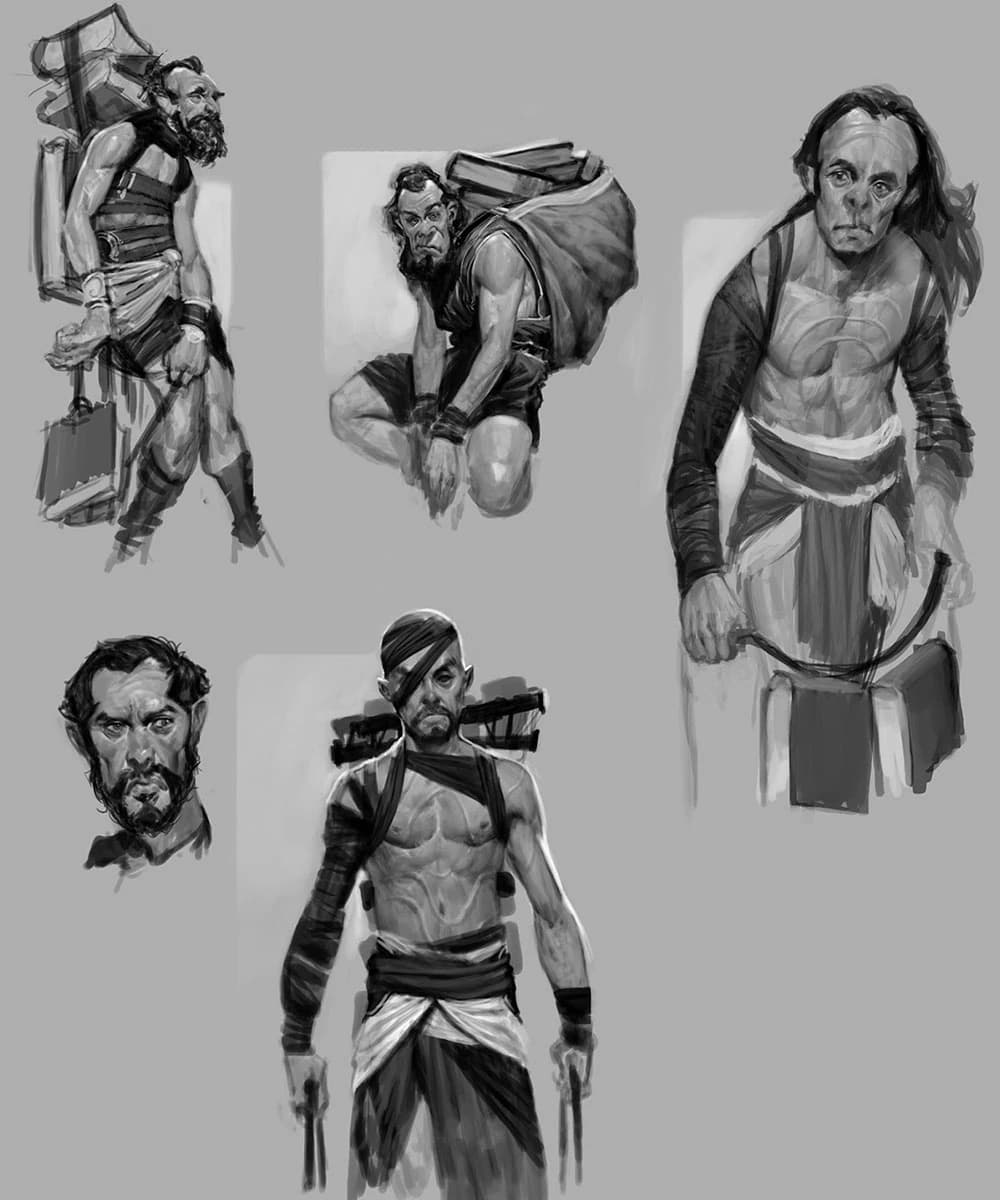
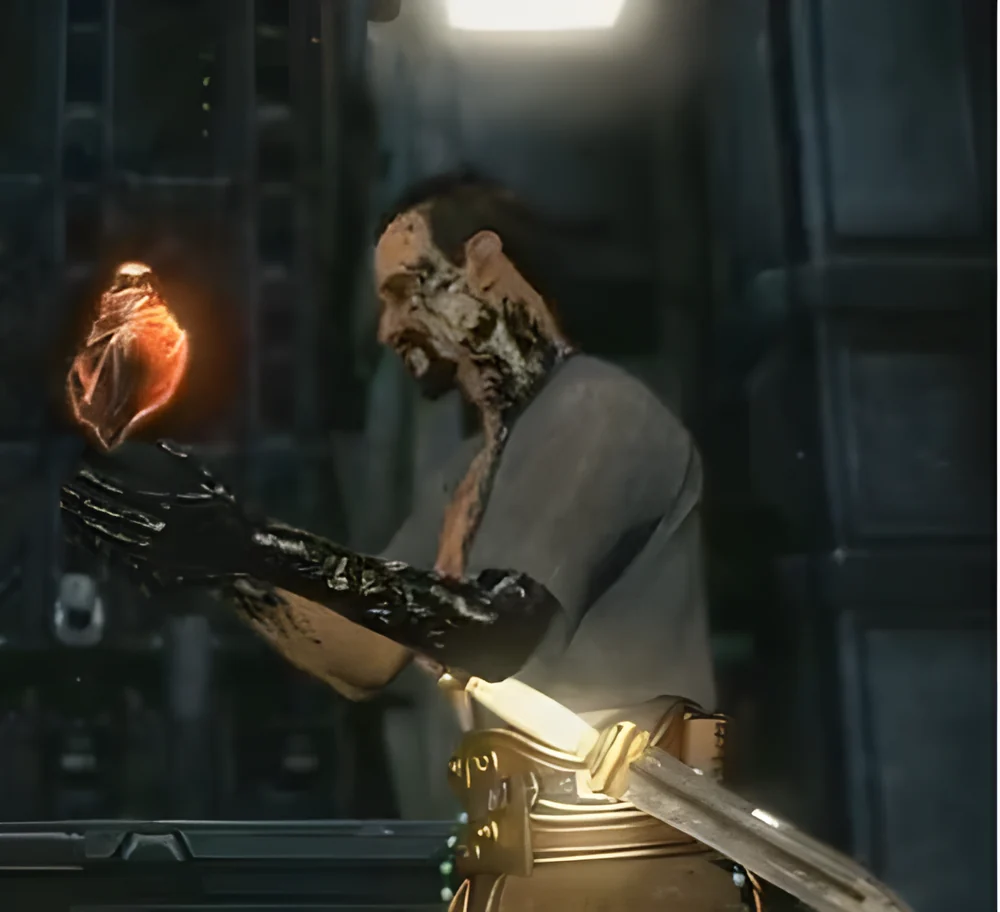
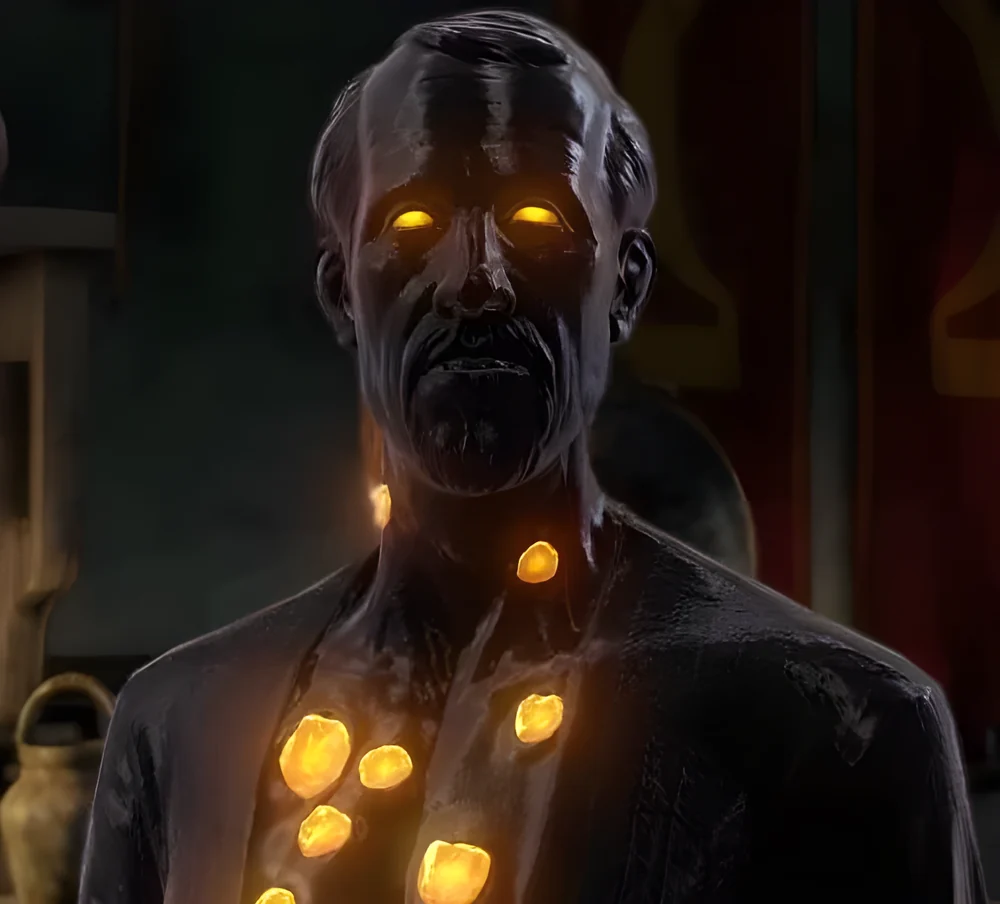
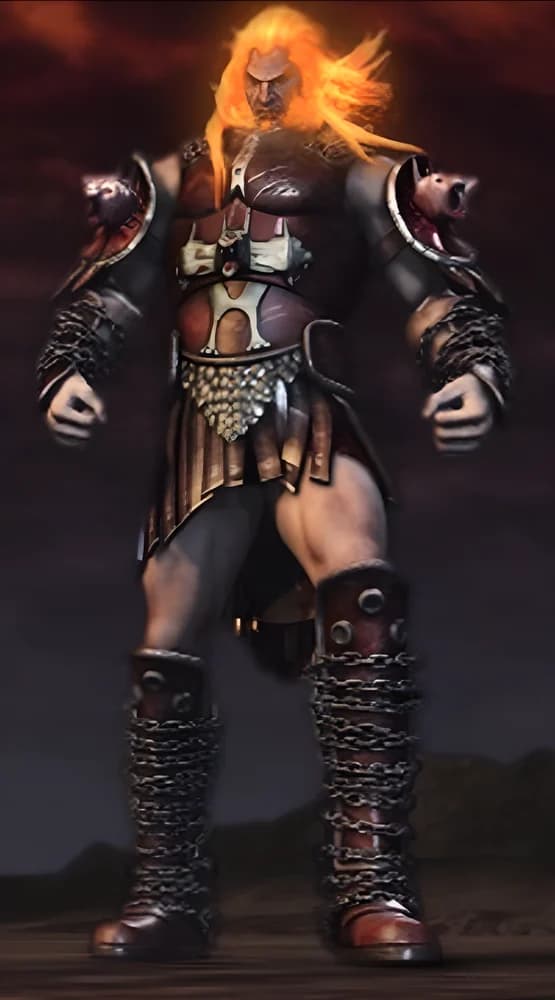
Orkos was a Fury, the half-god son of Ares and the Fury queen Alecto, made Oath Keeper after his father disowned him. Seeing the injustice of Kratos' blood oath to Ares, he aided the Spartan against the Furies, and in the end begged Kratos to grant him an honorable death so both might be freed.
Orkos was a Fury, the half-god and half-Fury son of Ares and the Fury queen Alecto. Disowned by his father and bound as the Oath Keeper, he came to see the injustice in the blood oath that chained Kratos to the War God, and stood against his own kin to help the Spartan win his freedom. (God of War: Ascension)
Birth and disownment#
Ares, the God of War, sought to create a perfect warrior through whom he might overthrow Zeus and seize Olympus for himself. To this end he mated with Alecto, Queen of the Furies, and they conceived a child, Orkos. But the son was not what Ares had hoped, and the War God, disappointed, disowned him. The Furies spared the boy and made him their Oath Keeper, charged with guarding the oaths sworn to the gods. (God of War: Ascension)
Orkos bore the burden heavily, suffering pain and agony through his tenure, yet he endured out of loyalty to the Furies, whom he called his mothers. Humble by nature, he wanted only to please those who claimed to love him, and though he grieved at being cast aside by his father he never voiced his discontent, choosing instead to obey. (God of War: Ascension)
The injustice of the oath#
Orkos saw the wrong in the blood oath that bound Kratos to Ares. The War God had tricked the Spartan into slaying his own wife and child, and Kratos had turned against him, yet the oath still held. With the help of Aletheia, the Oracle of Delphi, Orkos tried to warn Zeus of Ares' scheme against Olympus, but the Furies were loosed to stop him. The Oracle was punished for the attempt, while Orkos broke away and reached Kratos, who was himself being hunted by the Furies for breaking his oath. (God of War: Ascension)
Their first meeting alarmed the Spartan, who attacked, but Kratos relented once Orkos explained his purpose. The two were captured together at Delos, where the Furies imprisoned Kratos within the Hecatonchire Aegaeon. After the Spartan escaped the hundred-handed giant and destroyed the Furies, he returned to his home in Sparta. (God of War: Ascension)
Death and freedom#
Orkos met Kratos at his home and praised him for his victory, then revealed a final cruelty. Before their defeat, the Furies had bound Orkos once more as Kratos' oath keeper, so that despite all his efforts Ares would keep his hold over both of them unless the Spartan killed him. (God of War: Ascension)
Begging for an honourable death, Orkos placed his own blade in Kratos' hands, and the Spartan reluctantly stabbed him in the abdomen, killing him and freeing them both from their bonds to Ares. Kratos then burned down his home with the body of Orkos inside before departing. His death broke the oath, but it also loosed upon Kratos the memories of his murdered wife and child, the torment that would drive the Spartan to seek out the gods to be rid of them. (God of War: Ascension)
Frequently asked questions
- Who is Orkos?
- Orkos was a Fury, the half-god and half-Fury son of Ares and the Fury queen Alecto. Disowned by his father and bound as the Oath Keeper, he came to see the injustice in the blood oath that chained Kratos to the War God.
- Why did Ares disown Orkos?
- Ares conceived Orkos with Alecto in a bid to breed a perfect warrior through whom he might overthrow Zeus and seize Olympus. The son was not what Ares had hoped, and the disappointed War God disowned him, after which the Furies spared the boy and made him their Oath Keeper.
- Why did Orkos help Kratos?
- Orkos saw the wrong in the blood oath that bound Kratos to Ares, who had tricked the Spartan into slaying his own wife and child. He first tried through Aletheia, the Oracle of Delphi, to warn Zeus of Ares' scheme, and when the Furies hunted him he broke away and reached Kratos instead.
- How did Orkos die?
- After the Furies were destroyed, Orkos revealed they had bound him once more as Kratos' oath keeper, meaning Ares would keep his hold over both unless Kratos killed him. Begging for an honourable death, Orkos placed his own blade in Kratos' hands, and the Spartan reluctantly stabbed him, freeing them both.
- What did Orkos' death mean for Kratos?
- His death broke the oath, but it also loosed upon Kratos the memories of his murdered wife and child. That torment would drive the Spartan to seek out the gods to be rid of it.
Gallery
Images via God of War Wiki
Sources
- GameGod of War: Ascension, Santa Monica Studio, 2013
Spotted a factual error or a primary source we missed? Email a correction. Every flagged claim gets reviewed.
Followed from this entry
Aletheia: the Oracle of Delphi
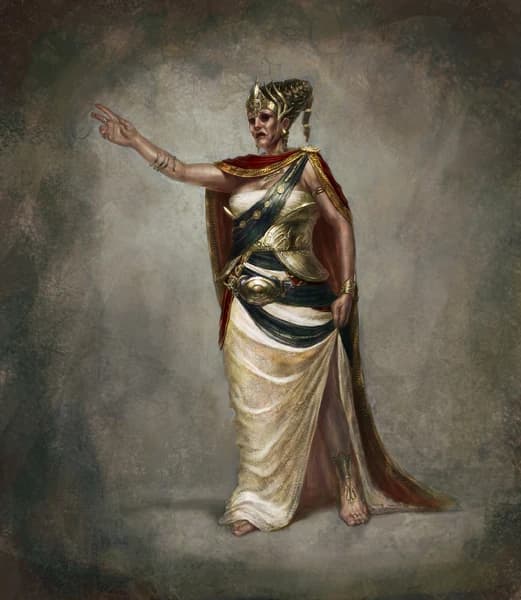
Aletheia was the mortal Oracle of Delphi, a seer whose eyes granted her visions of the future and the power to pierce any illusion. When she uncovered the plot of Ares and the Furies to overthrow Olympus, the Furies tore out her eyes and forged them into the Eyes of Truth, and with her dying breath she set Kratos on the path that freed him from his blood oath.
Kratos
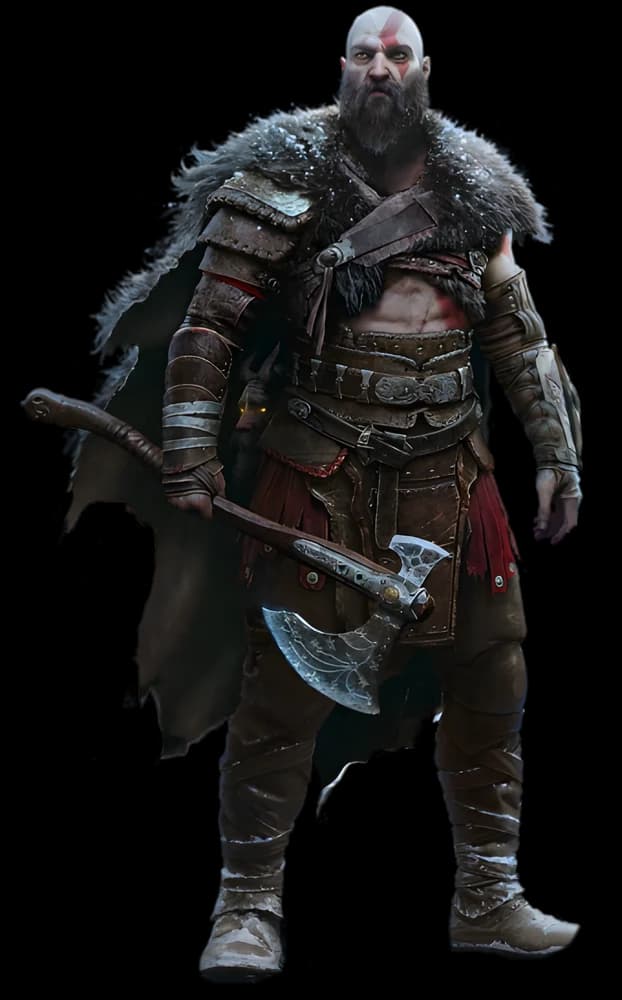
Kratos was the demigod son of Zeus who rose from a Spartan general to the Greek God of War, destroyed the pantheon of Olympus in a quest for vengeance, and then began again in the Norse realms as a father seeking to leave his bloody past behind.
God of War: Ascension Story Explained
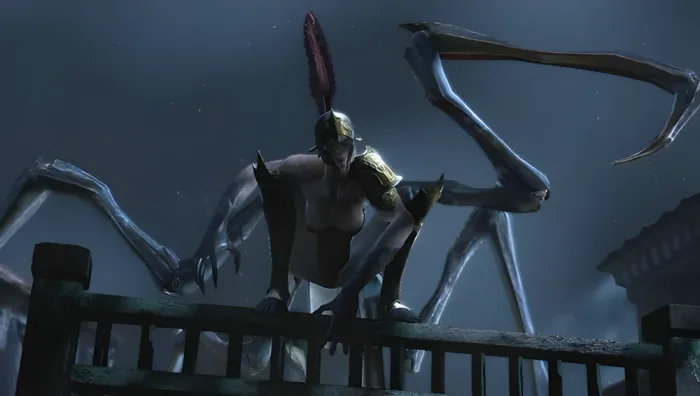
The plot of God of War: Ascension in story order, from Kratos breaking his blood oath to Ares to the deaths of the three Furies and Orkos. Plus how its ending sets up the rest of the Greek saga and where it sits in the timeline.
Aegaeon: the Hecatonchires made a prison
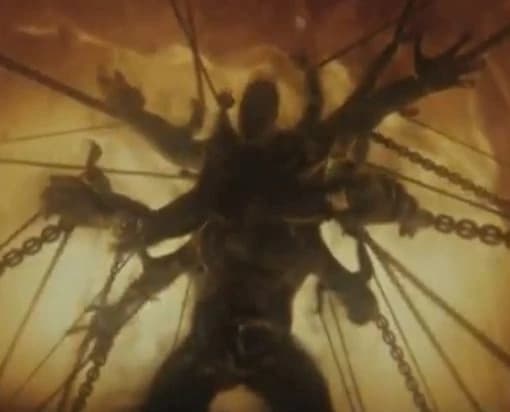
Aegaeon was one of the three Hecatonchires, a giant of many hands who broke a blood oath with Zeus and was punished by the Furies. His vast body was transformed into the living dungeon called the Prison of the Damned, in which Kratos was once chained.
Alecto
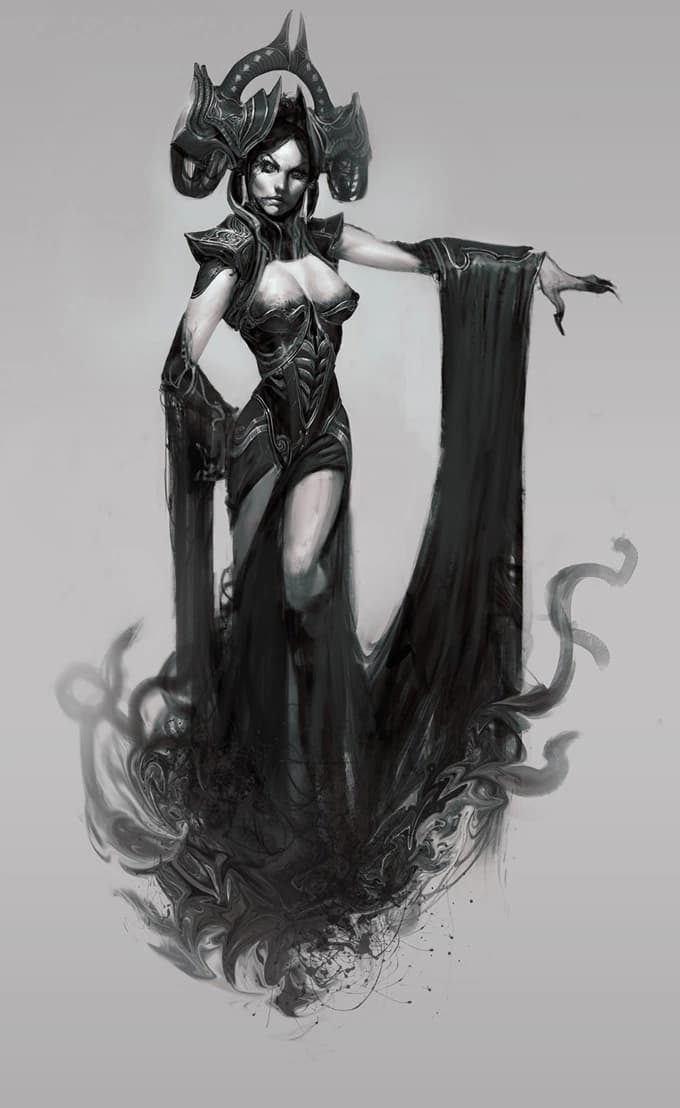
Alecto was the Queen of the Furies and the Goddess of Anger, the sister who ruled the trio that hunted Kratos. She mated with Ares to bear the disowned Orkos, ensnared her victims in illusion and black goo, and transformed into a monstrous sea creature before falling to the Spartan's blades.
Ares: the god who made Kratos a killer
Ares tricked Kratos into slaughtering his own wife and daughter to bind him as a weapon. Kratos killed him at Athens and took his place as God of War.
Mentioned in14 entries
Alecto
Alecto was the Queen of the Furies and the Goddess of Anger, the sister who ruled the trio that hunted Kratos. She mated with Ares to bear the disowned Orkos, ensnared her victims in illusion and black goo, and transformed into a monstrous sea creature before falling to the Spartan's blades.
Aletheia: the Oracle of Delphi
Aletheia was the mortal Oracle of Delphi, a seer whose eyes granted her visions of the future and the power to pierce any illusion. When she uncovered the plot of Ares and the Furies to overthrow Olympus, the Furies tore out her eyes and forged them into the Eyes of Truth, and with her dying breath she set Kratos on the path that freed him from his blood oath.
Ares: the god who made Kratos a killer
Ares tricked Kratos into slaughtering his own wife and daughter to bind him as a weapon. Kratos killed him at Athens and took his place as God of War.
Castor
Castor was the mortal Gemini twin who, with his conjoined demigod brother Pollux, usurped the Temple of the Oracle at Delphi and posed as its prophet. A cruel master who slew his own slaves, he wielded the Amulet of Uroborus against Kratos before the Spartan cast him to his death.
Castor and Pollux
Castor and Pollux were conjoined Spartan twins, one mortal and one a son of Zeus, who seized the Temple of the Oracle at Delphi and posed as its prophet. Acting for the Furies, they imprisoned the true Oracle and stood as the first enemies Kratos faced in his quest to be free of his rage.
Demigod: the mortal children of the gods
Demigods were the offspring of a god and a mortal, half-human and half-divine. Mortal yet possessed of superhuman strength and the fighting prowess of a god, the worthiest among them could rise to godhood. Kratos himself was one such demigod before he claimed the throne of war.
God of War Story Explained: the Whole Saga from Sparta to Ragnarök
The full God of War story in order, one main game at a time. Kratos serves Ares, kills him, destroys Olympus, starts again in the Norse lands and finally ends Odin, with the Valhalla epilogue as the last word.
God of War Timeline: every major event from the Primordials to Valhalla
The full in-universe chronology of God of War, from the war of the Primordials and the fall of the Titans to Kratos's life in Sparta, his war on Olympus, and the end of the Aesir at Ragnarök. The games give almost no calendar years, so events are ordered by story sequence and grouped into eras, with notes wherever the games' own placement is vague.
God of War: Ascension Story Explained
The plot of God of War: Ascension in story order, from Kratos breaking his blood oath to Ares to the deaths of the three Furies and Orkos. Plus how its ending sets up the rest of the Greek saga and where it sits in the timeline.
Pollux
Pollux was the demigod son of Zeus and half-brother of Kratos, the divine half of the conjoined Gemini twins who usurped the Temple of the Oracle at Delphi. A powerful sorcerer bound to the body of his brother Castor, he was severed from him by Kratos and crushed beneath the Spartan's boot.
The Cycle of Patricide
The Cycle of Patricide was the repeating doom by which the son of a deity rose to slay his father, only to fear the same fate from his own children. It bound the Greek pantheon from Ouranos to Zeus, and its shadow fell again upon the Norse gods.
The Furies
The Furies were an ancient trio of sisters born of primordial rage who hunted those who broke their blood oaths to the gods. Once fair judges, they were corrupted by Ares and set upon Kratos after he renounced his bond, until the Spartan saw through their illusions and destroyed all three.
+ 2 more
Get new articles in your inbox
No spam. New lore drops, canon conflicts, and deep dives only when they’re worth reading.
Some links on Lore Fortress are affiliate links. If you buy through them we earn a small commission at no extra cost to you.