Atlantis
The Sunken City of Poseidon
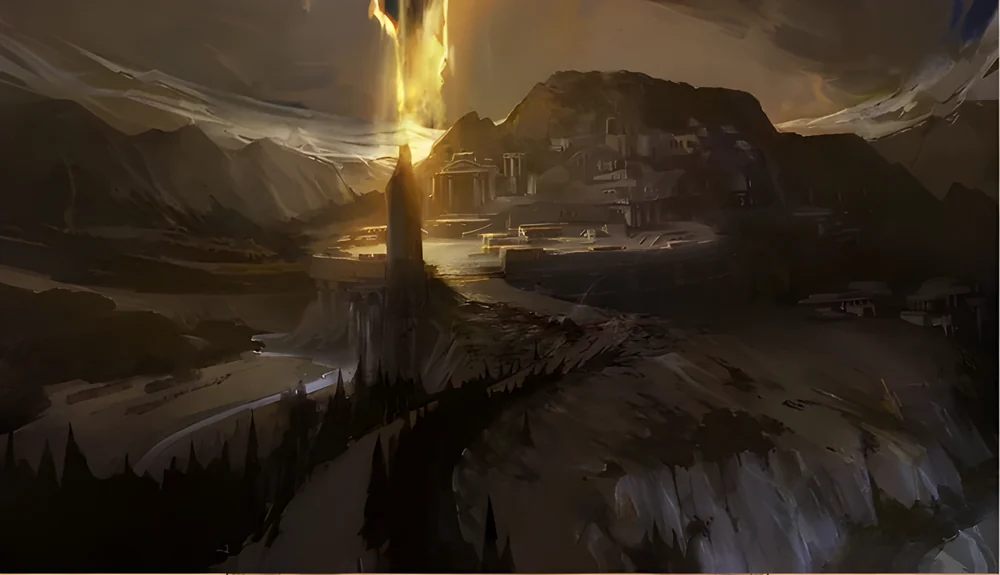
Atlantis was the great sea-faring city of Poseidon, home to his mightiest temple and guarded by the monster Scylla. It was where Kratos found his dying mother Callisto, and his battle there sank the ancient city beneath the waves.
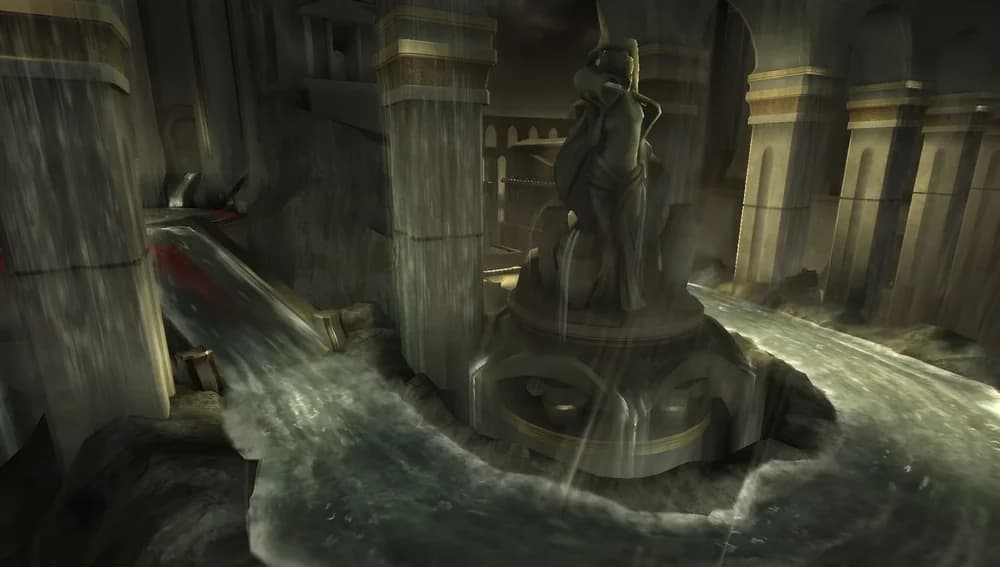
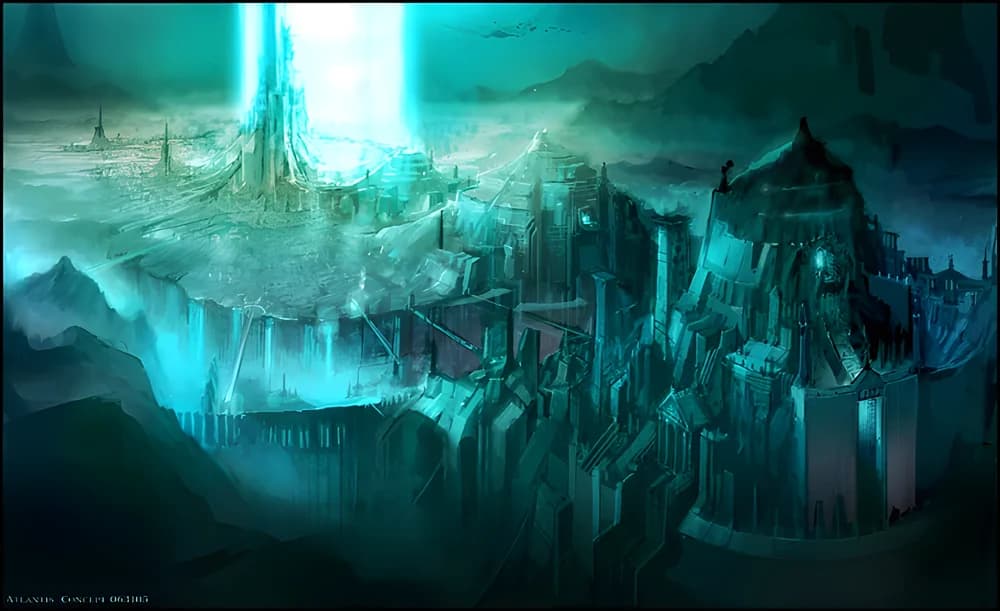
Atlantis, known in myth as Poseidonia, was the great sea-faring city of Poseidon and the site of his greatest temple. Located near the island of Crete, it was there that Kratos found his dying mother Callisto, and there that his battle with the monster Scylla and his freeing of the Titan Thera brought the entire city sinking beneath the ocean. (God of War: Ghost of Sparta)
The domain of Poseidon#
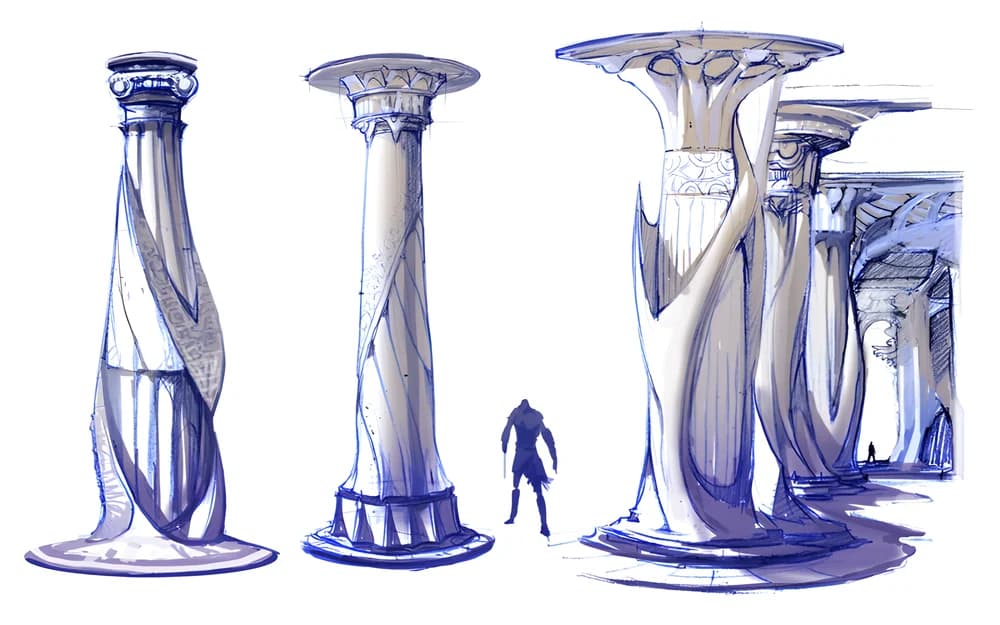
Atlantis was the mortal domain of Poseidon and the place of his greatest temple. Plato placed his legendary Atlantis beyond the Pillars of Hercules, but this city lay near the island of Crete. It may even have predated the rule of Olympus and of Poseidon himself, for the ancient Death Gate and the Temple of Thanatos were placed within its bounds by immortals before the Age of Man. Its people were a great sea-faring civilisation. (God of War: Ghost of Sparta; Timaeus and Critias)
The death of Callisto#
After the attack on Sparta and the taking of his brother Deimos by Ares and Athena, Kratos' mother Callisto was brought to Atlantis and confined to the Temple of Poseidon at the peak of the city. Nearing the end of her life, the former lover of Zeus called out to her son, now among the rulers of Olympus, and Kratos received her prayers and sailed for the city with a great fleet, his mentor Athena pleading with him to abandon the quest. (God of War: Ghost of Sparta)
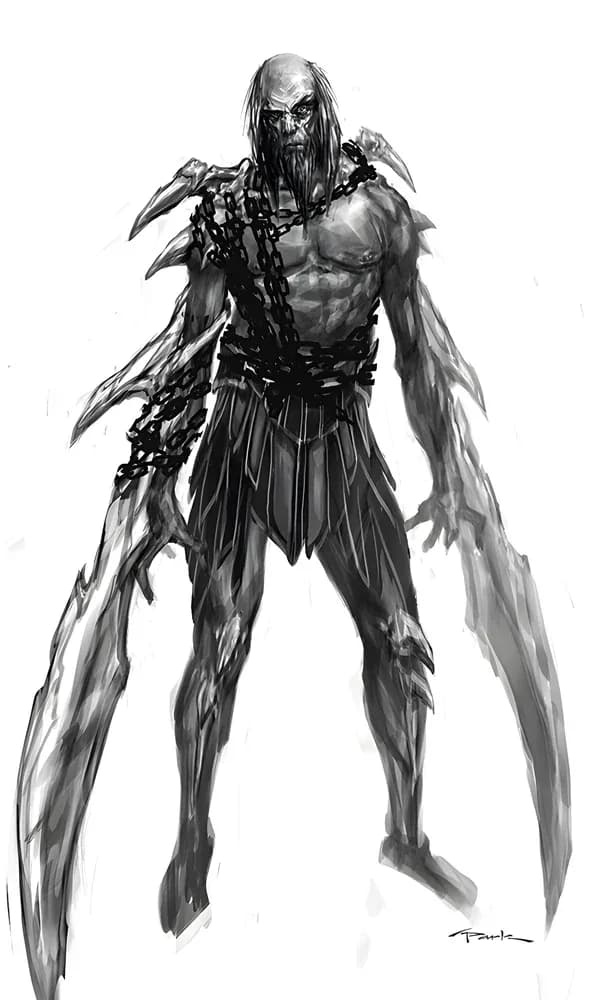
The protector of Atlantis, the fabled sea monster Scylla, destroyed most of the invading fleet, though she could not kill Kratos himself. Pushing into the inner city, Kratos faced Poseidon's defenders, the sea folk of Tritons and monsters such as Cyclopes and Geryons, while Poseidon himself never came against him in person. Kratos found the Eye of Atlantis, a powerful artifact channeling the power of the oceans, and turned it against his enemies. Reaching the Temple of Poseidon, he was reunited with his mother, who told him of his brother's true fate, but as she tried to whisper the name of his father she transformed into a hideous monstrosity, forcing Kratos to mortally wound her. In her final moments she returned to her true form and again begged him to save Deimos before her body vanished. (God of War: Ghost of Sparta)
The sinking of the city#
Kratos' battle with Scylla devastated Atlantis and led him to the great volcano on its edge, which the Atlanteans had contained with their Archimedean Screws while keeping watch over the imprisoned Titan Thera. When Kratos freed Thera, a volcanic eruption ravaged the island, and Atlantis began to sink into the ocean. The Spartan escaped the city and afterward found the Skull of Keres, the key to the Domain of Death, in the Temple of Ares. He and his warriors later returned to the sunken city to enter Death's Domain, meeting fierce resistance from the Tritons and violent storms, with the divine lightning of Poseidon raining down and destroying their ship, casting Kratos into the watery abyss. The destruction of his city greatly enraged Poseidon, and it became one of the reasons the Sea God sought Kratos' death. Its sinking opens Ghost of Sparta, Kratos's search for his lost brother. (God of War: Ghost of Sparta; God of War III)
Frequently asked questions
- What is Atlantis in God of War?
- Atlantis, known in myth as Poseidonia, was the great sea-faring city of Poseidon and the site of his greatest temple. It lay near the island of Crete and held the ancient Death Gate and the Temple of Thanatos within its bounds.
- Why did Kratos go to Atlantis?
- After his mother Callisto was confined to the Temple of Poseidon at the peak of Atlantis, she called out to her son near the end of her life. Kratos received her prayers and sailed for the city with a great fleet, while his mentor Athena pleaded with him to abandon the quest.
- What happened to Callisto in Atlantis?
- Kratos reunited with his dying mother in the Temple of Poseidon, where she told him of his brother's true fate. As she tried to whisper the name of his father, she transformed into a monstrosity, forcing Kratos to mortally wound her, and in her final moments she begged him to save Deimos.
- How was Atlantis destroyed?
- Kratos' battle with the sea monster Scylla devastated the city, and when he freed the imprisoned Titan Thera, a volcanic eruption ravaged the island and Atlantis began to sink into the ocean. Kratos escaped the city before it was lost beneath the waves.
- Why did Poseidon want Kratos dead?
- The destruction of his mortal city greatly enraged Poseidon, and it became one of the reasons the Sea God sought Kratos' death. During the war, Poseidon had been forbidden to face Kratos directly and could not interfere in person.
Gallery
Images via God of War Wiki
Sources
- GameGod of War: Ghost of Sparta, Ready at Dawn, 2010
- GameGod of War III, Santa Monica Studio, 2010
- BookTimaeus and Critias, Plato, c. 360 BC
Spotted a factual error or a primary source we missed? Email a correction. Every flagged claim gets reviewed.
Followed from this entry
Sparta: Kratos' city, razed by Zeus
Sparta raised Kratos, worshipped Ares, then took Kratos himself as its patron god. Zeus destroyed the city in revenge for the Spartan's defiance.
God of War: Ghost of Sparta Story Explained
The plot of Ghost of Sparta in order, from Kratos's visions of his mother to the death of his brother Deimos in the Domain of Death. Then the ending explained: the marked warrior prophecy, Athena's apology, and why Kratos leaves at war with Olympus.
Ares: the god who made Kratos a killer
Ares tricked Kratos into slaughtering his own wife and daughter to bind him as a weapon. Kratos killed him at Athens and took his place as God of War.
Athena: from Kratos' guide to his enemy
Athena set Kratos against Ares to save Athens, then turned on him when his reign grew worse. She died taking a blow meant for Zeus, and named Kratos his son.
Callisto
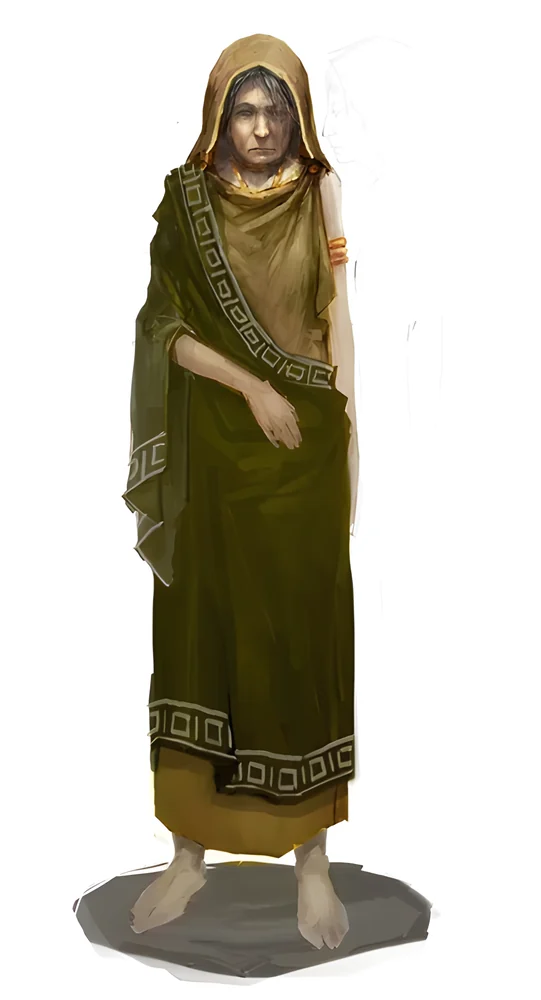
Callisto was a Spartan woman and one of the many mortal lovers of Zeus, mother of Kratos and Deimos. Kept hidden in Atlantis and cursed by the King of the Gods, she died at her own son's hands while trying to name his father.
Cyclopes: the one-eyed giants of Greece
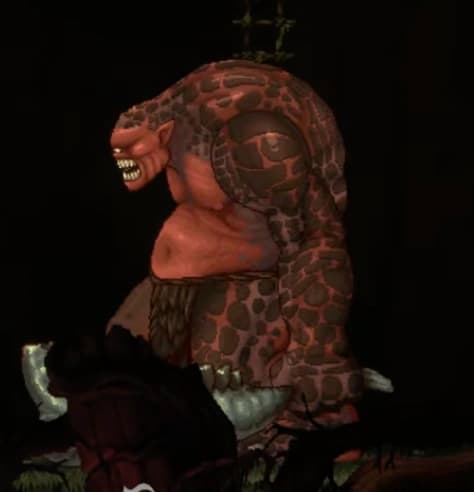
The Cyclopes were a race of burly, one-eyed giants of the Greek world. Once peaceful shepherds, they were dragged into the first War of the Titans and used thereafter as beasts of war in the armies of the gods.
Mentioned in13 entries
Callisto
Callisto was a Spartan woman and one of the many mortal lovers of Zeus, mother of Kratos and Deimos. Kept hidden in Atlantis and cursed by the King of the Gods, she died at her own son's hands while trying to name his father.
Deimos: the brother Kratos failed to save
Ares and Athena seized Deimos as a boy because his birthmark matched the prophecy of the Marked Warrior. Thanatos crushed him at Suicide Bluffs.
Erinys
Erinys was the goddess of vengeance and death, daughter and messenger of Thanatos. She hunted Kratos across Greece after the fall of Atlantis, killing Spartans as a warning, until he slew her in the Mounts of Aroania.
God of War Story Explained: the Whole Saga from Sparta to Ragnarök
The full God of War story in order, one main game at a time. Kratos serves Ares, kills him, destroys Olympus, starts again in the Norse lands and finally ends Odin, with the Valhalla epilogue as the last word.
God of War Timeline: every major event from the Primordials to Valhalla
The full in-universe chronology of God of War, from the war of the Primordials and the fall of the Titans to Kratos's life in Sparta, his war on Olympus, and the end of the Aesir at Ragnarök. The games give almost no calendar years, so events are ordered by story sequence and grouped into eras, with notes wherever the games' own placement is vague.
God of War: Ghost of Sparta Story Explained
The plot of Ghost of Sparta in order, from Kratos's visions of his mother to the death of his brother Deimos in the Domain of Death. Then the ending explained: the marked warrior prophecy, Athena's apology, and why Kratos leaves at war with Olympus.
Monster: the beasts of the mythic world
Monsters, also called Beasts, were the hostile creatures of the mythic world, beings that could be counted neither as mortals nor as gods or Titans. From the minotaurs and gorgons of Greece to the trolls and dragons of the Norse realms, they haunted every land that Kratos ever walked.
Poseidon: the sea god who drowned Greece
Brother to Zeus and Hades, Poseidon was second only to the King of Olympus. Kratos gouged out his eyes and broke his neck, and the seas swallowed Greece.
Sparta: Kratos' city, razed by Zeus
Sparta raised Kratos, worshipped Ares, then took Kratos himself as its patron god. Zeus destroyed the city in revenge for the Spartan's defiance.
Titans: the elder gods Zeus cast down
Born to Gaia and Ouranos, the Titans ruled the Golden Age under Cronos until Zeus buried them in Tartarus. Kratos later raised them one last time.
What Happened to Kratos's Brother?
Kratos's younger brother Deimos was taken from Sparta as a boy by Ares and Athena, held for years in the Domain of Death, and killed by Thanatos soon after Kratos finally freed him. Here is the whole story from Ghost of Sparta, and how it still weighs on Kratos in Ragnarök.
Who Is Kratos's Father?
Kratos's father is Zeus, the king of Olympus. Athena tells him with her dying breath at the end of God of War II. His mother was the mortal Callisto, which made Kratos a demigod, and the secret shaped the whole Greek saga.
+ 1 more
Get new articles in your inbox
No spam. New lore drops, canon conflicts, and deep dives only when they’re worth reading.
Some links on Lore Fortress are affiliate links. If you buy through them we earn a small commission at no extra cost to you.