Deimos: the brother Kratos failed to save
the Marked Warrior
Ares and Athena seized Deimos as a boy because his birthmark matched the prophecy of the Marked Warrior. Thanatos crushed him at Suicide Bluffs.
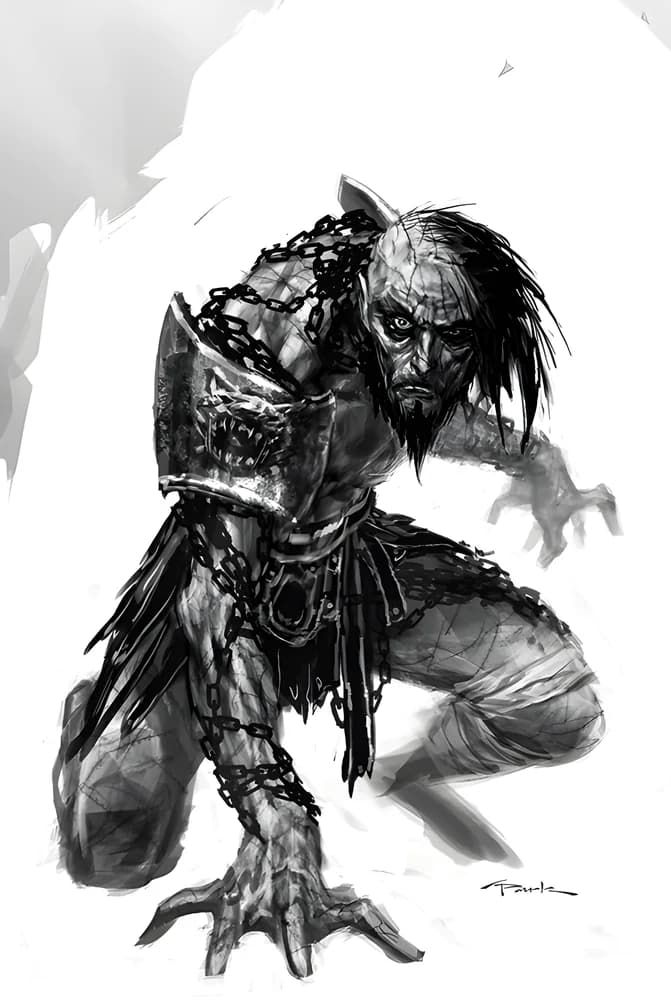
Deimos was the younger son of Zeus and the mortal Callisto, and the younger brother of Kratos. Born in Sparta and marked from birth by a strange birthmark across his body, he was taken from his family as a child to avert a prophecy that foretold the fall of Mount Olympus at the hands of a Marked Warrior. For years he endured torture in the Domain of Death before his brother freed him, and his death soon afterward became the wound that turned Kratos against the gods entirely. (God of War: Ghost of Sparta)
Childhood in Sparta#
Deimos was the younger of the two brothers, bearing an unusual birthmark across his body, and the two brothers grew up together under the eye of their mother Callisto in Sparta, dreaming of one day joining the Spartan army. Neither knew that they were the sons of Zeus. They were inseparable as children and trained with the traditional spear and shield, Kratos teaching the younger boy how a Spartan fights. (God of War: Ghost of Sparta)
The Marked Warrior prophecy#
Long before, the Oracle had foretold the destruction of the Olympians at the hands of the Marked Warrior. Because of his unusual birthmark, the gods feared that Deimos was the warrior of the prophecy and devised a plan to take him from his family so that it could never come to pass. One day Ares and Athena descended upon Sparta, loosing an army of centaurs upon the populace as they searched. They found the young Deimos as he trained with Kratos and seized him. Kratos lunged to stop Ares and was struck down, scarred across his right eye, and Ares would have killed the boy had Athena not stopped him, since they already held the one they sought. Ares carried Deimos to Thanatos in the Domain of Death, where he was left to be tormented so that the prophecy might never be fulfilled. For years Deimos believed Kratos would come to free him; as the years wore on, that hope faded and was replaced by hatred for the brother who had left him to rot. (God of War: Ghost of Sparta)
Reunion and death#
Having defeated Callisto in Atlantis and learned the truth, Kratos was driven to find his brother at any cost. He crossed Greece and at last found Deimos deep within the Temple of Thanatos, suspended from a tree. Freed from his chains, save for a single massive gauntlet still locked to his right arm, Deimos turned on Kratos in fury, swearing he would never forgive him for the abandonment. The reunion was cut short when Thanatos seized Deimos and carried him to Suicide Bluffs to cast him from the edge. (God of War: Ghost of Sparta)
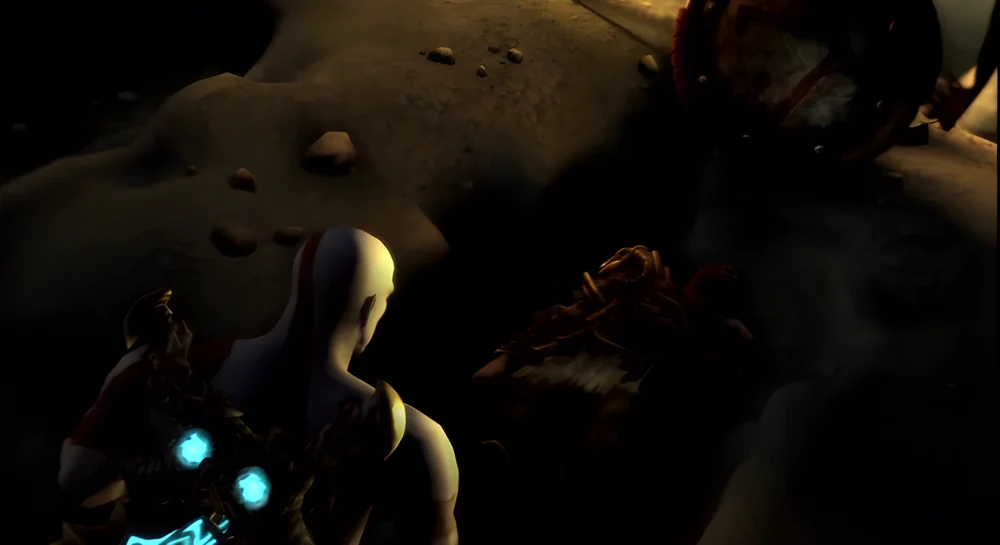
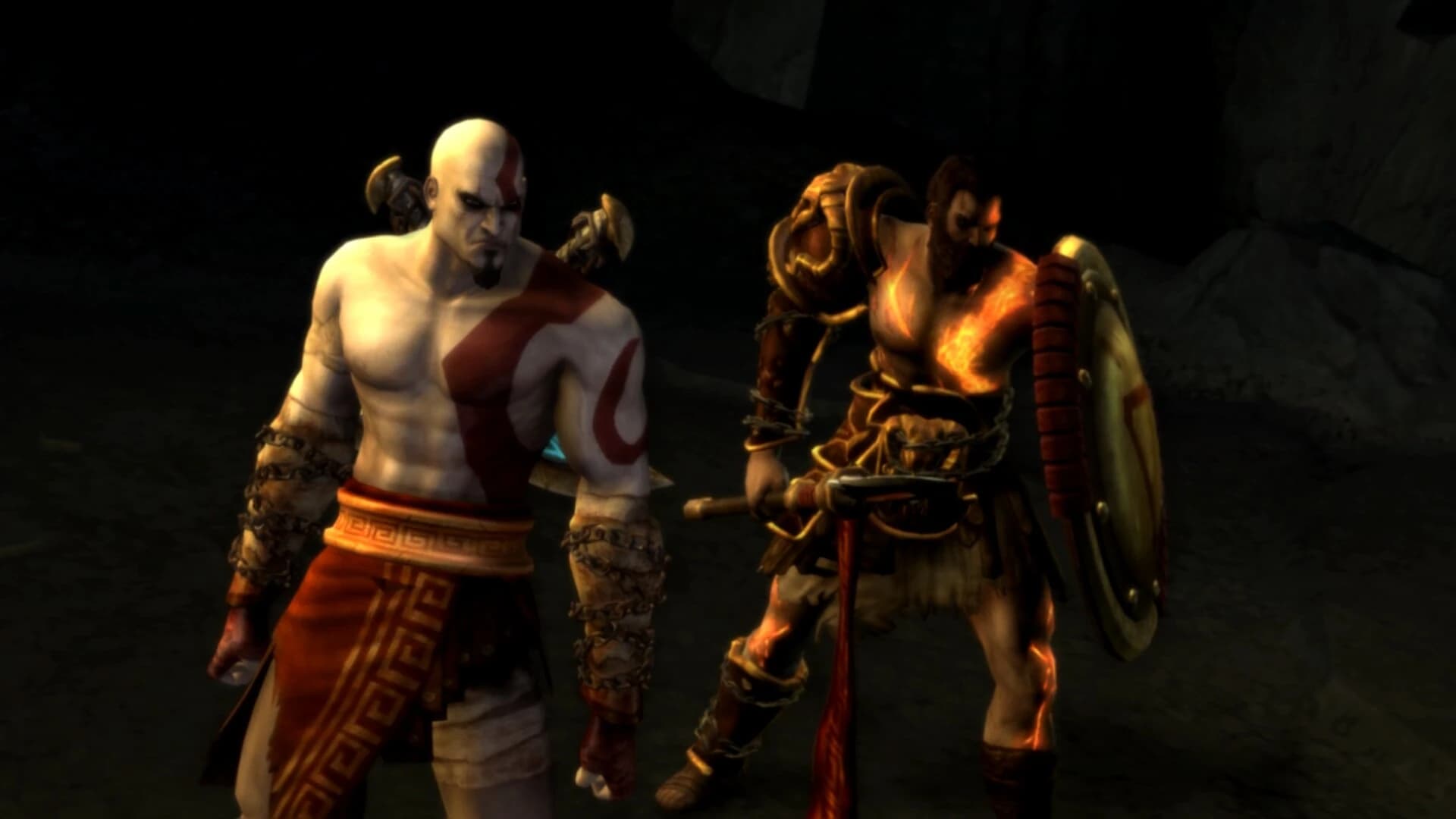
Barely able to stand, Kratos followed and reached his brother in time to save him from the fall. He swore never to leave Deimos again and gave him the Arms of Sparta, and the two charged the God of Death side by side. Thanatos taunted them, saying Ares had chosen poorly in taking Deimos when he should have taken Kratos, and that Kratos was only a pawn in a game he did not know was being played. As they fought, Thanatos transformed into a gigantic winged monster, seized Deimos, and crushed him against the cliffside, killing him. Consumed by rage, Kratos unleashed his power at an inhuman level and destroyed Thanatos, avenging his brother. He carried the body to the top of the Bluffs along the Path of Solitude, where the Grave Digger had prepared a grave beside that of their mother, and laid Deimos to rest, declaring him free at last. The hunt for his brother, from Atlantis to the Domain of Death, is laid out in the God of War: Ghost of Sparta story. (God of War: Ghost of Sparta)
Aftermath and legacy#
Deimos' death was the final injury that turned Kratos against the gods, drawing from him a vow that they would pay for what they had done to his brother and mother. In time Kratos fulfilled that vow by destroying the Olympians, and in doing so he became the very Marked Warrior the gods had sought to suppress. Zeus, taunting Gaia, would later refer to Deimos dismissively as the other one, suggesting it was Deimos she ought to have chosen. In actual Greek myth Deimos was a son of Ares and the god of terror, one of several names explained in the myths behind God of War. (God of War: Ghost of Sparta; God of War III)
Unlike Kratos, Deimos had been softhearted and kind in childhood, though the torment he suffered left him aggressive and warlike. Even so he retained a measure of compassion for his brother, shown in their reconciliation and their shared resolve to stop Thanatos. Centuries later, in the Norse realms, Kratos retold his brother's story to the goddess Freya while urging her to mend her own bond with her brother, and later admitted, when Freya asked, that he had never apologized to Deimos. The day the gods took him is one of the first events in the Kratos story, as the God of War timeline lays it out. (God of War: Ghost of Sparta; God of War Ragnarök)
Frequently asked questions
- Who is Deimos in God of War?
- Deimos was the younger son of Zeus and the mortal Callisto, and the younger brother of Kratos. Born in Sparta and marked from birth by a strange birthmark across his body, he was taken from his family as a child to avert a prophecy of Olympus' fall.
- Why was Deimos taken from his family?
- The Oracle had foretold the destruction of the Olympians at the hands of the Marked Warrior, and because of his unusual birthmark the gods feared Deimos was that warrior. Ares and Athena descended on Sparta and seized him, and Ares delivered him to Thanatos in the Domain of Death to be tormented so the prophecy could never come to pass.
- How did Deimos die?
- After Kratos freed him and the two reconciled, they fought Thanatos together at Suicide Bluffs. Thanatos transformed into a gigantic winged monster, seized Deimos, and crushed him against the cliffside, killing him.
- What did Deimos' death do to Kratos?
- Consumed by rage, Kratos destroyed Thanatos and buried his brother beside their mother. The grief became the final injury that turned Kratos against the gods, drawing from him a vow that they would pay for what they had done to his brother and mother.
- Why did Deimos hate Kratos when they reunited?
- For years Deimos believed Kratos would come to free him, but as the years of torment wore on, that hope faded and was replaced by hatred for the brother who had left him to rot. When freed he turned on Kratos in fury, swearing he would never forgive the abandonment, before the two later reconciled.
Gallery
Images via God of War Wiki
Sources
- GameGod of War III, Santa Monica Studio, 2010
- GameGod of War Ragnarök, Santa Monica Studio, 2022
- GameGod of War: Ghost of Sparta, Ready at Dawn, 2010
Spotted a factual error or a primary source we missed? Email a correction. Every flagged claim gets reviewed.
Followed from this entry
Callisto
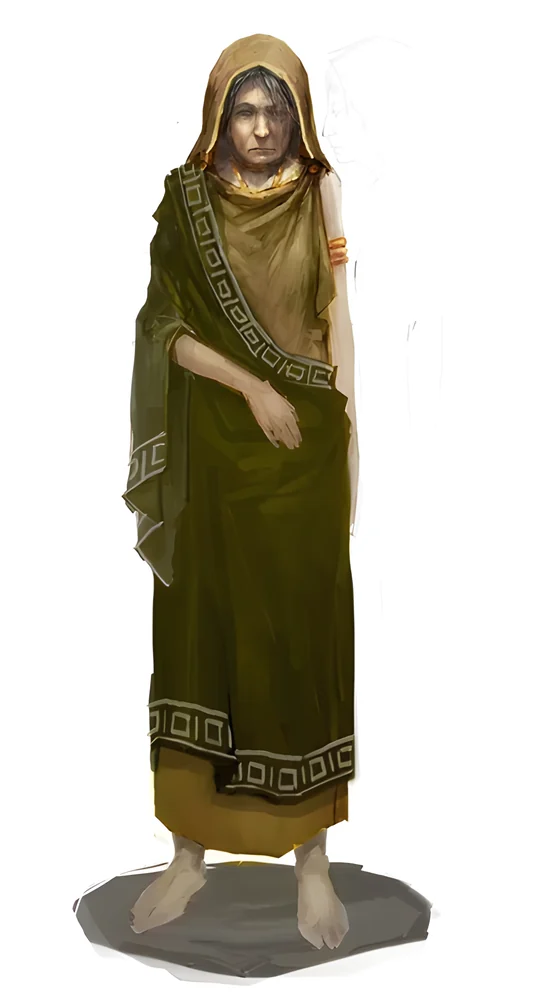
Callisto was a Spartan woman and one of the many mortal lovers of Zeus, mother of Kratos and Deimos. Kept hidden in Atlantis and cursed by the King of the Gods, she died at her own son's hands while trying to name his father.
Grave Digger
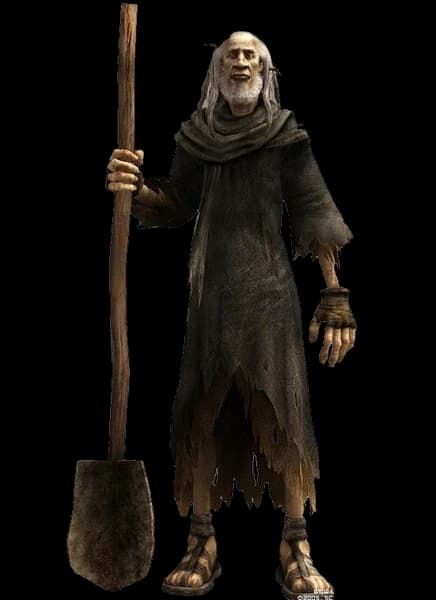
The Grave Digger was a mysterious old man who dug graves outside the Temple of the Oracle in Athens and aided Kratos in his darkest hours. He was in truth Zeus, the King of the Gods, watching over the Ghost of Sparta in disguise.
Kratos
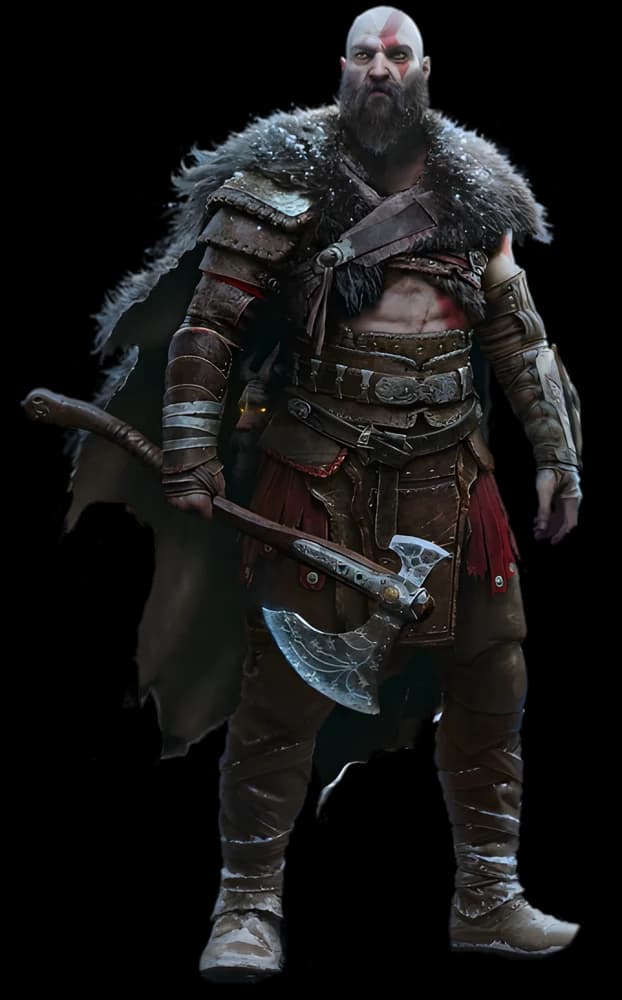
Kratos was the demigod son of Zeus who rose from a Spartan general to the Greek God of War, destroyed the pantheon of Olympus in a quest for vengeance, and then began again in the Norse realms as a father seeking to leave his bloody past behind.
God of War: Ghost of Sparta Story Explained
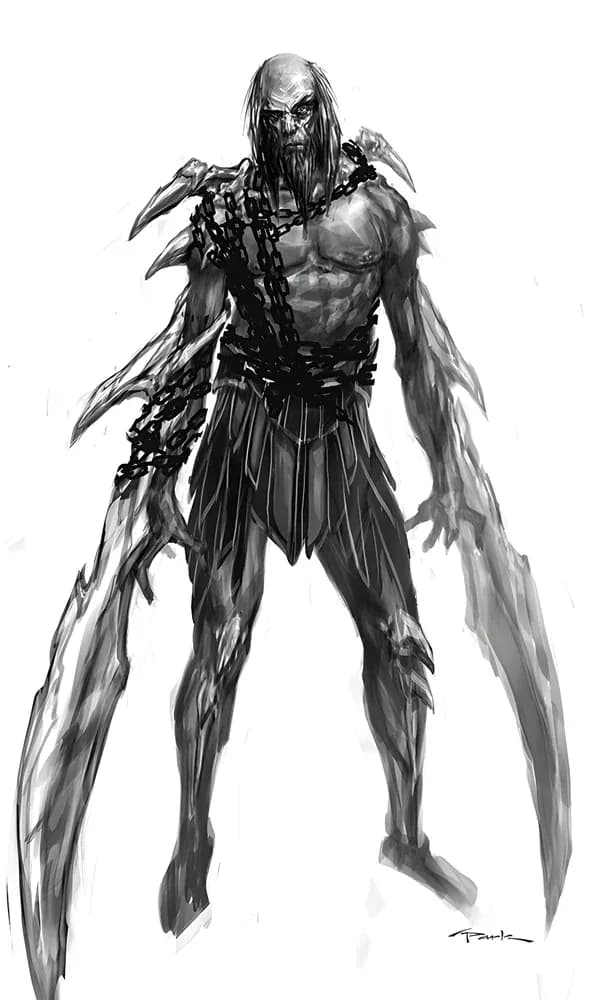
The plot of Ghost of Sparta in order, from Kratos's visions of his mother to the death of his brother Deimos in the Domain of Death. Then the ending explained: the marked warrior prophecy, Athena's apology, and why Kratos leaves at war with Olympus.
Kratos in Greek Mythology vs God of War: the Real Myth Behind the Ghost of Sparta
Kratos was a real figure in Greek myth: the god of strength, son of Pallas and Styx, and the enforcer who chained Prometheus to a rock. Here's what the old poems say about him, what Santa Monica kept for its Spartan, and where Atreus and the series' other borrowed names come from.
Ares: the god who made Kratos a killer
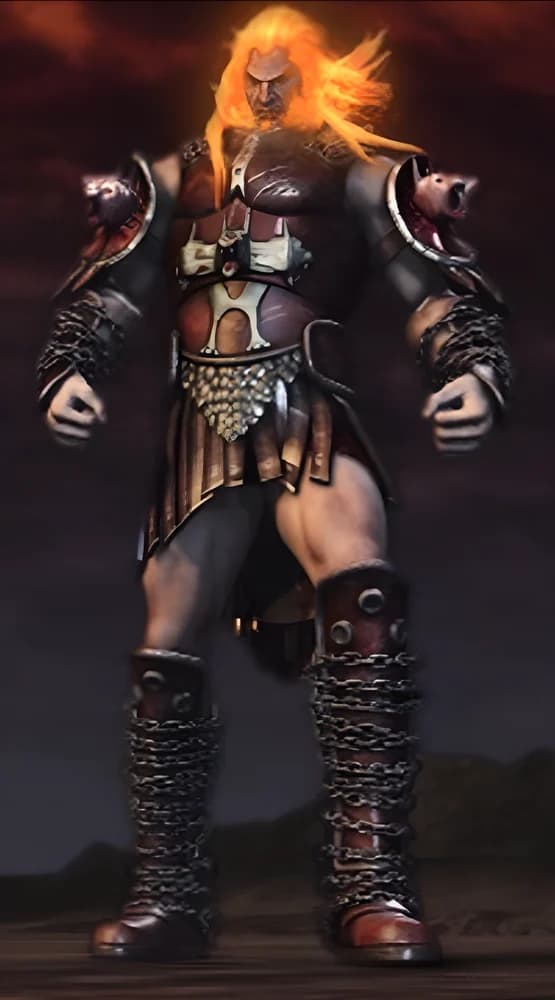
Ares tricked Kratos into slaughtering his own wife and daughter to bind him as a weapon. Kratos killed him at Athens and took his place as God of War.
Mentioned in38 entries
Acmon: the brains of the thieving Kerkopes
Acmon was one of the Kerkopes, a pair of thieving monkey-like brothers who dwelt in the Laconian Woods. Blue-furred and long-suffering, he was the wilier of the two, and he crossed paths with the young Kratos and Deimos during their search through Laconia.
Adrasteia: the griffin who raised Zeus
Adrasteia was a nymph in the service of Gaia who, with her sisters, hid and raised the infant Zeus beyond the reach of Cronos. For shielding the child she was cursed into the shape of a griffin and imprisoned within Mount Taygetos, until Kratos and Deimos set her free.
Arms of Sparta
The Arms of Sparta were the spear and shield Kratos carried as a mortal general before he served Ares. The Last Spartan kept them in his absence and returned them to him during the search for Deimos, after which Kratos gave them to his brother and left them at his grave.
Athena: from Kratos' guide to his enemy
Athena set Kratos against Ares to save Athens, then turned on him when his reign grew worse. She died taking a blow meant for Zeus, and named Kratos his son.
Atlantis
Atlantis was the great sea-faring city of Poseidon, home to his mightiest temple and guarded by the monster Scylla. It was where Kratos found his dying mother Callisto, and his battle there sank the ancient city beneath the waves.
Calliope
Calliope was the beloved daughter of Kratos and Lysandra, a gentle and innocent child of Sparta. Killed by her father during a frenzy contrived by Ares, she found rest in the Elysium Fields, only for Kratos to be forced to abandon her there to save the world.
Callisto
Callisto was a Spartan woman and one of the many mortal lovers of Zeus, mother of Kratos and Deimos. Kept hidden in Atlantis and cursed by the King of the Gods, she died at her own son's hands while trying to name his father.
Castor and Pollux
Castor and Pollux were conjoined Spartan twins, one mortal and one a son of Zeus, who seized the Temple of the Oracle at Delphi and posed as its prophet. Acting for the Furies, they imprisoned the true Oracle and stood as the first enemies Kratos faced in his quest to be free of his rage.
Centaur
The Centaurs were monsters of the Greek world, part man and part horse, once renowned for poetry and wine-making in the forests of Mount Pelion. When the Lapiths encroached on their woods they took up arms, and in time were recruited across Greece for their martial prowess.
Cerberus: the multi-headed hounds of Hades
The Cerberi were a race of fierce multi-headed hounds, most of them kept as the beasts of Hades in the Underworld. Kratos faced them across many of his journeys, from the breeders of Pandora's Temple to the Mole Cerberus that had swallowed Jason and the Golden Fleece.
Demigod: the mortal children of the gods
Demigods were the offspring of a god and a mortal, half-human and half-divine. Mortal yet possessed of superhuman strength and the fighting prowess of a god, the worthiest among them could rise to godhood. Kratos himself was one such demigod before he claimed the throne of war.
Eleonora
Eleonora was a Spartan temple maiden charged with the care of the interconnected temples of Laconia. Born to a family bound to that service, she tended the shrines of the gods and questioned the path her duty had denied her.
+ 26 more
Get new articles in your inbox
No spam. New lore drops, canon conflicts, and deep dives only when they’re worth reading.
Some links on Lore Fortress are affiliate links. If you buy through them we earn a small commission at no extra cost to you.