Centaur
the horse-bodied warriors of Greece
The Centaurs were monsters of the Greek world, part man and part horse, once renowned for poetry and wine-making in the forests of Mount Pelion. When the Lapiths encroached on their woods they took up arms, and in time were recruited across Greece for their martial prowess.
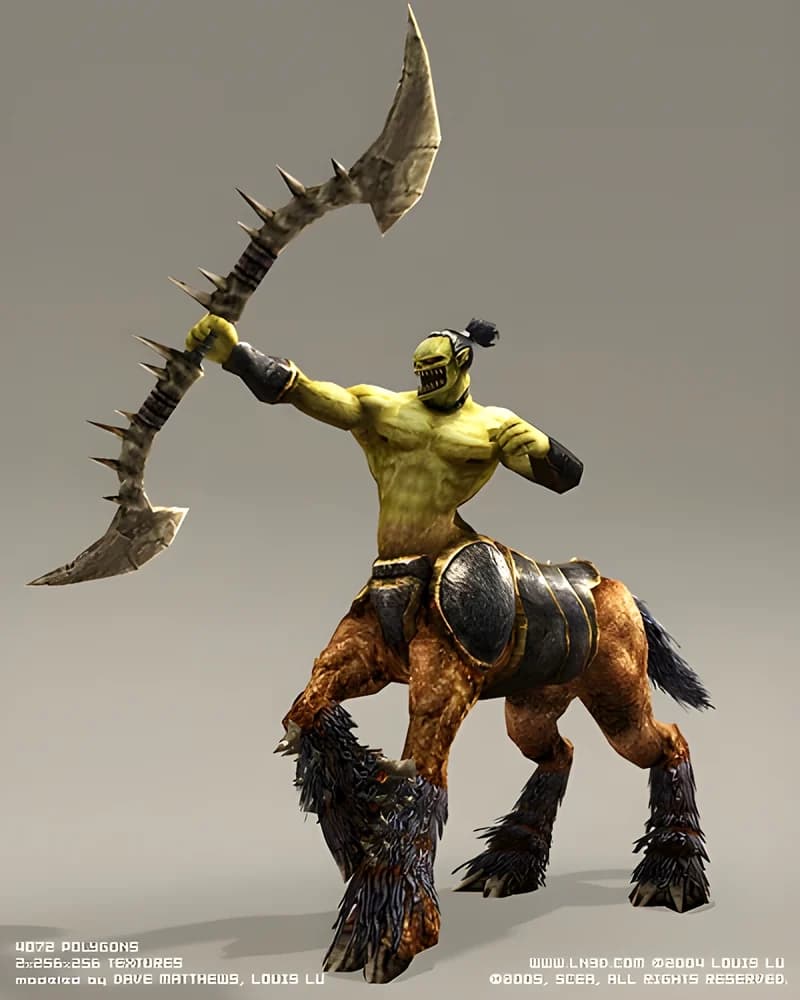
The Centaurs were monsters of the Greek world, beings both part man and part horse. Once renowned for their poetry and their wine, they became fearsome warriors recruited across Greece for their prowess in battle, and Kratos faced them in the deep places of Pandora's Temple and in the wars of the gods. (God of War; God of War III; God of War Ragnarök: Valhalla)
From poets to warriors#
According to the journal Kratos keeps in Valhalla, the Centaurs had not always been beasts of war. They were once well known for their poetry and their wine-making in the forests of Mount Pelion, living after their own fashion among the trees. It was only when the Lapiths encroached upon their forests that the Centaurs took up arms to defend their home. Their skill in that war did not go unnoticed, and before long they were being recruited across the whole of Greece for their martial prowess. (God of War Ragnarök: Valhalla)
In the older tales of Greece the Centaurs were a varied kind. Among them was Chiron, an uncharacteristically peaceful and wise Centaur, a renowned healer and teacher whom some accounts make a son of the Titan Cronos. Another was Nessus, who played a great part in the death of Hercules. (Apollodorus, Library; Sophocles, Women of Trachis)
The Centaur Generals#
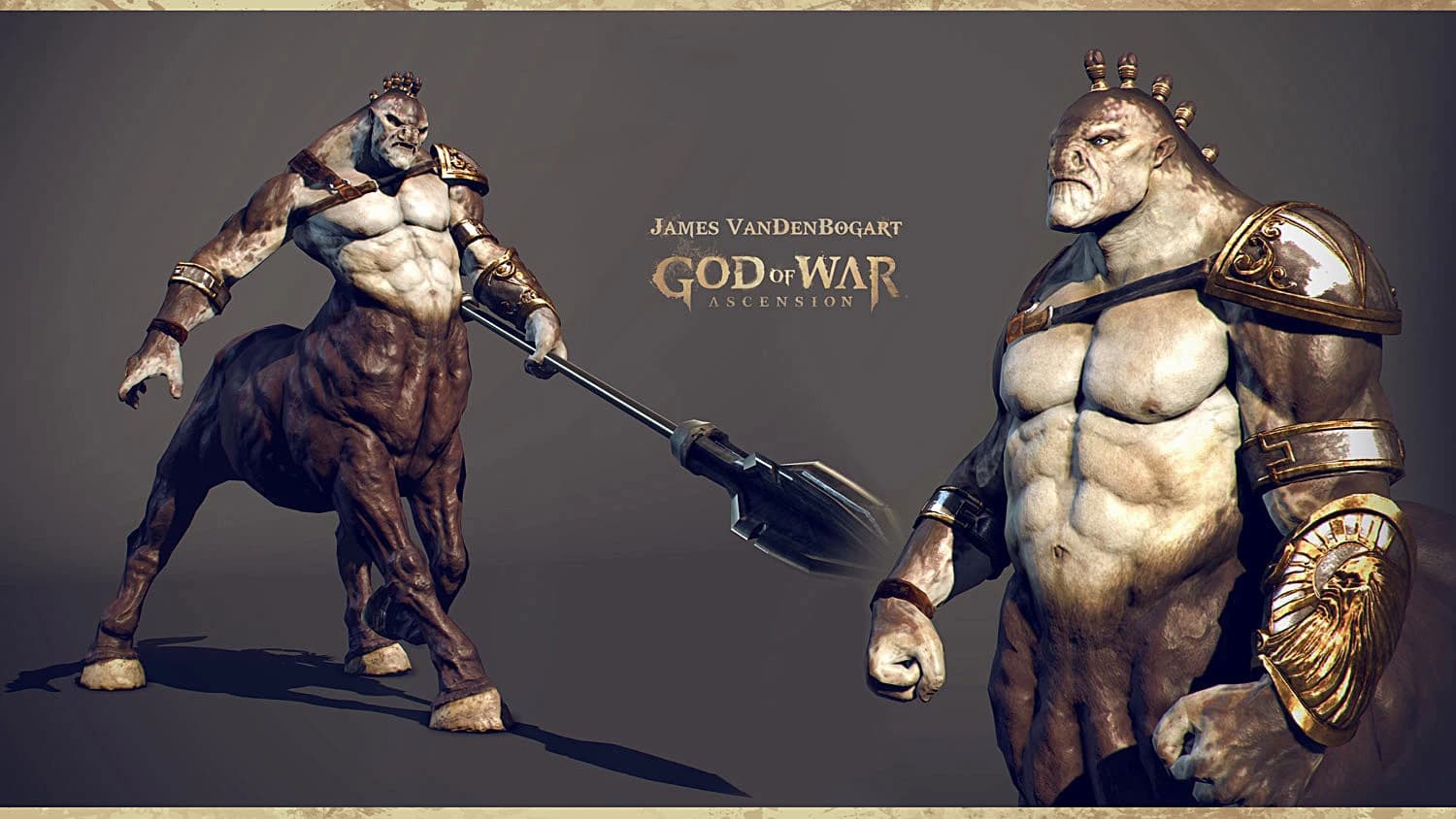
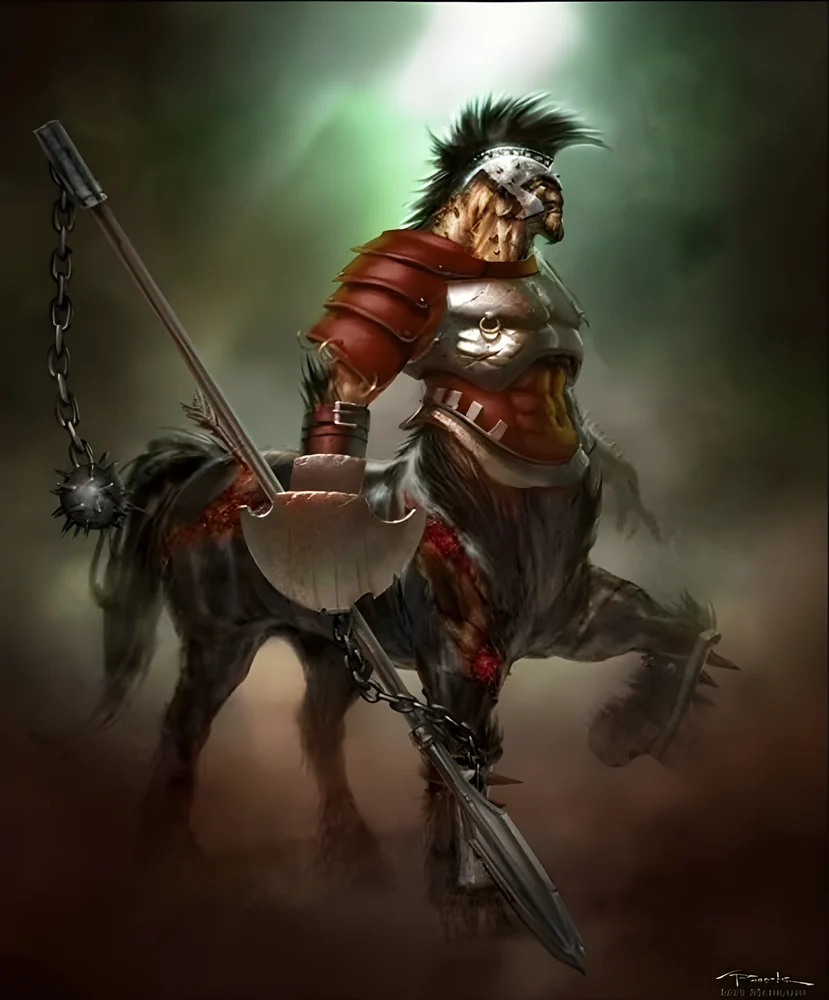
The mightiest of all the Centaurs were the Centaur Generals, a powerful breed adorned in heavy armor and bearing deadly spears. They were commanders as much as warriors, able to marshal the Olympus Sentries and grant them greater skill and cunning in battle, so that they were far more dangerous under a Centaur General's command than left to their own devices. When no lesser foes stood near, a General would lower its spear and charge, driving the weapon through any warrior who failed to turn the blow aside and hurling him across the field. (God of War III)
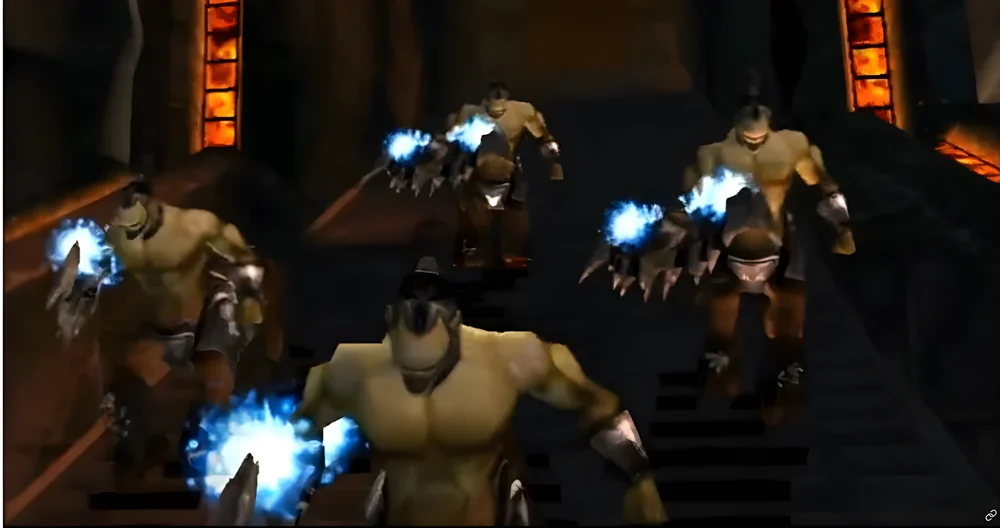
Kratos first met the Centaurs deep within Pandora's Temple, where he was made to slay eight of them within twin rings of magic as a blood sacrifice demanded by Hades, and a single one more in the Maze that followed. They were rare foes there, mysterious in their scarcity. Years later, in the final fall of Olympus, he faced three of the great Centaur Generals: one in the Tomb of Ares, one leading an undead legion up the steps of Olympia, and the last standing guard over the Gates of Tisiphone in Tartarus. A vision of these armored Generals had haunted Kratos before, for they had ridden in the attack on Sparta during which his brother Deimos was taken from their family. (God of War; God of War III; God of War: Ghost of Sparta)
Frequently asked questions
- What are Centaurs in God of War?
- The Centaurs were monsters of the Greek world, beings part man and part horse. They became fearsome warriors recruited across Greece for their prowess in battle.
- How did the Centaurs become warriors?
- According to the journal Kratos keeps in God of War Ragnarök: Valhalla, the Centaurs were once well known for their poetry and wine-making in the forests of Mount Pelion. They took up arms only when the Lapiths encroached upon their forests, and their skill in that war led them to be recruited across the whole of Greece.
- What are the Centaur Generals?
- The Centaur Generals were the mightiest of all the Centaurs, a powerful breed adorned in heavy armor and bearing deadly spears. They were commanders as much as warriors, able to marshal the Olympus Sentries and grant them greater skill and cunning in battle.
- Where did Kratos first fight Centaurs?
- Kratos first met the Centaurs deep within Pandora's Temple, where he was made to slay eight of them within twin rings of magic as a blood sacrifice demanded by Hades, and a single one more in the Maze that followed.
- What connection do the Centaurs have to Deimos?
- A vision of the armored Centaur Generals had haunted Kratos, for they had ridden in the attack on Sparta during which his brother Deimos was taken from their family.
Gallery
Images via God of War Wiki
Sources
- GameGod of War, Santa Monica Studio, 2005
- GameGod of War III, Santa Monica Studio, 2010
- GameGod of War: Ghost of Sparta, Ready at Dawn, 2010
- GameGod of War Ragnarök: Valhalla, Santa Monica Studio, 2023 (DLC)
- BookLibrary (Bibliotheca), Pseudo-Apollodorus, 1st or 2nd century AD
- BookWomen of Trachis, Sophocles, 5th century BC
Spotted a factual error or a primary source we missed? Email a correction. Every flagged claim gets reviewed.
Followed from this entry
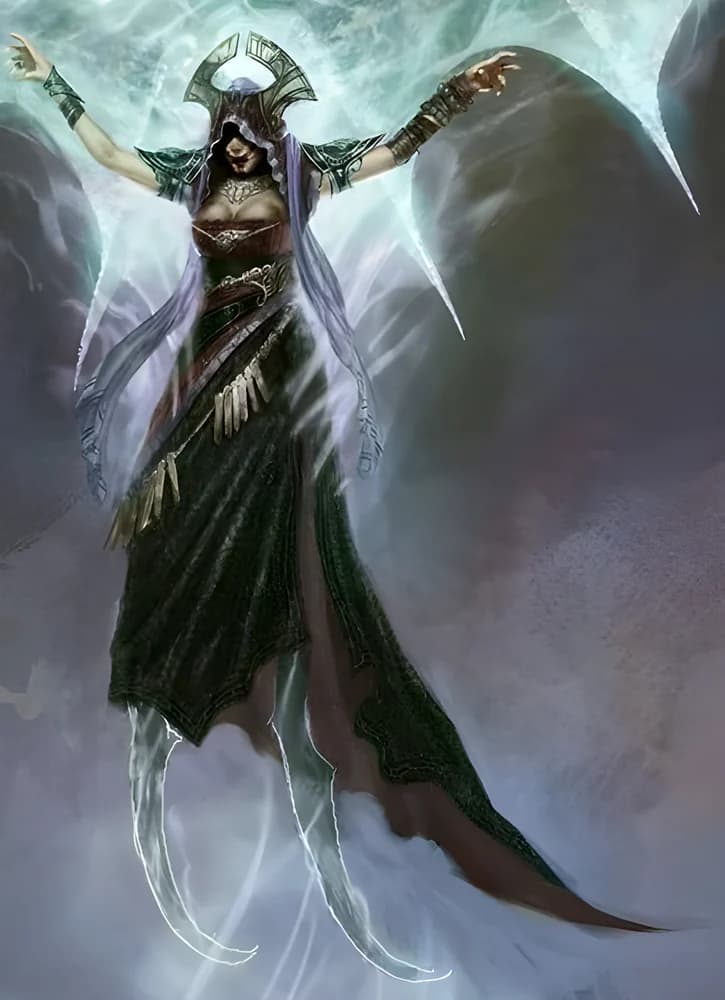
Tisiphone
Tisiphone was one of the three Furies, the Fury of the Mind whose illusions were the cunningest and cruelest of her sisters. She summoned the creature Daimon, warped reality itself, and tormented Kratos with visions of his dead wife before he saw through her spells and broke her neck.
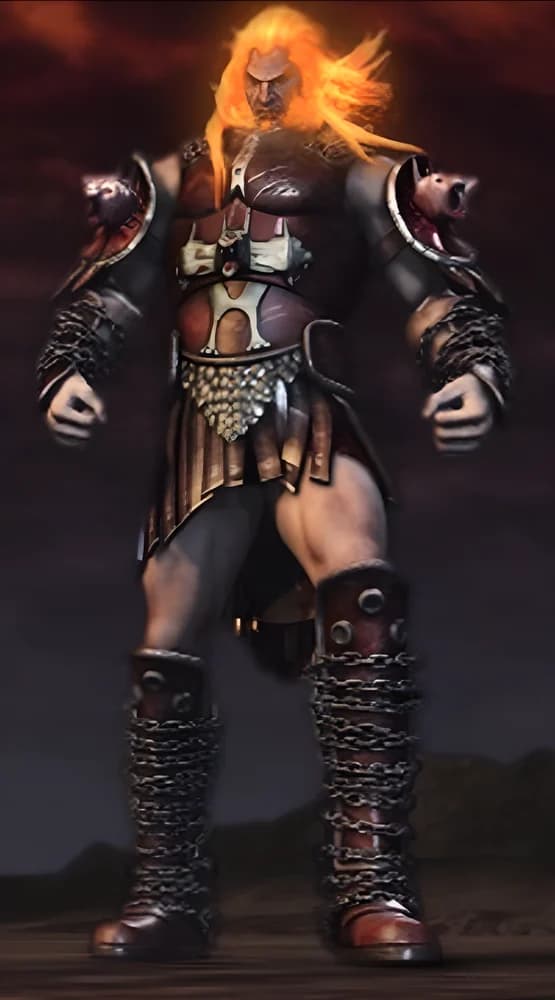
Ares: the god who made Kratos a killer
Ares tricked Kratos into slaughtering his own wife and daughter to bind him as a weapon. Kratos killed him at Athens and took his place as God of War.
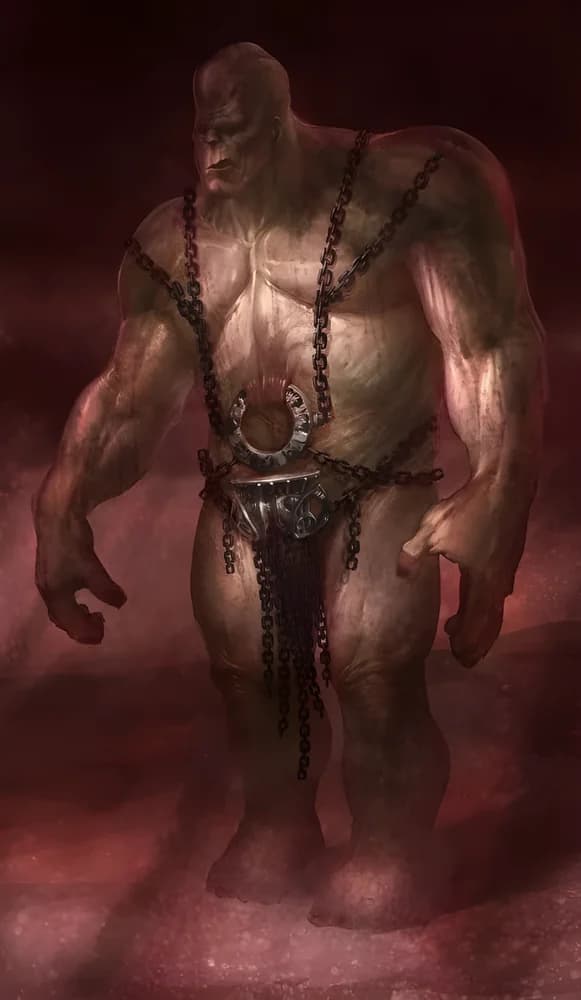
Cronos: the Titan who ate his children
Warned that his own children would depose him, Cronos swallowed each at birth. Rhea hid Zeus, Zeus deposed him anyway, and Kratos finished him.
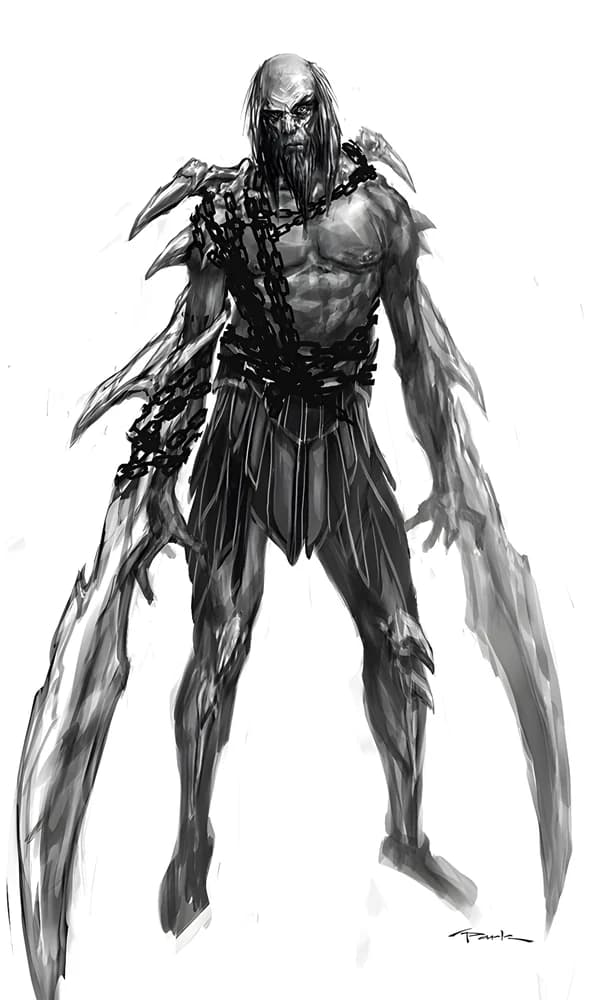
Deimos: the brother Kratos failed to save
Ares and Athena seized Deimos as a boy because his birthmark matched the prophecy of the Marked Warrior. Thanatos crushed him at Suicide Bluffs.
Hades: the god whose soul Kratos tore out
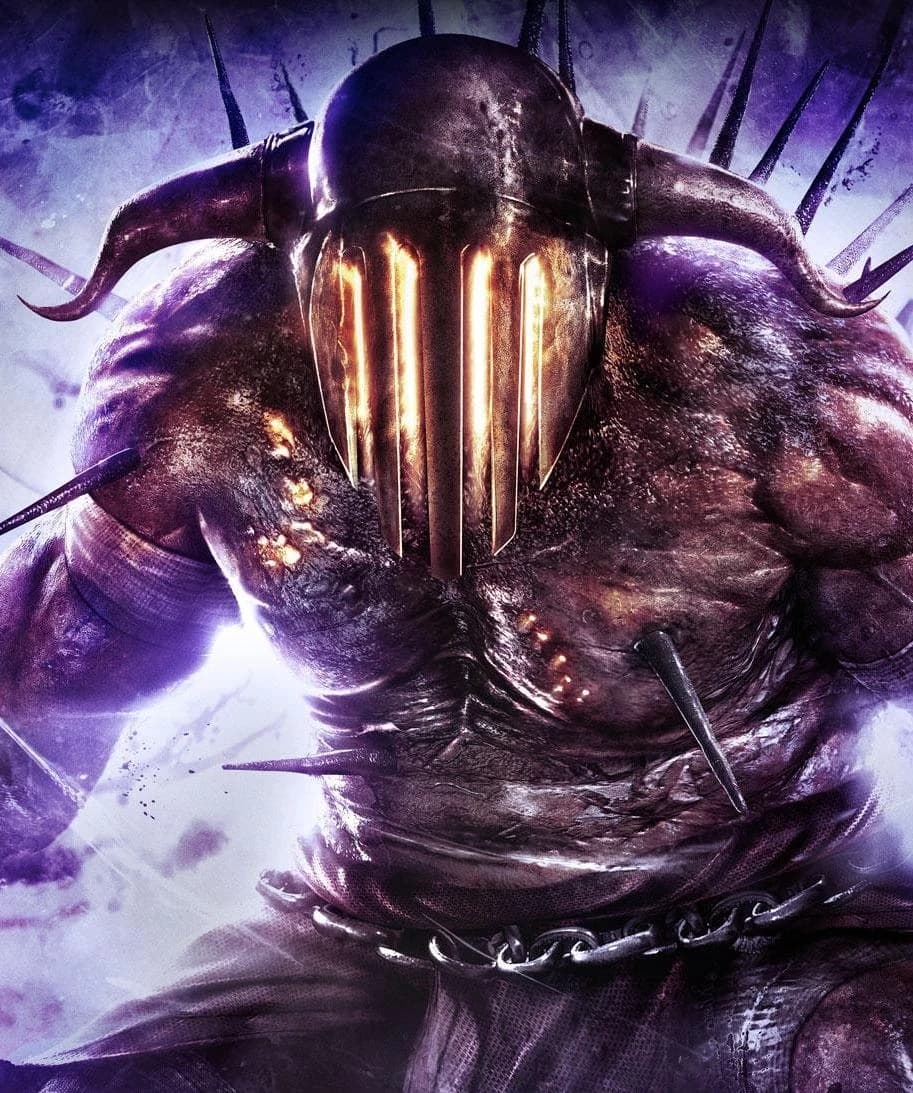
Eldest son of Cronos, Hades ruled the Underworld and held life and death in balance. Kratos turned the Claws of Hades on him and ripped his soul out.
Hercules
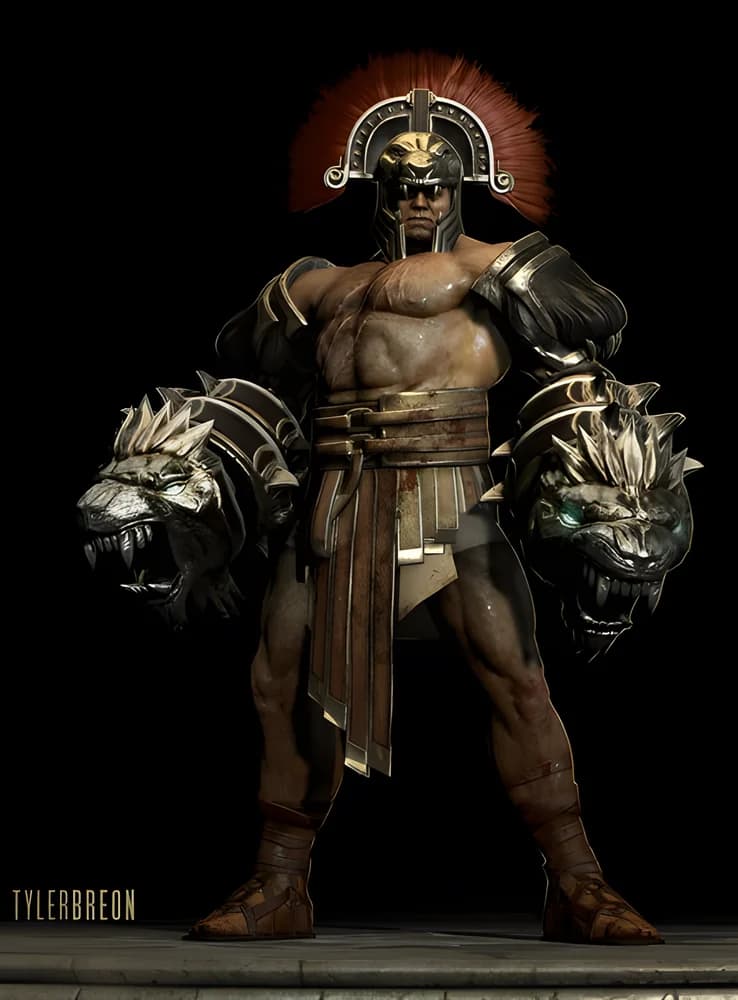
Hercules was a son of Zeus and the mortal Alcmene, a demigod who had completed twelve labors to atone for killing his family. Consumed by jealousy of his half-brother Kratos, he named the killing of the Ghost of Sparta his unofficial thirteenth labor and died for it in the Forum of Olympus.
Mentioned in4 entries
Ixion: the kin-slayer bound to the wheel
Ixion was the king of the Lapiths of Thessaly and the first mortal ever to slay his own kin. Pardoned by Zeus and welcomed to Olympus, he repaid the gods by lusting after Hera, and for that treachery he was bound to a winged wheel of fire. In the age of Kratos his ruined body hung chained in the prison of the damned.
Monster: the beasts of the mythic world
Monsters, also called Beasts, were the hostile creatures of the mythic world, beings that could be counted neither as mortals nor as gods or Titans. From the minotaurs and gorgons of Greece to the trolls and dragons of the Norse realms, they haunted every land that Kratos ever walked.
Satyr
The Satyrs were fierce goat-headed creatures of the Greek world, half man and half goat, counted among the most formidable monsters Kratos ever faced. Once companions of revelry in the older myths, in the age of the gods they became disciplined warriors who fought in coordinated bands under their generals and commanders.
Stalker: the antlered hunters of the wilds
Stalkers were antlered, horse-bodied hunters who roamed Midgard and Vanaheim, worshippers of Skaði and masters of the hunt. Once peaceful, many turned savage with the coming of Fimbulwinter, a change Mimir blamed on Odin's meddling.
Get new articles in your inbox
No spam. New lore drops, canon conflicts, and deep dives only when they’re worth reading.
Some links on Lore Fortress are affiliate links. If you buy through them we earn a small commission at no extra cost to you.