Satyr
the goat-headed warriors of Greece
The Satyrs were fierce goat-headed creatures of the Greek world, half man and half goat, counted among the most formidable monsters Kratos ever faced. Once companions of revelry in the older myths, in the age of the gods they became disciplined warriors who fought in coordinated bands under their generals and commanders.
The Satyrs were creatures of Greek myth, beings with goat-like heads and horns, the upper body of a man and the clawed legs of a goat. Among the fiercest monsters in all the Greek world, they were able to stand toe to toe with Kratos himself and could make short work of any warrior who grew careless against them. (God of War (2005); God of War II; God of War III)
From revellers to warriors#
In the oldest myths of Greece the Satyrs were creatures of revelry, beings with the upper body of a man and the horns and hind legs of a goat. They were the companions of Pan and of Dionysus, known above all for their love of wine, their pursuit of the nymphs, and a general drunken chaos and mischief. The old satyr Silenus also turns up in the tale of King Midas, who won the gift by which all he touched turned to gold from Dionysus as a reward for returning Silenus to him. (Metamorphoses)
In the age of the gods the Satyrs of Greece had become something far harder. They kept the goat-like head and the clawed limbs, but they were now disciplined and acrobatic warriors, ranging in build from small and nimble to large and powerfully built, and they wielded weapons of war: double-bladed staves that could be parted into twin blades, paired sai, axes, clubs, and shields. (God of War (2005); God of War: Chains of Olympus; God of War III; God of War: Ascension)
Generals and bands#
The Satyrs rarely fought alone. The lesser among them, swift and agile, swarmed in numbers and were deadliest when marshalled by their betters. Above them stood the Satyr Generals and Satyr Captains, hulking creatures of great strength who could command the lesser Satyrs and direct them in coordinated assaults, much as the Centaur Generals marshalled the Sentries and Legionnaires of Olympus. What the generals lacked in agility they made up for in raw power, wielding great swords and grappling hooks. (God of War: Ascension)
Upon the island of Delos dwelt the Satyr Commanders, elite warriors clad in heavy blue armor far stronger than the light plate of common Satyrs. They were masters of evasion and of deadly combinations with their weapons, and one such band guarded the Statue of Apollo. Other breeds were scattered across the Greek world and the realms beyond: the Two-Sai Satyrs and Satyr Grenadiers found near the Temple of Helios, the blackened Dark Satyrs of the Temple of Persephone, and the flame-wreathed Hades Satyrs who stood as the last guardians barring the way out of the Underworld. (God of War: Ascension; God of War: Chains of Olympus; God of War (2005))
Frequently asked questions
- What are Satyrs in God of War?
- Satyrs were creatures of Greek myth with goat-like heads and horns, the upper body of a man, and the clawed legs of a goat. They were among the fiercest monsters in the Greek world and could stand toe to toe with Kratos himself.
- How did Satyrs change from the old myths to the age of the gods?
- In the oldest myths the Satyrs were creatures of revelry, companions of Pan and Dionysus known for wine, the pursuit of nymphs, and drunken mischief. In the age of the gods they became disciplined and acrobatic warriors who wielded double-bladed staves, paired sai, axes, clubs, and shields.
- Who led the Satyrs in battle?
- The Satyrs rarely fought alone. The Satyr Generals and Satyr Captains, hulking creatures of great strength, commanded the lesser Satyrs and directed them in coordinated assaults, much as the Centaur Generals marshalled the Sentries and Legionnaires of Olympus.
- What different breeds of Satyr existed?
- Many breeds were known, including the Satyr Commanders of Delos who wore heavy blue armor and guarded the Statue of Apollo, the Two-Sai Satyrs and Satyr Grenadiers near the Temple of Helios, the Dark Satyrs of the Temple of Persephone, and the flame-wreathed Hades Satyrs who guarded the way out of the Underworld.
- What weapons did the Satyr Generals use?
- What the Satyr Generals lacked in agility they made up for in raw power, wielding great swords and grappling hooks.
Sources
- GameGod of War (2005), Santa Monica Studio, 2005
- GameGod of War II, Santa Monica Studio, 2007
- GameGod of War III, Santa Monica Studio, 2010
- GameGod of War: Chains of Olympus, Ready at Dawn, 2008
- GameGod of War: Ascension, Santa Monica Studio, 2013
- BookMetamorphoses, Ovid, AD 8
Spotted a factual error or a primary source we missed? Email a correction. Every flagged claim gets reviewed.
Followed from this entry
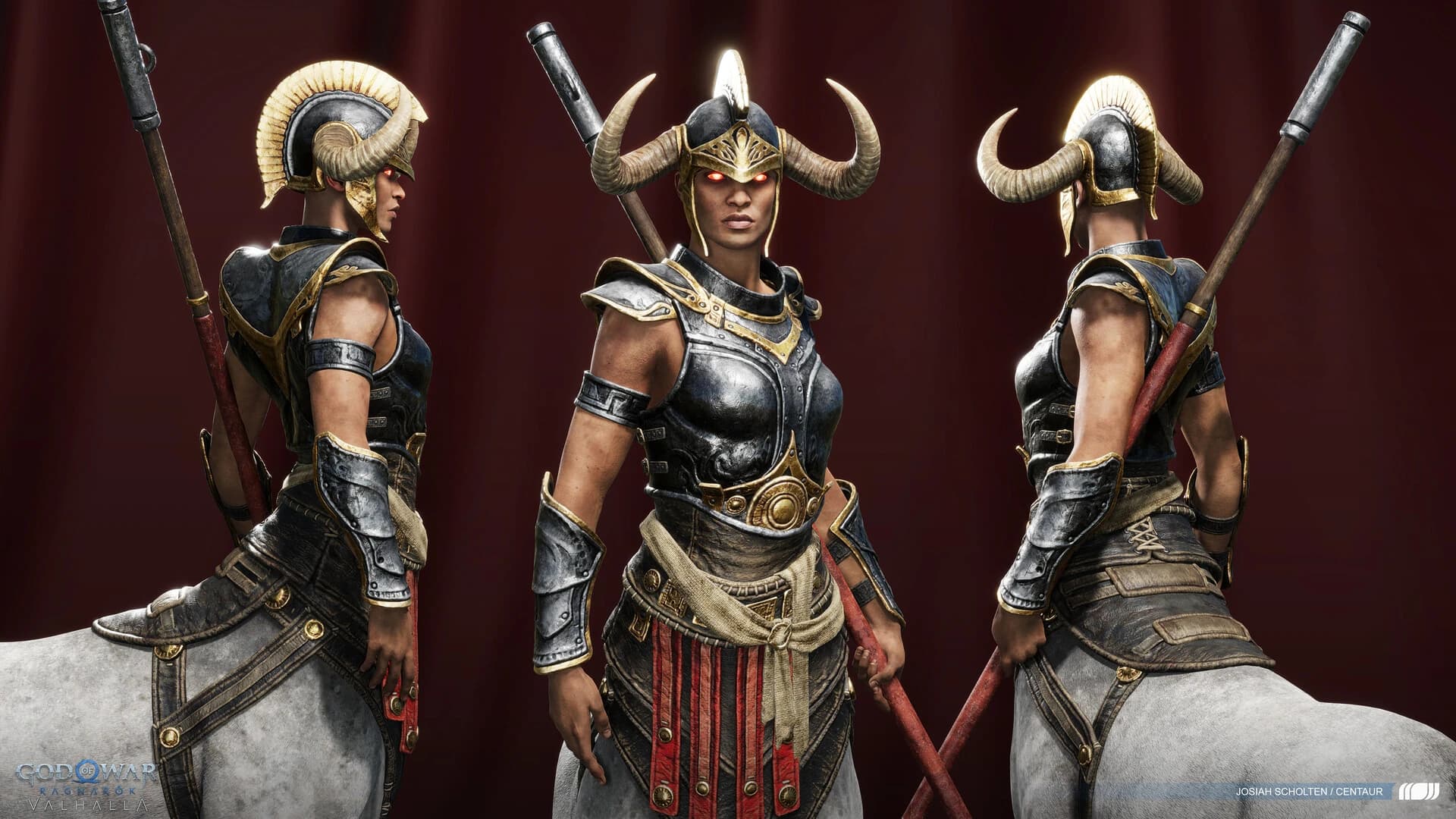
Centaur
The Centaurs were monsters of the Greek world, part man and part horse, once renowned for poetry and wine-making in the forests of Mount Pelion. When the Lapiths encroached on their woods they took up arms, and in time were recruited across Greece for their martial prowess.
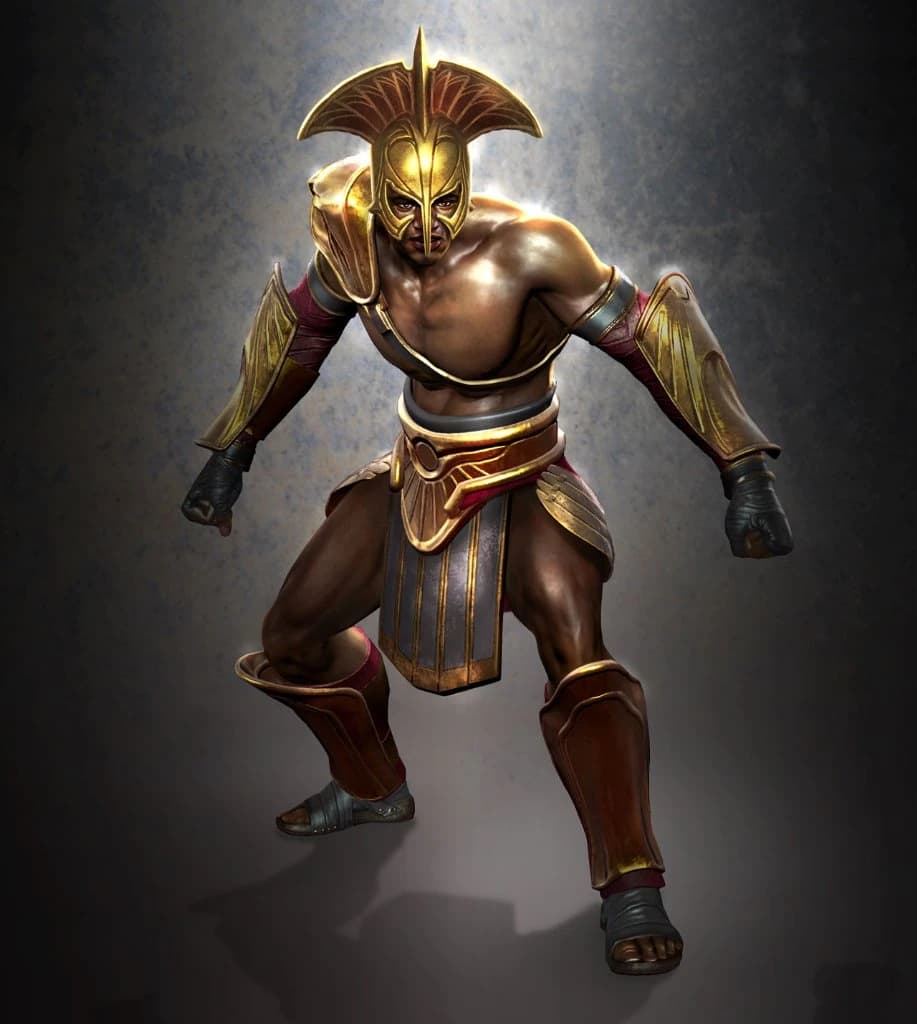
Apollo: the Olympian who escaped Kratos
Apollo never faced Kratos in the flesh. His Flame lit the way to the Tree of Life, his Bow lay in the Underworld, and he survived the slaughter.
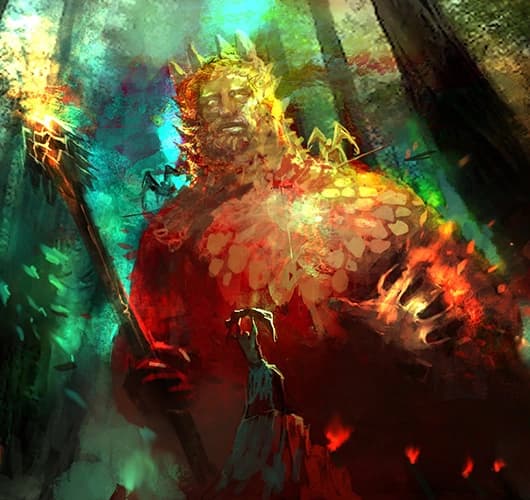
Dionysus: the Olympian god of wine
Dionysus was the Olympian god of wine, fertility, festivity, and revelry. Known for his lack of fidelity, he stole the love of Ariadne from the hero Theseus and set in motion the chain of grief that bound Theseus to the service of the Sisters of Fate.
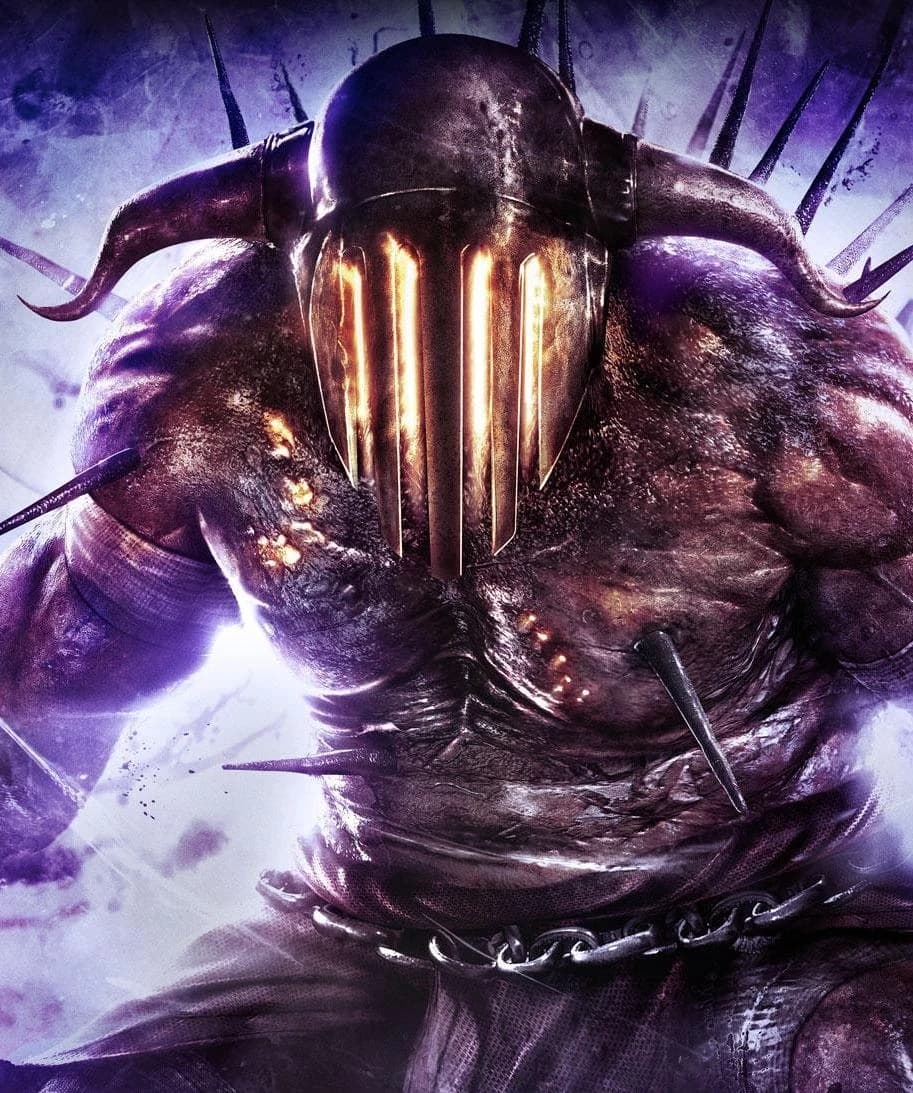
Hades: the god whose soul Kratos tore out
Eldest son of Cronos, Hades ruled the Underworld and held life and death in balance. Kratos turned the Claws of Hades on him and ripped his soul out.

Helios: the sun god Kratos beheaded
Kratos once saved Helios from the Titan Atlas. Years later he tore the sun god's head from his body and carried it through Olympus as a lantern.
Kratos
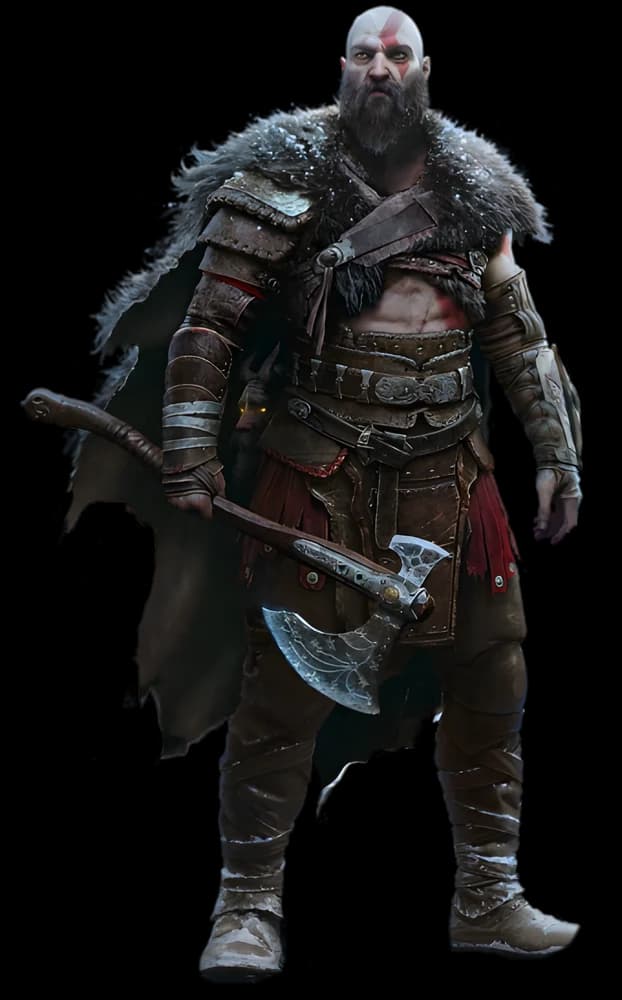
Kratos was the demigod son of Zeus who rose from a Spartan general to the Greek God of War, destroyed the pantheon of Olympus in a quest for vengeance, and then began again in the Norse realms as a father seeking to leave his bloody past behind.
Mentioned in3 entries
Monster: the beasts of the mythic world
Monsters, also called Beasts, were the hostile creatures of the mythic world, beings that could be counted neither as mortals nor as gods or Titans. From the minotaurs and gorgons of Greece to the trolls and dragons of the Norse realms, they haunted every land that Kratos ever walked.
River Styx: the river of hatred beneath Greece
The River Styx was the great river of the Greek Underworld, a barrier that killed the living on contact and carried the souls of the dead toward judgement. Charon ferried across it, the Path of Hades bridged it, and Kratos crossed, fell into and finally swam it more times than any mortal.
The Undead: the dead who would not rest
The Undead were the dead returned to motion, raised by curse, godly power, or magic to serve the masters of the afterlife. In Greece they marched as soulless corpses in the armies of Ares and Hades, while in the Nine Realms the Draugr, Hel-Walkers, and Einherjar overran the living world as Ragnarok drew near.
Get new articles in your inbox
No spam. New lore drops, canon conflicts, and deep dives only when they’re worth reading.
Some links on Lore Fortress are affiliate links. If you buy through them we earn a small commission at no extra cost to you.