Dionysus: the Olympian god of wine
Dionysus was the Olympian god of wine, fertility, festivity, and revelry. Known for his lack of fidelity, he stole the love of Ariadne from the hero Theseus and set in motion the chain of grief that bound Theseus to the service of the Sisters of Fate.
Dionysus was the Olympian god of wine and revelry, numbered among the gods of Mount Olympus and counted a son of Zeus. He never crosses paths with Kratos in the games, but in the God of War II novel his theft of Ariadne, the love of the hero Theseus, helped bind Theseus to the will of the Sisters of Fate. (God of War II (novel); Bacchae)
The god of wine#
In Greek myth Dionysus was the god of wine and the vine, of revelry and of the ritual madness that seized his worshippers. In the God of War II novel he was reckoned among the Olympians, and Kratos knew him as a god with little regard for fidelity, a reputation that shaped his part in the fate of others. (Bacchae; God of War II (novel))
The sorrow of Theseus#
In the God of War II novel, the wine god desired Ariadne, daughter of King Minos and the beloved of the Athenian hero Theseus. Dionysus forced Theseus to abandon her upon the island of Naxos so that he might take her for himself, and the spurned Ariadne laid a curse upon her former love. The grief of these events ran deeper still, for the tragedy was bound up with the death of Theseus' father, King Aegeus, who had taken his own life in sorrow believing his son dead. Driven by the loss of both his love and his father, Theseus entered the service of the Sisters of Fate, hoping they might grant the wine god a new lover and restore Ariadne to him, and return Aegeus to life. When Kratos later questioned why Theseus would surrender his love so willingly, he reminded the Athenian that Dionysus was not a god known for faithfulness. (God of War II (novel))
Fate unknown#
Dionysus never appears before Kratos and takes no part in the defence of Olympus against him in God of War III. The game never shows what became of him during the Ghost of Sparta's destruction of Olympus, so his fate remains unknown. (God of War III)
Frequently asked questions
- Who was Dionysus in God of War?
- Dionysus was the Olympian god of wine, fertility, festivity, and theatre, a son of Zeus. He never appears in the games but is spoken of in the God of War II novel in connection with the hero Theseus, whose love Ariadne he took for himself.
- What did Dionysus do to Theseus?
- Dionysus forced Theseus to abandon Ariadne, the woman Theseus loved, on the island of Naxos so that the wine god could take her for himself. The loss helped drive Theseus into the service of the Sisters of Fate.
- Did Kratos kill Dionysus?
- No. Dionysus never confronts Kratos, and God of War III never shows what became of him, so his fate is unknown.
Sources
- BookGod of War II (novel), Robert E. Vardeman, Del Rey, 2013
- GameGod of War III, Santa Monica Studio, 2010
- BookBacchae, Euripides, 405 BC
Spotted a factual error or a primary source we missed? Email a correction. Every flagged claim gets reviewed.
Followed from this entry
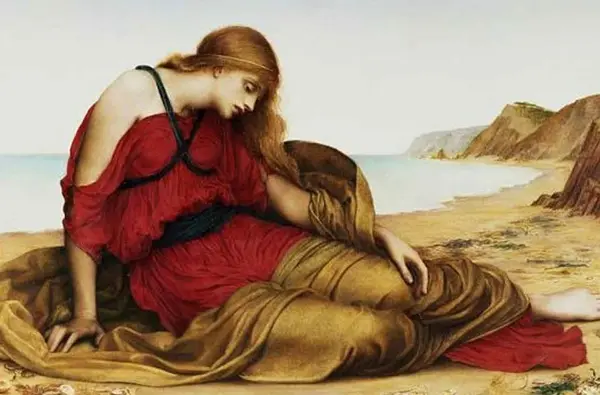
Ariadne: the Cretan princess who became a goddess
Ariadne was a princess of Crete, daughter of King Minos, who gave Theseus the thread that carried him out of the Cretan maze. Taken from the hero by Dionysus, she was raised to godhood as his wife, while the man she once saved gave the rest of his life to the hope of winning her back.
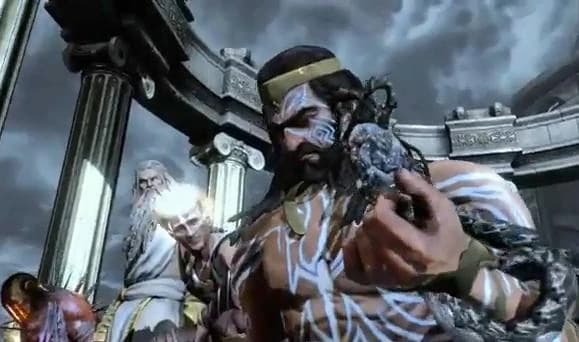
Olympians: the gods Kratos killed off
Zeus led the third generation of Greek gods to victory over the Titans. Kratos then destroyed almost every one of them, and Greece fell with them.
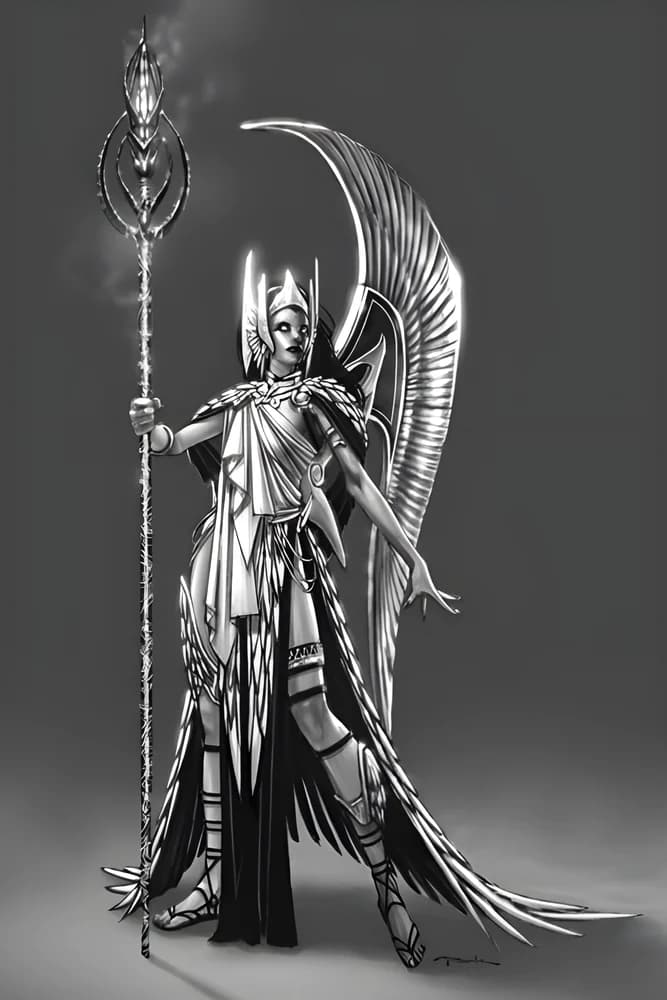
The Sisters of Fate
The Sisters of Fate were three Primordial sisters who held absolute power over time and the destiny of every mortal, god, and Titan. Loyal to Zeus, they stood between Kratos and the Loom of Fate, until he slew them and seized the power to change his own past.

Zeus
Zeus was the King of Olympus and ruler of the Greek Pantheon, the youngest son of Cronos who freed his siblings, ended the Great War, and claimed the heavens. Father of Kratos, he became the great antagonist of the Greek age and fell at last to the very son he had tried to destroy.
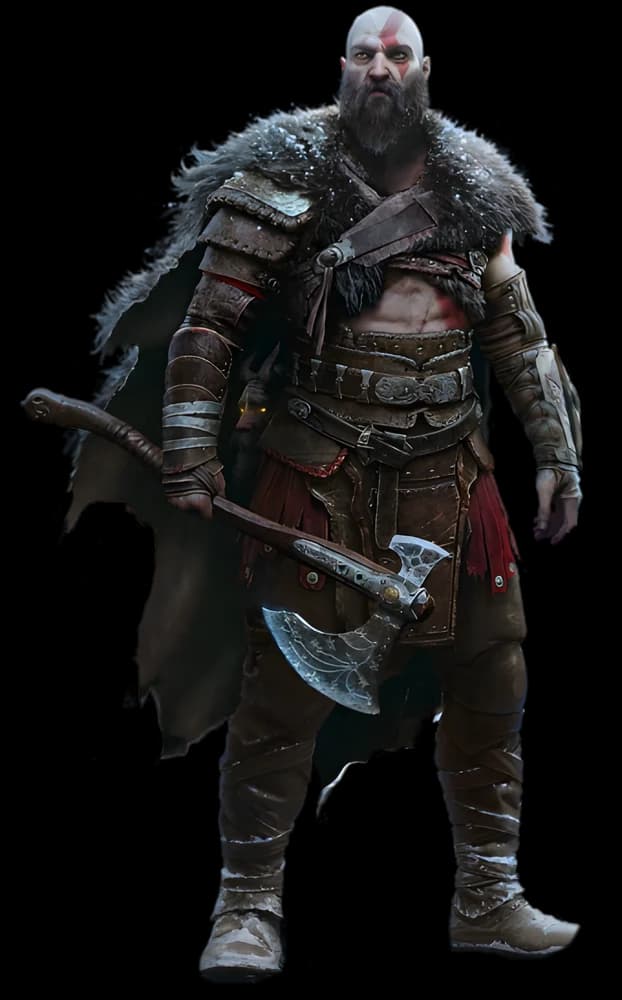
Kratos
Kratos was the demigod son of Zeus who rose from a Spartan general to the Greek God of War, destroyed the pantheon of Olympus in a quest for vengeance, and then began again in the Norse realms as a father seeking to leave his bloody past behind.

Mount Olympus: Zeus' seat, torn down
The golden mountain became the seat of the gods after the first Titanomachy, and none but a god could set foot on it. Kratos brought the whole thing down.
Mentioned in4 entries
Ariadne: the Cretan princess who became a goddess
Ariadne was a princess of Crete, daughter of King Minos, who gave Theseus the thread that carried him out of the Cretan maze. Taken from the hero by Dionysus, she was raised to godhood as his wife, while the man she once saved gave the rest of his life to the hope of winning her back.
Midas
King Midas of Phrygia was a mortal cursed with the golden touch, by which all he laid hands upon turned to gold, his own daughter among them. Kratos found him weeping in the Canyons of Sorrow and cast him into a river of lava, turning the king and the stream alike to solid gold.
Satyr
The Satyrs were fierce goat-headed creatures of the Greek world, half man and half goat, counted among the most formidable monsters Kratos ever faced. Once companions of revelry in the older myths, in the age of the gods they became disciplined warriors who fought in coordinated bands under their generals and commanders.
Theseus
Theseus was a Greek demigod, son of Poseidon and former hero-king of Athens, celebrated for slaying the Minotaur. Worn down by old griefs, he gave himself to the service of the Sisters of Fate as Keeper of the Horse Key, guarding the Steeds of Time until Kratos cut him down to claim the way forward.
Get new articles in your inbox
No spam. New lore drops, canon conflicts, and deep dives only when they’re worth reading.
Some links on Lore Fortress are affiliate links. If you buy through them we earn a small commission at no extra cost to you.