Theseus
the Horse Keeper of the Steeds of Time
Theseus was a Greek demigod, son of Poseidon and former hero-king of Athens, celebrated for slaying the Minotaur. Worn down by old griefs, he gave himself to the service of the Sisters of Fate as Keeper of the Horse Key, guarding the Steeds of Time until Kratos cut him down to claim the way forward.
Theseus was a Greek demigod, a son of Poseidon and the former hero-king of Athens, renowned across Greece for slaying the Minotaur. In his later years, broken by old losses, he entered the service of the Sisters of Fate as the Horse Keeper, guarding the Steeds of Time on the Island of Creation, where he met his end at the hands of his kinsman Kratos. (God of War II)
Hero of Athens#
The game itself says little about his past, so most of it comes from the novelisation and the old myths. Theseus was born a demigod, the son of Poseidon, the Ruler of the Oceans, and as a child he was adopted by Aegeus, King of Magara, whom he loved as a father. His legend began when, on a quest for the goddess Athena, he was thrown into the Labyrinth of King Minos to be sacrificed to the Minotaur alongside other Athenians. Minos' daughter Ariadne, in love with him, gave him the twine by which he and his fellow captives found their way out, and Theseus slew the Cretan beast. For this bravery Athens honored him as a hero, and in time he became its king. (God of War II (novel); Life of Theseus)
A life of tragedy#
The triumph soured. Theseus had meant to remain at Ariadne's side, but the Wine God Dionysus claimed her for himself and forced the demigod to leave her behind on the island of Naxos, and she cursed him as he sailed for home. Returning to Athens, his ship still flying a black flag, he caused his adoptive father Aegeus to believe his son had died, and the old king cast himself from the cliffs into the sea. (God of War II (novel); Life of Theseus)
The loss weighed on Theseus for the rest of his days. As the years passed he set aside the life of hero and king and dwelt ever more on the griefs of his past, above all the deaths of Ariadne's love and of his father. At last, aging and desperate, he made the same choice as so many others and gave himself to the service of the Sisters of Fate, hoping they would grant him an audience and undo his fate. The former hero-king of Athens became the Keeper of the Horse Key and Guardian of the Steeds of Time. (God of War II; God of War II (novel))
The duel on the Steeds of Time#
When Kratos reached the Steeds of Time on the Island of Creation, he found Theseus their guardian. The two studied one another in silence, and then Theseus snorted at the Spartan's presence and at once grasped his purpose. He scorned Kratos, claiming he was no match for Zeus nor for Theseus himself, and challenged him to a duel to the death to settle who was the greatest warrior in all of Greece. (God of War II)
Theseus fought with a double-bladed sword and proved a tough opponent, kindling the weapon's magic to summon great spikes of ice from the ground in shifting formations. As the fight turned against him he retreated to a doorway above Kratos, out of reach, firing bolts of blue magic from his blade and calling up pairs of ice-wreathed Erebus Minotaurs to attack the Spartan in his stead, a hypocrisy in one who so despised weakness in others. (God of War II)
Kratos knocked him from his perch and left him hanging by one arm, then dragged him down, took his sword by force, and impaled him to the door with it. Wresting away the Horse Key, Kratos used it to open the door Theseus had guarded. When the wounded king tried to stop him, the Spartan smashed his head against the metal door again and again, then kicked him through the opening into the newly revealed chamber, killing him and claiming the Horse Keeper's Key. (God of War II)
Reputation and fate#
Theseus held a very high opinion of himself and showed an undying loyalty to Zeus and to the Sisters of Fate. He had no respect for those he deemed weaker than himself and belittled any who sought to change their fate, and so he scorned Kratos as a fool, only to learn the Spartan's true strength when it was too late. (God of War II)
The reversal of time at the close of Kratos' quest may have undone his death, yet it is unlikely Theseus survived the cataclysms that followed, beginning with the great flood that came with the death of his father Poseidon. Long afterward, in the Norse lands, Mimir recalled attending the wedding of a Greek king as part of Oberon's entourage, and the tale he told matched closely the story of Theseus. (God of War II; God of War III; God of War Ragnarök)
Frequently asked questions
- Who is Theseus in God of War?
- Theseus was a Greek demigod, a son of Poseidon and the former hero-king of Athens, renowned across Greece for slaying the Minotaur. In his later years he entered the service of the Sisters of Fate as the Horse Keeper, guarding the Steeds of Time on the Island of Creation.
- How did Theseus slay the Minotaur?
- On a quest for the goddess Athena, Theseus was thrown into the labyrinth of King Minos to be sacrificed to the Minotaur alongside other Athenians. Minos' daughter Ariadne, in love with him, gave him the twine by which he and his fellow captives found their way out, and Theseus slew the Cretan beast.
- Why did Theseus give himself to the Sisters of Fate?
- Theseus was worn down by old griefs, above all the loss of Ariadne to Dionysus and the death of his adoptive father Aegeus, who cast himself into the sea believing his son had died. Aging and desperate, he gave himself to the service of the Sisters of Fate, hoping they would grant him an audience and undo his fate.
- How did Theseus die?
- Theseus challenged Kratos to a duel and fought with a double-bladed sword, ice magic, and summoned Erebus Minotaurs, but the Spartan overpowered him. Kratos took his sword by force, impaled him to the door with it, then smashed his head against the metal door again and again and kicked him through the opening, killing him and claiming the Horse Keeper's Key.
- What was Theseus like?
- Theseus held a very high opinion of himself and showed undying loyalty to Zeus and to the Sisters of Fate. He had no respect for those he deemed weaker than himself and belittled any who sought to change their fate, scorning Kratos as a fool until he learned the Spartan's true strength too late.
Sources
- GameGod of War II, Santa Monica Studio, 2007
- GameGod of War III, Santa Monica Studio, 2010
- GameGod of War Ragnarök, Santa Monica Studio, 2022
- BookGod of War II (novel), Robert E. Vardeman, Del Rey, 2013
- BookLife of Theseus, Plutarch, early 2nd century AD
Spotted a factual error or a primary source we missed? Email a correction. Every flagged claim gets reviewed.
Followed from this entry
Kratos
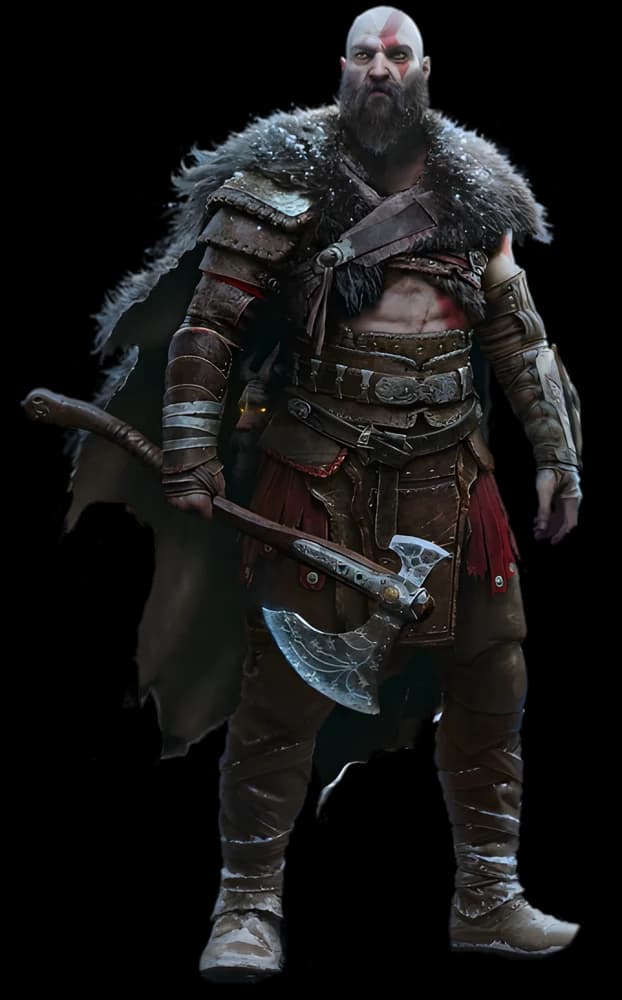
Kratos was the demigod son of Zeus who rose from a Spartan general to the Greek God of War, destroyed the pantheon of Olympus in a quest for vengeance, and then began again in the Norse realms as a father seeking to leave his bloody past behind.
Ariadne: the Cretan princess who became a goddess
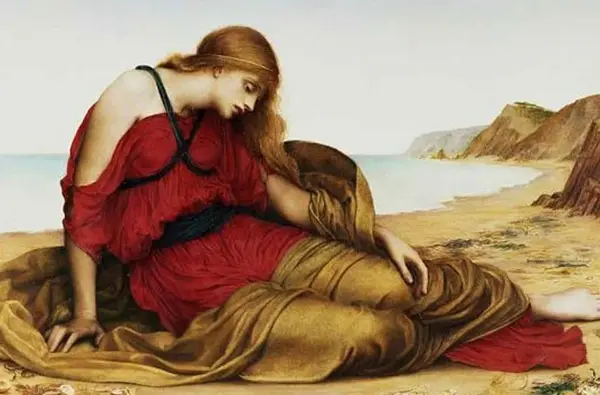
Ariadne was a princess of Crete, daughter of King Minos, who gave Theseus the thread that carried him out of the Cretan maze. Taken from the hero by Dionysus, she was raised to godhood as his wife, while the man she once saved gave the rest of his life to the hope of winning her back.
Erebus: the Primordial of Darkness
Erebus was the Primordial entity of Darkness, one of the first deities born from Chaos in the Void and the brother and consort of Nyx, the Night. His dark mists filled the deep hollows of the earth, his name clung to the netherworld of the dead, and later writers counted the ferryman Charon and the Fates among his children. His own end was never recorded.
Athena: from Kratos' guide to his enemy
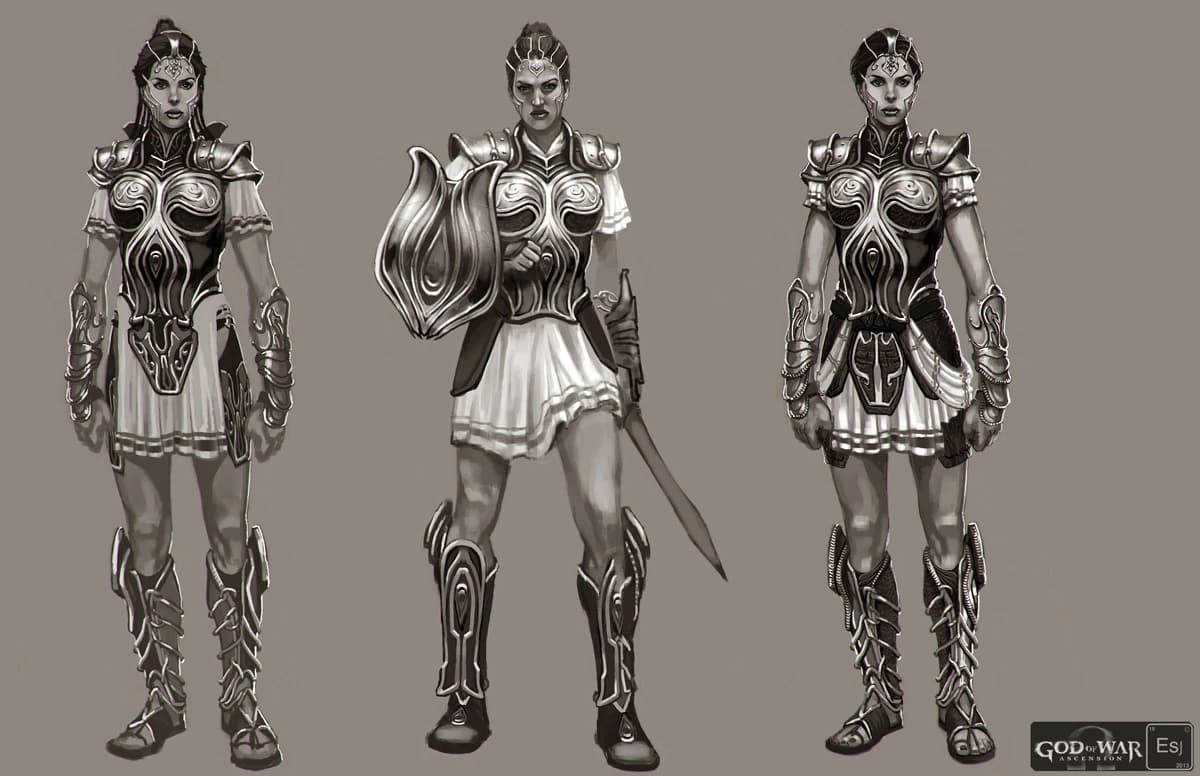
Athena set Kratos against Ares to save Athens, then turned on him when his reign grew worse. She died taking a blow meant for Zeus, and named Kratos his son.

Athens: Athena's city, besieged by Ares
Ares laid siege to Athens out of hatred for his sister Athena. Kratos was sent to save it, and killed Ares there to become the new God of War.
Dionysus: the Olympian god of wine
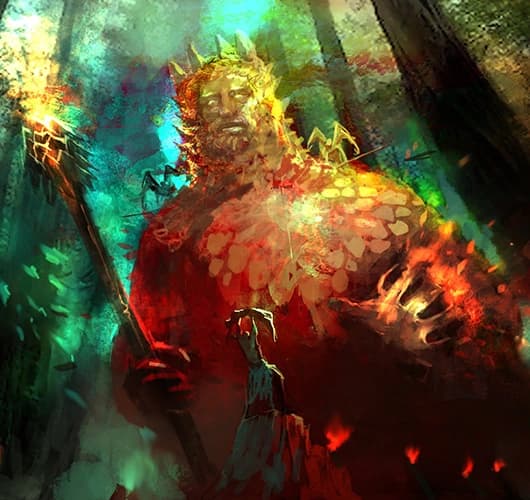
Dionysus was the Olympian god of wine, fertility, festivity, and revelry. Known for his lack of fidelity, he stole the love of Ariadne from the hero Theseus and set in motion the chain of grief that bound Theseus to the service of the Sisters of Fate.
Mentioned in12 entries
Ariadne: the Cretan princess who became a goddess
Ariadne was a princess of Crete, daughter of King Minos, who gave Theseus the thread that carried him out of the Cretan maze. Taken from the hero by Dionysus, she was raised to godhood as his wife, while the man she once saved gave the rest of his life to the hope of winning her back.
Daedalus
Daedalus was the master craftsman of Athens who built the great Labyrinth for Zeus in return for the promise of his lost son Icarus. Driven to madness in years of servitude and chained within his own creation, he was crushed when Kratos set the Labyrinth turning, and died grateful at last to be free.
Demigod: the mortal children of the gods
Demigods were the offspring of a god and a mortal, half-human and half-divine. Mortal yet possessed of superhuman strength and the fighting prowess of a god, the worthiest among them could rise to godhood. Kratos himself was one such demigod before he claimed the throne of war.
Dionysus: the Olympian god of wine
Dionysus was the Olympian god of wine, fertility, festivity, and revelry. Known for his lack of fidelity, he stole the love of Ariadne from the hero Theseus and set in motion the chain of grief that bound Theseus to the service of the Sisters of Fate.
Erebus: the Primordial of Darkness
Erebus was the Primordial entity of Darkness, one of the first deities born from Chaos in the Void and the brother and consort of Nyx, the Night. His dark mists filled the deep hollows of the earth, his name clung to the netherworld of the dead, and later writers counted the ferryman Charon and the Fates among his children. His own end was never recorded.
God of War II Story Explained: Plot Summary and Ending
The whole story of God of War II in order, from Zeus's betrayal at Rhodes to the Titans climbing Mount Olympus. Then the ending in plain terms: why Athena died, what she told Kratos about his father, and how it sets up God of War III.
God of War Story Explained: the Whole Saga from Sparta to Ragnarök
The full God of War story in order, one main game at a time. Kratos serves Ares, kills him, destroys Olympus, starts again in the Norse lands and finally ends Odin, with the Valhalla epilogue as the last word.
God of War Timeline: every major event from the Primordials to Valhalla
The full in-universe chronology of God of War, from the war of the Primordials and the fall of the Titans to Kratos's life in Sparta, his war on Olympus, and the end of the Aesir at Ragnarök. The games give almost no calendar years, so events are ordered by story sequence and grouped into eras, with notes wherever the games' own placement is vague.
Island of Creation: cradle of the Greek world
The Island of Creation was the place where all life in Greece began, lying at the very edge of the world. It became the seat of the Sisters of Fate and one of the most heavily guarded places known to man, until Kratos broke through its defenses, slew its guardians, and left it in ruin.
Kraken: the sea beast of the Island of Creation
The Kraken was a giant meat-eating sea monster, an octopus-like horror of armored tentacles and a fanged maw. One rose against Kratos on the Island of Creation after the death of the Last Spartan and nearly crushed him before he impaled her through the mouth, while in the Norse realms a hatchling of the same breed lived as the pet of the dwarf Durlin.
Minotaur
The Minotaurs were a species of towering bull-headed warriors first bred by Ares as brutes for his armies. From the labyrinth-bound Asterion of legend to the armored guardian of Pandora's Temple, they served as beasts of war across Greece and were a recurring foe of Kratos.
Perseus
Perseus was a Greek demigod hero, a son of Zeus and half-brother of Kratos. Driven mad by his imprisonment on the Island of Creation, where he sought the Sisters of Fate to revive his lost love Andromeda, he was slain by Kratos.
Get new articles in your inbox
No spam. New lore drops, canon conflicts, and deep dives only when they’re worth reading.
Some links on Lore Fortress are affiliate links. If you buy through them we earn a small commission at no extra cost to you.