Midas
the king cursed with the golden touch
King Midas of Phrygia was a mortal cursed with the golden touch, by which all he laid hands upon turned to gold, his own daughter among them. Kratos found him weeping in the Canyons of Sorrow and cast him into a river of lava, turning the king and the stream alike to solid gold.
King Midas of Phrygia was a mortal cursed with the golden touch, by which all he laid hands upon turned to gold, his own daughter among them. In his wanderings he was found by Kratos in the Canyons of Sorrow, where the Spartan cast him into a river of lava and turned the king and the stream alike to solid gold. (God of War: Ghost of Sparta)
The king of the golden touch#
In the older tales of Greece, Midas was the king of Phrygia, famed for the power to turn all he touched to gold, a gift granted by Dionysus. At first he turned a twig and a stone, but when he sat to feast his food and drink turned to gold in his hands. Loathing the gift he had craved, Midas begged Dionysus to be freed of it, and the god bade him wash in the river Pactolus, where the power flowed from him into the waters and turned the sands to gold. So the river was said to have grown rich in gold. The daughter turned to gold is a much later addition: Nathaniel Hawthorne gave Midas a little girl named Marigold in his retelling, and that is the version Ghost of Sparta draws on. (Metamorphoses; A Wonder-Book for Girls and Boys)
In later days the king retired to the country and worshipped Pan, and once at a contest of music between Pan and Apollo he alone objected when the mountain god named Apollo the victor. For this Apollo gave him the ears of a donkey, which Midas hid beneath a headdress until his barber, unable to keep the secret, whispered it into a hole in the ground; reeds sprang up and told the tale to all who passed. (Metamorphoses)
The broken king of the canyons#
When Kratos passed through the Canyons of Sorrow in search of his lost brother, he came upon the corpse of Marigold, turned to solid gold by her own father. Moving deeper into the caverns among waterfalls and pools of lava, he found Midas kneeling beside a river of fire, sickly and emaciated, dressed in filthy rags yet still crowned, weeping over what he had done and warning the Spartan to keep away lest he be turned to gold as well. (God of War: Ghost of Sparta)
In his anguish Midas mistook the lava for the River Styx and, believing himself already dead, plunged his hand into it; the hand burned away, and the king fled in agony, while the severed hand turned the river to gold and opened the way forward. Kratos crossed and found the king weeping once more in a cave. Ignoring his warnings and avoiding his deadly touch, Kratos seized him, beat him senseless, and dragged him to the lava falls at the end of a tunnel. With a final plea to the gods, Midas was thrown into the fire, and the whole stream, and the king with it, turned to solid gold, so that Kratos could climb across and go on his way. In casting him in, the Spartan, himself a god at the time, had granted the king the death he had so long desired. (God of War: Ghost of Sparta)
Frequently asked questions
- Who is King Midas in God of War?
- Midas was the mortal king of Phrygia, son of Gordias and Cybele and father of Marigold. He was cursed with the golden touch, by which everything he laid his hands upon turned to gold, including his own daughter, whom he transformed and mourned.
- How did Kratos kill Midas?
- Kratos found the weeping king beside a river of lava in the Canyons of Sorrow. After beating him unconscious to avoid his deadly touch, Kratos dragged him to the lava falls and hurled him in, turning the king and the entire stream to solid gold and granting him at last passage across it.
- What was the golden touch?
- The golden touch was the power by which all that Midas touched turned instantly to gold, whether person, creature, or object. He had no control over it, and could touch nothing but his own body without transforming it, which left him unable even to eat or drink.
Sources
- GameGod of War: Ghost of Sparta, Ready at Dawn, 2010
- BookMetamorphoses, Ovid, 8 AD
- BookA Wonder-Book for Girls and Boys, Nathaniel Hawthorne, 1851
Spotted a factual error or a primary source we missed? Email a correction. Every flagged claim gets reviewed.
Followed from this entry
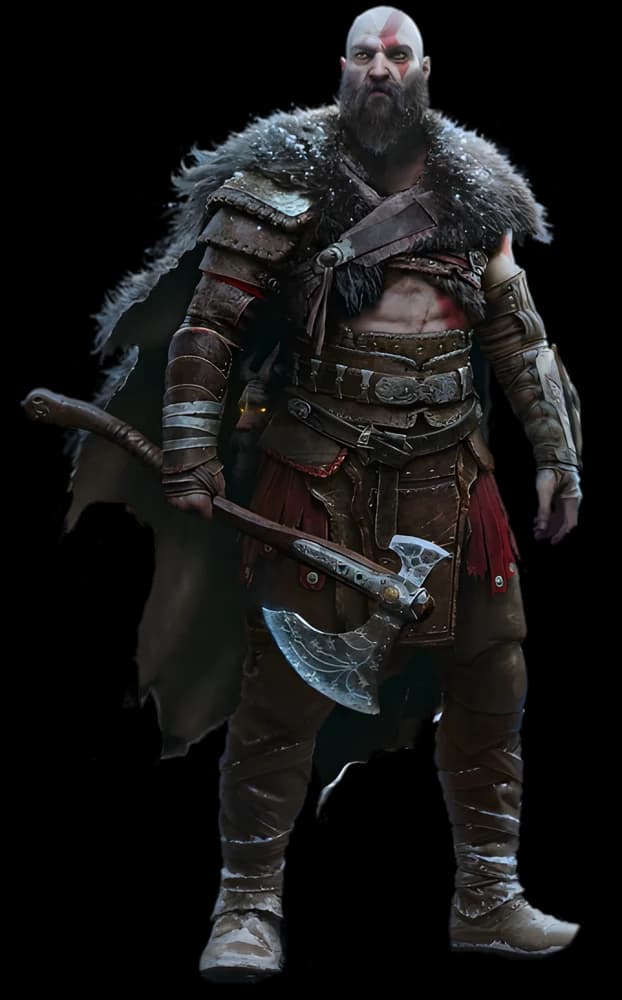
Kratos
Kratos was the demigod son of Zeus who rose from a Spartan general to the Greek God of War, destroyed the pantheon of Olympus in a quest for vengeance, and then began again in the Norse realms as a father seeking to leave his bloody past behind.
River Styx: the river of hatred beneath Greece
The River Styx was the great river of the Greek Underworld, a barrier that killed the living on contact and carried the souls of the dead toward judgement. Charon ferried across it, the Path of Hades bridged it, and Kratos crossed, fell into and finally swam it more times than any mortal.
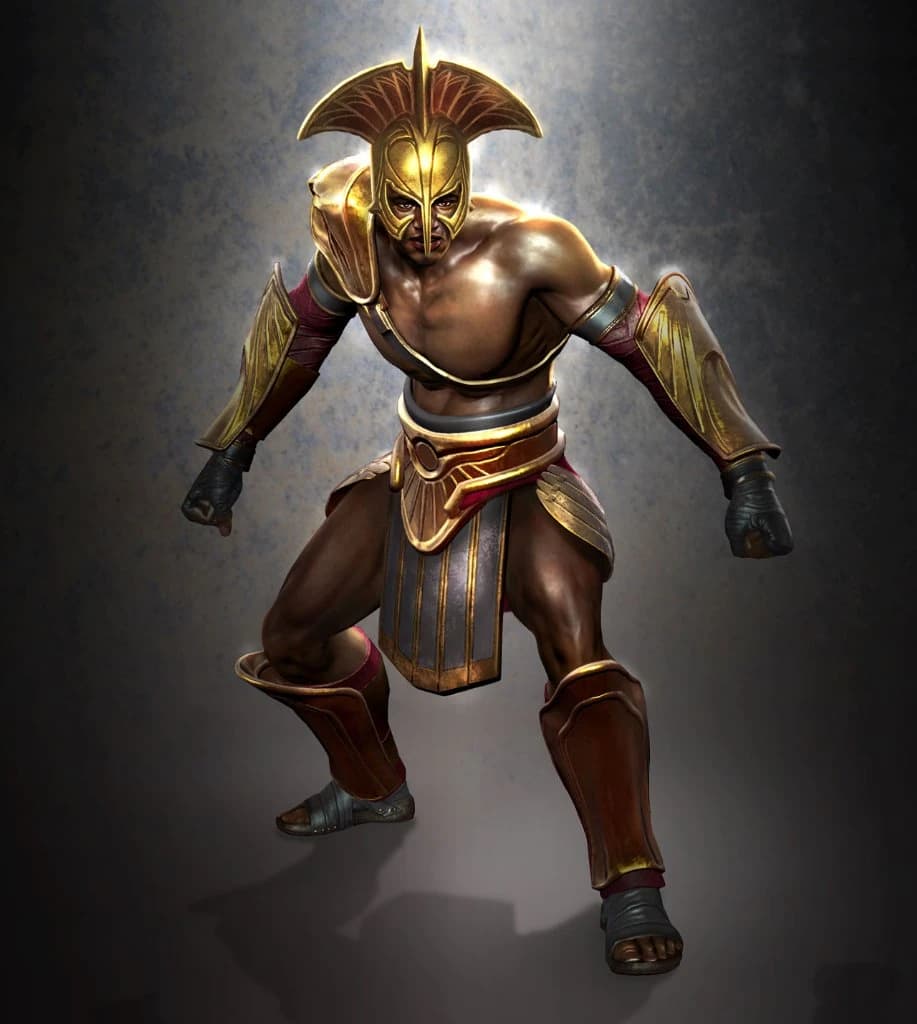
Apollo: the Olympian who escaped Kratos
Apollo never faced Kratos in the flesh. His Flame lit the way to the Tree of Life, his Bow lay in the Underworld, and he survived the slaughter.
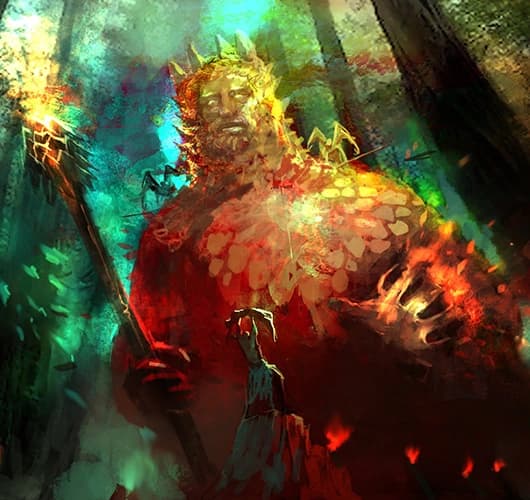
Dionysus: the Olympian god of wine
Dionysus was the Olympian god of wine, fertility, festivity, and revelry. Known for his lack of fidelity, he stole the love of Ariadne from the hero Theseus and set in motion the chain of grief that bound Theseus to the service of the Sisters of Fate.
Also in Greek Era
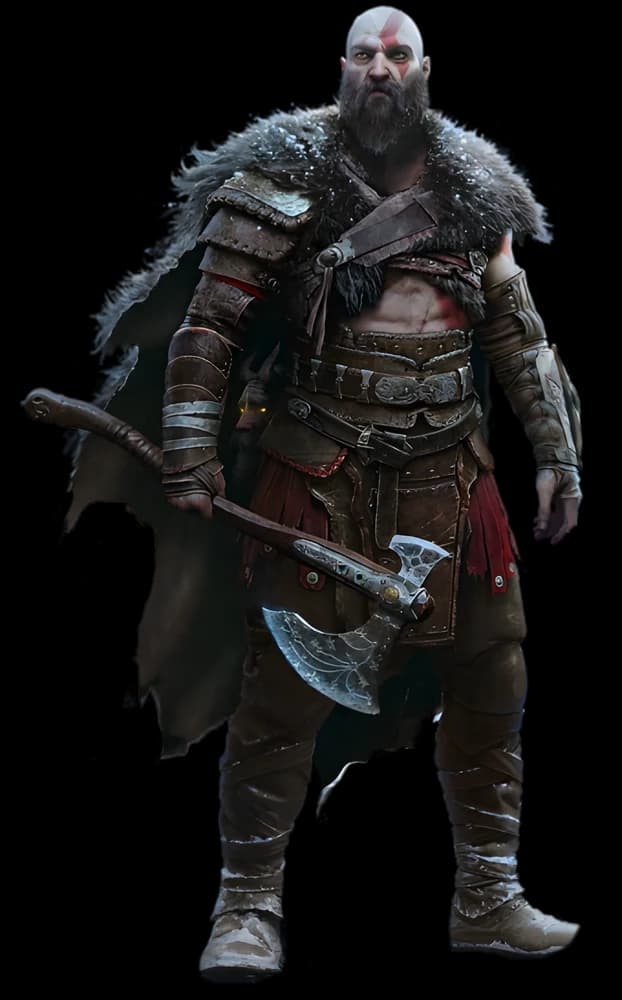
Is Kratos Immortal?
Kratos is a god, so he won't die of age or illness, but he isn't unkillable. He has been killed more than once and come back, and he has survived things that should have ended him. Here is what the games show about how hard he is to kill.
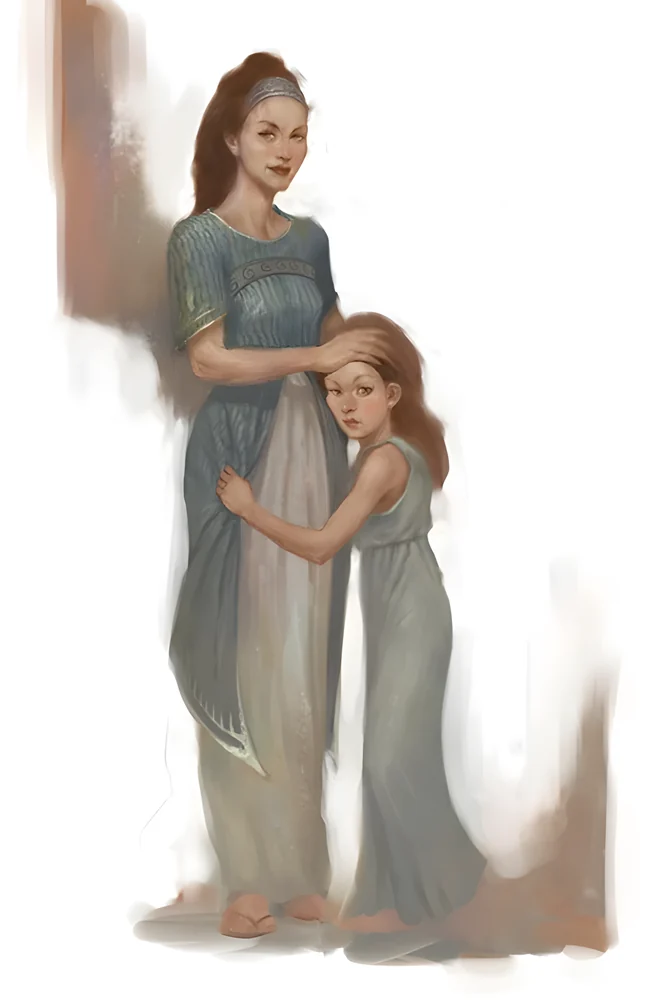
Kratos's Wives: Lysandra and Faye
Kratos has had two wives. Lysandra, his Spartan first wife, died by his own hand in a temple Ares sent him to burn. Faye, the giant Laufey, married him in Midgard, raised Atreus and planned her own funeral. Here is each marriage, how each ended, and how they shaped him.
Mentioned in3 entries
God of War: Ghost of Sparta Story Explained
The plot of Ghost of Sparta in order, from Kratos's visions of his mother to the death of his brother Deimos in the Domain of Death. Then the ending explained: the marked warrior prophecy, Athena's apology, and why Kratos leaves at war with Olympus.
River Styx: the river of hatred beneath Greece
The River Styx was the great river of the Greek Underworld, a barrier that killed the living on contact and carried the souls of the dead toward judgement. Charon ferried across it, the Path of Hades bridged it, and Kratos crossed, fell into and finally swam it more times than any mortal.
Satyr
The Satyrs were fierce goat-headed creatures of the Greek world, half man and half goat, counted among the most formidable monsters Kratos ever faced. Once companions of revelry in the older myths, in the age of the gods they became disciplined warriors who fought in coordinated bands under their generals and commanders.
Get new articles in your inbox
No spam. New lore drops, canon conflicts, and deep dives only when they’re worth reading.
Some links on Lore Fortress are affiliate links. If you buy through them we earn a small commission at no extra cost to you.