Wraiths
the eyeless dead of rage
Wraiths were ghostly creatures of the Greek world, eyeless and emaciated spirits with bladed arms who burrowed beneath the earth. Consumed by the rage in which they died, they attacked any living thing that came near.
Wraiths were ghostly creatures of the Greek world, eyeless and emaciated spirits with bladed arms and waists that trailed off into clouds of black smoke. Consumed by the rage in which they died, they haunted cities, temples, and the Underworld alike, and they crossed the path of Kratos again and again throughout his long wars. (God of War; God of War II; God of War III; God of War: Ghost of Sparta; God of War: Ascension)
Nature and form#
Wraiths appeared as eyeless, emaciated humans with decaying flesh and bladed arms. They had no legs, their waists terminating instead in clouds of black smoke from which they floated. Each was utterly consumed by the rage in which it had died, and so they attacked any living thing that came near them without reason or mercy. Their most dreaded ability was to burrow beneath the earth, where they could not be harmed, before exploding up from below to strike at the unwary with their blades. (God of War; God of War II)
Kinds of Wraith#
Many kinds of Wraith haunted the Greek world. The Wraiths of Athens were the most common, first met among the rooftops and buildings of Athens, their decayed skin clad in pieces of golden armor. The Desert Wraiths, found within Pandora's Temple, were near-identical to those of Athens but slightly stronger. The Wraiths of Asphodel dwelt on the Island of Creation and were among the most resilient of their kind, able to hurl their blade-like arms in a boomerang fashion. The Wraiths of Olympus ranged through Olympus and the Underworld, most likely as servants of the gods, and they wielded curved blades in human-like hands rather than blades for arms. (God of War; God of War II; God of War III)
The Wraiths of Hades were the strongest of the kind, distinguished by their power to summon spirits of themselves to attack, much as their lord drew upon souls. Deadliest of all were the Keres Wraiths, the only female Wraiths, who served as minions of Thanatos. Tougher than other Wraiths, they struck from underground at long range and bled a glowing yellow blood that marked their allegiance to the lord of death, and they were encountered in the ruins of Atlantis and other haunted places. Long after the fall of the Greek gods, Wraiths were counted among the old foes that rose again in distant trials, still bound by the same rage that had first denied them rest. (God of War: Ascension; God of War: Ghost of Sparta; God of War Ragnarök: Valhalla)
Frequently asked questions
- What were Wraiths in God of War?
- Wraiths were ghostly beings of the Greek world that appeared as eyeless, emaciated humans with decaying flesh and bladed arms. In place of legs their waists ended in clouds of black smoke on which they floated, and they were utterly consumed by the rage in which they had died.
- How did Wraiths attack?
- Wraiths could burrow beneath the earth, invulnerable while underground, before exploding up to strike with their bladed arms. They attacked any living thing that came near, and some kinds could hurl their blades like boomerangs or summon spirits of themselves.
- What kinds of Wraiths existed?
- Many kinds were known across the Greek world. The common Wraiths of Athens haunted that city, the Wraiths of Asphodel dwelt on the Island of Creation, the Wraiths of Olympus served the gods, and the powerful Wraiths of Hades could summon spirits of themselves. The Keres Wraiths were deadly female spirits in the service of Thanatos.
Sources
- GameGod of War, Santa Monica Studio, 2005
- GameGod of War II, Santa Monica Studio, 2007
- GameGod of War III, Santa Monica Studio, 2010
- GameGod of War: Ghost of Sparta, Ready at Dawn, 2010
- GameGod of War: Ascension, Santa Monica Studio, 2013
- GameGod of War Ragnarök: Valhalla, Santa Monica Studio, 2023 (DLC)
Spotted a factual error or a primary source we missed? Email a correction. Every flagged claim gets reviewed.
Followed from this entry

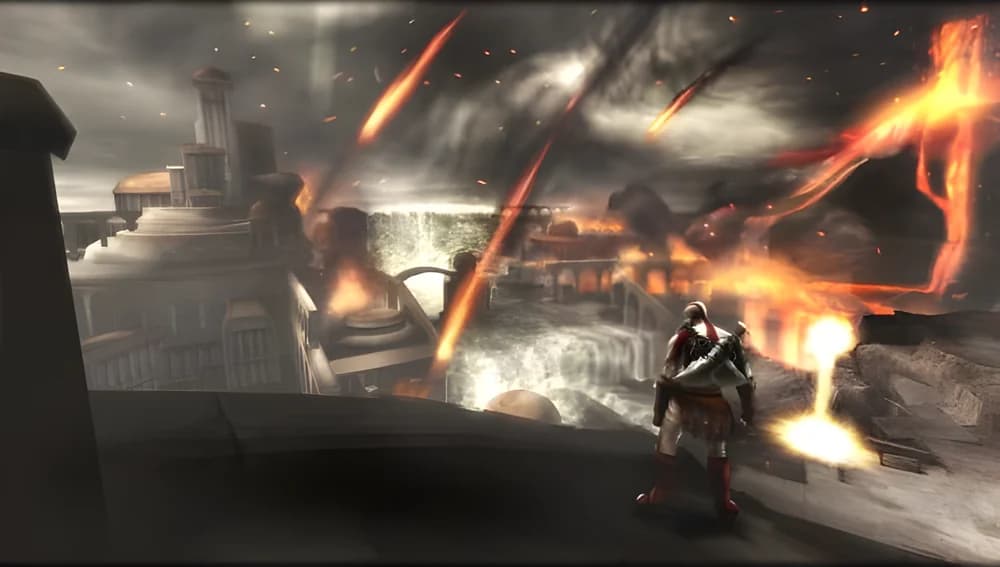
Athens: Athena's city, besieged by Ares
Ares laid siege to Athens out of hatred for his sister Athena. Kratos was sent to save it, and killed Ares there to become the new God of War.
Atlantis
Atlantis was the great sea-faring city of Poseidon, home to his mightiest temple and guarded by the monster Scylla. It was where Kratos found his dying mother Callisto, and his battle there sank the ancient city beneath the waves.
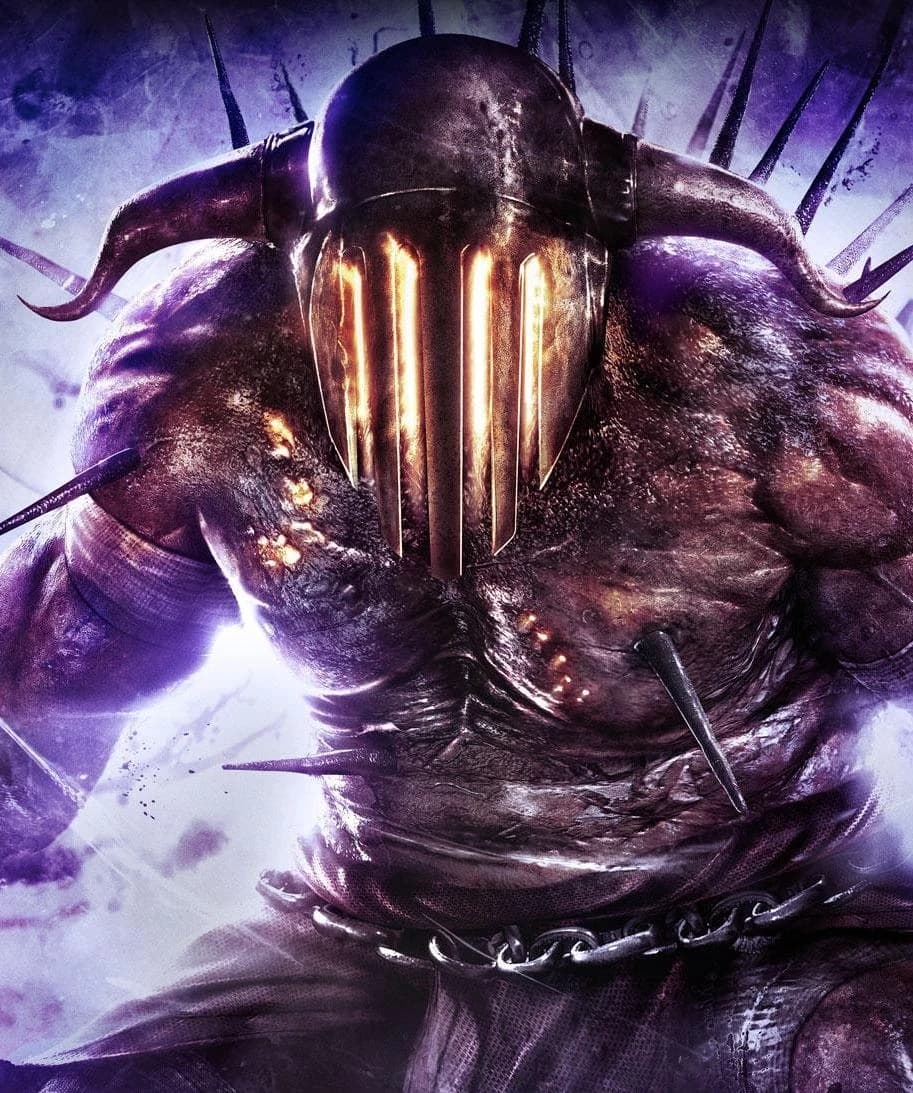
Hades: the god whose soul Kratos tore out
Eldest son of Cronos, Hades ruled the Underworld and held life and death in balance. Kratos turned the Claws of Hades on him and ripped his soul out.
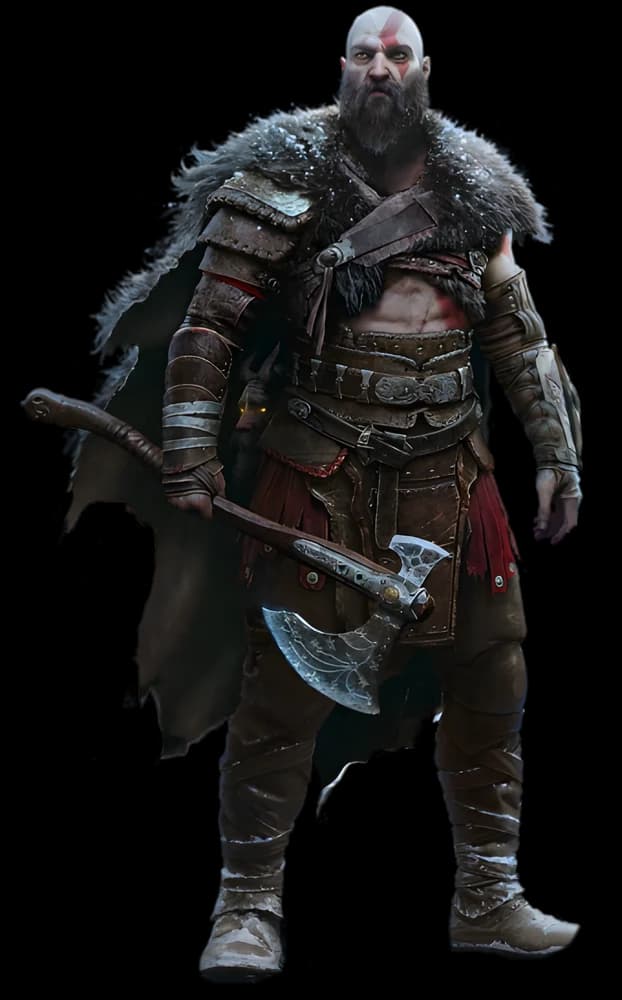
Kratos
Kratos was the demigod son of Zeus who rose from a Spartan general to the Greek God of War, destroyed the pantheon of Olympus in a quest for vengeance, and then began again in the Norse realms as a father seeking to leave his bloody past behind.
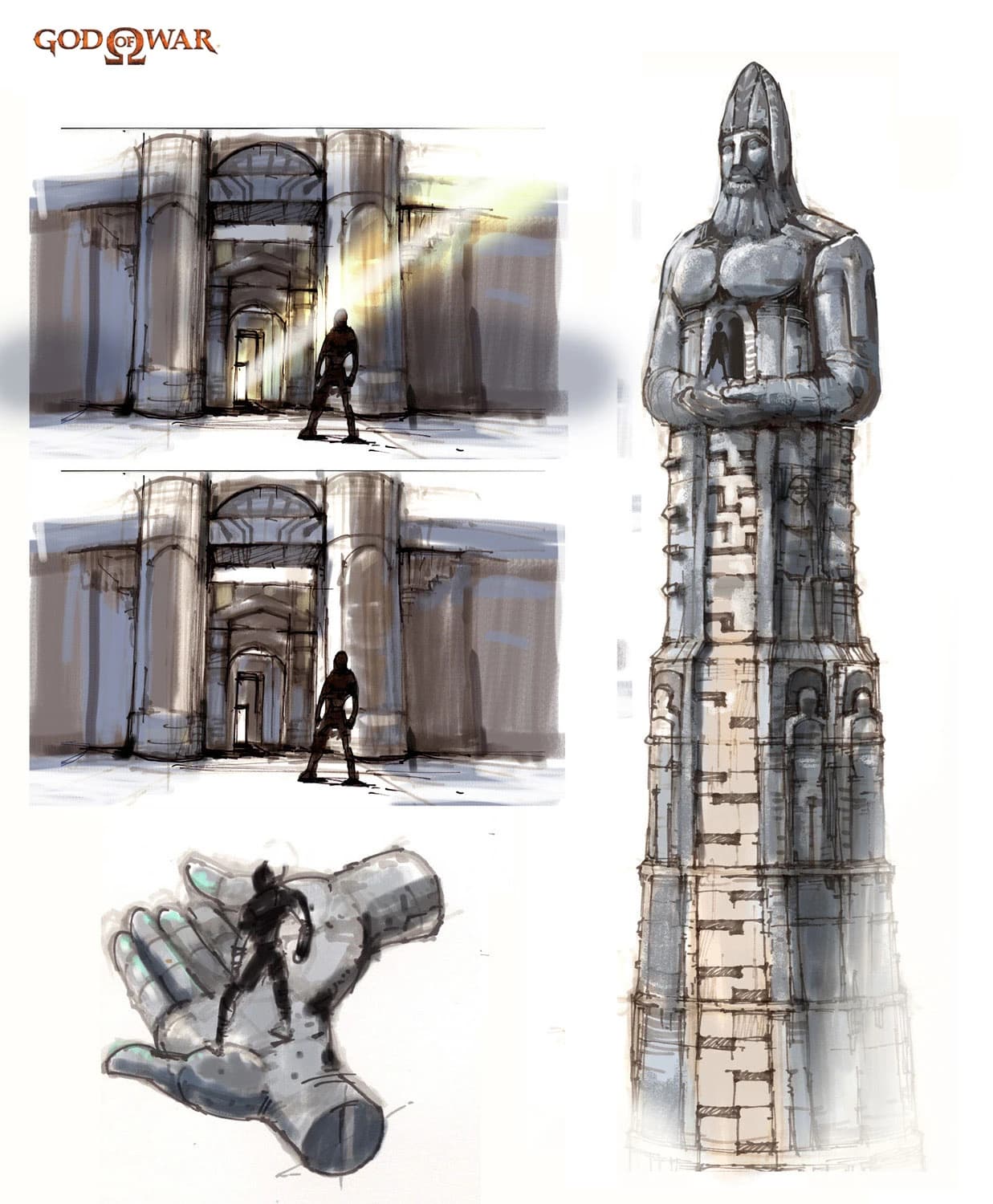
Pandora's Temple: The Vault of Pandora's Box
Pandora's Temple was a vast trap-laden temple built upon the back of the wandering Titan Cronos to house Pandora's Box and keep it from the enemies of Olympus. After failed attempts by countless heroes, Kratos became the only mortal to reach the Box within.
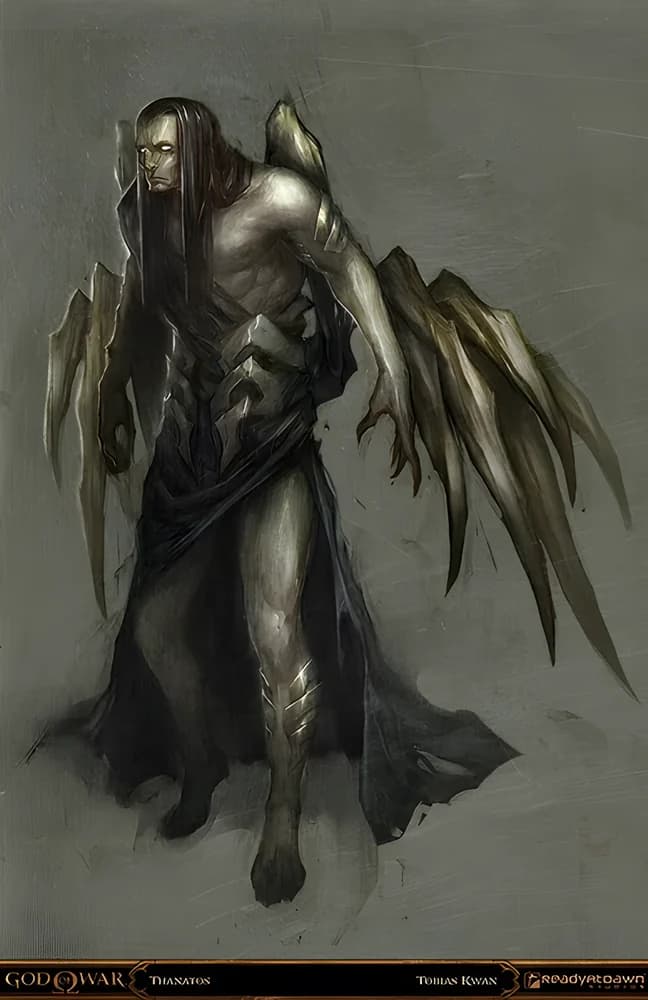
Thanatos
Thanatos was the primordial God of Death, an entity older than the Olympians who ruled the Domain of Death and imprisoned Deimos for years. When Kratos came to free his brother, Thanatos killed Deimos before the Spartan destroyed the God of Death.
Mentioned in2 entries
Monster: the beasts of the mythic world
Monsters, also called Beasts, were the hostile creatures of the mythic world, beings that could be counted neither as mortals nor as gods or Titans. From the minotaurs and gorgons of Greece to the trolls and dragons of the Norse realms, they haunted every land that Kratos ever walked.
The Undead: the dead who would not rest
The Undead were the dead returned to motion, raised by curse, godly power, or magic to serve the masters of the afterlife. In Greece they marched as soulless corpses in the armies of Ares and Hades, while in the Nine Realms the Draugr, Hel-Walkers, and Einherjar overran the living world as Ragnarok drew near.
Get new articles in your inbox
No spam. New lore drops, canon conflicts, and deep dives only when they’re worth reading.
Some links on Lore Fortress are affiliate links. If you buy through them we earn a small commission at no extra cost to you.