Blade of the Gods
the sword-bridge that slew Ares
The Blade of the Gods was a colossal sword forged by the gods, set into the ground outside Athens as a footbridge to a great statue of Athena. Grown to the size of a god, Kratos wrenched it free and used it to kill Ares, claiming the mantle of God of War for himself.
The Blade of the Gods was a colossal sword forged by the gods, set into the ground outside Athens where it served as a footbridge between the Suicide Bluffs and a great statue of Athena in the harbor. Though it was only ever a bridge in ordinary times, it became one of the most consequential weapons in the saga when Kratos, grown to the size of a god, tore it free and used it to slay Ares. (God of War (2005))
A bridge outside Athens#
The Blade of the Gods was built of metal in the shape of an enormous sword, planted just outside the city of Athens. It connected a giant statue of Athena with the cliffs known as the Suicide Bluffs, and for ordinary purposes it served only as a footbridge. Kratos first crossed it on his way to the Sewers of Athens during his hunt for Ares. The blade appeared dented and weary, as if worn down by age. (God of War (2005))
The game never explains why the gods forged so vast a weapon or what it was meant for. All it shows is that the blade was made by the gods and that it was enough to kill one. (God of War (2005))
The death of Ares#
The blade found its true purpose in Kratos' final confrontation with Ares. By the power of Pandora's Box Kratos had been enlarged to the gigantic stature of a god, and in the course of the battle his Blades of Chaos were forcefully torn from his body. Stripped of his weapons, Kratos seized the sword-bridge from the ground and wielded it against the God of War. With it he turned the fight, and at the decisive moment he drove the blade home and killed Ares, claiming the mantle of God of War for himself. (God of War (2005))
The plot of Atropos#
The blade became central to a later scheme against Kratos. When Atropos, one of the Sisters of Fate, brought Kratos back in time to the very battle in which he had killed Ares, she attempted to destroy the blade so that his past self could not use it. Had she succeeded, Kratos would have died in Ares' place, and the Kratos who fought her would have been erased from existence. He defeated Atropos before she could destroy the weapon, and her plot failed. In the years that followed, the blade was seen only in memory, glimpsed in flashback and standing among the shifting visions of Kratos' troubled mind. (God of War II; God of War III)
Frequently asked questions
- What was the Blade of the Gods?
- The Blade of the Gods was a weapon forged by the gods and hidden in Athens, where it stood as an enormous metal sword serving as a footbridge between the Suicide Bluffs and a giant statue of Athena in the city's harbor.
- How did Kratos use the Blade of the Gods?
- During his final battle with Ares, Kratos had been enlarged to the gigantic size of a god by the power of Pandora's Box, and his Blades of Chaos had been torn from his body. Wielding the sword-bridge as a weapon, he fought back against the God of War and at the last moment used it to kill Ares, making himself the new God of War.
- Did the Sisters of Fate try to destroy the Blade of the Gods?
- Yes. When Atropos brought Kratos back in time to his battle with Ares, she tried to destroy the blade so his past self could not use it, which would have left Kratos to die in Ares' place and erased him from existence. Kratos defeated Atropos before she could destroy it, and her plot failed.
Sources
- GameGod of War (2005), Santa Monica Studio, 2005
- GameGod of War II, Santa Monica Studio, 2007
- GameGod of War III, Santa Monica Studio, 2010
Spotted a factual error or a primary source we missed? Email a correction. Every flagged claim gets reviewed.
Followed from this entry
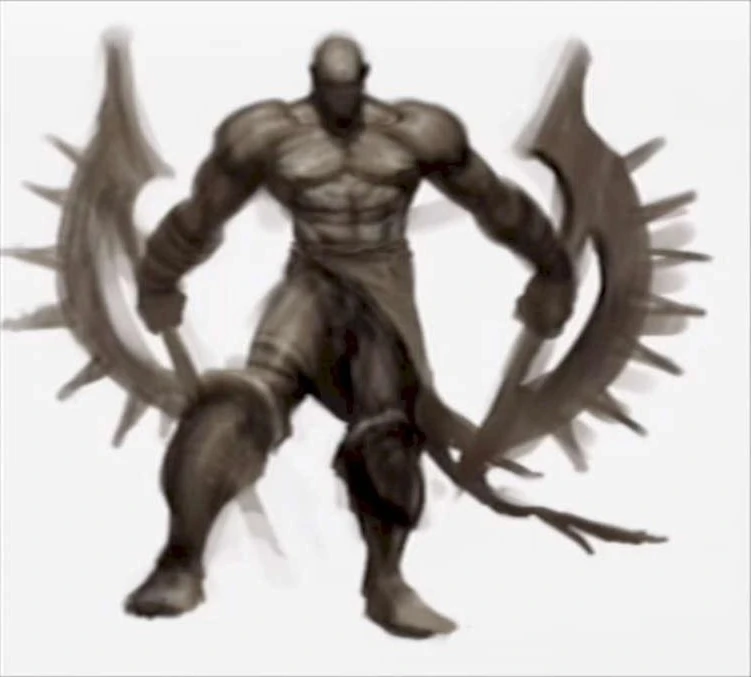
Blades of Chaos: chained to Kratos' arms
The Blades of Chaos were forged in the Underworld for Ares, who seared their chains onto Kratos' forearms. They burn with the fire of Tartarus.
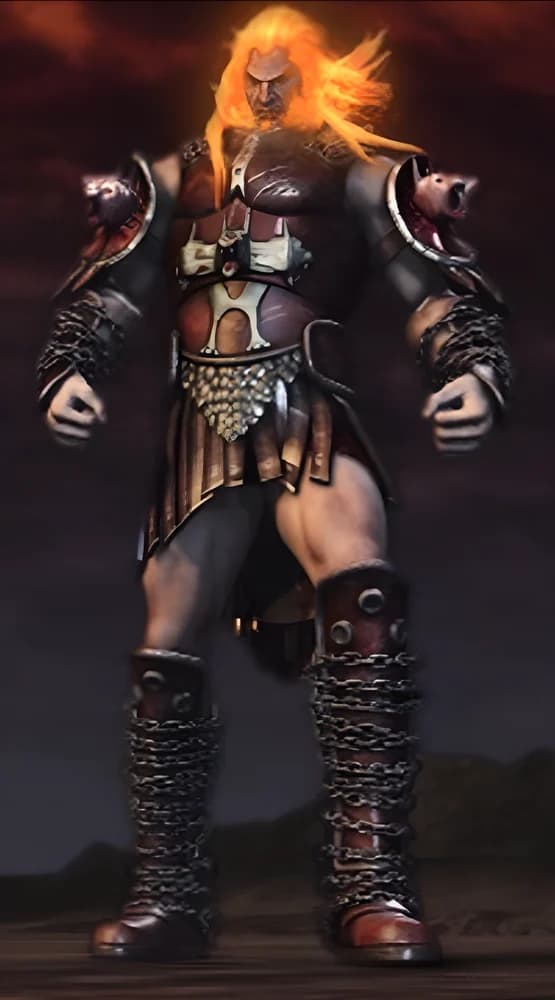
Ares: the god who made Kratos a killer
Ares tricked Kratos into slaughtering his own wife and daughter to bind him as a weapon. Kratos killed him at Athens and took his place as God of War.
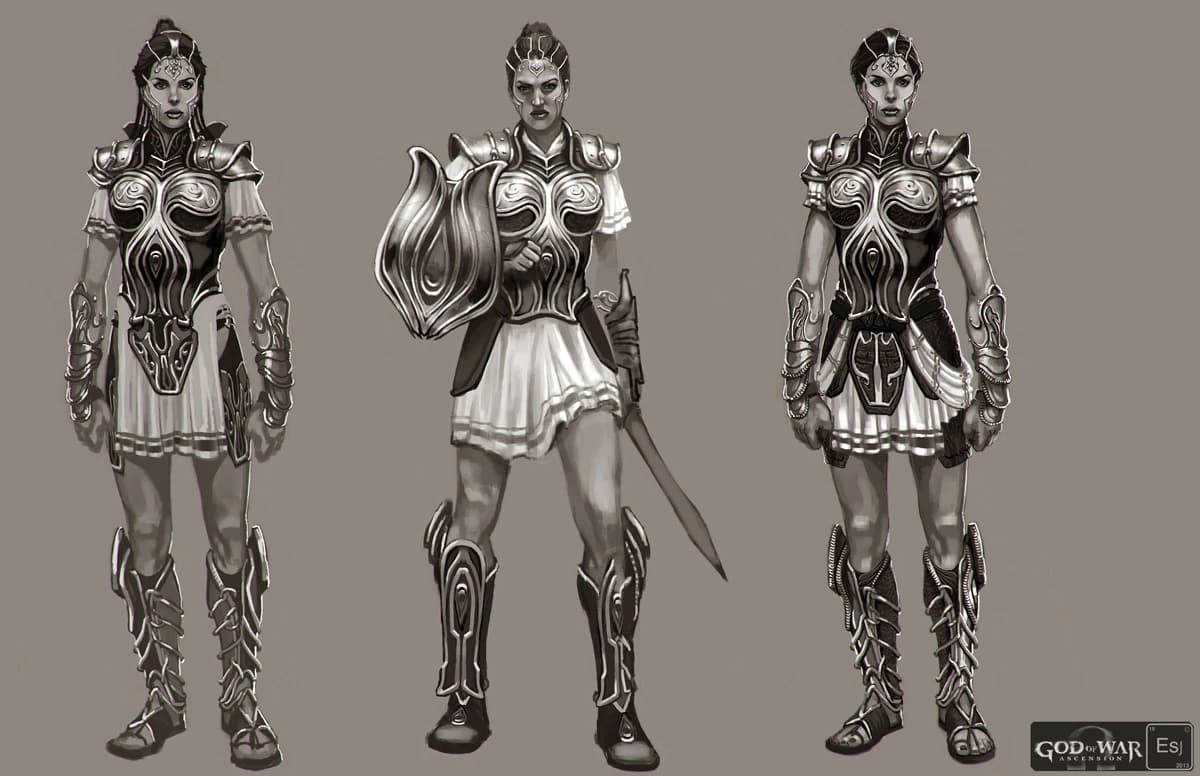
Athena: from Kratos' guide to his enemy
Athena set Kratos against Ares to save Athens, then turned on him when his reign grew worse. She died taking a blow meant for Zeus, and named Kratos his son.

Athens: Athena's city, besieged by Ares
Ares laid siege to Athens out of hatred for his sister Athena. Kratos was sent to save it, and killed Ares there to become the new God of War.
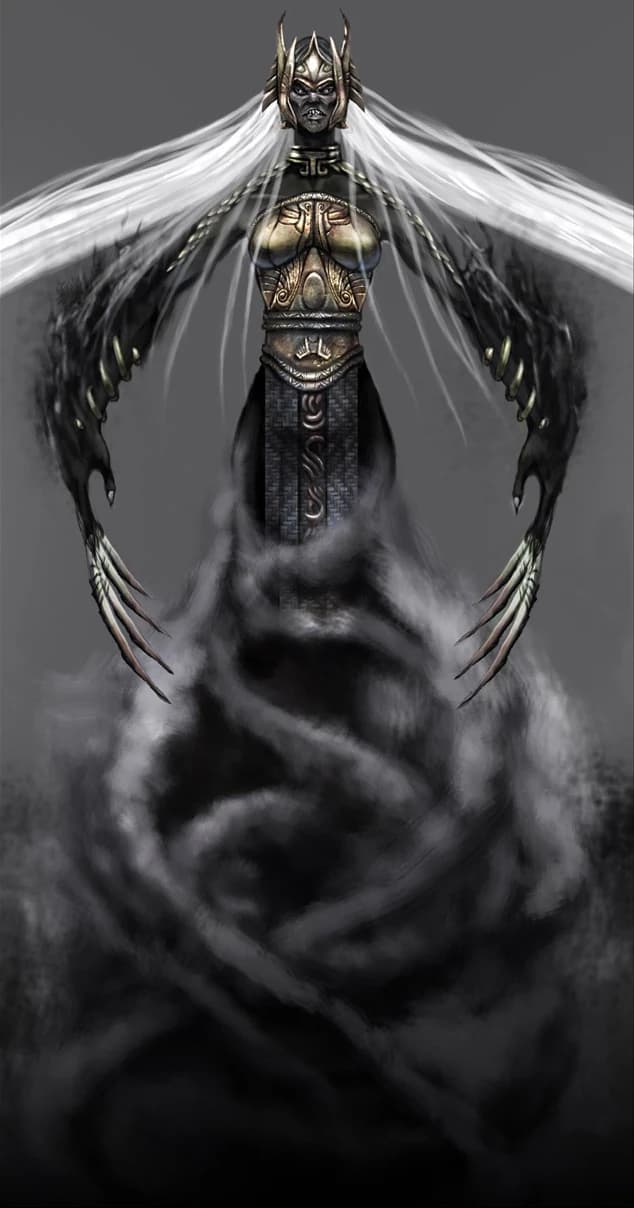
Atropos
Atropos was the eldest and cruelest Sister of Fate, the cutter who ended every life with her razor claws. She dragged Kratos into his own past to undo him, but the Spartan turned her sisters against one another and sealed her within a shattered mirror.
God of War: the divine title
The God of War was a title held by a deity unmatched in battle, wielding peerless combat skill and brutal godly power. It passed from Ares to Kratos in the Greek age, while the Norse realms knew their own God of War in Tyr.
Mentioned in15 entries
Ares: the god who made Kratos a killer
Ares tricked Kratos into slaughtering his own wife and daughter to bind him as a weapon. Kratos killed him at Athens and took his place as God of War.
Atropos
Atropos was the eldest and cruelest Sister of Fate, the cutter who ended every life with her razor claws. She dragged Kratos into his own past to undo him, but the Spartan turned her sisters against one another and sealed her within a shattered mirror.
Blades of Chaos: chained to Kratos' arms
The Blades of Chaos were forged in the Underworld for Ares, who seared their chains onto Kratos' forearms. They burn with the fire of Tartarus.
God of War (2005) Story Explained: Plot Summary and Ending
The whole story of the first God of War in order, from the Hydra in the Aegean to the death of Ares at Athens. Then the ending in plain terms: why Kratos jumped from the cliff, why Athena saved him, and how he ended up on Ares's throne.
God of War II Story Explained: Plot Summary and Ending
The whole story of God of War II in order, from Zeus's betrayal at Rhodes to the Titans climbing Mount Olympus. Then the ending in plain terms: why Athena died, what she told Kratos about his father, and how it sets up God of War III.
God of War Story Explained: the Whole Saga from Sparta to Ragnarök
The full God of War story in order, one main game at a time. Kratos serves Ares, kills him, destroys Olympus, starts again in the Norse lands and finally ends Odin, with the Valhalla epilogue as the last word.
God of War Timeline: every major event from the Primordials to Valhalla
The full in-universe chronology of God of War, from the war of the Primordials and the fall of the Titans to Kratos's life in Sparta, his war on Olympus, and the end of the Aesir at Ragnarök. The games give almost no calendar years, so events are ordered by story sequence and grouped into eras, with notes wherever the games' own placement is vague.
God of War Weapons List: the Name of Every Weapon Kratos Has Used
Kratos has carried two dozen weapons across two lifetimes, from a Spartan spear to a spear built from a ring that copies itself. This list runs through them in the order he got them, Greek era first, then Norse.
How Did Kratos Become the God of War?
Kratos became the God of War by killing the last one. After ten years serving Olympus, he used Pandora's Box to grow to a god's size, killed Ares with the Blade of the Gods, and was given his empty throne. Decades later he took the title again in the north.
Immortal: the deathless beings of the realms
Immortality marked the gods, titans, and certain great creatures of the Greek and Norse worlds, who could not die by age or disease. Yet it was never true invulnerability, for sufficient power could still bring even the mightiest of them down.
Lahkesis
Lahkesis was the middle Sister of Fate, the measurer who determined the length and course of every life. Loyal to Zeus, she barred Kratos from the Loom of Fate and fought him alongside her sister Atropos before being trapped within a shattered mirror.
Oracle of Athens: seer of the besieged city
The Oracle of Athens was the mortal seer of Athena's city, gifted with foresight and the power to read the memories of any being. During the siege of Athens she alone held the secret of how a god could be killed, and she set Kratos on the road to Pandora's Box.
+ 3 more
Get new articles in your inbox
No spam. New lore drops, canon conflicts, and deep dives only when they’re worth reading.
Some links on Lore Fortress are affiliate links. If you buy through them we earn a small commission at no extra cost to you.