Immortal: the deathless beings of the realms
the nature of immortality among gods and titans
Immortality marked the gods, titans, and certain great creatures of the Greek and Norse worlds, who could not die by age or disease. Yet it was never true invulnerability, for sufficient power could still bring even the mightiest of them down.
Immortality was the condition of the gods, the titans, and certain great creatures of the Greek and Norse worlds, who could not die by age or by disease. It was never the same as true invulnerability, for even the deathless could be brought down by sufficient power, whether the strength of another immortal or a weapon forged to kill gods. (God of War II; God of War III; God of War (2018))
The nature of immortality#
To be immortal was to be free from natural death. The gods, the titans, and some great creatures did not age once they had come into their immortality, took no harm from any human or supernatural disease, and could survive injuries that would easily destroy a mortal. (God of War II; God of War III)
Yet immortality granted safety only from natural death, never from death altogether. The deathless could still be slain, and the more powerful the immortal, the more difficult it proved. Zeus survived many stab wounds from the Blade of Olympus, the very weapon that killed Athena with a single stroke, while lesser undead soldiers fell by the dozen to almost any weapon at all. (God of War II; God of War III)
Slaying the deathless#
An immortal could be killed only by the power of another immortal, whether a fellow god or titan, or a demigod grown strong enough, or by weapons that held godly power. Among such weapons were the Blade of Olympus, the Gauntlet of Zeus, and the Blade of the Gods, and most notable of all was the power of Hope, which could undo even the mightiest of the immortal. (God of War; God of War II; God of War: Chains of Olympus; God of War III)
True deathlessness#
Beyond ordinary immortality lay a deeper, terrible state: true deathlessness, in which killing became outright impossible. This could be achieved only through the magic of the Vanir, a spell that rendered its subject beyond any harm. The cost of such absolute invulnerability was the loss of all sensation. The deathless one could no longer feel, taste, or smell; the warmth of food and fire and the touch of the world were nullified, leaving the spell's bearer feeling as though not truly alive, incapable of pain but equally of pleasure. (God of War (2018))
Freya laid this spell upon her son Baldur, fearful of a prophecy that he would die a needless death and so begin the long winter that would lead into Ragnarök. The only way to lift the curse was for the deathless one to come into contact with mistletoe. (God of War (2018))
Frequently asked questions
- What did it mean to be immortal in God of War?
- To be immortal meant freedom from natural death: an endless lifespan, immunity to disease, and the ability to survive wounds that would easily kill a mortal. Most gods, titans, and certain great creatures were immortal, but this protected them only from dying naturally, not from being slain by sufficient power.
- How could an immortal be killed?
- An immortal could be killed by the power of another immortal, such as a god, a titan, or a powerful enough demigod, or by weapons holding godly power. The Blade of Olympus, the Gauntlet of Zeus, and the power of Hope were among the forces capable of ending even the deathless.
- Could a being become truly immortal?
- Yes, but only through Vanir magic, which could render a god deathless and impossible to kill. The cost was the loss of all sensation, so that the deathless one could neither feel pain nor pleasure, taste, nor warmth. Freya laid such a spell upon her son Baldur, and it could be undone only by contact with mistletoe.
Sources
- GameGod of War, Santa Monica Studio, 2005
- GameGod of War II, Santa Monica Studio, 2007
- GameGod of War: Chains of Olympus, Ready at Dawn, 2008
- GameGod of War III, Santa Monica Studio, 2010
- GameGod of War (2018), Santa Monica Studio, 2018
Spotted a factual error or a primary source we missed? Email a correction. Every flagged claim gets reviewed.
Followed from this entry
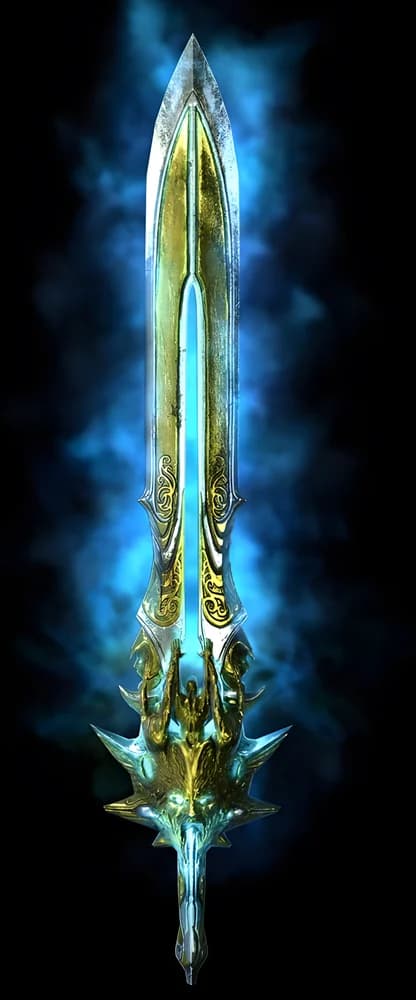
Blade of Olympus: Zeus' god-killing sword
Zeus forged the Blade of Olympus from the heavens and the earth to banish the Titans to Tartarus. It could kill gods and Titans, and it killed Zeus himself.
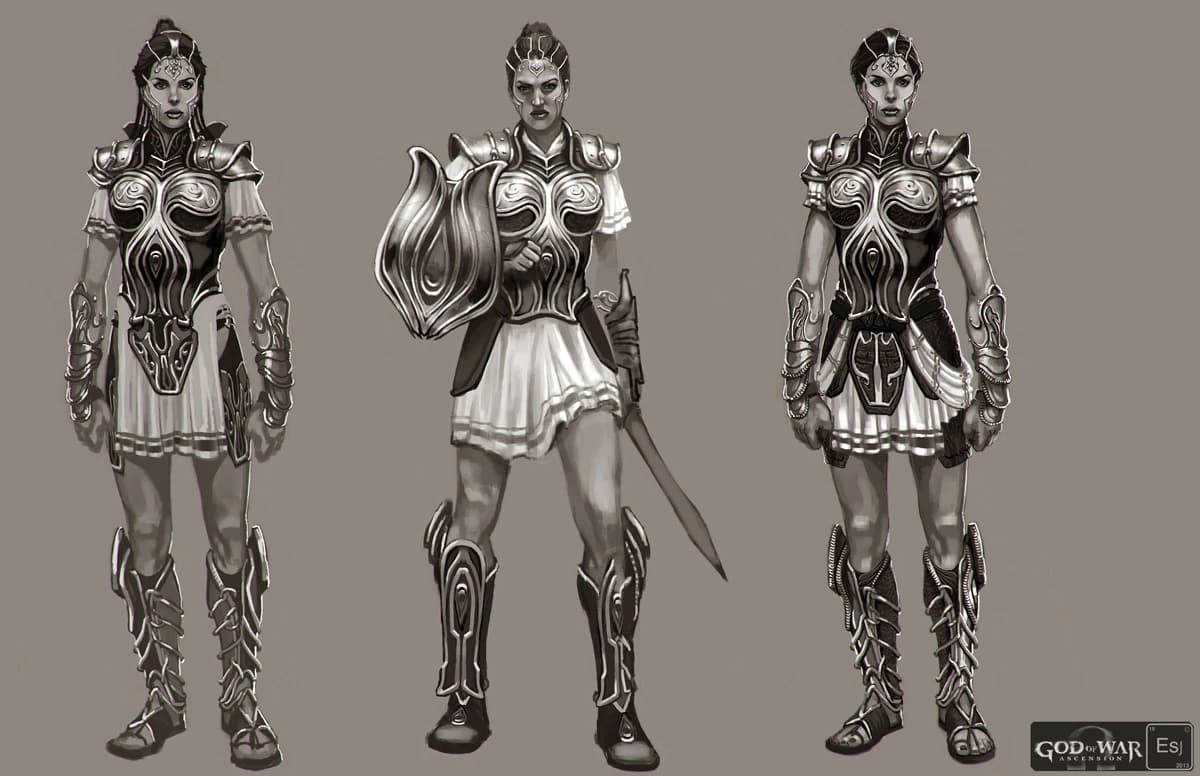
Athena: from Kratos' guide to his enemy
Athena set Kratos against Ares to save Athens, then turned on him when his reign grew worse. She died taking a blow meant for Zeus, and named Kratos his son.
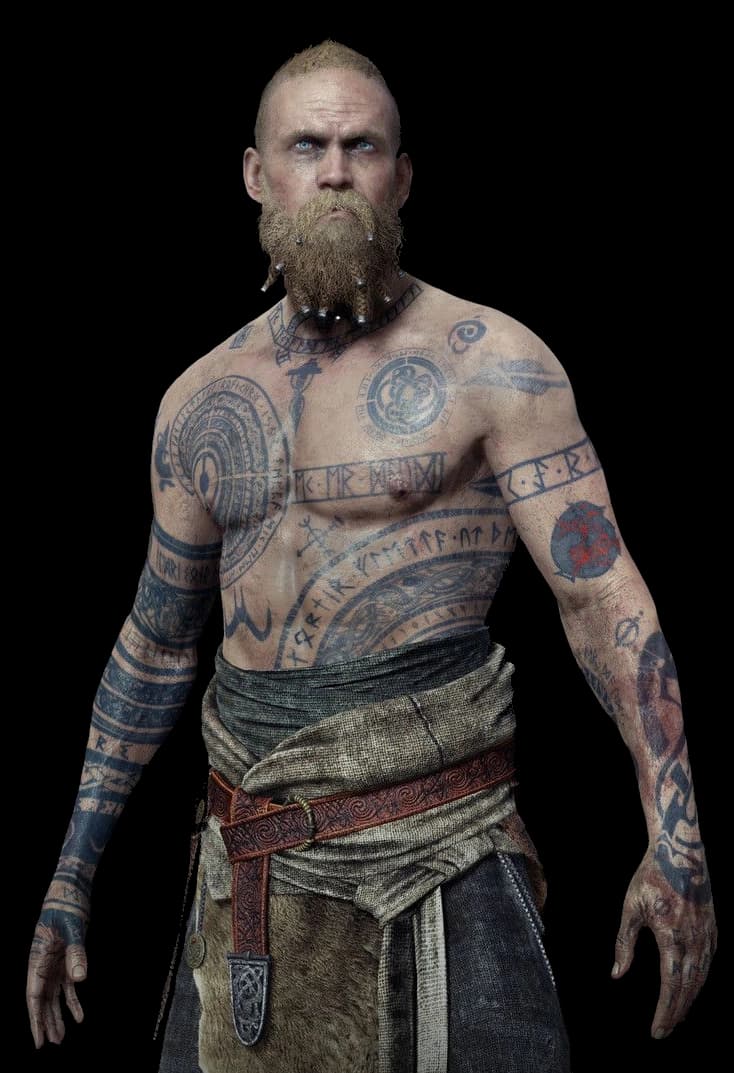
Baldur: the god who could feel nothing
Freya's spell made Baldur invulnerable but stripped every sensation from him, and a century of numbness drove him mad. Kratos killed him beside Thamur's corpse.
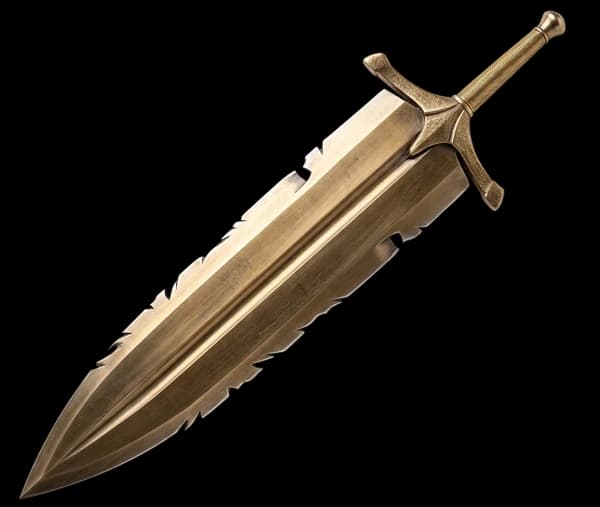
Blade of the Gods
The Blade of the Gods was a colossal sword forged by the gods, set into the ground outside Athens as a footbridge to a great statue of Athena. Grown to the size of a god, Kratos wrenched it free and used it to kill Ares, claiming the mantle of God of War for himself.

Freya
Freya was the Vanir goddess of love, war, and magic who married Odin to end the Aesir-Vanir War and was cursed to remain in Midgard. Once the Witch of the Woods, she aided Kratos and Atreus, swore vengeance after the death of her son Baldur, and at last turned her wrath on Odin himself.
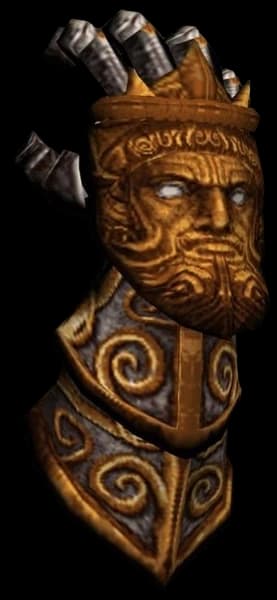
Gauntlet of Zeus
The Gauntlet of Zeus was a colossal gauntlet forged by Hephaestus and used by Zeus to chain the Titans in the depths of Tartarus. Recovered by Kratos from the Temple of Zeus, it became the weapon with which he slew Persephone.
Mentioned in1 entry
Get new articles in your inbox
No spam. New lore drops, canon conflicts, and deep dives only when they’re worth reading.
Some links on Lore Fortress are affiliate links. If you buy through them we earn a small commission at no extra cost to you.