Atlas: the Titan who holds up the world
the Titan who holds the world
Four-armed general of the Titans and the strongest of them. Kratos condemned him to carry the world on the Pillar of the World, then took his help.
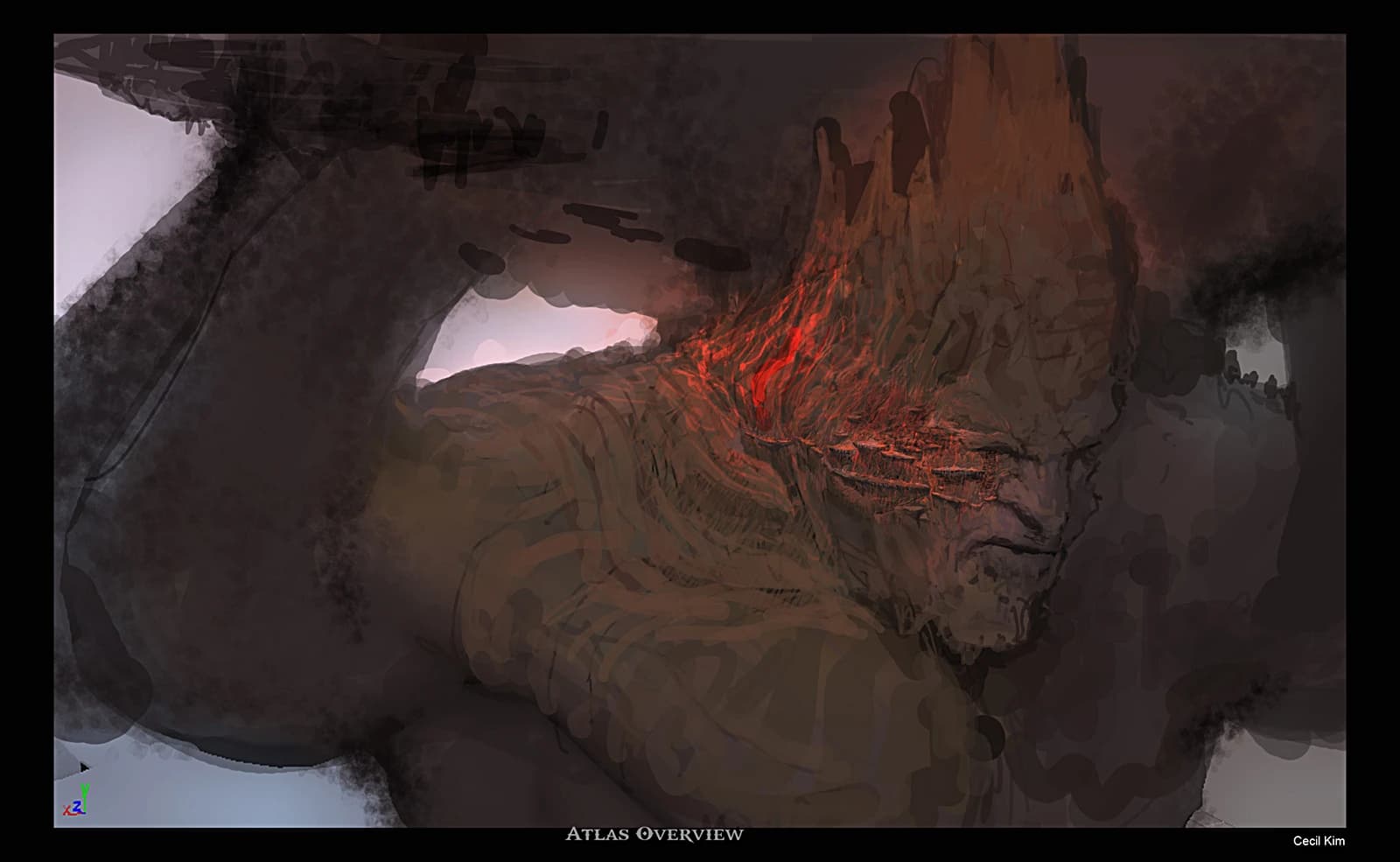
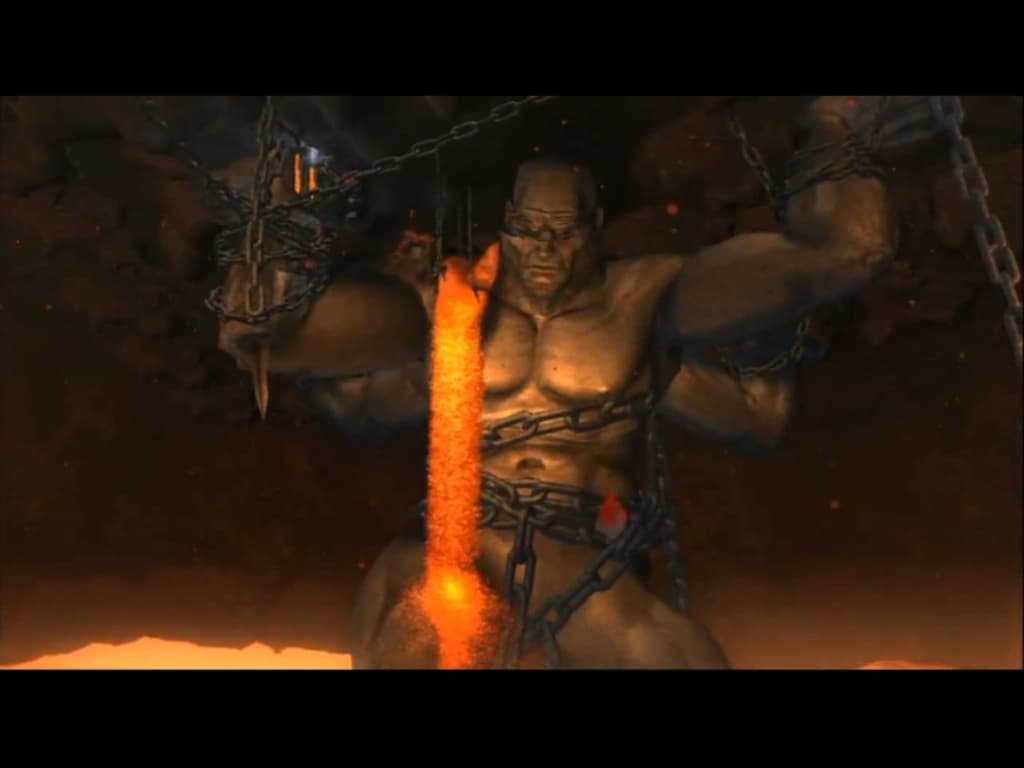
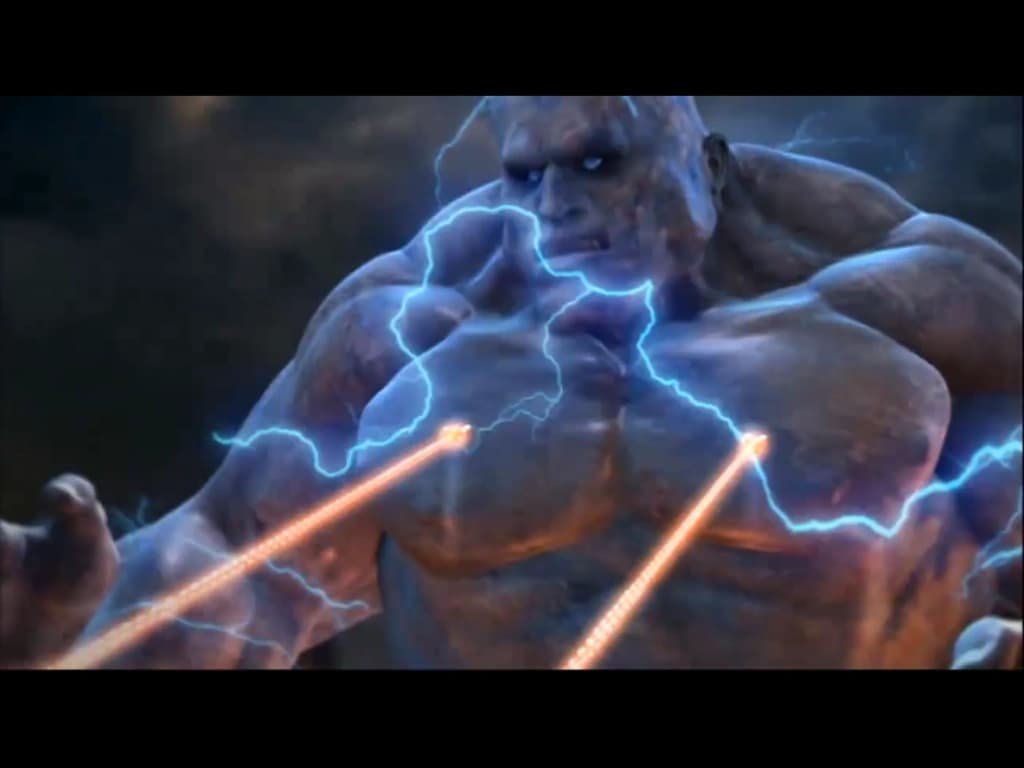
Atlas was one of the mighty Titans who once held dominion over the world, the four-armed General of the Titans and the strongest of his kind. He led the Titan armies in the great war against the Olympians, and after their fall he conspired with the goddess Persephone to destroy the world. Defeated by Kratos, he was condemned to bear the world atop the Pillar of the World, yet later lent the same Spartan his aid against Zeus. (God of War: Chains of Olympus; God of War II)
The great war#
In the myths, Atlas was the son of the Titan Iapetus and the Oceanid Clymene, brother to Epimetheus and Prometheus. The strongest of the Titans, he could hurl mountains at the younger gods like pebbles and wielded a great war hammer. During the war he served as the Titans' General. When Hades sought to absorb the soul of Cronos, Atlas saved his king by pounding the ground into a massive earthquake, but he was then targeted by Hades and, with the aid of Poseidon, his soul was absorbed. The weakened Titan watched the Blade of Olympus turned on his army, and he and his fellow Titans were swept down into the Underworld at the war's end. (Theogony; God of War II)
The Pillar of the World#
Long after the war, Persephone freed Atlas from his torment in Tartarus to destroy the Pillar of the World, which would end all life in Greece, mortal and god alike. Atlas tore Helios from the sky, plunging the world into darkness, and used the power of the sun to begin breaking the Pillar. Kratos, still bound to the service of Olympus, confronted Persephone and Atlas, struck down the goddess, and then chained Atlas into upholding the space between the Pillar and the world, forcing him to bear its weight on his shoulders. Atlas warned the Spartan that they would meet again, as the Sisters of Fate had deemed it, and vowed never to forget that a mere mortal had cursed him so. (God of War: Chains of Olympus)
Aiding Kratos#
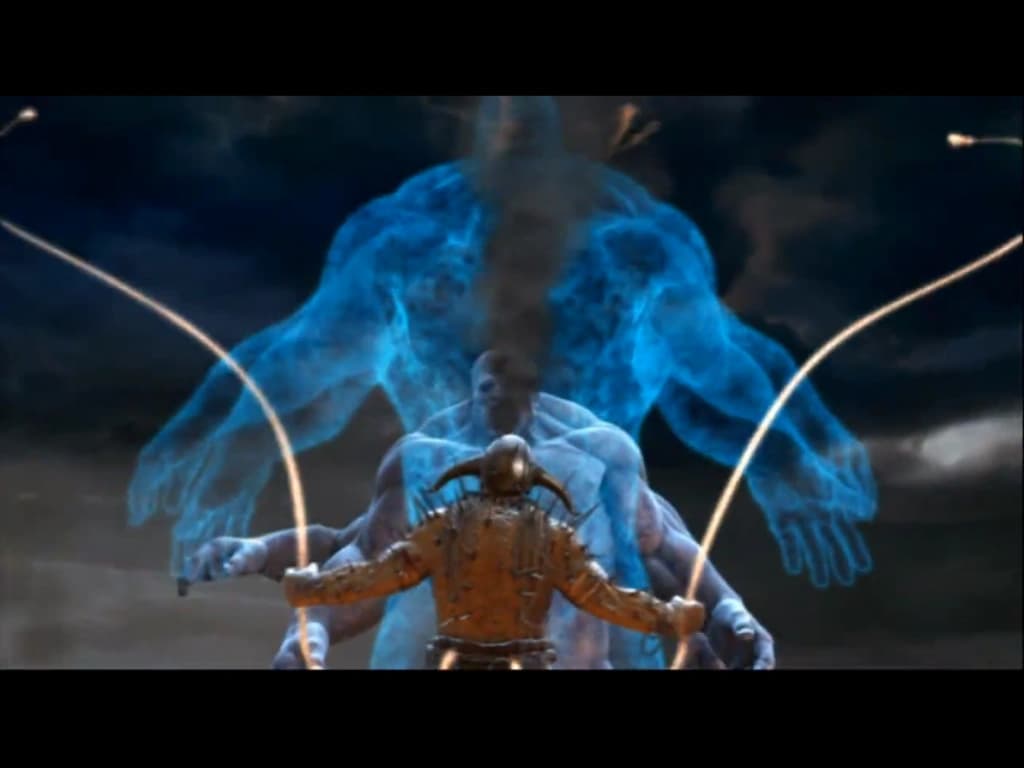
When Kratos later traversed the Island of Creation during his own war on the gods, a struggle with the crazed Icarus sent him falling onto Atlas, the Titan he had once chained. Enraged, Atlas tried to crush him, but Kratos fended off the attacks and told the Titan that Zeus had betrayed him and stripped away most of his power. Intrigued by Kratos's change of allegiance, Atlas told him of the great war and of how the Titans had sought to defend humanity from the power-crazed gods, then tested him by summoning a host of enemies. Impressed when Kratos prevailed, Atlas bestowed on him the last of his magic, the power of the Atlas Quake, and lifted him back to the surface as a true ally of the Titans. (God of War II)
The last living Titan#
Atlas never appears in the second war on Olympus. Unlike the Titans who fell in that war, he is never seen to die, so as far as the games go he is still down there holding up the world. His defeat is not forgotten either: in the Greek corners of Valhalla, Helios can greet Kratos after a fight as the man who brought down Atlas. (God of War III; God of War Ragnarök: Valhalla)
Frequently asked questions
- Who is Atlas in God of War?
- Atlas was one of the mighty Titans, the four-armed General of the Titans and the strongest of his kind. The son of Iapetus, he could hurl mountains like pebbles and wielded a great war hammer.
- What happened to Atlas during the great war?
- Atlas saved his king Cronos by pounding the ground into a massive earthquake when Hades sought to absorb Cronos' soul. Hades then targeted Atlas and, with the aid of Poseidon, absorbed his soul, leaving the weakened Titan to awaken in the deepest pits of the Underworld.
- Why does Atlas hold up the world?
- Persephone freed Atlas to destroy the Pillar of the World, and he tore Helios from the sky and began breaking the Pillar. Kratos struck down Persephone and chained Atlas into upholding the space between the Pillar and the world, forcing him to bear its weight on his shoulders.
- How did Atlas help Kratos?
- When Kratos fell onto Atlas during his own war on the gods, the Titan first tried to crush him, but learning that Zeus had betrayed Kratos, Atlas tested him by summoning a host of enemies. Impressed when Kratos prevailed, Atlas bestowed on him the power of the Atlas Quake and lifted him back to the surface.
- Is Atlas still alive in God of War?
- As far as the games show, yes. He never appears in God of War III, so unlike the Titans who fell in the final war he is never seen to die, and he is last seen still holding up the world.
Gallery
Images via God of War Wiki
Sources
- GameGod of War II, Santa Monica Studio, 2007
- GameGod of War: Chains of Olympus, Ready at Dawn, 2008
- GameGod of War III, Santa Monica Studio, 2010
- GameGod of War Ragnarök: Valhalla, Santa Monica Studio, 2023
- BookTheogony, Hesiod, c. 700 BC
Spotted a factual error or a primary source we missed? Email a correction. Every flagged claim gets reviewed.
Followed from this entry
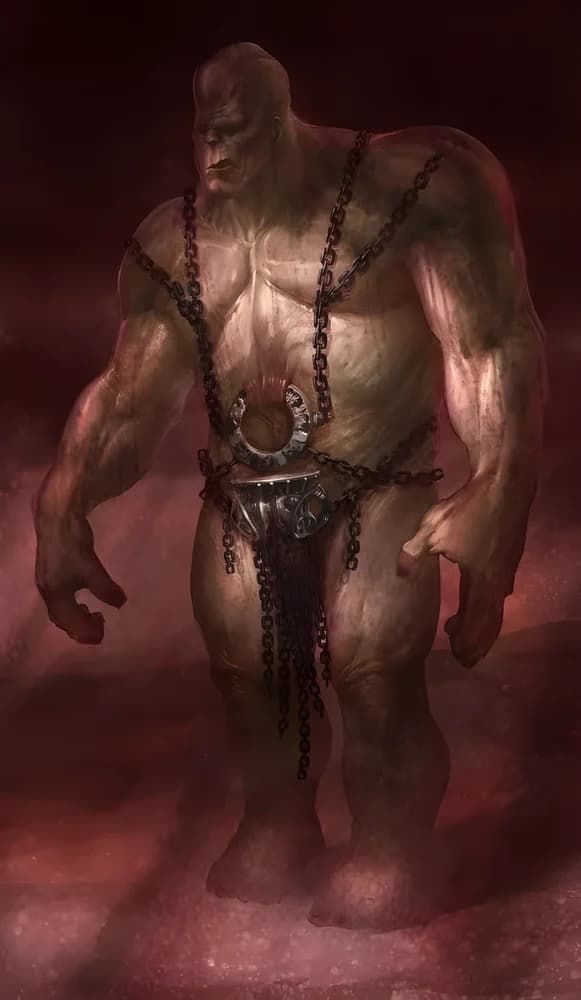
Cronos: the Titan who ate his children
Warned that his own children would depose him, Cronos swallowed each at birth. Rhea hid Zeus, Zeus deposed him anyway, and Kratos finished him.
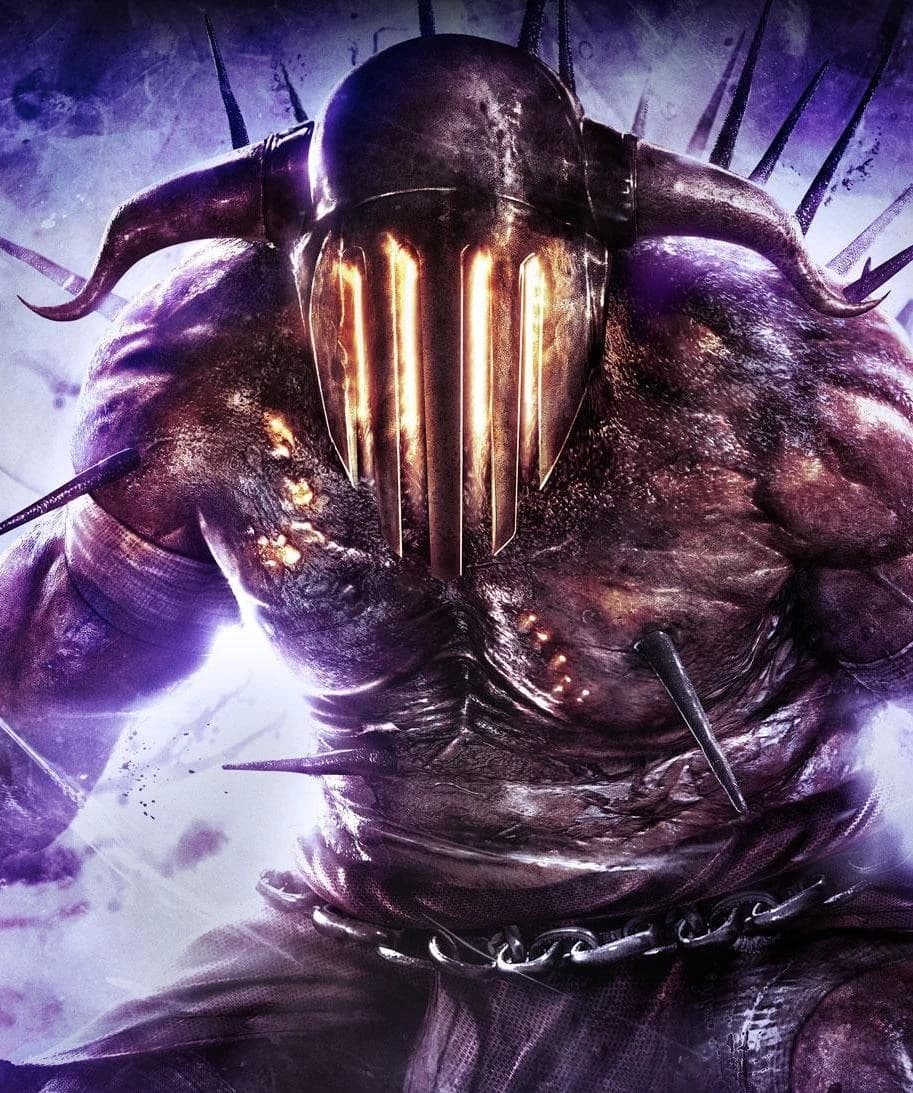
Hades: the god whose soul Kratos tore out
Eldest son of Cronos, Hades ruled the Underworld and held life and death in balance. Kratos turned the Claws of Hades on him and ripped his soul out.

Helios: the sun god Kratos beheaded
Kratos once saved Helios from the Titan Atlas. Years later he tore the sun god's head from his body and carried it through Olympus as a lantern.
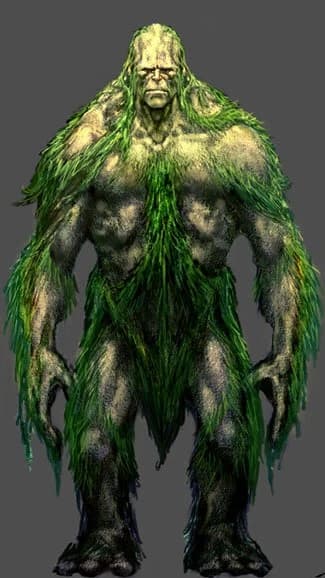
Iapetus
Iapetus was a Titan of the first generation, son of Ouranos and Gaia, and the father of Atlas, Prometheus and Epimetheus. He fought against Zeus in the war of the Titans and was cast into Tartarus when the Olympians prevailed.
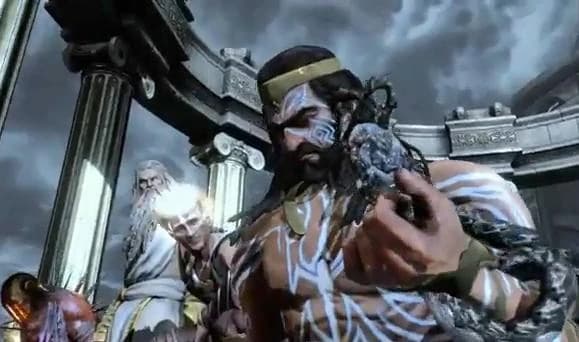
Olympians: the gods Kratos killed off
Zeus led the third generation of Greek gods to victory over the Titans. Kratos then destroyed almost every one of them, and Greece fell with them.

Persephone: the queen who wanted it over
Forced into marriage with Hades, Persephone set out to end the Greek world and herself with it. Kratos struck her down at the Pillar of the World.
Mentioned in33 entries
Blade of Olympus: Zeus' god-killing sword
Zeus forged the Blade of Olympus from the heavens and the earth to banish the Titans to Tartarus. It could kill gods and Titans, and it killed Zeus himself.
Blades of Chaos: chained to Kratos' arms
The Blades of Chaos were forged in the Underworld for Ares, who seared their chains onto Kratos' forearms. They burn with the fire of Tartarus.
Calliope
Calliope was the beloved daughter of Kratos and Lysandra, a gentle and innocent child of Sparta. Killed by her father during a frenzy contrived by Ares, she found rest in the Elysium Fields, only for Kratos to be forced to abandon her there to save the world.
Claws of Hades
The Claws of Hades were chained weapons wielded by Hades, god of the Underworld, who used their magic to tear the souls from his enemies. Kratos stole them in battle, claimed the god's own soul with them, and carried them as a means of ripping and summoning the souls of the dead.
Cronos: the Titan who ate his children
Warned that his own children would depose him, Cronos swallowed each at birth. Rhea hid Zeus, Zeus deposed him anyway, and Kratos finished him.
Gaia: Mother Earth, betrayed by Kratos
Gaia bore the Titans, hid the infant Zeus from Cronos, and allied with Kratos against Olympus. He ran the Blade of Olympus through her heart.
Gauntlet of Zeus
The Gauntlet of Zeus was a colossal gauntlet forged by Hephaestus and used by Zeus to chain the Titans in the depths of Tartarus. Recovered by Kratos from the Temple of Zeus, it became the weapon with which he slew Persephone.
God of War II Story Explained: Plot Summary and Ending
The whole story of God of War II in order, from Zeus's betrayal at Rhodes to the Titans climbing Mount Olympus. Then the ending in plain terms: why Athena died, what she told Kratos about his father, and how it sets up God of War III.
God of War Story Explained: the Whole Saga from Sparta to Ragnarök
The full God of War story in order, one main game at a time. Kratos serves Ares, kills him, destroys Olympus, starts again in the Norse lands and finally ends Odin, with the Valhalla epilogue as the last word.
God of War Timeline: every major event from the Primordials to Valhalla
The full in-universe chronology of God of War, from the war of the Primordials and the fall of the Titans to Kratos's life in Sparta, his war on Olympus, and the end of the Aesir at Ragnarök. The games give almost no calendar years, so events are ordered by story sequence and grouped into eras, with notes wherever the games' own placement is vague.
God of War: Chains of Olympus Story Explained
The plot of Chains of Olympus in order, from the Persian attack on Attica to Kratos holding his daughter in Elysium and letting her go. Then the ending explained: what Persephone wanted, why Atlas holds up the world, and where it leaves Kratos.
Greek Gods
The Greek Gods were the pantheon that ruled over Greece across three generations, the Primordials, the Titans, and the Olympians. Once the masters of mortals, monsters, and the natural world, they were brought to near extinction by Kratos in his war of vengeance against Olympus.
+ 21 more
Get new articles in your inbox
No spam. New lore drops, canon conflicts, and deep dives only when they’re worth reading.
Some links on Lore Fortress are affiliate links. If you buy through them we earn a small commission at no extra cost to you.