Icarus
the broken flyer of the Great Chasm
Icarus was the son of the inventor Daedalus, who fell to his death and was driven mad in the Underworld. Decades of crude repairs let him graft wings to his own flesh and escape, and he sought the Sisters of Fate to undo his fate, until Kratos tore the wings from his back at the Great Chasm.
Icarus was the son of the inventor Daedalus, who built the Labyrinth of King Minos. Famed for flying too near the sun and falling to his death, Icarus was driven mad in the Underworld, and after decades of crude repairs to his wings he escaped to seek the Sisters of Fate, only to meet Kratos at the Great Chasm of the Island of Creation. (Metamorphoses; God of War II)
The fall and the Underworld#
Icarus was the son of Daedalus, the brilliant architect who had built the Labyrinth of King Minos to imprison the Minotaur. After flying too near the sun on wings of feather and wax, Icarus fell and drowned, and his soul descended into the Underworld. There the torment of his prison and the memory of his own prideful failure broke his mind. (Metamorphoses; God of War II)
Though he lacked much of his father's talent, Icarus set himself to repairing his ruined wings, and over the course of decades he worked at them, at last grafting them directly to the flesh of his own back. With this he finally clawed his way out of the Underworld. Yet escape did not content him. Miserable and unsuited to the life he now led, he resolved to reach the Sisters of Fate and undo the death that had marked him, and so he made his way to the Island of Creation. (God of War II)
The Great Chasm#
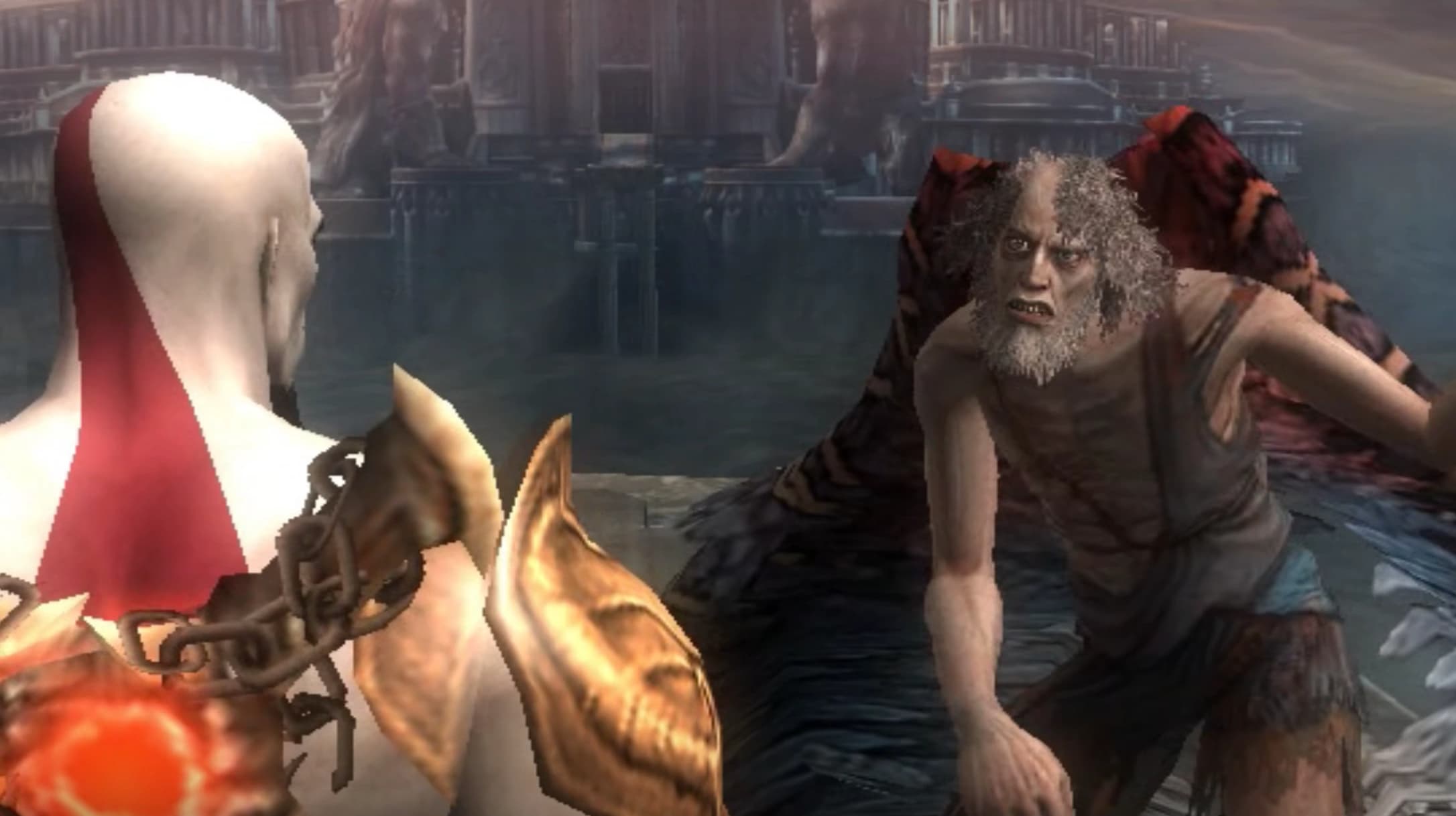
Kratos encountered Icarus in the Great Chasm of the Island, where the old man crawled out from beneath a bridge, filthy and raving. Icarus tried to turn the Spartan back, insisting that the crossing of the chasm was his test and his alone, that only he would fly across to gain an audience with the Sisters and change his fate. When Kratos pushed him aside, Icarus declared that the Sisters would never allow a fallen god to reach them, then wrenched free and pulled them both over the edge. (God of War II)
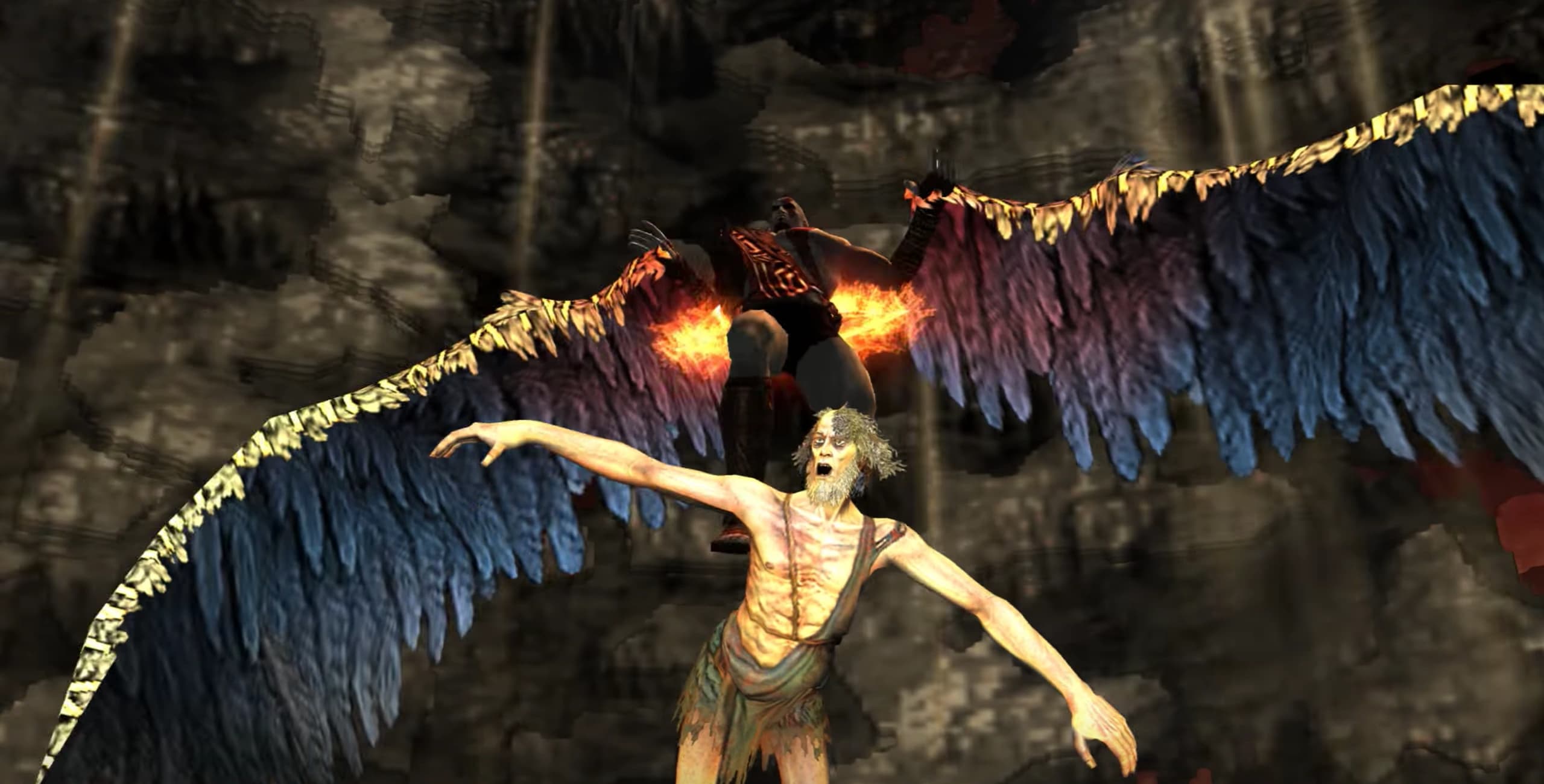
They fought the whole way down into the chasm, but Icarus was soon overmatched. Pleading for his life, he came to believe the Sisters had sent the Spartan to help him. His pleas went unanswered. Kratos tore the wings from his back to save himself, and Icarus fell screaming into the Underworld a final time, with no means of escape, while the Spartan glided down on the stolen wings to land upon the Titan Atlas. (God of War II)
A grieving father#
Icarus left behind a father who never stopped longing for him. In the Chambers of Daedalus, where the inventor had once laboured over his works, Daedalus had set down notes recording how he missed his son and wished him returned. Zeus had promised to bring Icarus back to him in exchange for building a great Labyrinth, and at first Daedalus wrote with hope, but as he completed the work perfectly and his son did not come, his joy curdled into despair. (God of War III)
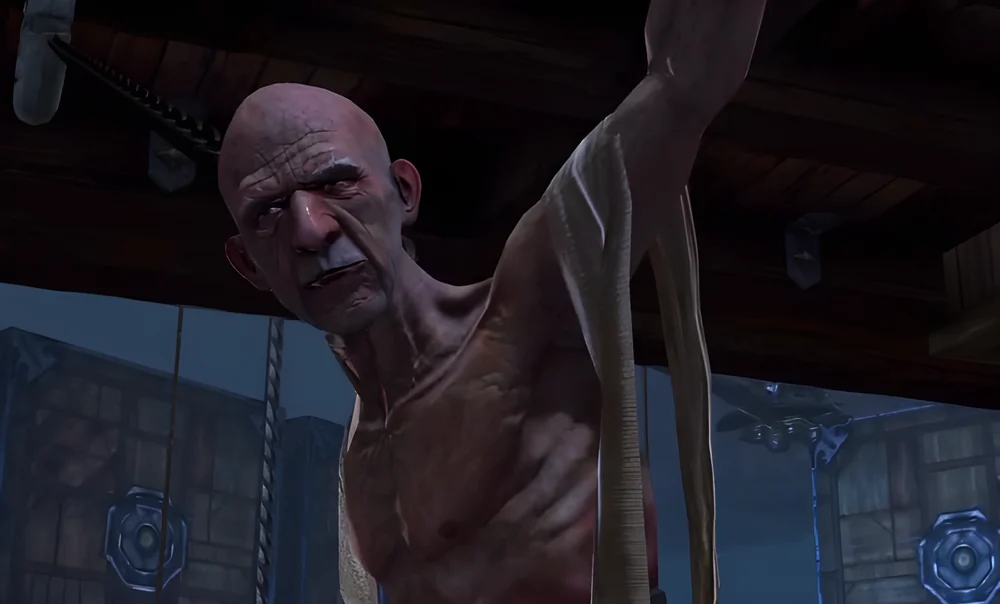
When Kratos found the enchained Daedalus, the old inventor at first mistook him for Icarus, and asked where his son was. Kratos admitted that Icarus was dead, though he did not confess that he was the cause. The revelation broke Daedalus, who realised all his labour had been for nothing and cursed Zeus for breaking their bargain. (God of War III)
Frequently asked questions
- Who is Icarus in God of War?
- Icarus was the son of Daedalus, the inventor who built the labyrinth of King Minos to imprison the Minotaur. Famed for flying too near the sun and falling to his death, he was driven mad in the Underworld before grafting wings to his own back and escaping.
- How did Icarus get his wings?
- Though he lacked much of his father's talent, Icarus spent decades repairing his ruined wings in the Underworld, at last grafting them directly to the flesh of his own back. With them he finally clawed his way out of the Underworld.
- Why did Icarus seek the Sisters of Fate?
- Escape did not content Icarus, who remained miserable and unsuited to his new life. He resolved to reach the Sisters of Fate to undo the death that had marked him, and made his way to the Island of Creation.
- What happened when Kratos met Icarus?
- Icarus crawled out from beneath a bridge in the Great Chasm and tried to turn Kratos back, insisting the crossing was his test alone, then pulled them both over the edge. They fought all the way down until Kratos tore the wings from his back and used them to glide to safety, sending Icarus screaming into the Underworld with no means of escape.
- What happened to Daedalus after Icarus died?
- Zeus had promised to return Icarus to Daedalus in exchange for building a great Labyrinth, but the son never came. When Kratos found the enchained Daedalus and admitted Icarus was dead, the revelation broke the inventor, who realized his labor had been for nothing and cursed Zeus for breaking their bargain.
Gallery
Images via God of War Wiki
Sources
- GameGod of War II, Santa Monica Studio, 2007
- GameGod of War III, Santa Monica Studio, 2010
- BookMetamorphoses, Ovid, AD 8
Spotted a factual error or a primary source we missed? Email a correction. Every flagged claim gets reviewed.
Followed from this entry
Daedalus
Daedalus was the master craftsman of Athens who built the great Labyrinth for Zeus in return for the promise of his lost son Icarus. Driven to madness in years of servitude and chained within his own creation, he was crushed when Kratos set the Labyrinth turning, and died grateful at last to be free.
Kratos
Kratos was the demigod son of Zeus who rose from a Spartan general to the Greek God of War, destroyed the pantheon of Olympus in a quest for vengeance, and then began again in the Norse realms as a father seeking to leave his bloody past behind.
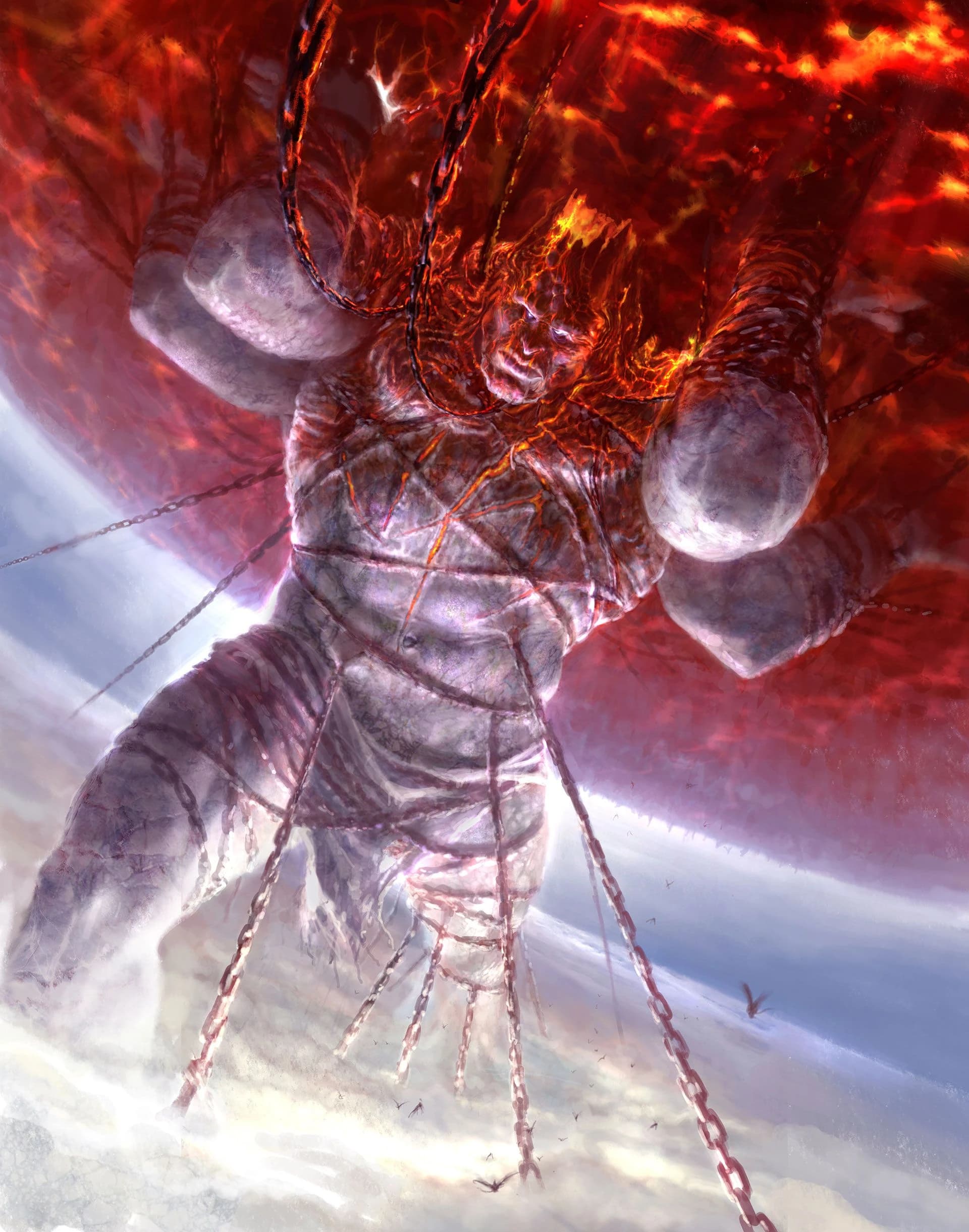
Atlas: the Titan who holds up the world
Four-armed general of the Titans and the strongest of them. Kratos condemned him to carry the world on the Pillar of the World, then took his help.

Minotaur
The Minotaurs were a species of towering bull-headed warriors first bred by Ares as brutes for his armies. From the labyrinth-bound Asterion of legend to the armored guardian of Pandora's Temple, they served as beasts of war across Greece and were a recurring foe of Kratos.

Zeus
Zeus was the King of Olympus and ruler of the Greek Pantheon, the youngest son of Cronos who freed his siblings, ended the Great War, and claimed the heavens. Father of Kratos, he became the great antagonist of the Greek age and fell at last to the very son he had tried to destroy.
Mentioned in13 entries
Atlas: the Titan who holds up the world
Four-armed general of the Titans and the strongest of them. Kratos condemned him to carry the world on the Pillar of the World, then took his help.
Daedalus
Daedalus was the master craftsman of Athens who built the great Labyrinth for Zeus in return for the promise of his lost son Icarus. Driven to madness in years of servitude and chained within his own creation, he was crushed when Kratos set the Labyrinth turning, and died grateful at last to be free.
God of War II Story Explained: Plot Summary and Ending
The whole story of God of War II in order, from Zeus's betrayal at Rhodes to the Titans climbing Mount Olympus. Then the ending in plain terms: why Athena died, what she told Kratos about his father, and how it sets up God of War III.
God of War III Story and Ending Explained: Plot Summary
The whole story of God of War III in order, from the Titans' climb up Mount Olympus to the death of Zeus. Then the ending in plain terms: why Kratos drove the Blade of Olympus into himself, what Athena wanted, and where that trail of blood leads.
God of War Story Explained: the Whole Saga from Sparta to Ragnarök
The full God of War story in order, one main game at a time. Kratos serves Ares, kills him, destroys Olympus, starts again in the Norse lands and finally ends Odin, with the Valhalla epilogue as the last word.
God of War Timeline: every major event from the Primordials to Valhalla
The full in-universe chronology of God of War, from the war of the Primordials and the fall of the Titans to Kratos's life in Sparta, his war on Olympus, and the end of the Aesir at Ragnarök. The games give almost no calendar years, so events are ordered by story sequence and grouped into eras, with notes wherever the games' own placement is vague.
Island of Creation: cradle of the Greek world
The Island of Creation was the place where all life in Greece began, lying at the very edge of the world. It became the seat of the Sisters of Fate and one of the most heavily guarded places known to man, until Kratos broke through its defenses, slew its guardians, and left it in ruin.
Kraken: the sea beast of the Island of Creation
The Kraken was a giant meat-eating sea monster, an octopus-like horror of armored tentacles and a fanged maw. One rose against Kratos on the Island of Creation after the death of the Last Spartan and nearly crushed him before he impaled her through the mouth, while in the Norse realms a hatchling of the same breed lived as the pet of the dwarf Durlin.
Perses: the Titan of Destruction
Perses was the Titan of Destruction, a great being of lava and rock who rose with Gaia in the Second Titanomachy. He crushed the sun god Helios against his own chariot before Kratos drove the Blade of Olympus into his eye and cast him from Mount Olympus.
Pillar of the World
The Pillar of the World was a great column in the Underworld that held up the Greek world and kept it from collapse. Partly broken in the battle between Kratos and Persephone, it became the eternal burden of the Titan Atlas.
River Styx: the river of hatred beneath Greece
The River Styx was the great river of the Greek Underworld, a barrier that killed the living on contact and carried the souls of the dead toward judgement. Charon ferried across it, the Path of Hades bridged it, and Kratos crossed, fell into and finally swam it more times than any mortal.
Second Titanomachy
The Second Titanomachy was the war Kratos set in motion against the Olympian Gods, when he led the Titans up Mount Olympus to take his vengeance on Zeus. It ended with the death of nearly every god and Titan and the ruin of Greece.
+ 1 more
Get new articles in your inbox
No spam. New lore drops, canon conflicts, and deep dives only when they’re worth reading.
Some links on Lore Fortress are affiliate links. If you buy through them we earn a small commission at no extra cost to you.