River Styx: the river of hatred beneath Greece
The River Styx was the great river of the Greek Underworld, a barrier that killed the living on contact and carried the souls of the dead toward judgement. Charon ferried across it, the Path of Hades bridged it, and Kratos crossed, fell into and finally swam it more times than any mortal.
The River Styx was the principal river of the Underworld, the water every Greek soul had to cross once its life was spent. It was known as the river of hatred, and for anything still living its touch meant death. Charon worked its banks as ferryman in the service of Hades and Persephone, carrying the dead over in a vessel the size of a warship. Kratos met the Styx more often than any other mortal in Greece. He was refused passage on it, thrown from its docks into Tartarus, fought his way back to kill its ferryman, crossed it on a road of bone, watched Icarus drown in it, and eventually swam its length and came out with his weapons destroyed. (God of War: Chains of Olympus; God of War (2005); God of War II; God of War III)
The river of hatred#
The Styx was the water that separated the living world from the dead one, and its reputation among the Greeks was not of peace but of loathing. It carried the name river of hatred, and it was not a thing any mortal was meant to see twice. (Theogony; God of War: Chains of Olympus)
Its appearance changed from one visit to the next. In Kratos's earlier crossings, through the ruined flats of Asphodel and the depths beneath Greece, it ran as a river of blood, and for the living it spelled instant death, so that the only way across was to be carried. By the time he fell into it from Olympus it ran instead as murky black water thick with souls who swam and thrashed in it without ever drowning. Those souls were not passive. Anything that entered the water was seized, drained and pulled under. (God of War: Chains of Olympus; God of War (2005); God of War III)
Asphodel itself, the neutral ground of the Underworld lying between Elysium and the pit of Tartarus, was where Kratos first came upon the river. He fell into that region after loosing the Fire Steeds and made his way through its barren ruins until the ground opened onto the water and the docks beyond. (God of War: Chains of Olympus)
Charon and his docks#
The Docks of Charon stood on the bloody bank at the edge of Asphodel, marked by a giant statue of the ferryman himself and hung with Charon's Bell, which any arrival could ring to summon him. The ferry that answered was enormous, more than fifty feet from bow to stern, driven by banks of long oars and carrying no sail at all. Set into its deck was a structure of three columns like a hearth, from which the ferryman could send a wave of green flame the length of the vessel and kill everything standing on it. (God of War: Chains of Olympus)
Charon served Hades and Persephone as ferryman of the dead. He was gaunt and pale, robed in dark cloth strung with severed heads, his skull like face covered by a golden mask, and he carried a great scythe that doubled as a walking staff. He made no secret of despising the work he had been given. (God of War: Chains of Olympus)
When Kratos rang the bell, Charon refused him. The Spartan was still living and the ferryman would not take him across. They fought for control of the ship, and the ferryman won, knocking Kratos unconscious and throwing him down into the Jails of Tartarus. That defeat put Charon in a very short company of beings who ever bested Kratos in a straight fight. (God of War: Chains of Olympus)
Kratos climbed out of Tartarus with the Gauntlet of Zeus and came back to the docks. This time he destroyed the three pillars the ferryman used to draw back his strength, wore him down, and drove Charon's own scythe through him. Even that did not finish it. Kratos took hold of him and beat his face until he died, then stripped the golden mask from the corpse. With the ferry his own, he crossed the Styx and sailed on to the Temple of Persephone. A carving of the ferryman survived him, cut into the gate of Persephone's shrine. (God of War: Chains of Olympus)
The Path of Hades#
Not every crossing was made by boat. Deep in the Underworld a road called the Path of Hades ran out over the Styx, built of platforms and narrow bridges of bone slick with blood, threaded with spinning columns of spikes and burning along its whole length. (God of War (2005))
Kratos took that road to get out of the Underworld after he was cast down during the siege of Athens. The path was defended the entire way by the servants of the dead, legionnaires and archers of Hades, harpies, minotaurs and satyrs, and while he fought across it the freshly dead could be seen dropping past into the river below, some of them still burning. At the far end he found a long rope and climbed it, coming up out of his own grave in Athens. He walked back into Athens from there and killed Ares. (God of War (2005))
Falls into the Styx#
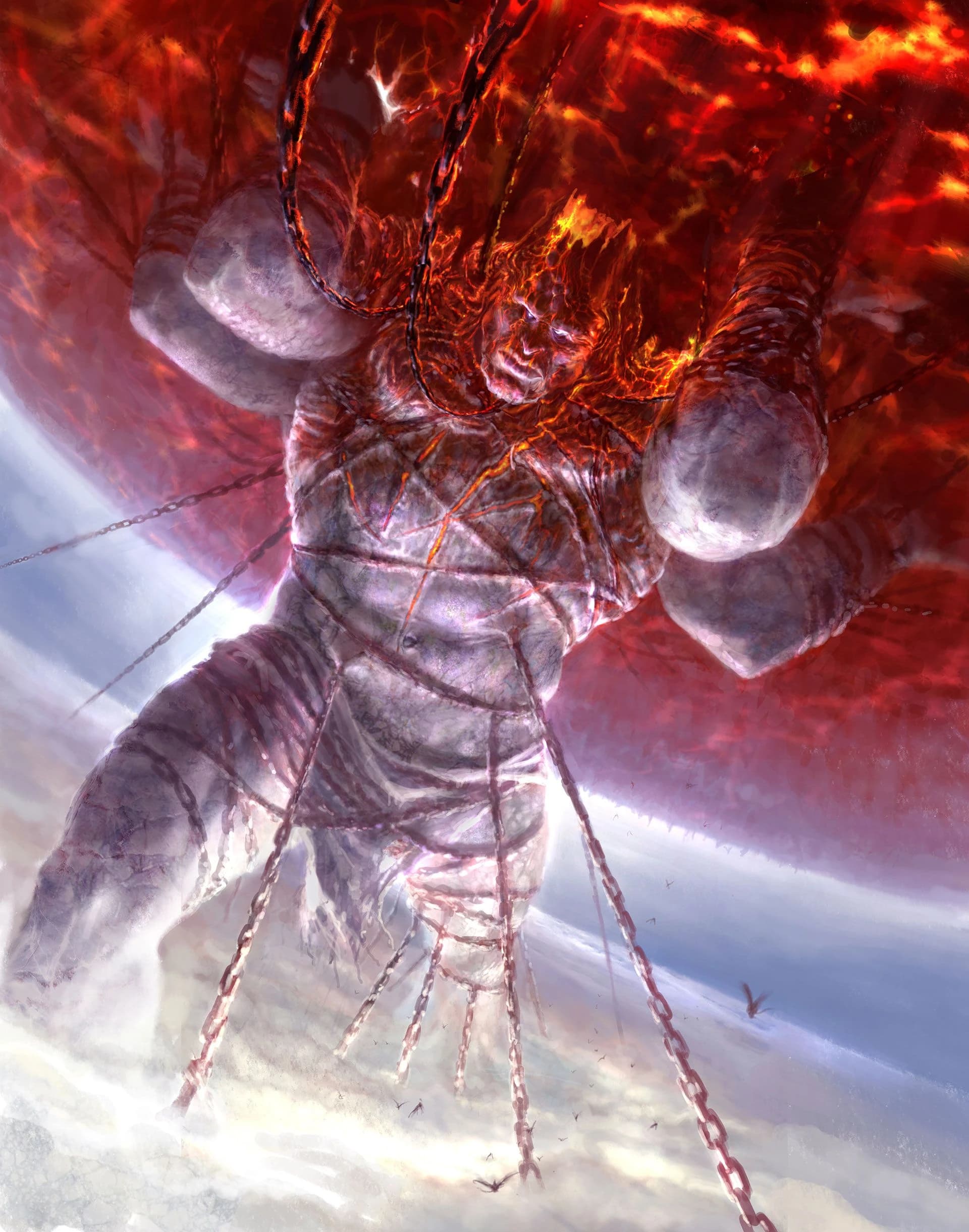
The river took at least one famous soul while Kratos watched. Pursuing a way up out of Greece, he grappled with Icarus in the air above the Great Chasm and the two of them fell together toward the Underworld. Below them the world sat on the shoulders of Atlas, and beneath the Titan lay the Styx. Kratos tore the wings from Icarus' back and used them to land safely on the Titan. Icarus, stripped of the only thing that had ever lifted him, fell the rest of the way into the river with no means of ever climbing out again. Making his own way back to the surface afterward, Kratos took care not to follow him in. (God of War II)
Swimming the Styx#
The last and worst of his crossings came after Gaia betrayed him on the flank of Mount Olympus. Having killed Poseidon, Kratos was thrown from the Titan's back and fell the full height of the mountain into the Underworld and into the Styx. (God of War III)
This time he could swim in it, but not without cost. The cursed souls in the water swarmed him, dragging at his body, draining his life and his magic away, and eating the Blades of Athena until the weapons were destroyed outright. The Golden Fleece on his arm came through the water intact. He walked out of the river weaker than he had entered any fight in his life. (God of War III)
The river stopped being a danger to him only after he killed Hades. Having torn out and absorbed the lord of the dead's soul with the stolen Claws of Hades, Kratos carried a god's soul inside him, and from that point the Styx let him pass through its waters without harm. (God of War III)
The mirage of Midas#
The Styx was fearsome enough that its mere image could destroy a man. When King Midas was shown a vision in his madness, what he took for the river of the dead was in truth a channel of molten lava. Convinced that he had already died and that the water before him was the Styx itself, the king put his hand into it. The lava burned the hand off and sent him running in agony, and the severed hand turned the whole stream to gold where it fell, opening a crossing for Kratos over a river that had never been the Styx at all. (God of War: Ghost of Sparta)
Sources
- GameGod of War (2005), Santa Monica Studio, 2005
- GameGod of War: Chains of Olympus, Ready at Dawn, 2008
- GameGod of War II, Santa Monica Studio, 2007
- GameGod of War: Ghost of Sparta, Ready at Dawn, 2010
- GameGod of War III, Santa Monica Studio, 2010
- BookTheogony, Hesiod, around 700 BC
Spotted a factual error or a primary source we missed? Email a correction. Every flagged claim gets reviewed.
Followed from this entry

Athens: Athena's city, besieged by Ares
Ares laid siege to Athens out of hatred for his sister Athena. Kratos was sent to save it, and killed Ares there to become the new God of War.
The Elysium Fields
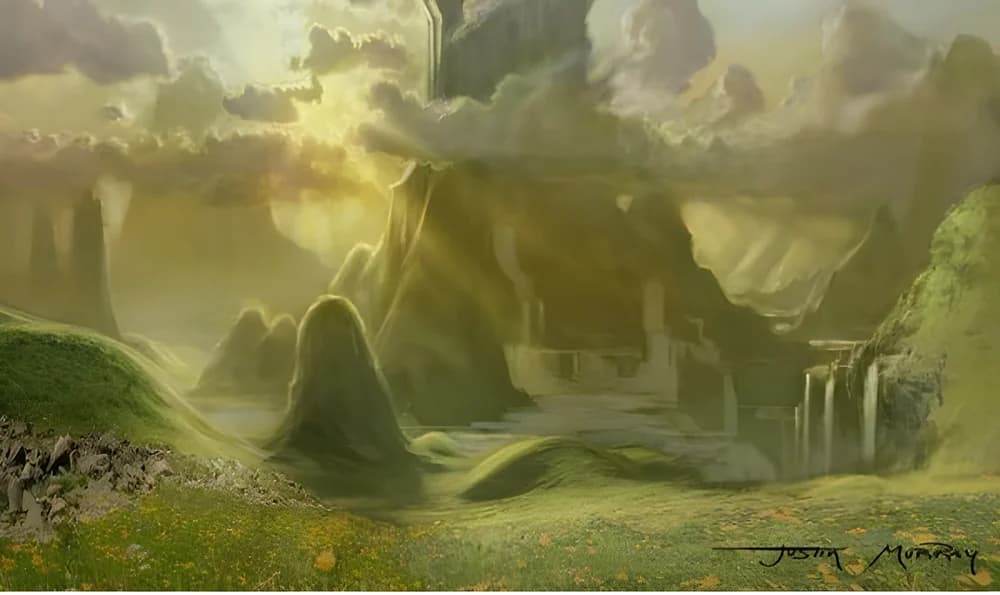
The Elysium Fields were the part of the Underworld where the souls of the good and pure dwelt, a paradise that held the Pillar of the World. There Kratos was reunited with his daughter Calliope, and there he was forced to give her up again to stop Persephone.

Tartarus: the abyss that caged the Titans
Tartarus was the deepest pit of the Underworld, and in Greek myth one of the first beings. Zeus bound the Titans there, and Kratos killed Cronos in its depths.

The Underworld
The Underworld was the realm of the dead in Greece, a hellish landscape below the living world where the River Styx carried mortal souls to their rest. It was ruled by Hades until his death, and Kratos descended into it many times across his Greek campaigns.
Ares: the god who made Kratos a killer
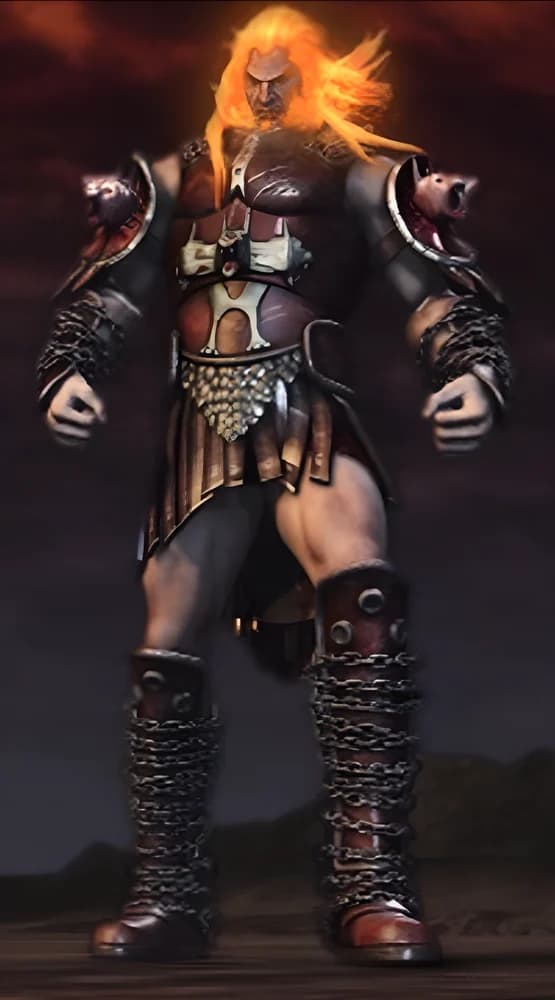
Ares tricked Kratos into slaughtering his own wife and daughter to bind him as a weapon. Kratos killed him at Athens and took his place as God of War.
Atlas: the Titan who holds up the world
Four-armed general of the Titans and the strongest of them. Kratos condemned him to carry the world on the Pillar of the World, then took his help.
Mentioned in19 entries
Astral Form: the higher existence of the gods
The Astral Form was a rare state in which a god existed without a physical body, appearing as a higher, transcendent version of themselves. Only Athena and, briefly, Zeus ever achieved it, and each reached it by a different road, she through selfless sacrifice and he through the evil of Fear.
Athena: from Kratos' guide to his enemy
Athena set Kratos against Ares to save Athens, then turned on him when his reign grew worse. She died taking a blow meant for Zeus, and named Kratos his son.
Blades of Athena
The Blades of Athena were the chained blades the goddess Athena bestowed upon Kratos when he became the God of War. They served as his primary weapons during and after his reign on Olympus, until they were ruined in the River Styx and reforged into the Blades of Exile.
Blades of Exile
The Blades of Exile were a refashioned form of the Blades of Athena, the third and final set of chained blades that Kratos wielded in Greece. Created by the astral form of Athena from his ruined weapons, they carried him through his last war against Olympus.
Calliope
Calliope was the beloved daughter of Kratos and Lysandra, a gentle and innocent child of Sparta. Killed by her father during a frenzy contrived by Ares, she found rest in the Elysium Fields, only for Kratos to be forced to abandon her there to save the world.
Charon
Charon was the ferryman who carried the souls of the dead across the River Styx, a servant of Hades and Persephone. When Kratos came to his docks still living, Charon refused him passage and cast him into Tartarus before the Spartan returned to kill him.
God of War (2005) Story Explained: Plot Summary and Ending
The whole story of the first God of War in order, from the Hydra in the Aegean to the death of Ares at Athens. Then the ending in plain terms: why Kratos jumped from the cliff, why Athena saved him, and how he ended up on Ares's throne.
God of War III Story and Ending Explained: Plot Summary
The whole story of God of War III in order, from the Titans' climb up Mount Olympus to the death of Zeus. Then the ending in plain terms: why Kratos drove the Blade of Olympus into himself, what Athena wanted, and where that trail of blood leads.
God of War Weapons List: the Name of Every Weapon Kratos Has Used
Kratos has carried two dozen weapons across two lifetimes, from a Spartan spear to a spear built from a ring that copies itself. This list runs through them in the order he got them, Greek era first, then Norse.
God of War: Chains of Olympus Story Explained
The plot of Chains of Olympus in order, from the Persian attack on Attica to Kratos holding his daughter in Elysium and letting her go. Then the ending explained: what Persephone wanted, why Atlas holds up the world, and where it leaves Kratos.
Golden Fleece
The Golden Fleece was a powerful golden armlet that had once belonged to the Argonaut Jason. Worn by Kratos, it could turn aside and reflect any attack, from a Gorgon's stone stare to a blow from the Blade of Olympus itself.
Hades: the god whose soul Kratos tore out
Eldest son of Cronos, Hades ruled the Underworld and held life and death in balance. Kratos turned the Claws of Hades on him and ripped his soul out.
+ 7 more
Get new articles in your inbox
No spam. New lore drops, canon conflicts, and deep dives only when they’re worth reading.
Some links on Lore Fortress are affiliate links. If you buy through them we earn a small commission at no extra cost to you.