Golden Fleece
the relic of Jason worn by the Ghost of Sparta
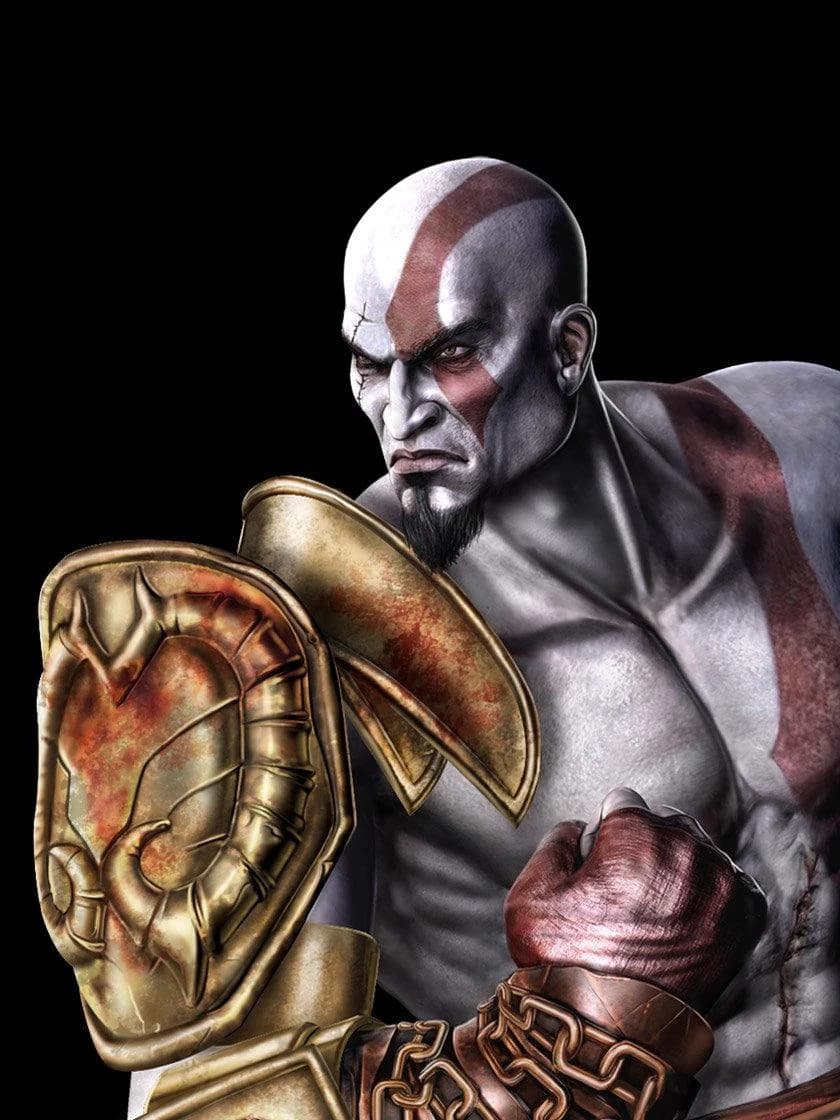
The Golden Fleece was a powerful golden armlet that had once belonged to the Argonaut Jason. Worn by Kratos, it could turn aside and reflect any attack, from a Gorgon's stone stare to a blow from the Blade of Olympus itself.
The Golden Fleece was a powerful relic that had once belonged to Jason, leader of the Argonauts, before it came into the possession of Kratos. Worn as a golden armlet, it granted its bearer the power to turn aside and reflect the attacks of enemies, and it served Kratos through his campaign against the gods of Olympus. (God of War II; God of War III)
Origin of the relic#
The God of War II novel fills in the Fleece's past. Jason describes it there as a holy relic made in honour of Zeus. It had begun as the literal fleece of a winged ram, a creature capable of reason and speech that Hermes had gifted to the twins Phrixus and Helle so that they might escape their stepmother. Helle fell to her death during the crossing, but Phrixus reached the city of Colchis and the court of King Aeetes, offering the ram in gratitude for the king's hospitality. The king slaughtered the ram in tribute to Zeus and kept its fleece, which became a powerful and valuable artifact placed under the guardianship of the Colchian dragon. (God of War II (novel))
In the novel's telling, the hero Jason and his Argonauts came to Colchis to claim the fabled fleece. After facing challenges set by the king, Jason succeeded only with the treacherous aid of the king's daughter, the enchantress Medea. (God of War II (novel))
Claimed by Kratos#
Long after, the Golden Fleece came into the hands of Kratos. He took it after defeating the Mole Cerberus that had partly devoured Jason. Though described in many accounts as an armlet, the Fleece was in fact several plates of armor worn along the shoulder, bicep, and forearm. When its power was called upon, it surrounded its bearer in a golden aura. (God of War II)
Power#
With the Golden Fleece, Kratos could block and counter the attacks of his enemies, and could absorb enemy projectiles to hurl them back at his attackers. It was especially effective against the Gorgons: if one loosed its stone stare and Kratos deflected it, every foe in sight, including the Gorgon itself, was turned to stone. The God of War II novel adds that the Fleece could drain creatures of their magical power, as it did to the priests of the Fates, leaving them powerless after a single parry, though this had no effect on deities, demigods such as Perseus, or the greater Gorgons. (God of War II; God of War II (novel))
Kratos used the Fleece to solve the trials of the Island of Creation, often by reflecting the beams cast by statues that barred his path, and he relied on it against the magic and projectiles of many powerful foes. It proved capable of turning aside even a strike from the Blade of Olympus. (God of War II)
End#
The Golden Fleece survived Kratos's passage through the River Styx, though it lost much of its strength, its power having become bound to the strength of his blades. In the end it was destroyed, along with most of Kratos's other arms and armor, when the astral form of Zeus launched a surprise attack upon the Ghost of Sparta during their final confrontation. In the years that followed, its role as Kratos's defense would be taken up by the Guardian Shield of the Norse realms. (God of War III; God of War (2018))
Frequently asked questions
- What is the Golden Fleece in God of War?
- The Golden Fleece was a powerful golden armlet that had once belonged to Jason, leader of the Argonauts. Worn by Kratos, it could block, parry, and reflect the attacks of his enemies.
- How did Kratos get the Golden Fleece?
- Kratos took the Golden Fleece after defeating the Mole Cerberus that had partly devoured Jason.
- What can the Golden Fleece do?
- With the Fleece, Kratos could block and counter attacks and absorb enemy projectiles to hurl them back. If he deflected a Gorgon's stone stare, every foe in sight, including the Gorgon itself, was turned to stone, and the Fleece could turn aside even a strike from the Blade of Olympus.
- Where did the Golden Fleece come from?
- In the God of War II novel it began as the literal fleece of a winged, speaking ram that Hermes had gifted to the twins Phrixus and Helle. King Aeetes of Colchis slaughtered the ram in tribute to Zeus and kept its fleece, which was then placed under the guardianship of the Colchian dragon until Jason claimed it.
- What happened to the Golden Fleece?
- The Fleece survived Kratos's passage through the River Styx but lost much of its strength. It was destroyed, along with most of Kratos's other arms and armor, when the astral form of Zeus launched a surprise attack during their final confrontation.
Gallery
Images via God of War Wiki
Sources
- GameGod of War II, Santa Monica Studio, 2007
- GameGod of War III, Santa Monica Studio, 2010
- GameGod of War (2018), Santa Monica Studio, 2018
- BookGod of War II (novel), Robert E. Vardeman, Del Rey, 2013
Spotted a factual error or a primary source we missed? Email a correction. Every flagged claim gets reviewed.
Followed from this entry
River Styx: the river of hatred beneath Greece
The River Styx was the great river of the Greek Underworld, a barrier that killed the living on contact and carried the souls of the dead toward judgement. Charon ferried across it, the Path of Hades bridged it, and Kratos crossed, fell into and finally swam it more times than any mortal.
Blade of Olympus: Zeus' god-killing sword
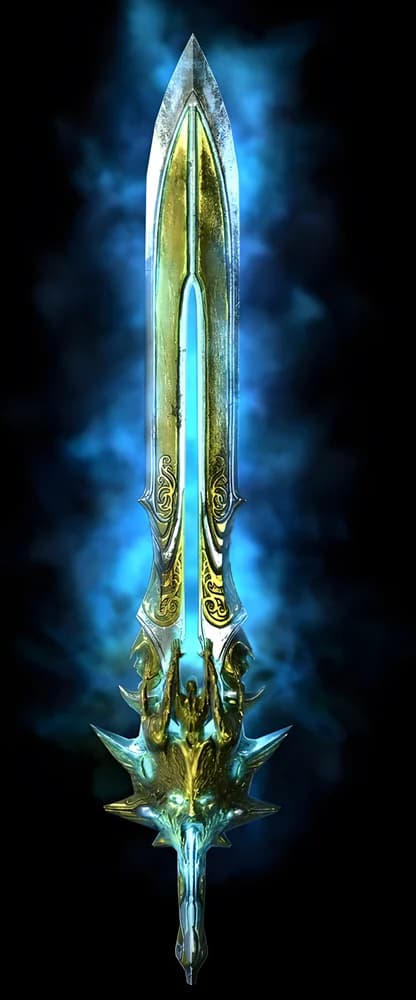
Zeus forged the Blade of Olympus from the heavens and the earth to banish the Titans to Tartarus. It could kill gods and Titans, and it killed Zeus himself.
Cerberus: the multi-headed hounds of Hades
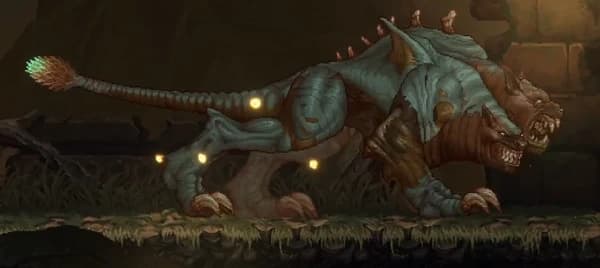
The Cerberi were a race of fierce multi-headed hounds, most of them kept as the beasts of Hades in the Underworld. Kratos faced them across many of his journeys, from the breeders of Pandora's Temple to the Mole Cerberus that had swallowed Jason and the Golden Fleece.
Gorgon
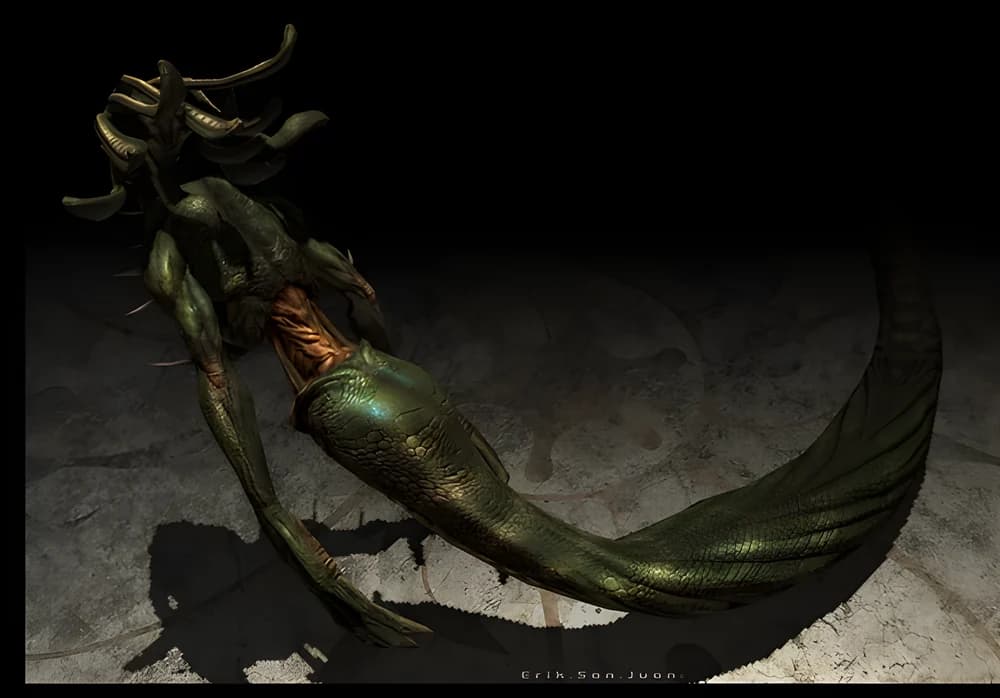
The Gorgons were a serpentine race of female monsters whose gaze turned the living to stone. Ruled by three matriarchs, Medusa, Euryale, and Stheno, they marched in the army of Ares and were hunted across Greece by Kratos, who claimed their severed heads as weapons.

Hermes: the swift god Kratos crippled
Hermes taunted Kratos through a long chase across Olympus. The Spartan cornered him, severed his legs at the knee and took the winged boots for himself.
Kratos
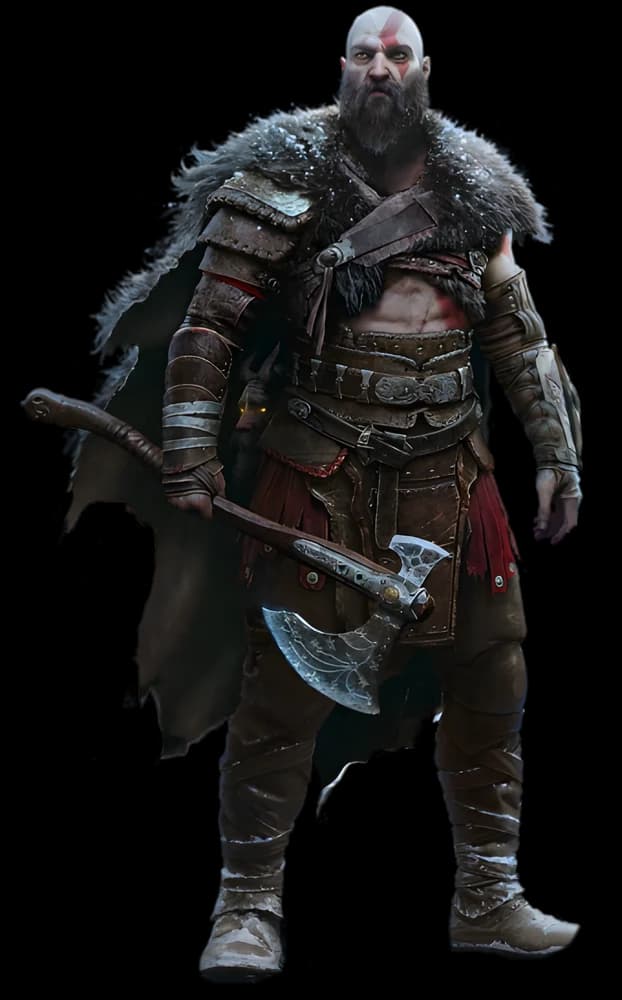
Kratos was the demigod son of Zeus who rose from a Spartan general to the Greek God of War, destroyed the pantheon of Olympus in a quest for vengeance, and then began again in the Norse realms as a father seeking to leave his bloody past behind.
Mentioned in11 entries
Aeetes: the king of Colchis
Aeetes was the king of Colchis, a son of the sun god Helios and the father of the sorceress Medea. The Golden Fleece came to rest in his kingdom as a gift of gratitude, and its theft by Jason of the Argonauts cost the king his daughter, his son, and the greatest treasure of his house.
Cerberus: the multi-headed hounds of Hades
The Cerberi were a race of fierce multi-headed hounds, most of them kept as the beasts of Hades in the Underworld. Kratos faced them across many of his journeys, from the breeders of Pandora's Temple to the Mole Cerberus that had swallowed Jason and the Golden Fleece.
God of War II Story Explained: Plot Summary and Ending
The whole story of God of War II in order, from Zeus's betrayal at Rhodes to the Titans climbing Mount Olympus. Then the ending in plain terms: why Athena died, what she told Kratos about his father, and how it sets up God of War III.
God of War Weapons List: the Name of Every Weapon Kratos Has Used
Kratos has carried two dozen weapons across two lifetimes, from a Spartan spear to a spear built from a ring that copies itself. This list runs through them in the order he got them, Greek era first, then Norse.
Guardian Shield
The Guardian Shield was a retractable round shield worn on Kratos's gauntlet through the Norse era. A gift from his wife Faye, it served him to parry, block, and turn aside attacks until Thor's hammer shattered it.
Island of Creation: cradle of the Greek world
The Island of Creation was the place where all life in Greece began, lying at the very edge of the world. It became the seat of the Sisters of Fate and one of the most heavily guarded places known to man, until Kratos broke through its defenses, slew its guardians, and left it in ruin.
Medea: the sorceress of Colchis
Medea was a sorceress and priestess of Hecate, a princess of Colchis born of the bloodline of Helios. Her craft won Jason the Golden Fleece, and her jealousy later destroyed his household, driving the Argonaut on the doomed voyage that ended on the Island of Creation.
Pelias: the king of Iolcus
Pelias was the demigod king of Iolcus, a son of Poseidon who feared the claim of his nephew Jason and sent him across the sea to fetch the Golden Fleece. The quest failed to rid him of his rival, and on Jason's return the sorceress Medea turned the king's own daughters into his executioners.
River Styx: the river of hatred beneath Greece
The River Styx was the great river of the Greek Underworld, a barrier that killed the living on contact and carried the souls of the dead toward judgement. Charon ferried across it, the Path of Hades bridged it, and Kratos crossed, fell into and finally swam it more times than any mortal.
Siren
The Sirens were female monsters whose enchanting song lured sailors to crash their ships upon the rocks. Beautiful from afar yet decayed beneath their guise, they wielded magical powers and were found in the deserts, temples, and shores of the Greek world.
The Argonauts: the crew that carried the Golden Fleece
The Argonauts were the company of Greek heroes who sailed under Jason aboard the Argo and took the Golden Fleece out of Colchis. Their last voyage brought them to the Island of Creation, where the monsters of the Bog of the Forgotten killed every one of them and a Mole Cerberus swallowed the Fleece.
Get new articles in your inbox
No spam. New lore drops, canon conflicts, and deep dives only when they’re worth reading.
Some links on Lore Fortress are affiliate links. If you buy through them we earn a small commission at no extra cost to you.