Iapetus
Titan of the first generation
Iapetus was a Titan of the first generation, son of Ouranos and Gaia, and the father of Atlas, Prometheus and Epimetheus. He fought against Zeus in the war of the Titans and was cast into Tartarus when the Olympians prevailed.
Iapetus was a Titan of the first generation, born of Ouranos and the earth-mother Gaia. In the myths he was the father of the world-bearer Atlas and of the brothers Prometheus and Epimetheus, and like his kin he shared in the defeat that consigned the Titans to imprisonment. Within God of War he appears only in the novelization of God of War II. (Theogony; God of War II (novel))
Lineage and the war of the gods#
As a child of Ouranos and Gaia, Iapetus belonged to the elder generation of Titans who came before the Olympian gods. In the old accounts the Titans joined their brother Cronos in the overthrow of their father, and when Cronos in turn came to be challenged, they stood against the rising power of Zeus. The Titans were defeated and cast into Tartarus, and Homer pictures Iapetus and Cronos sitting together in its depths, cut off from sun and wind. (Theogony; Bibliotheca; Iliad)
In the novelization of God of War II, Iapetus is among the banished Titans, with Hyperion and Themis, who look on when Gaia saves the fallen Kratos and offers him an alliance against Zeus. When the Titans were at last drawn out of Tartarus to wage a second war upon Olympus, Iapetus did not take his place among them. He was not seen marching with his kin, and his fate beyond his imprisonment was never recorded. (God of War II (novel); God of War II; God of War III)
Frequently asked questions
- Who was Iapetus in God of War?
- Iapetus was a first-generation Titan, son of Ouranos and Gaia. He was the father of Atlas, Prometheus and Epimetheus, and in God of War he appears only in the novelization of God of War II, among the Titans banished to Tartarus.
Sources
- GameGod of War II, Santa Monica Studio, 2007
- GameGod of War III, Santa Monica Studio, 2010
- BookGod of War II (novel), Robert E. Vardeman, Del Rey, 2013
- BookTheogony, Hesiod, around 700 BC
- BookBibliotheca, Attributed to Apollodorus, 1st or 2nd century AD
- BookIliad, Homer, around 8th century BC
Spotted a factual error or a primary source we missed? Email a correction. Every flagged claim gets reviewed.
Followed from this entry
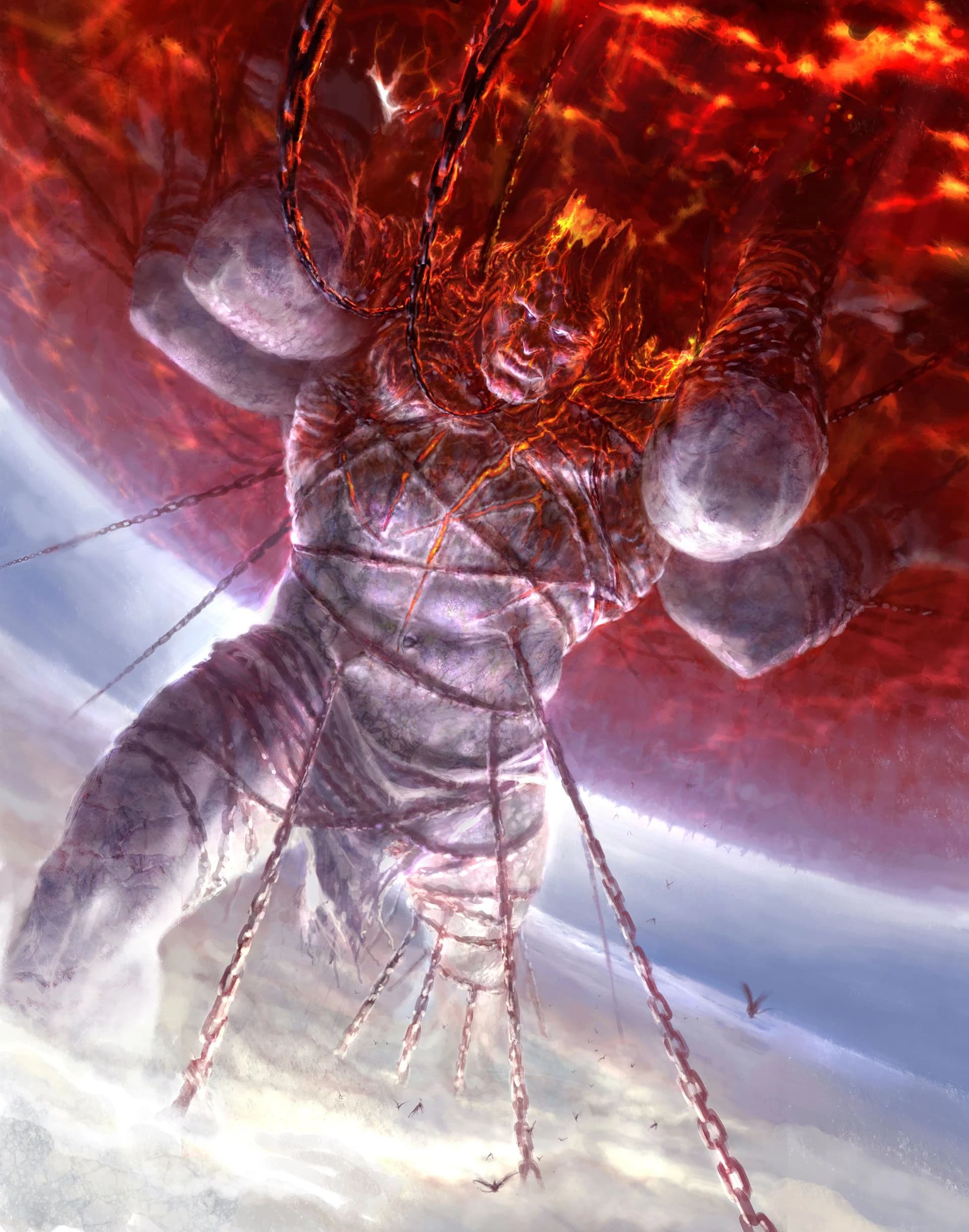
Atlas: the Titan who holds up the world
Four-armed general of the Titans and the strongest of them. Kratos condemned him to carry the world on the Pillar of the World, then took his help.
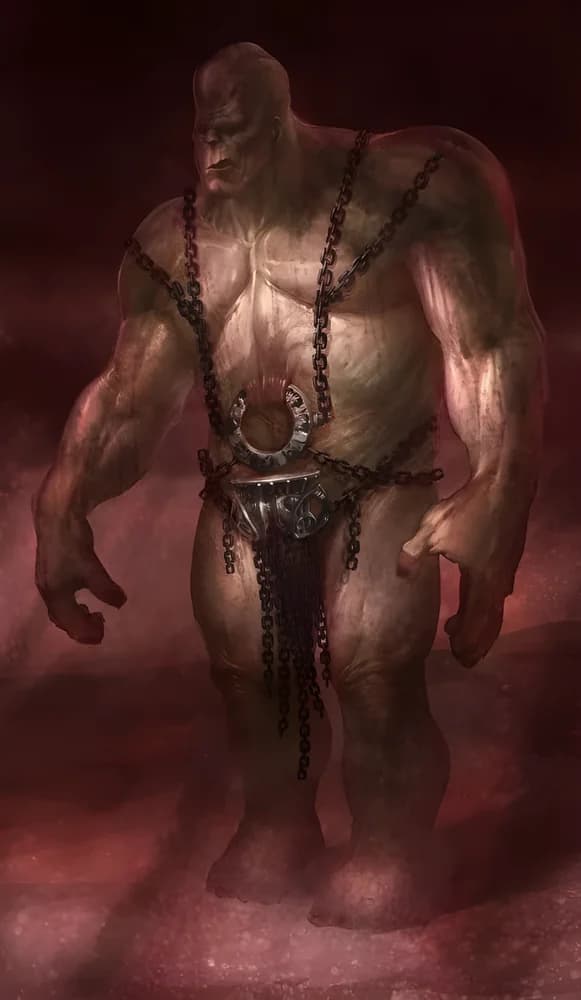
Cronos: the Titan who ate his children
Warned that his own children would depose him, Cronos swallowed each at birth. Rhea hid Zeus, Zeus deposed him anyway, and Kratos finished him.
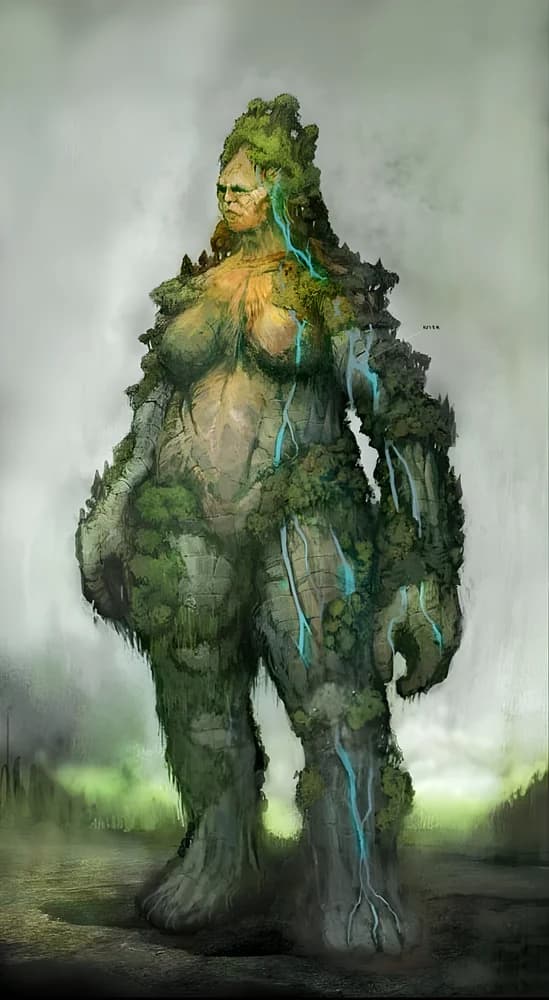
Gaia: Mother Earth, betrayed by Kratos
Gaia bore the Titans, hid the infant Zeus from Cronos, and allied with Kratos against Olympus. He ran the Blade of Olympus through her heart.
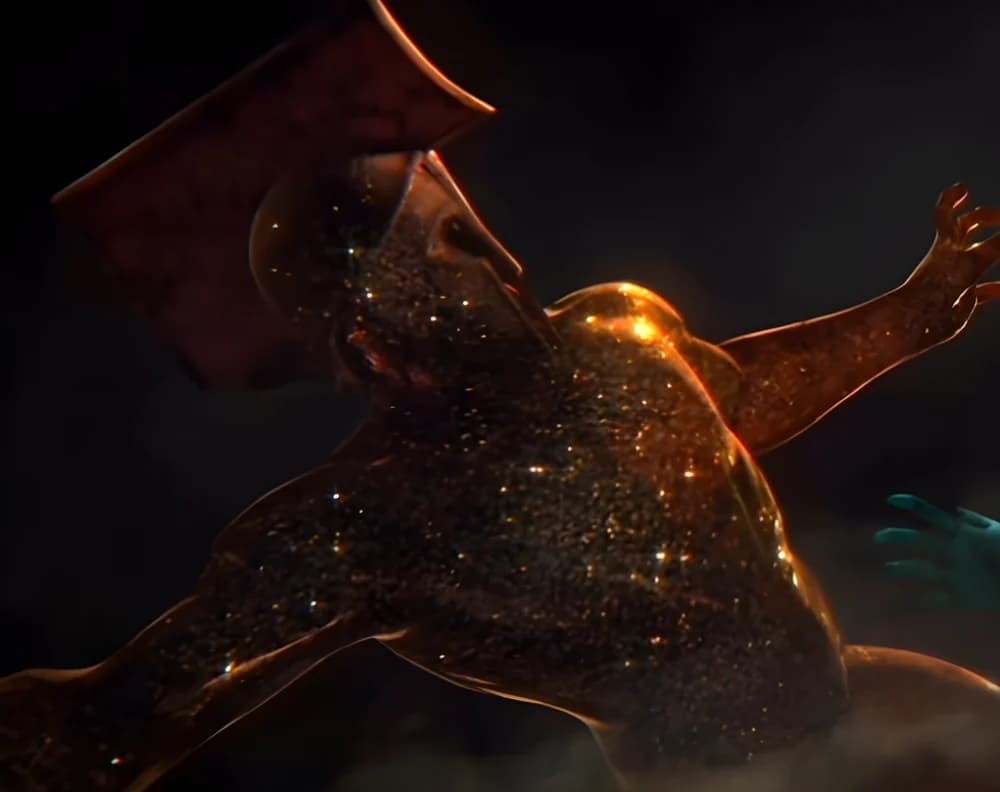
Ouranos: the sky god Cronos castrated
The first ruler of creation fathered the Titans on Gaia and banished his monstrous children. His son Cronos castrated him and took the throne.
Prometheus
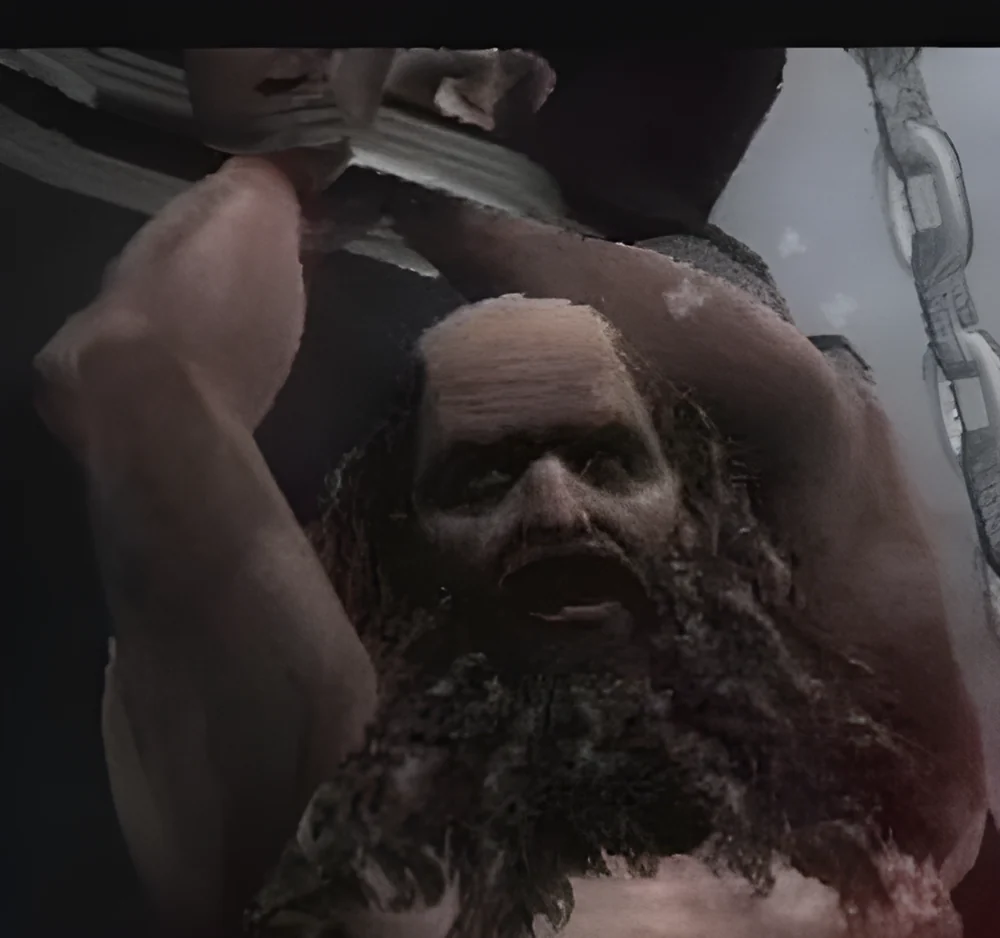
Prometheus was the Titan of forethought and the creator of mankind, who defected to the Olympians in the Great War. When Zeus withheld fire from mortals, Prometheus stole it and was condemned to have his liver devoured each day until Kratos granted him death.
Titans: the elder gods Zeus cast down
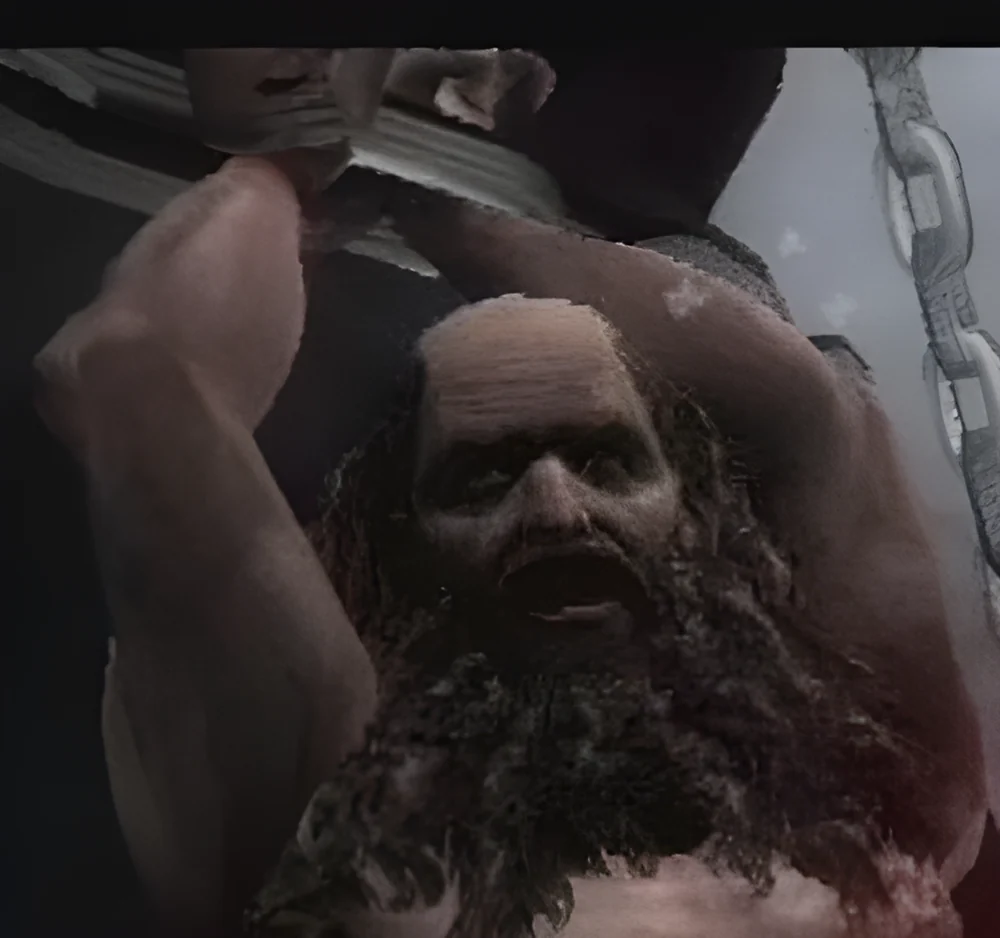
Born to Gaia and Ouranos, the Titans ruled the Golden Age under Cronos until Zeus buried them in Tartarus. Kratos later raised them one last time.
Mentioned in2 entries
Atlas: the Titan who holds up the world
Four-armed general of the Titans and the strongest of them. Kratos condemned him to carry the world on the Pillar of the World, then took his help.
Prometheus
Prometheus was the Titan of forethought and the creator of mankind, who defected to the Olympians in the Great War. When Zeus withheld fire from mortals, Prometheus stole it and was condemned to have his liver devoured each day until Kratos granted him death.
Get new articles in your inbox
No spam. New lore drops, canon conflicts, and deep dives only when they’re worth reading.
Some links on Lore Fortress are affiliate links. If you buy through them we earn a small commission at no extra cost to you.