Typhon
the storm Titan and Father of Monsters
Typhon was the storm Titan, youngest child of Gaia and fathered by the abyss Tartarus. After his Giant brothers fell to Zeus, he challenged the King of the Gods and was sealed within a frozen mountain, where Kratos later blinded him to claim his power.
Typhon was a Titan with power over wind and storms, the youngest child of Gaia and the only one fathered by the primordial abyss Tartarus. Known as the Father of Monsters, he challenged Zeus himself after the death of his Giant brothers and was sealed within a mountain for it. Ages later, Kratos descended into that frozen prison to claim Typhon's Bane, blinding the embittered Titan in the process. (God of War II; Hesiod, Theogony)
Birth and the Father of Monsters#
Typhon was the youngest child of Gaia. After she and her Titans fell from power in the Great War, the Earth Mother conceived Typhon with her dark counterpart Tartarus, the personification of the abyss. Their only child became a mighty storm Titan of extraordinary power. He lived beneath the earth with his wife, the serpent-woman Echidna. As the Father of Monsters he counted his many children as his family and loved them dearly, among them the Nemean Lion and the Hydra. (Hesiod, Theogony; God of War II: The Official Strategy Guide)
The challenge to Zeus#
Gaia's designs against the Olympians were not finished, and at her urging the Giants waged war on Olympus, ending in failure and their death at the hand of Zeus. The loss of his brothers enraged Typhon, who then went, again at Gaia's behest, to face the King of the Gods himself. The challenge was a serious threat, but it ended in his imprisonment within Mount Etna, where he was embedded into the rock of the mountain, unable to move. Standing victorious, Zeus offered the defeated Titan a bargain: in exchange for his continued non-belligerence, Zeus would spare Echidna and their family, leaving the monsters as challenges for future heroes. Typhon accepted, and the bow named Typhon's Bane, infused with his storm and wind powers, was set into his left eye. (Apollodorus, Library; God of War II: The Official Strategy Guide; God of War II)
Some time afterward his nephew Prometheus was chained to Typhon's hand on the outside of the icy mountain, condemned to be devoured by an eagle each day for giving fire to mankind. In the novelization of God of War II, the long imprisonment has left Typhon bitter, hating the Gods and blaming his mother Gaia for the schemes that had doomed the Titans, counting himself the child she had burdened most. (God of War II; God of War II (novel))
Kratos in the frozen mountain#
When Gaia guided Kratos toward the Island of Creation, she sent him into Typhon's cavern. The Titan refused to see him and, as if the mountain itself had come alive, seized Pegasus in his hand, forcing Kratos to descend. Angered by the appearance of an Olympian, Typhon tried to kill him, but with his arms trapped in the stone he could only blow gusts of icy wind to hurl the Spartan into the caverns below. (God of War II)
Kratos picked his way along the rocky paths, avoiding the storm Titan's breath, until he reached a path to Typhon's face. He leapt to the left eye, stabbed it repeatedly, and tore out Typhon's Bane, a wind bow that held the Titan's powers. When Typhon tried a final blow, Kratos shot his other eye with the Bane and blinded him. Even blinded, the furious Titan kept trying to blow the Spartan away, cursing him and vowing he would pay for what he had done. Kratos then used the Rage of the Titans to free Pegasus from Typhon's grasp and flew on. The novelized account of their meeting adds that Typhon refused an alliance even with one who shared his hatred of Zeus, fearing that any aid given to Kratos would cost his wife and children their lives. (God of War II; God of War II (novel))
Fate#
Typhon plays no part in God of War III. He doesn't join his fellow Titans in the assault on Mount Olympus, and the games never say what became of him, so it remains possible that the storm Titan is still trapped inside his mountain. (God of War III)
Frequently asked questions
- Who was Typhon in God of War?
- Typhon was a Titan with power over wind and storms, the youngest child of Gaia and the only one fathered by the primordial abyss Tartarus. Known as the Father of Monsters, he lived beneath the earth with his serpent wife Echidna and sired creatures such as the Nemean Lion and the Hydra.
- Why did Typhon challenge Zeus?
- When Gaia's Giants warred on Olympus and were slain by Zeus, the loss of his brothers enraged Typhon. At Gaia's behest he went to face the King of the Gods himself, and the challenge ended in his defeat and imprisonment within Mount Etna.
- How was Typhon imprisoned?
- After defeating him, Zeus embedded Typhon into the bedrock of Mount Etna, unable to move. Zeus offered a bargain to spare Echidna and their family in exchange for Typhon's continued non-belligerence, and set the bow named Typhon's Bane, infused with the Titan's storm and wind powers, into his left eye.
- How did Kratos blind Typhon?
- Gaia sent Kratos into Typhon's frozen mountain, but the Titan refused to help a fallen Olympian and tried to blow him to his death with icy wind. Kratos climbed the Titan's face, stabbed and tore Typhon's Bane from his left eye, then shot his other eye with the Bane to blind him.
- What happened to Typhon in the end?
- The games never say. Typhon plays no part in God of War III and doesn't join the other Titans in the assault on Mount Olympus, so he may still be trapped inside his mountain.
Sources
- GameGod of War II, Santa Monica Studio, 2007
- GameGod of War III, Santa Monica Studio, 2010
- BookGod of War II: The Official Strategy Guide, BradyGames, 2007
- BookGod of War II (novel), Robert E. Vardeman, Del Rey, 2013
- BookTheogony, Hesiod, around 700 BC
- BookLibrary (Bibliotheca), Pseudo-Apollodorus, 1st or 2nd century AD
Spotted a factual error or a primary source we missed? Email a correction. Every flagged claim gets reviewed.
Followed from this entry
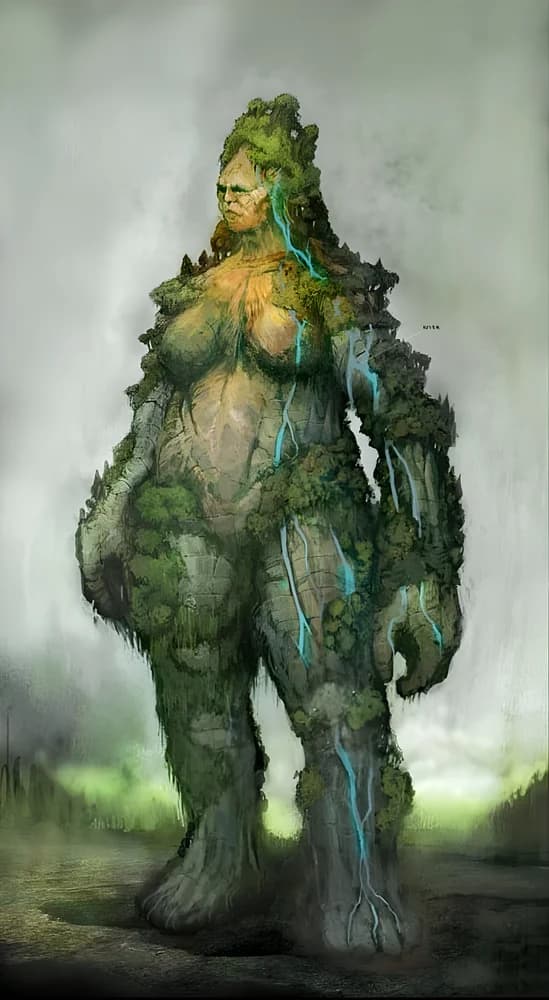
Gaia: Mother Earth, betrayed by Kratos
Gaia bore the Titans, hid the infant Zeus from Cronos, and allied with Kratos against Olympus. He ran the Blade of Olympus through her heart.
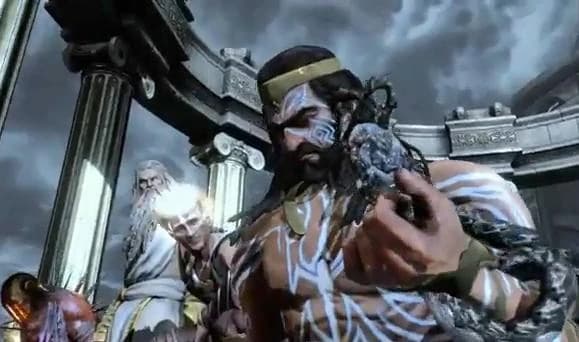
Olympians: the gods Kratos killed off
Zeus led the third generation of Greek gods to victory over the Titans. Kratos then destroyed almost every one of them, and Greece fell with them.
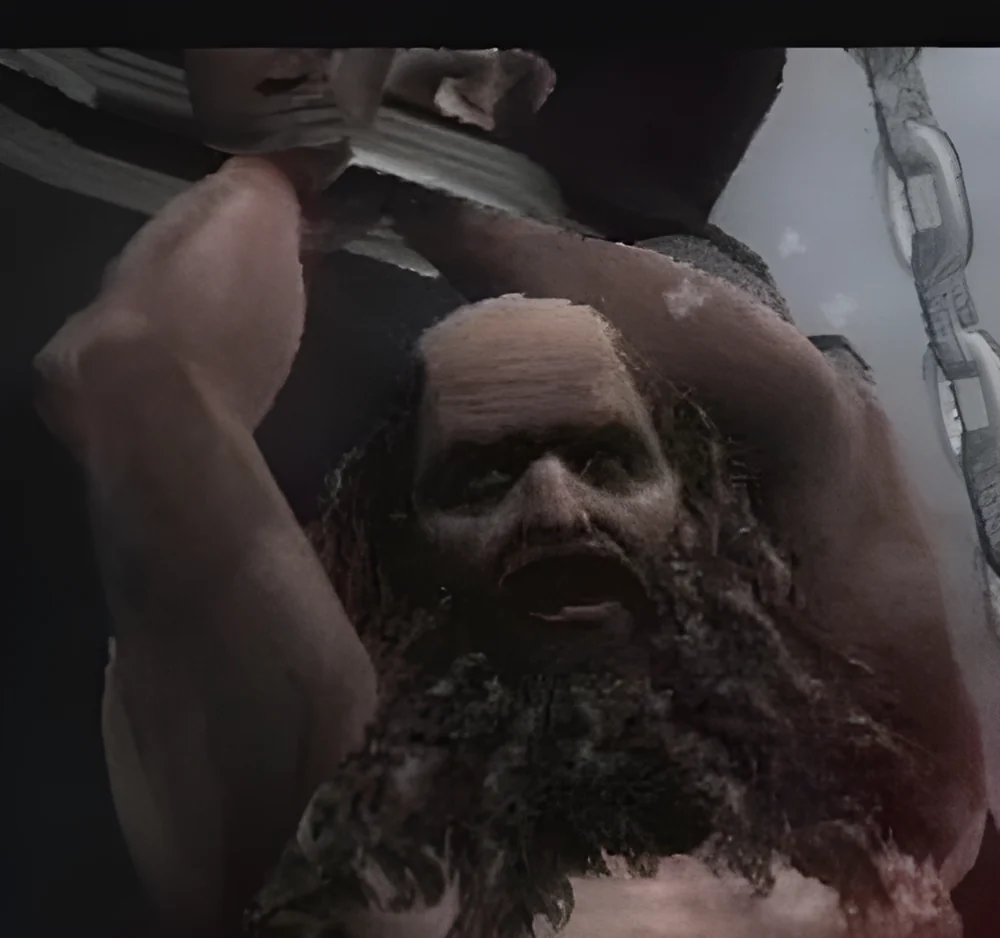
Prometheus
Prometheus was the Titan of forethought and the creator of mankind, who defected to the Olympians in the Great War. When Zeus withheld fire from mortals, Prometheus stole it and was condemned to have his liver devoured each day until Kratos granted him death.
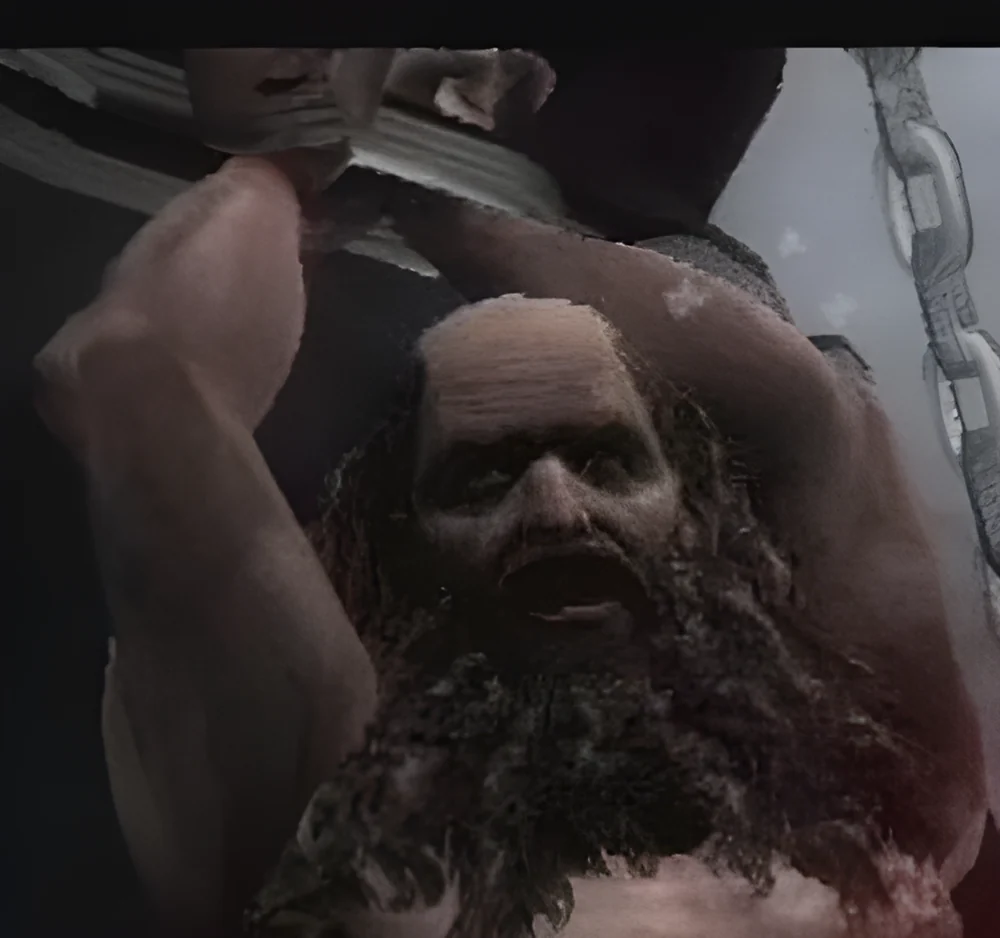
Titans: the elder gods Zeus cast down
Born to Gaia and Ouranos, the Titans ruled the Golden Age under Cronos until Zeus buried them in Tartarus. Kratos later raised them one last time.

Zeus
Zeus was the King of Olympus and ruler of the Greek Pantheon, the youngest son of Cronos who freed his siblings, ended the Great War, and claimed the heavens. Father of Kratos, he became the great antagonist of the Greek age and fell at last to the very son he had tried to destroy.

Hydra
The Hydra was a colossal multi-headed sea serpent that terrorized the Aegean Sea, sinking ships and devouring sailors at the bidding of the gods. A child of Typhon and Echidna roughly the size of a small island, it was slain at last by Kratos in the service of Poseidon.
Mentioned in13 entries
Chimera
The Chimera was a great three-natured monster, bearing the heads of a goat and a lion and a serpent for a tail. Loosed as a minion of Olympus, it breathed fire and venom against Kratos in the temples and ruins of Greece.
Dark Rider: the Warrior of Destiny
The Dark Rider, called the Warrior of Destiny in the novelization, was the leader of the Griffin Riders who guarded the skies around the Island of Creation. Armed by the Sisters of Fate with the Spear of Destiny, he intercepted Kratos on his flight to the island and died in a duel fought on the back of his own Griffin.
Gaia: Mother Earth, betrayed by Kratos
Gaia bore the Titans, hid the infant Zeus from Cronos, and allied with Kratos against Olympus. He ran the Blade of Olympus through her heart.
God of War II Story Explained: Plot Summary and Ending
The whole story of God of War II in order, from Zeus's betrayal at Rhodes to the Titans climbing Mount Olympus. Then the ending in plain terms: why Athena died, what she told Kratos about his father, and how it sets up God of War III.
God of War Timeline: every major event from the Primordials to Valhalla
The full in-universe chronology of God of War, from the war of the Primordials and the fall of the Titans to Kratos's life in Sparta, his war on Olympus, and the end of the Aesir at Ragnarök. The games give almost no calendar years, so events are ordered by story sequence and grouped into eras, with notes wherever the games' own placement is vague.
God of War Weapons List: the Name of Every Weapon Kratos Has Used
Kratos has carried two dozen weapons across two lifetimes, from a Spartan spear to a spear built from a ring that copies itself. This list runs through them in the order he got them, Greek era first, then Norse.
Hydra
The Hydra was a colossal multi-headed sea serpent that terrorized the Aegean Sea, sinking ships and devouring sailors at the bidding of the gods. A child of Typhon and Echidna roughly the size of a small island, it was slain at last by Kratos in the service of Poseidon.
Kratos in Greek Mythology vs God of War: the Real Myth Behind the Ghost of Sparta
Kratos was a real figure in Greek myth: the god of strength, son of Pallas and Styx, and the enforcer who chained Prometheus to a rock. Here's what the old poems say about him, what Santa Monica kept for its Spartan, and where Atreus and the series' other borrowed names come from.
Pegasus
Pegasus was a great winged horse of the Greek world, gray of coat with wings wreathed in flame. Sent forth by Gaia, he carried Kratos through the skies on his second war against Olympus until the Dark Rider struck him from the air above the Island of Creation.
Prometheus
Prometheus was the Titan of forethought and the creator of mankind, who defected to the Olympians in the Great War. When Zeus withheld fire from mortals, Prometheus stole it and was condemned to have his liver devoured each day until Kratos granted him death.
Spear of Destiny
The Spear of Destiny was a magical weapon belonging to the Sisters of Fate, held in reserve for emergencies. Kratos claimed it from the Dark Rider on the Island of Creation, taking up a weapon the novelization says could kill Zeus himself.
Tartarus: the abyss that caged the Titans
Tartarus was the deepest pit of the Underworld, and in Greek myth one of the first beings. Zeus bound the Titans there, and Kratos killed Cronos in its depths.
+ 1 more
Get new articles in your inbox
No spam. New lore drops, canon conflicts, and deep dives only when they’re worth reading.
Some links on Lore Fortress are affiliate links. If you buy through them we earn a small commission at no extra cost to you.