Draugr
the undead warriors of Midgard
The Draugr were undead warriors who died in battle yet refused the Valkyries' call to Valhalla, condemned to roam the Nine Realms as raging husks of their former selves. They were among the most common dangers Kratos and Atreus faced in the Norse lands.
The Draugr were undead warriors who haunted Midgard and the other Norse realms, the restless dead of fighters too stubborn and angry to accept their passing. Among the most frequent threats encountered by Kratos and Atreus, they were husks driven by rage rather than any purpose of their own. (God of War (2018); God of War Ragnarök)
How a Draugr was made#
A Draugr was born when a warrior died in battle but his soul proved too stubborn and angry to rest. When a Valkyrie arrived to carry such a warrior to Valhalla, the embittered dead, often consumed by a desire for revenge, would mistake her summons for a trick and turn on her in a duel. The intensity of that fight burned the warrior, and rather than ascending he was doomed to roam forever as a raging husk, his body warped and twisted into something other than it had been in life. In The Lost Pages of Norse Myth, one such man had belonged to a tribe that worshipped Freya and lived by the single rule never to yield; when a Valkyrie's blade made him relive the battle that killed him, he fought her and so became a Draugr. (God of War (2018); The Lost Pages of Norse Myth)
Nature and behavior#
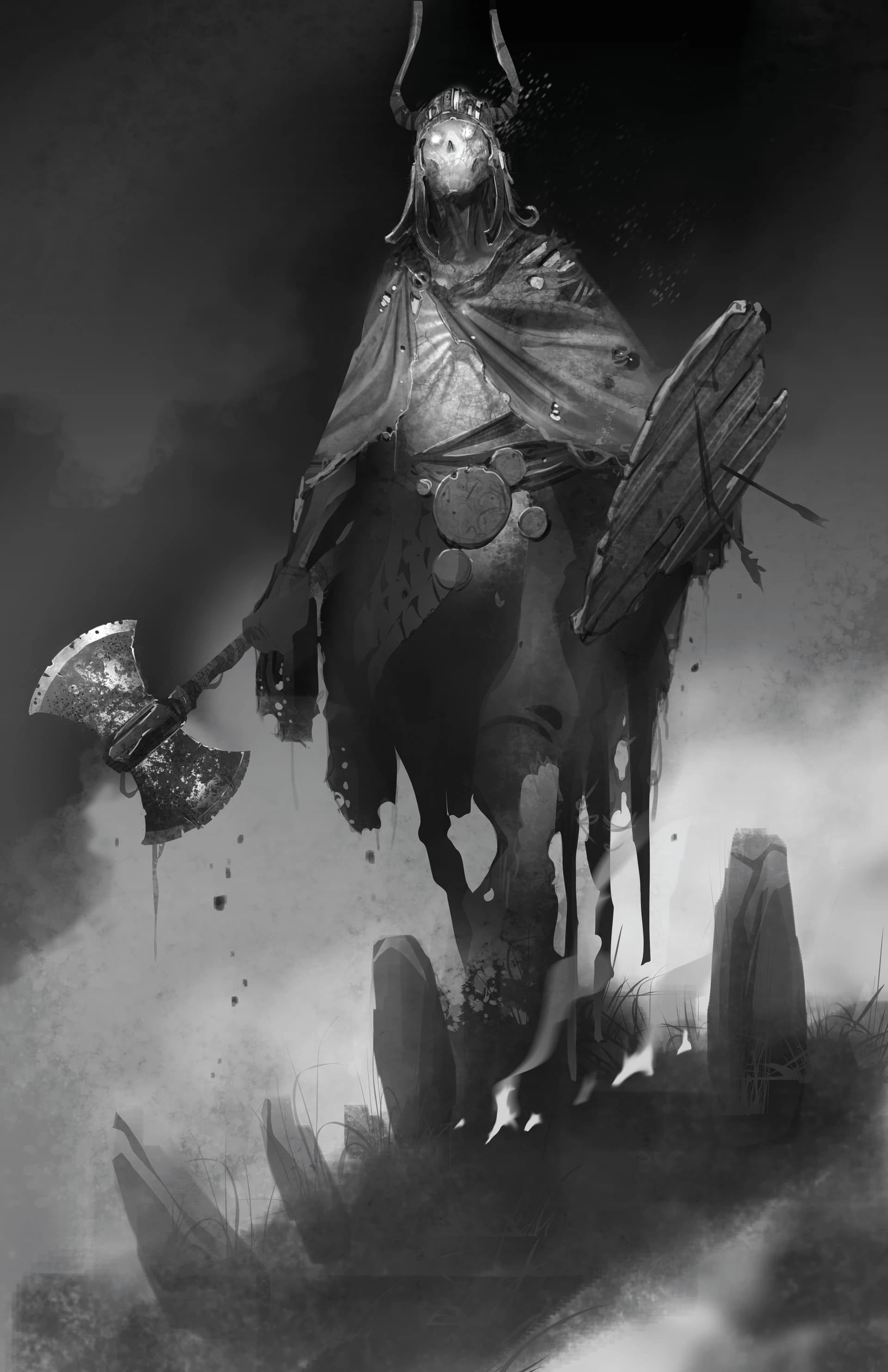
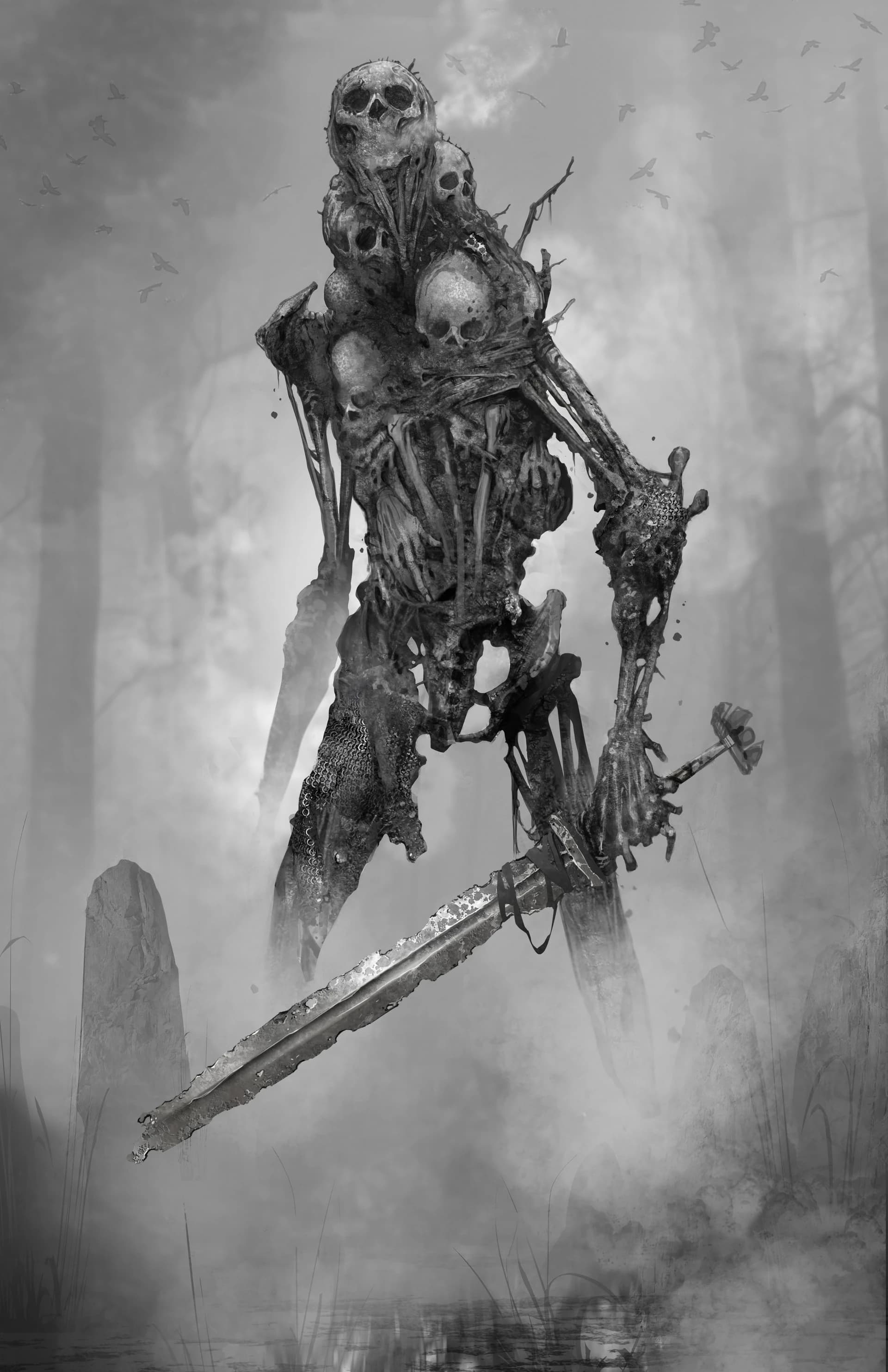
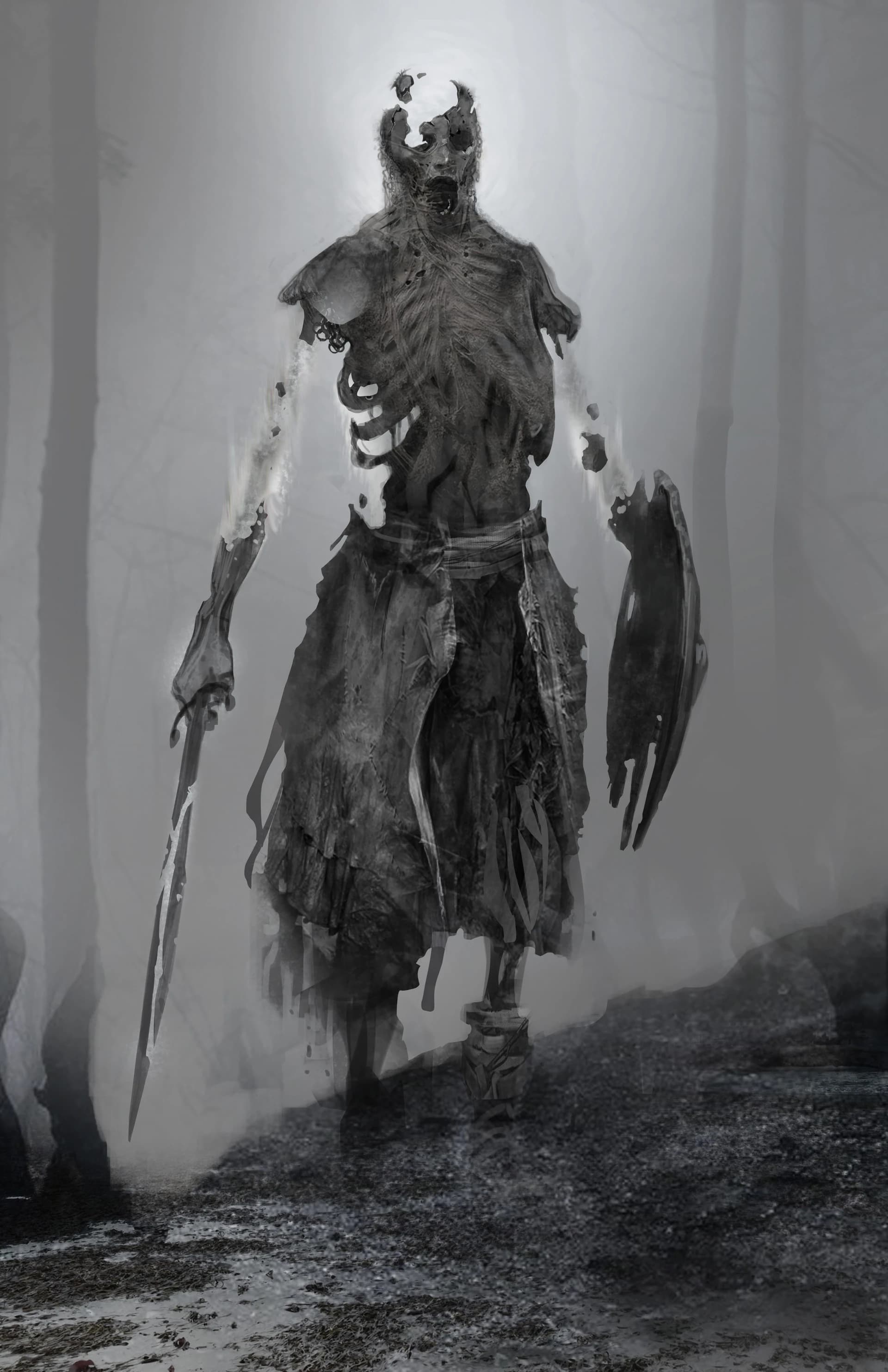
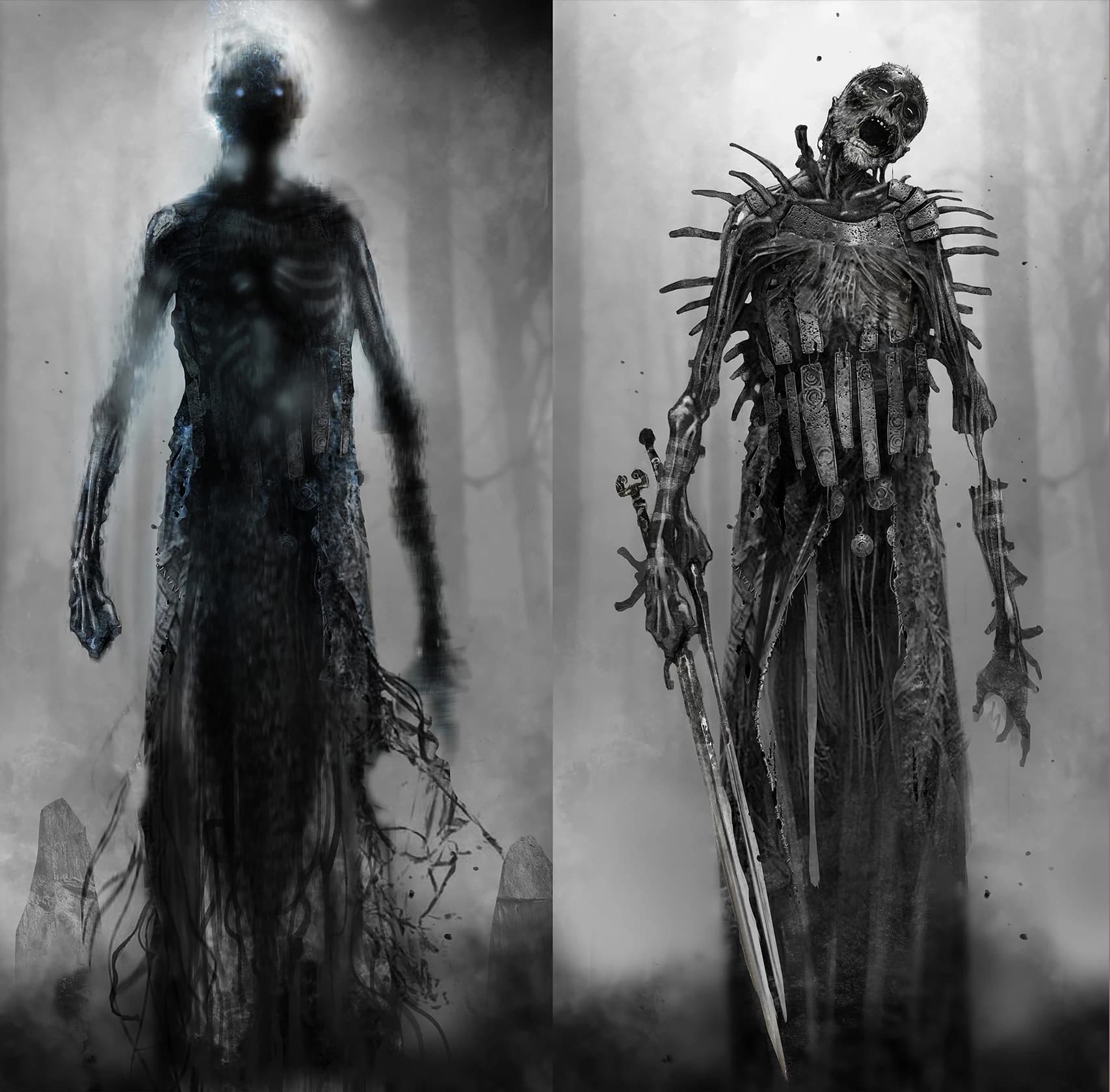
Draugr were husks of their former selves, retaining little of the men they had been beyond their fury. They fought anyone they could find and were feared for their extreme brutality and savagery, behaving less like disciplined warriors than like a band of crazed killers. They were widely scattered, appearing across Midgard and into the other realms, though they were absent from Helheim. In some places they could be found in a dormant state, their husks standing still and unlit with the upper body bent as though sleeping, until disturbance or attack roused them to violence. Atreus learned from his mother that Draugr came back in many shapes and sizes, some bearing powers that others did not, and that though they wielded dangerous weapons they were not truly skilled with them. (God of War (2018); God of War Ragnarök)
Forms and powers#
No two Draugr were alike. Some fought with a single weapon and were dangerous chiefly in the groups they almost always traveled in, while sturdier brutes carried far greater endurance and were difficult to knock off balance. Others wielded a weapon in each hand and chained together swift flurries of blows, and some hurled deadly fireballs from a distance while their kin shielded them. Rarest of all were those able to deflect an attacker's blade. Beyond these basic forms, certain Draugr carried added powers: some stored energy in their bodies and burst apart in fire, some channeled energy into their weapons to deliver blows that could not be turned aside, and some drove fire into their legs to move with unnatural speed. In the time of Ragnarök the Draugr could pour forth from burning fissures known as Draugr holes, and a hateful female Draugr named Hertha rose among them. (God of War (2018); God of War Ragnarök)
Marks left on the realms#
The presence of the Draugr left its trace on the living world. The dwarf Brok knew of a substance called Draugr oil, drawn from the creatures or their remains, which could be used to quench steel in the forge. His brother Sindri regarded the creatures with open disgust, describing them as being made of filth, though whether that filth was their own or merely gathered in their savage wanderings was never made clear. (God of War (2018); God of War Ragnarök)
Frequently asked questions
- What are the Draugr in God of War?
- The Draugr were undead warriors who haunted Midgard and the other Norse realms, the restless dead of fighters too stubborn and angry to accept their passing. They were among the most frequent threats Kratos and Atreus faced in the Norse lands.
- How is a Draugr made?
- A Draugr was born when a warrior died in battle but his soul was too stubborn and angry to rest. When a Valkyrie came to carry him to Valhalla, the embittered dead would mistake her summons for a trick and turn on her, and the intensity of that fight burned him and doomed him to roam forever as a raging husk.
- How do the Draugr behave?
- Draugr retained little of the men they had been beyond their fury, fighting anyone they could find with extreme brutality and savagery. In some places they could be found dormant, standing still with the upper body bent as though sleeping, until disturbance or attack roused them to violence.
- What different forms and powers do the Draugr have?
- No two Draugr were alike: some fought with a single weapon in groups, sturdier brutes carried greater endurance, others wielded a weapon in each hand or hurled fireballs from a distance, and the rarest could deflect a blade. Certain Draugr carried added powers, bursting apart in fire, channeling energy into their weapons, or driving fire into their legs to move with unnatural speed.
- What is Draugr oil?
- Draugr oil was a substance drawn from the creatures or their remains, known to the dwarf Brok, which could be used to quench steel in the forge.
Gallery
Images via God of War Wiki
Sources
- GameGod of War (2018), Santa Monica Studio, 2018
- GameGod of War Ragnarök, Santa Monica Studio, 2022
- SerialThe Lost Pages of Norse Myth, Official God of War (2018) audio series narrated by Mimir, PlayStation, 2018
Spotted a factual error or a primary source we missed? Email a correction. Every flagged claim gets reviewed.
Followed from this entry
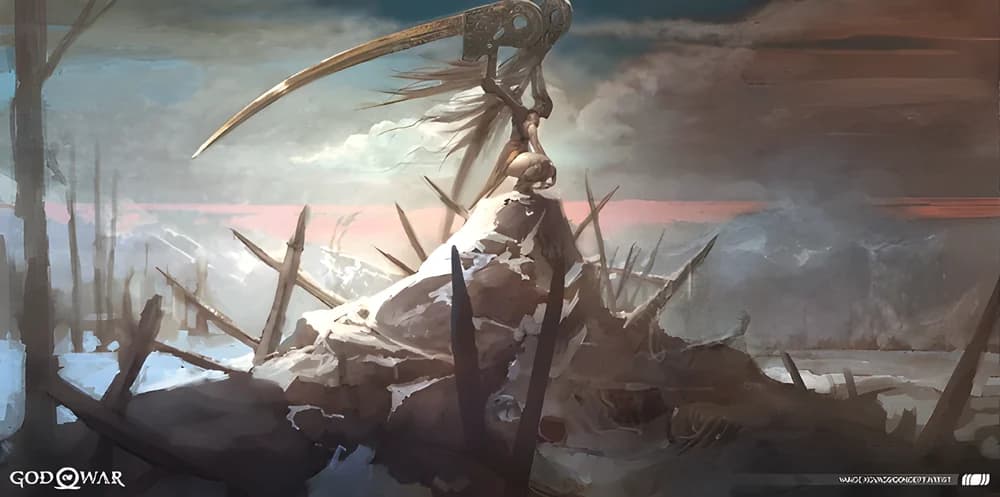
The Valkyries
The Valkyries were female warrior-spirits who served Odin by escorting the honored dead to Valhalla. After Freya fell from favor, the All-Father cursed nine of them into maddening corporeal forms, until Kratos and Atreus freed their spirits and Freya reborn them as the Shield Maidens.
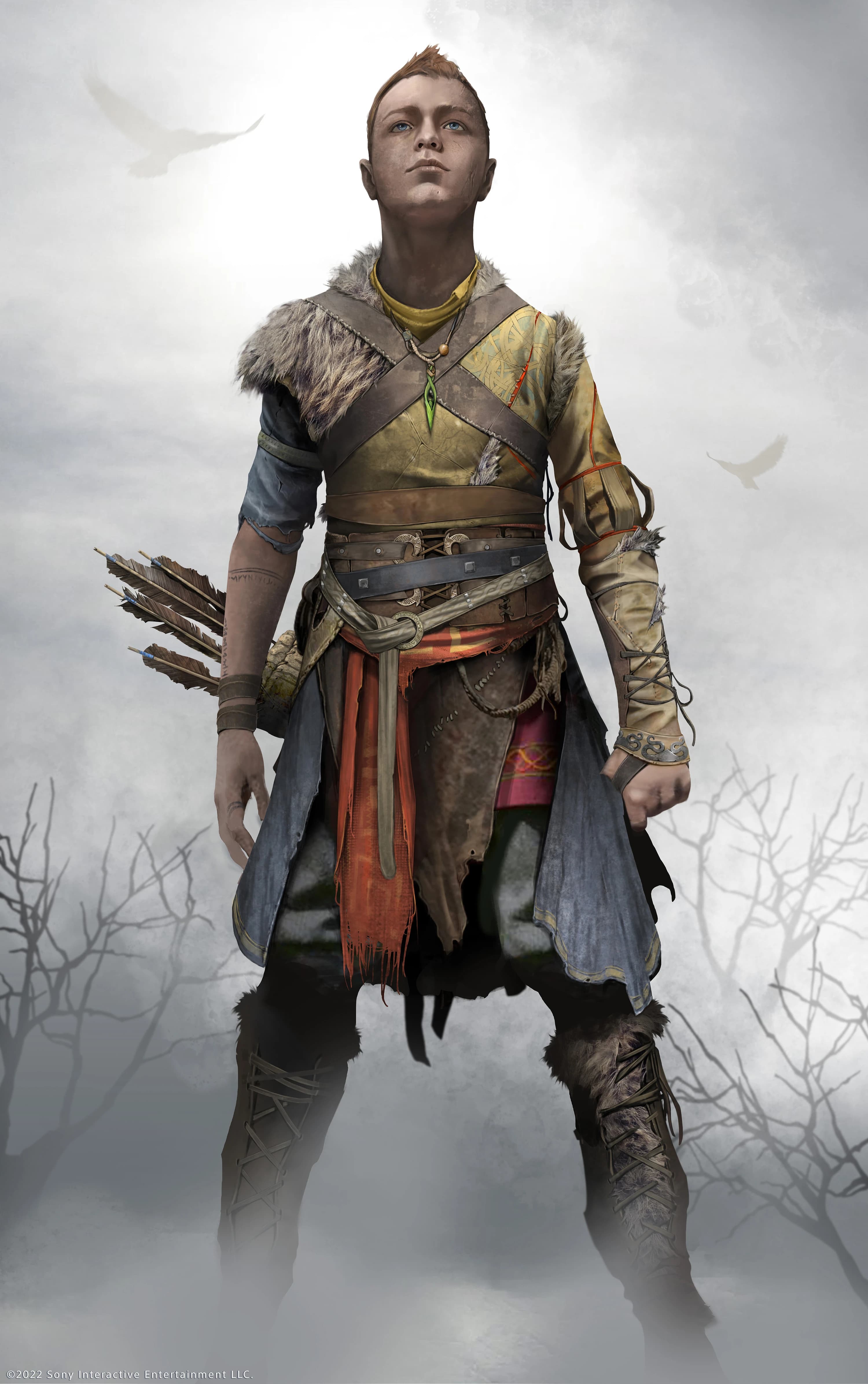
Atreus (Loki): Kratos's Son and the Truth of His Name
Atreus was the son of Kratos and the Jotunn Faye, born in Midgard and given the hidden name Loki. Across two great journeys he grew from a sickly boy into the prophesied champion of the Giants, the god of mischief whose fate was bound to Ragnarok.
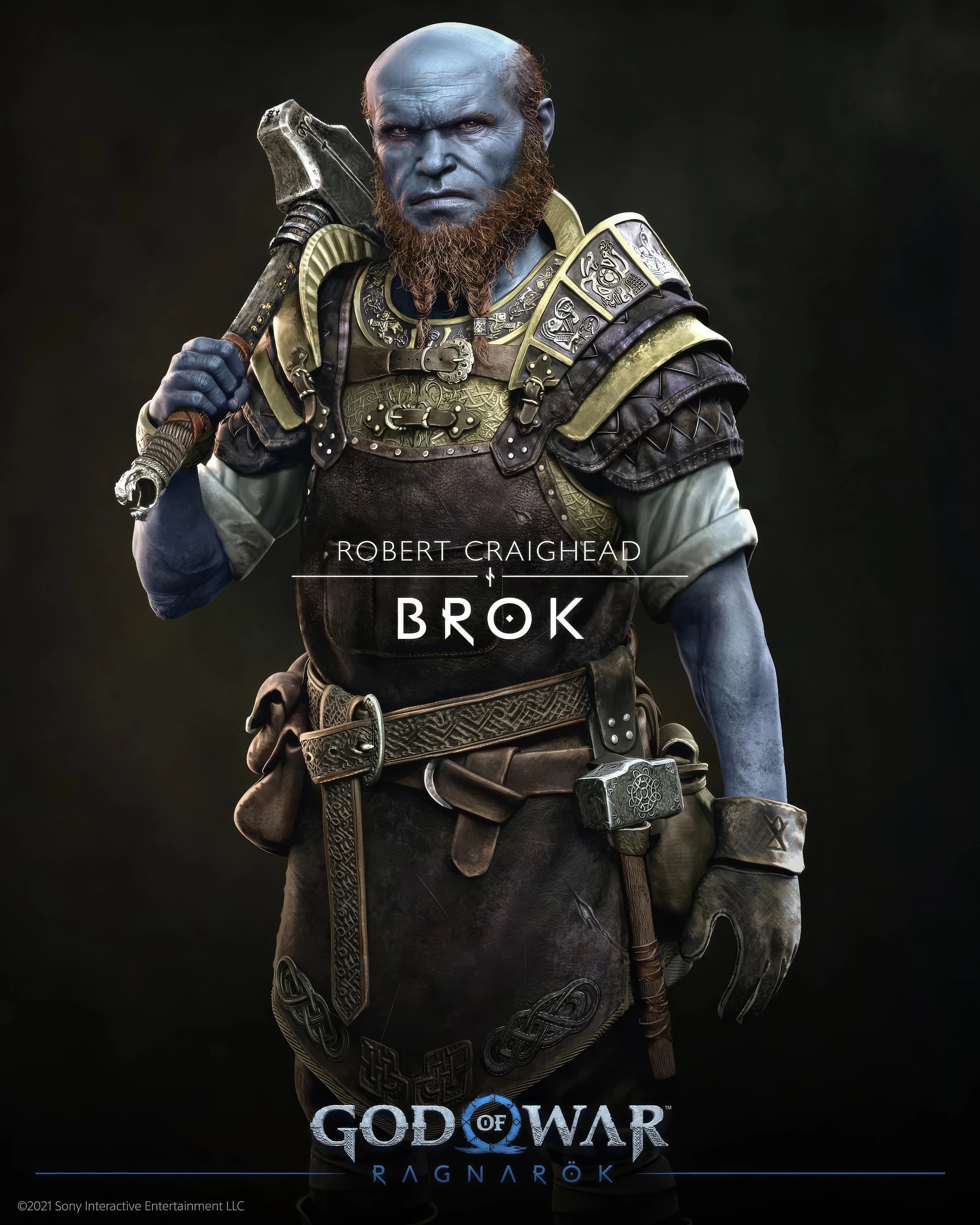
Brok: the Huldra brother Odin murdered
Brok forged Mjolnir and the Leviathan Axe with his brother Sindri. Killed once and revived with an incomplete soul, he was stabbed by Odin disguised as Tyr.

Freya
Freya was the Vanir goddess of love, war, and magic who married Odin to end the Aesir-Vanir War and was cursed to remain in Midgard. Once the Witch of the Woods, she aided Kratos and Atreus, swore vengeance after the death of her son Baldur, and at last turned her wrath on Odin himself.
Helheim: the frozen hell even Odin feared
Those who died of age, disease or crime were sent to Helheim, a dark and unyielding cold where no fire burned. Even Odin could not last there long.
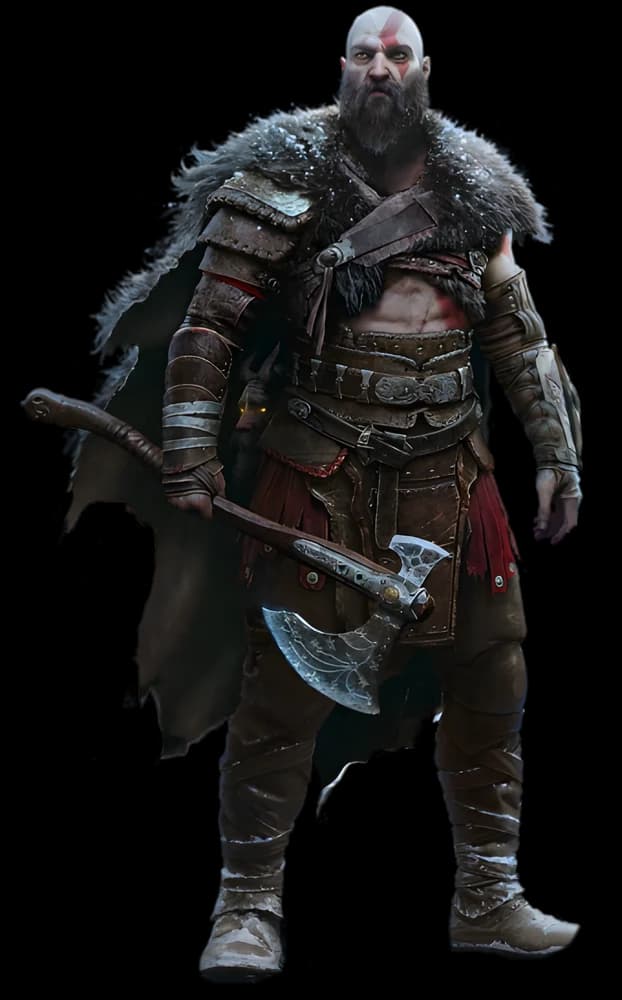
Kratos
Kratos was the demigod son of Zeus who rose from a Spartan general to the Greek God of War, destroyed the pantheon of Olympus in a quest for vengeance, and then began again in the Norse realms as a father seeking to leave his bloody past behind.
Mentioned in13 entries
Council of Valkyries: The Hidden Throne Circle of Midgard
The Council of Valkyries, known in the old tongue as the Rocstoll aff Valkyrs, was a secluded council chamber in Midgard where the Valkyries met in private, away from the eyes of Odin. Left ruined and abandoned after the All Father cursed the sisterhood, it became the place where Kratos and Atreus summoned and slew Queen Sigrun, and later the campsite from which a vengeful Freya hunted them through Fimbulwinter.
Kara
Kara was one of the nine Valkyries cursed by Odin and sealed beneath the Witch's Cave in Midgard. Freed by Kratos and Atreus, she was reborn by Freya as a Shield Maiden and fought in the assault on Asgard.
Midgard: Kratos' home, shaped from Ymir
Odin shaped Midgard from the body of the giant Ymir. Kratos settled there after leaving Greece, and Fimbulwinter later froze the Lake of Nine.
Midgardians
The Midgardians, also called Norsemen, were the mortal inhabitants of Midgard, divided into warring Nordic clans by their worship of the Aesir or the Vanir. Short-lived yet fearless, they sought glorious deaths in battle to claim a place among the honored dead.
Monster: the beasts of the mythic world
Monsters, also called Beasts, were the hostile creatures of the mythic world, beings that could be counted neither as mortals nor as gods or Titans. From the minotaurs and gorgons of Greece to the trolls and dragons of the Norse realms, they haunted every land that Kratos ever walked.
Nightmare: the floating eye fiends of the Nine Realms
Nightmares, also called Mares, were floating eyeball like fiends that drifted through the Nine Realms, pelting travelers with darts of magic. Weak alone, they swarmed beside Draugr, Revenants, and Dark Elves, and the worst of them crawled inside other creatures and wore them as living armor.
Soul Eater
The Soul Eaters were corrupted Ancients, golem-like beings that fed on the souls of the living and trapped them forever, beyond any afterlife. Born from a dwarven scheme gone wrong, they became a danger to every soul that crossed their path.
Surtr: the fire giant who became Ragnarok
Surtr was the first fire giant, born from Ginnungagap after Ymir. He gave himself up to become Ragnarok and drove his blade into the heart of Asgard.
The Undead: the dead who would not rest
The Undead were the dead returned to motion, raised by curse, godly power, or magic to serve the masters of the afterlife. In Greece they marched as soulless corpses in the armies of Ares and Hades, while in the Nine Realms the Draugr, Hel-Walkers, and Einherjar overran the living world as Ragnarok drew near.
The Valkyries
The Valkyries were female warrior-spirits who served Odin by escorting the honored dead to Valhalla. After Freya fell from favor, the All-Father cursed nine of them into maddening corporeal forms, until Kratos and Atreus freed their spirits and Freya reborn them as the Shield Maidens.
Undead Legionnaire
The Undead Legionnaires were the risen soldiers of the Greek world, demonic skeletons clad in the armor of ancient warriors. The most common of all the undead servants of the gods, they made up the bulk of Ares' army that fell upon Athens and stood guard within Pandora's Temple.
Veithurgard
Veithurgard was a region of Midgard once ruled by the dwarven king Motsognir, where farmers were forced to become monster hunters. After the king vanished, it fell to ruin and became infested with corrupted Reavers and the dead.
+ 1 more
Get new articles in your inbox
No spam. New lore drops, canon conflicts, and deep dives only when they’re worth reading.
Some links on Lore Fortress are affiliate links. If you buy through them we earn a small commission at no extra cost to you.