The Undead: the dead who would not rest
The Undead were the dead returned to motion, raised by curse, godly power, or magic to serve the masters of the afterlife. In Greece they marched as soulless corpses in the armies of Ares and Hades, while in the Nine Realms the Draugr, Hel-Walkers, and Einherjar overran the living world as Ragnarok drew near.
The Undead were beings who had died and been returned to motion by curse, magic, or the power of the gods, or who lingered on past death with their higher minds stripped away. They troubled both eras of recorded history: in Greece they rose as soulless corpses bound to Hades and the Underworld, marching in the armies of Ares and standing guard over the domains of death, while in the Nine Realms the Draugr and the Hel-Walkers of Helheim spilled into the lands of the living in ever greater numbers as Ragnarok approached. Kratos fought them across both worlds, from the streets of Athens to the frozen wilds of Midgard. (God of War; God of War III; God of War (2018); God of War Ragnarök)
The soulless dead of Greece#
The undead of Greece were almost always tied to the Underworld and its ruler Hades, the God of the Dead. What walked was the corpse alone, reanimated and rotten, so toxic to the touch that their decaying flesh could dull swords and burn the opponents who struck them. By the power of the gods, these dead rose to serve their masters without rest, whether within the armies of Ares, the Underworld, and Olympus, or as guardians of the Island of Creation and the Domain of Death in the service of Thanatos, the primordial god of death. (God of War; God of War II; God of War III; God of War: Ghost of Sparta)
They did not speak and showed no great intelligence, yet the art of combat ran deep in them. They stood in formation, fought as a unit, and wielded their weapons with skill, whether from their past lives as soldiers and warriors or from the very power, or curse, that had raised them. Nor were all of them human in origin. Undead beasts marched in the armies of the Underworld as well, among them the Erebus Minotaurs and the Satyrs of Hades. (God of War; God of War II; God of War III)
The armies of Ares#
Ares fielded the dead in great numbers. When Kratos served him, the War God's armies were mortal ones, the Spartans of Sparta among them, but by the time Ares turned on Athens his hosts were made up of undead legionnaires and monsters. They poured onto the battlefield through red mystic portals in overwhelming numbers, opening behind enemy lines to wreak havoc in the rear of any force that opposed them. (God of War)
Those armies fell hardest upon Athens, which Ares' undead and monstrous hordes ravaged while the citizen soldiers of the city could barely stand against them. (God of War)
Hades commanded the dead by other means as well. With the Claws of Hades, the Lord of the Underworld could summon legions of the undead and a wide array of undead beasts. When Kratos later tore those chains from Hades, he too gained the power to call the souls of the undead to fight at his side. (God of War III)
The many shapes of the Greek undead#
The undead of Greece took many forms. The most common were the Undead Legionnaires and their kin, the Legionnaire Captains, Undead Archers, Cursed Legionnaires, and Magic Legionnaires, alongside the risen Hoplites, the Wraiths, the Shades, the sentries of Olympus, and the skeletal Cursed Remains. Singular beings numbered among them as well: Charon, the ferryman of the dead; Pandora's Guardian; the Body Burner who tended the pyres outside Pandora's Temple; and Alrik, the Barbarian King, who returned from death itself to hunt Kratos. (God of War; God of War II; God of War: Chains of Olympus; God of War III; God of War: Ghost of Sparta)
The overflowing dead of the Nine Realms#
In the Norse lands, the most common undead were the Draugr, joined in growing numbers by the Hel-Walkers after the Great Desolation, for Helheim itself had grown full and began returning its denizens to the realms of the living, chiefly Midgard, the domain of mortals. The cause reached back to Odin, King of Asgard, whose disruption of the work of the Valkyries left the domain of the dishonourable dead to overflow. The result was an ever increasing tide of Draugr and Hel-Walkers across the realms, with Midgard left next to defenseless and overrun. (God of War (2018))
Not all the risen dead of the North were mindless. The Old Magic mastered by the Vanir goddess Freya, known in her exile as the Witch of the Woods, was used to animate the decapitated head of Mimir, the God of Knowledge and Odin's former advisor, who kept his wit and his memories intact. During the battle between Kratos and Baldur, Freya turned that same magic to a far greater corpse, animating the long dead Frost Giant Thamur, who was finally brought down by Jormungandr, the World Serpent. (God of War (2018))
Fimbulwinter and the unkillable armies#
All of this was merely the precursor to Fimbulwinter, the great winter that followed Baldur's death. The hardship and destruction it brought came with an even greater presence of the undead, as the armies of Hel made ready for Ragnarok. Among the undead of the Nine Realms in these years were the Revenants and the Hateful. (God of War Ragnarök)
The nature of the armies of Hel and Valhalla made them impossible to wipe out by force of arms. Every undead warrior slain on the battlefield simply reformed in his own afterlife, ready to rejoin the fighting among the living. The Einherjar, the honored dead of Odin's hall, defended Asgard in exactly this fashion during the final battle of Ragnarok, until Freya and her Shield Maidens closed the connection between Valhalla and Asgard, cutting off the reinforcements that had made the defenders endless. (God of War Ragnarök)
The nature of the undead#
The undead were extremely difficult to kill because they stood in limbo between the world of the living and the world of the dead. Certain among them kept the memories of their previous lives after death, and others wielded magic in battle. Yet the dead of the two worlds were not alike. The Einherjar and the Hel-Walkers fought, died and returned without end, while their Greek counterparts were corpses animated by the power of the gods. (God of War (2018); God of War Ragnarök)
One figure stood apart. The Body Burner who tended the pyres outside Pandora's Temple was more than a reanimated corpse. He still had his wits, and he was bound to his pyres rather than passing on to any afterlife. In the God of War novel he remarks bitterly that at least the dead he burns get to move on. (God of War; God of War (novel))
For all their differences, the dead served the same purpose in both worlds. Olympus and Asgard alike, and the rulers of the lands of the dead, took the dead under their authority and forged them into armies. (God of War III; God of War Ragnarök)
Sources
- GameGod of War, Santa Monica Studio, 2005
- GameGod of War II, Santa Monica Studio, 2007
- GameGod of War: Chains of Olympus, Ready at Dawn, 2008
- GameGod of War III, Santa Monica Studio, 2010
- GameGod of War: Ghost of Sparta, Ready at Dawn, 2010
- GameGod of War (2018), Santa Monica Studio, 2018
- GameGod of War Ragnarök, Santa Monica Studio, 2022
- BookGod of War (novel), Matthew Stover and Robert E. Vardeman, Del Rey, 2010
Spotted a factual error or a primary source we missed? Email a correction. Every flagged claim gets reviewed.
Followed from this entry
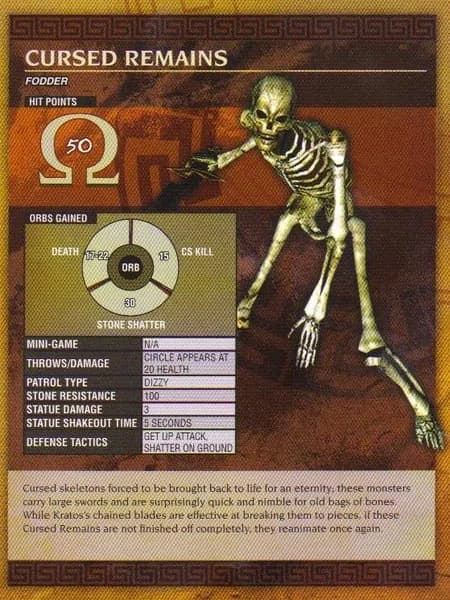
Cursed Remains: the rising bones of the dead
The Cursed Remains were animated skeletons that rose from scattered piles of bone to fight the living. Encountered across the Greek lands, they were weak alone but dangerous in numbers, collapsing and reforming to escape a final death.
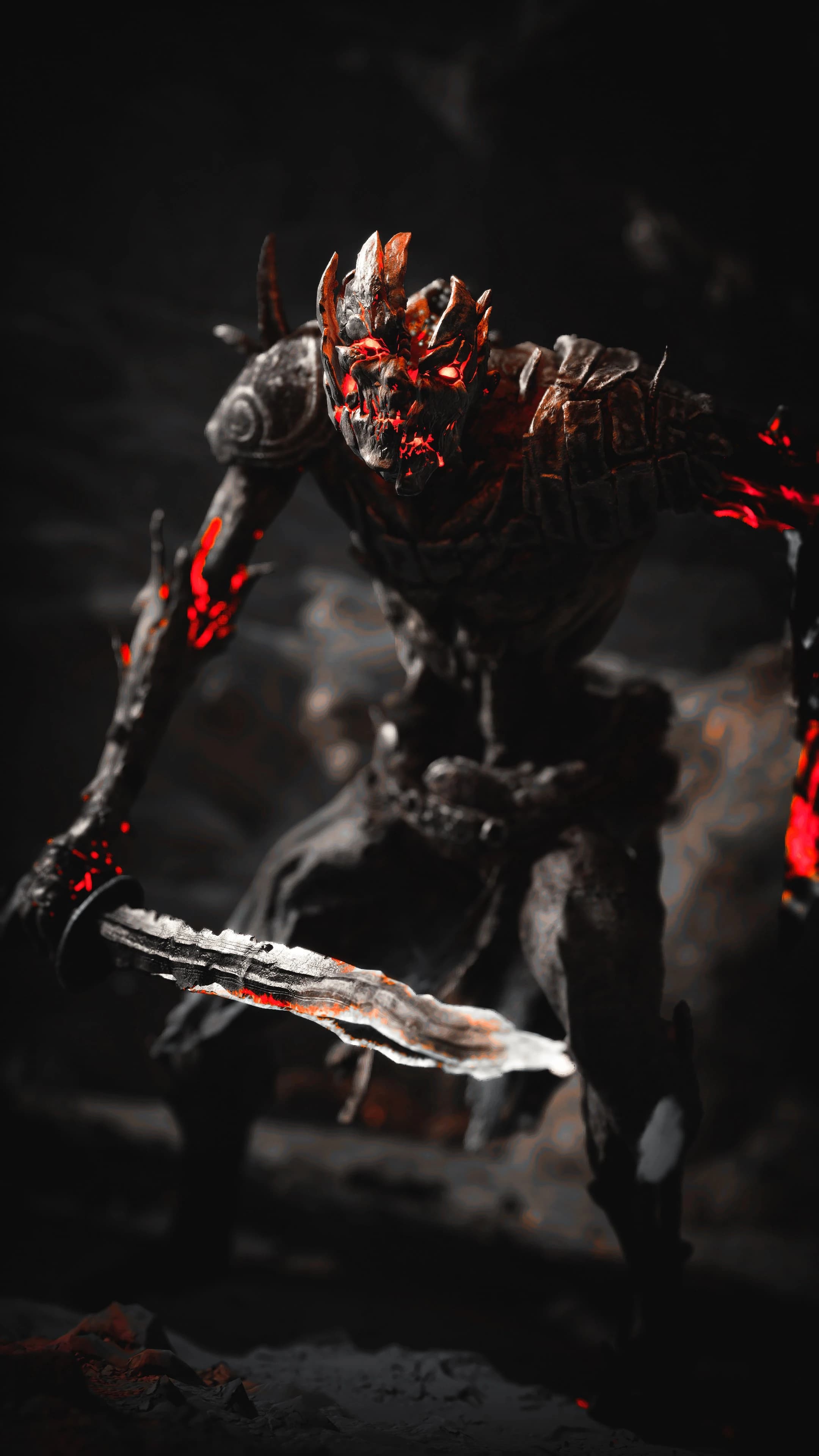
Draugr
The Draugr were undead warriors who died in battle yet refused the Valkyries' call to Valhalla, condemned to roam the Nine Realms as raging husks of their former selves. They were among the most common dangers Kratos and Atreus faced in the Norse lands.

Einherjar: Odin's army that never dies
Warriors who died an honourable death were raised again in Valhalla. Odin built them into a standing army for Ragnarok, reborn each time they fell.
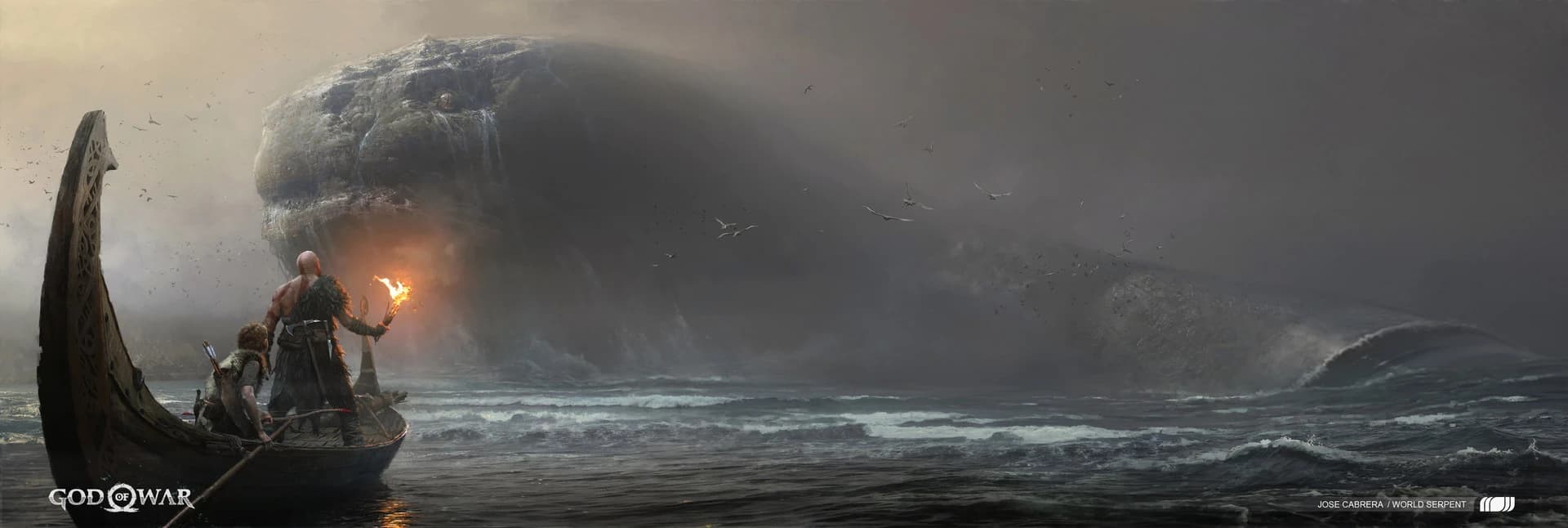
Jormungandr: the World Serpent of Midgard
Jormungandr was so vast he encircled all of Midgard within the Lake of Nine. Thor struck him so hard at Ragnarok that he was hurled backward through time.
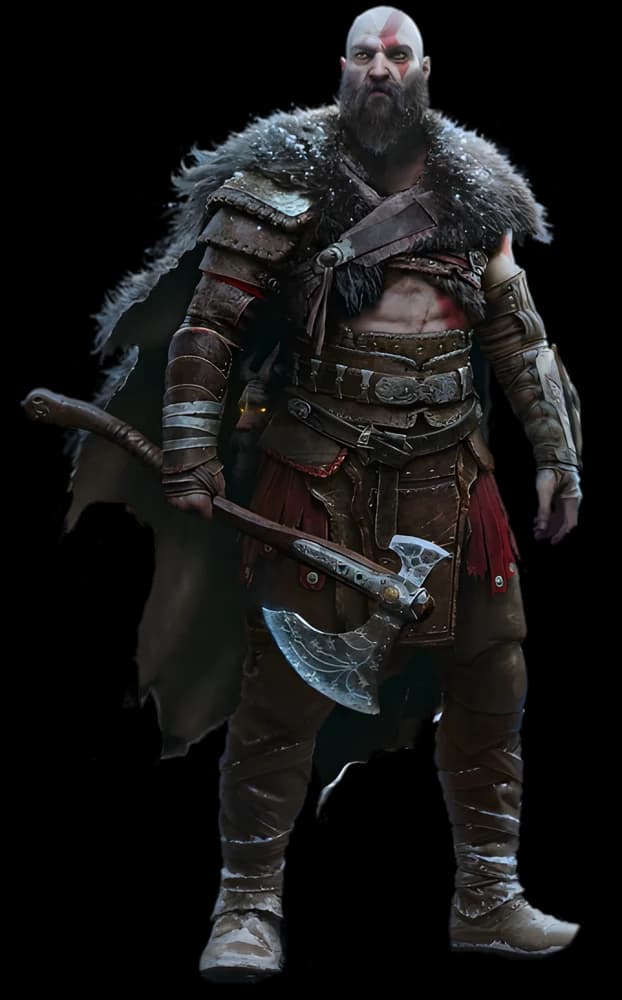
Kratos
Kratos was the demigod son of Zeus who rose from a Spartan general to the Greek God of War, destroyed the pantheon of Olympus in a quest for vengeance, and then began again in the Norse realms as a father seeking to leave his bloody past behind.

Minotaur
The Minotaurs were a species of towering bull-headed warriors first bred by Ares as brutes for his armies. From the labyrinth-bound Asterion of legend to the armored guardian of Pandora's Temple, they served as beasts of war across Greece and were a recurring foe of Kratos.
Mentioned in1 entry
Get new articles in your inbox
No spam. New lore drops, canon conflicts, and deep dives only when they’re worth reading.
Some links on Lore Fortress are affiliate links. If you buy through them we earn a small commission at no extra cost to you.