Hel: Goddess of the Dishonored Dead
the unborn queen of Helheim
Hel was the foretold daughter of Loki and Angrboda, the figure Norse myth makes goddess of the dead and ruler of Helheim. In the age of Kratos she remained unborn, though the giants had long recorded her destiny among the children of Loki who were fated to shape the end of the Aesir.
Hel was the foretold daughter of Loki and Angrboda, the figure Norse myth makes goddess of death and ruler of Helheim. In the age of Kratos she remained unborn, for those who were to be her parents were still children, yet the giants had already recorded her destiny among the children of Loki who were fated to shape the end of the Aesir. (God of War (2018); God of War Ragnarök; Prose Edda)
Is Hel in God of War?#
Not as a character: in the age of Kratos and Atreus she is still unborn, named only on the Jotnar shrines as the future daughter of Loki and Angrboda, while the title of Hel belongs to Hræsvelgr, the giant eagle who rules Helheim. (God of War (2018); God of War Ragnarök)
The foretold daughter of Loki#
Hel was named in prophecy as the daughter of Loki, the Jotunn name borne by Atreus, and of Angrboda, the last of the giants of Ironwood. By that descent she would be part Jotunn and part god, for through Loki she carried the blood of the Olympian line of Kratos as well as the giants of Jötunheim. She was foretold to stand among three siblings, the others being the great wolf Fenrir and the World Serpent Jörmungandr, each of them children destined to play a part in the doom of the Aesir. (God of War (2018); God of War Ragnarök)
In the age of the saga Hel had not yet come into being, for Loki and Angrboda were still children, and her birth was a thing of times to come. Even so, her name was already carved in the world. On the Jotnar shrine that tells the story of Jörmungandr, the old runes call the serpent a son of Loki and Angrboda and a brother of Fenrir, Hel and the Iron-Wolves, set down by the giants who had foreseen the whole of what was to be. (God of War (2018))
Goddess of death#
The games never show what Hel would become, but the Norse myths do. In Snorri's Prose Edda she is a daughter of Loki feared by the Aesir, cast down by Odin into Niflheim and given authority over the dead of the nine worlds, the queen of Helheim and a ruler whose place even the gods were bound to respect. (Prose Edda)
The title of Hel#
After the events of Ragnarok, a deeper truth of the name came to light. When Freya asked Mimir how he had persuaded Helheim's ruler to lend its dead to the war against Asgard, he answered that its keeper, the giant Hræsvelgr, wished to retire, and that he had promised to find someone to take her place as Hel. So it was learned that Hel was not only a person but a title, given to whoever ruled the land of the dishonored dead, a charge that one day the foretold daughter of Loki might come to bear. (God of War Ragnarök)
Frequently asked questions
- Who is Hel in God of War?
- Hel was the foretold daughter of Loki and Angrboda. In Norse myth she is the goddess of death and the ruler of Helheim. In the time of Kratos and Atreus she had not yet been born, since Loki and Angrboda were still children, but the Jotunn shrines of Jormungandr already named her among the children of Loki.
- Is Hel a person or a title?
- Both. Hel was the name of the foretold daughter of Loki, but Mimir revealed after Ragnarok that Hel is also a title given to whoever rules the dishonored dead. The Jotunn Hraesvelgr held the title and wished to retire, and Mimir promised to find someone to take her place as Hel.
- Who are Hel's siblings?
- Hel was foretold to be the sister of Fenrir, the great wolf, and Jormungandr, the World Serpent, all of them children of Loki and Angrboda. The Jotunn shrines named her in the runes as a sibling of Fenrir and the Iron-Wolves.
- What is Hel the goddess of?
- The games never show her powers. In Norse myth she is the goddess of death and the ruler of Helheim, holding authority over the dead sent to her.
Sources
- GameGod of War (2018), Santa Monica Studio, 2018
- GameGod of War Ragnarök, Santa Monica Studio, 2022
- BookProse Edda, Snorri Sturluson, around 1220
Spotted a factual error or a primary source we missed? Email a correction. Every flagged claim gets reviewed.
Followed from this entry

Freya
Freya was the Vanir goddess of love, war, and magic who married Odin to end the Aesir-Vanir War and was cursed to remain in Midgard. Once the Witch of the Woods, she aided Kratos and Atreus, swore vengeance after the death of her son Baldur, and at last turned her wrath on Odin himself.
Angrboda: the last giantess of Ironwood
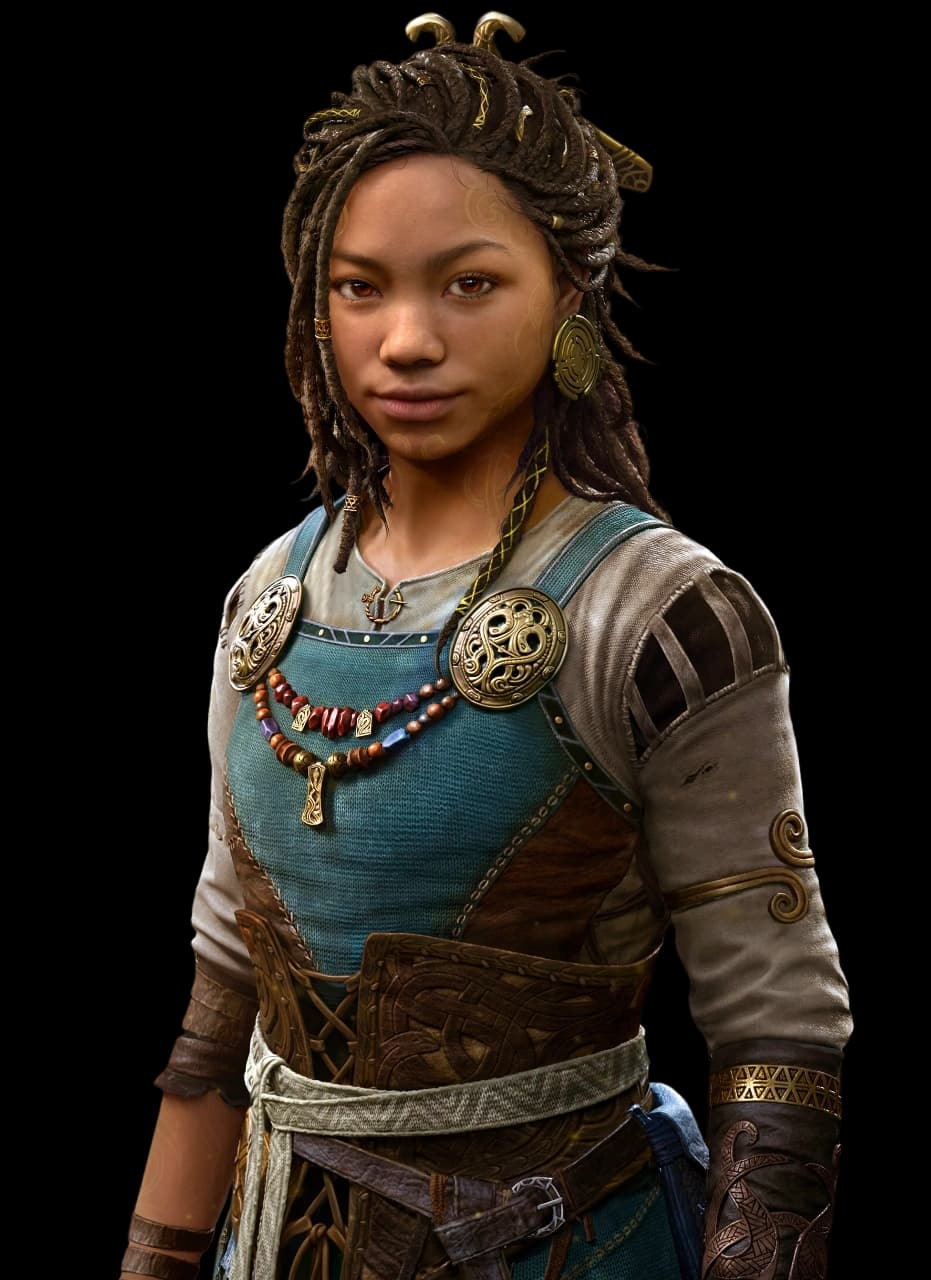
Angrboda grew up almost alone in Ironwood, painting the prophecy of Ragnarok. She gave Atreus the soul marbles of the lost Giants and made him their keeper.
Asgard
Asgard was the realm of the Aesir gods, perched in the crown of Yggdrasil and ruled by Odin from the hall of Gladsheim. Behind the great wall of Hrimthur it stood as a fortress against the prophesied doom of Ragnarok, until Kratos breached it and the realm fell.
Atreus (Loki): Kratos's Son and the Truth of His Name
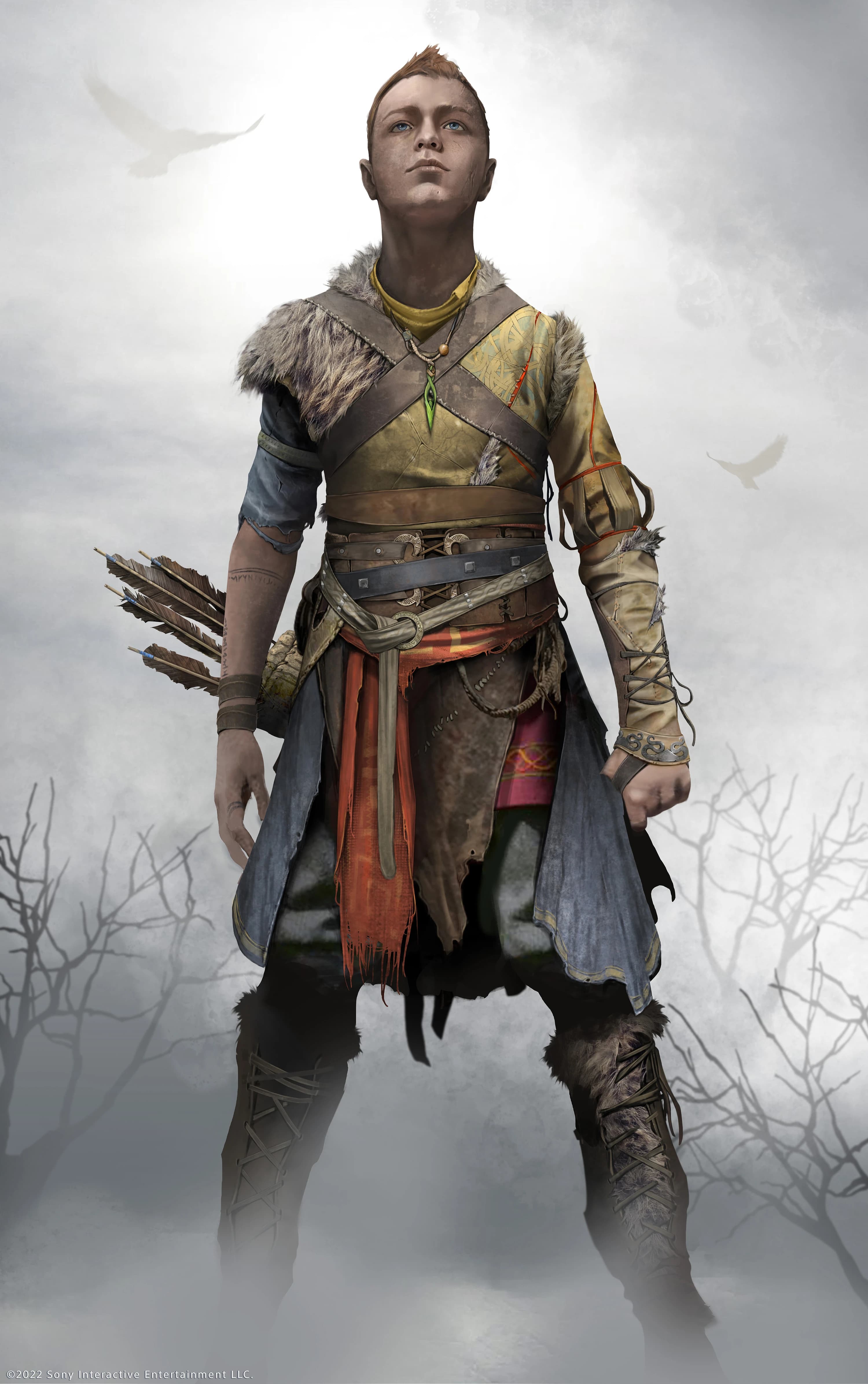
Atreus was the son of Kratos and the Jotunn Faye, born in Midgard and given the hidden name Loki. Across two great journeys he grew from a sickly boy into the prophesied champion of the Giants, the god of mischief whose fate was bound to Ragnarok.
Fenrir: the wolf whose soul Atreus carried in his knife
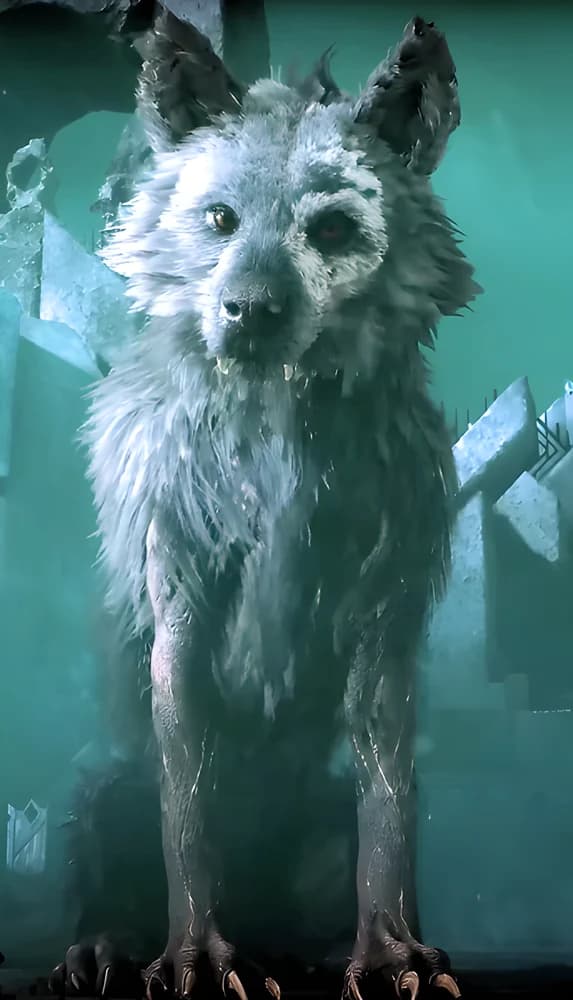
Fenrir was the old wolf Kratos and Atreus kept during Fimbulwinter. He died in Atreus' lap, his soul drawn into the boy's knife, and that knife later put him in the body of the Hel-hound Garm, reborn as a giant wolf who tore rifts between realms and fought at Ragnarök.
Helheim: the frozen hell even Odin feared
Those who died of age, disease or crime were sent to Helheim, a dark and unyielding cold where no fire burned. Even Odin could not last there long.
Mentioned in5 entries
Aurvangar Wetlands: gateway swamps of Svartalfheim
The Aurvangar Wetlands were the warm, geyser dotted swamps at the southern entrance of Svartalfheim, the main waterway to the Dwarven city of Nidavellir. Abandoned by the Dwarves and infested with Grim and Wretches, they were the first ground Kratos and Atreus walked in the Dwarven domain during their search for Tyr.
Midgardians
The Midgardians, also called Norsemen, were the mortal inhabitants of Midgard, divided into warring Nordic clans by their worship of the Aesir or the Vanir. Short-lived yet fearless, they sought glorious deaths in battle to claim a place among the honored dead.
Norse Gods: the pantheon of the Nine Realms
The Norse Gods were the pantheon that ruled over Scandinavia, the lands known in their own cosmos as the Nine Realms of Yggdrasil. Divided into the warlike Aesir of Asgard and the nature-bound Vanir of Vanaheim, they counted among the most powerful races of the realms and were held to be the protectors of Midgard and humanity.
The Undead: the dead who would not rest
The Undead were the dead returned to motion, raised by curse, godly power, or magic to serve the masters of the afterlife. In Greece they marched as soulless corpses in the armies of Ares and Hades, while in the Nine Realms the Draugr, Hel-Walkers, and Einherjar overran the living world as Ragnarok drew near.
Why Is Atreus Called Loki? The Name Explained
Atreus is called Loki because that was the name his mother Faye wanted for him, and the name the giants gave him in their prophecy. Here is how God of War reveals it, why Kratos called him Atreus instead, and what the name means for Ragnarök.
Get new articles in your inbox
No spam. New lore drops, canon conflicts, and deep dives only when they’re worth reading.
Some links on Lore Fortress are affiliate links. If you buy through them we earn a small commission at no extra cost to you.