Midgardians
the mortal clans of Midgard
The Midgardians, also called Norsemen, were the mortal inhabitants of Midgard, divided into warring Nordic clans by their worship of the Aesir or the Vanir. Short-lived yet fearless, they sought glorious deaths in battle to claim a place among the honored dead.
The Midgardians, also known as Norsemen, were the mortal inhabitants of Midgard, belonging to the many Nordic clans that dwelt there. Though mortals also lived in other realms such as Asgard and Vanaheim, they were not counted among the Midgardians but were instead named Asgardian or Vanir mortals. (God of War (2018); God of War Ragnarök)
A people divided#
The Midgardians were split by conflict, warring among themselves over whether to worship the Aesir or the Vanir. Their lifespans were short and feeble beside the other races of the Nine Realms, and few among them ever reached old age. Yet they did not fear death. They welcomed it, seeking to fall gloriously in battle so as to escape an unworthy afterlife. Many fought with savage fury until their final breath, some setting themselves ablaze or taking herbal draughts to enter a trance-like rage. (God of War (2018); God of War Ragnarök)
Death and the afterlife#
When a Midgardian fell in battle, the Valkyries or the Shield Maidens guided the soul to Valhalla or to Folkvangr, according to which gods the dead had served. Those who died outside of battle, or without devotion to any god, were consigned to Hel, where they became the mindless Hel-Walkers. A mortal who refused to accept death might rise again as a Draugr, a restless and violent corpse driven to fight until it was at last destroyed and its soul allowed to pass on. On rare occasion a soul became trapped between the living world and the afterlife as an incorporeal spirit, often through an unnatural death with no god to lead it onward. (God of War (2018); God of War Ragnarök)
In death a Midgardian grew far stronger than in mortal life, taking up service in Asgard, Vanaheim, or Helheim. (God of War (2018); God of War Ragnarök)
The age of the Nine Realms#
The most renowned of the Midgardians would be the seafaring vikings, but their age had not yet truly begun. Even so its first signs were stirring, for the legacy of Tyr had inspired Midgardians such as Loki and Skjoldr to venture beyond the Nine Realms in search of new lands. (God of War Ragnarök)
While the Nine Realms were out of sync, most Midgardians had gone into hiding or been turned into the undead. When at last the great war came, Midgardians could be found both as living mortals and as the undead, and it was revealed that some had been kept secretly in Asgard, held as living shields in preparation for Ragnarok. When Ragnarok unfolded, the survivors led by Skjoldr escaped and returned to Midgard. There, under his guidance and aided by the wolves of Angrboda in gathering food, the remaining Midgardians lived on, steadfast in their worship of the Norse gods. (God of War (2018); God of War Ragnarök)
Frequently asked questions
- Who were the Midgardians in God of War?
- The Midgardians, also known as Norsemen, were the mortal inhabitants of Midgard, belonging to various Nordic clans. Mortals dwelling in other realms such as Asgard and Vanaheim were not counted among them but were instead called Asgardian or Vanir mortals.
- What happened to Midgardians when they died?
- A Midgardian who fell in battle was guided by Valkyries or Shield Maidens to Valhalla or Folkvangr, according to the gods they had served. Those who died outside of battle or without devotion to any god were consigned to Hel, where they became mindless Hel-Walkers, while those who refused death could rise as Draugr until they were destroyed.
- Why did Midgardians welcome death?
- The Midgardians did not fear death but welcomed it, for a glorious fall in battle was the path to a worthy afterlife. Many fought with savage fury to their last breath, some setting themselves ablaze or entering a trance-like rage, since the dead grew far stronger in the service of their new realm than they had been in life.
Sources
- GameGod of War (2018), Santa Monica Studio, 2018
- GameGod of War Ragnarök, Santa Monica Studio, 2022
Spotted a factual error or a primary source we missed? Email a correction. Every flagged claim gets reviewed.
Followed from this entry
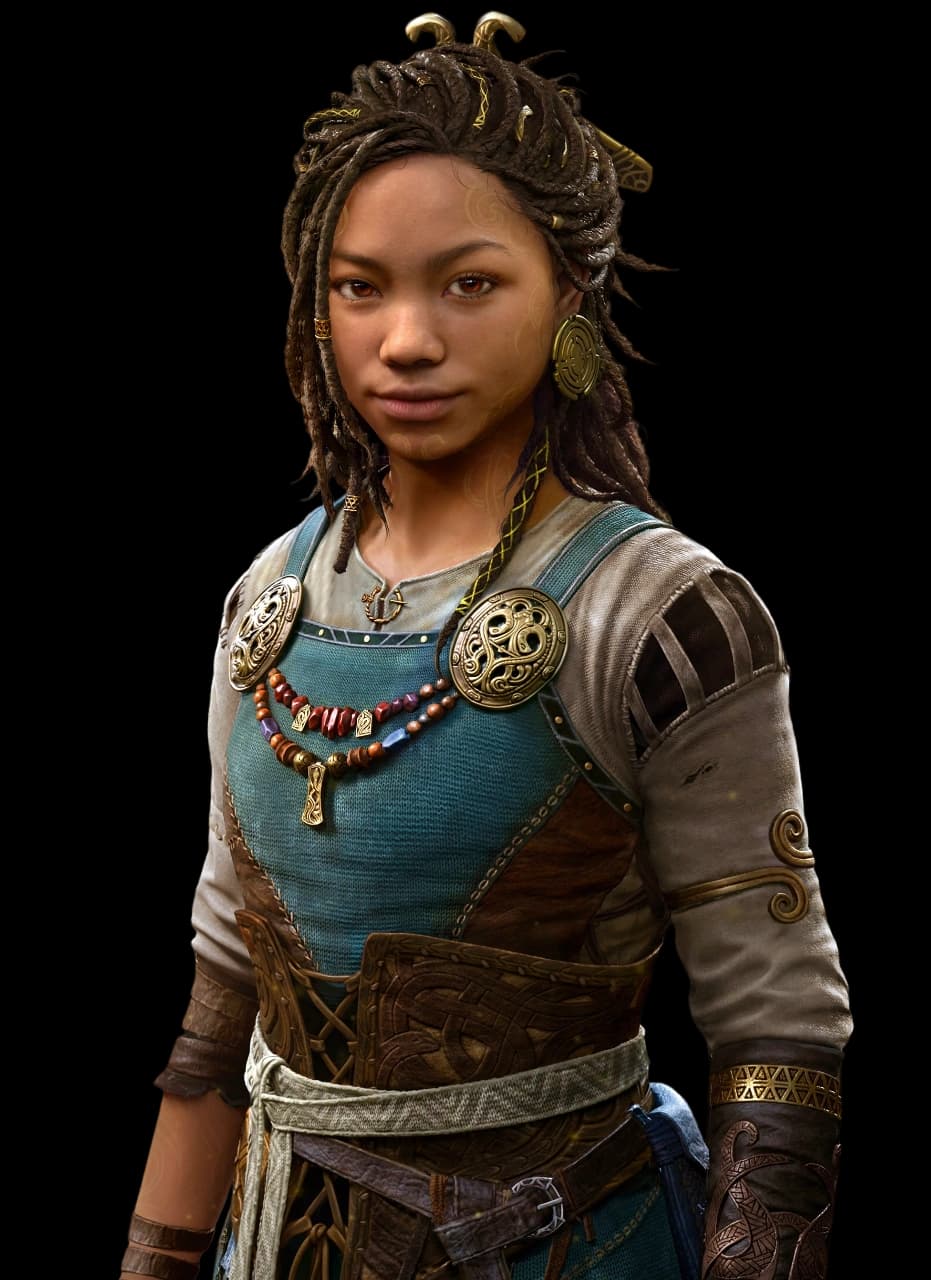
Angrboda: the last giantess of Ironwood
Angrboda grew up almost alone in Ironwood, painting the prophecy of Ragnarok. She gave Atreus the soul marbles of the lost Giants and made him their keeper.
The Aesir
The Aesir were one of the two tribes of Norse gods, natives of Asgard known for their war-like nature and their hunger for knowledge. Descended from the slain primordial Ymir and ruled by Odin, they claimed dominion over all creation, waging genocide upon the Jotnar and war upon the Vanir before their fall in Ragnarok.
Asgard
Asgard was the realm of the Aesir gods, perched in the crown of Yggdrasil and ruled by Odin from the hall of Gladsheim. Behind the great wall of Hrimthur it stood as a fortress against the prophesied doom of Ragnarok, until Kratos breached it and the realm fell.
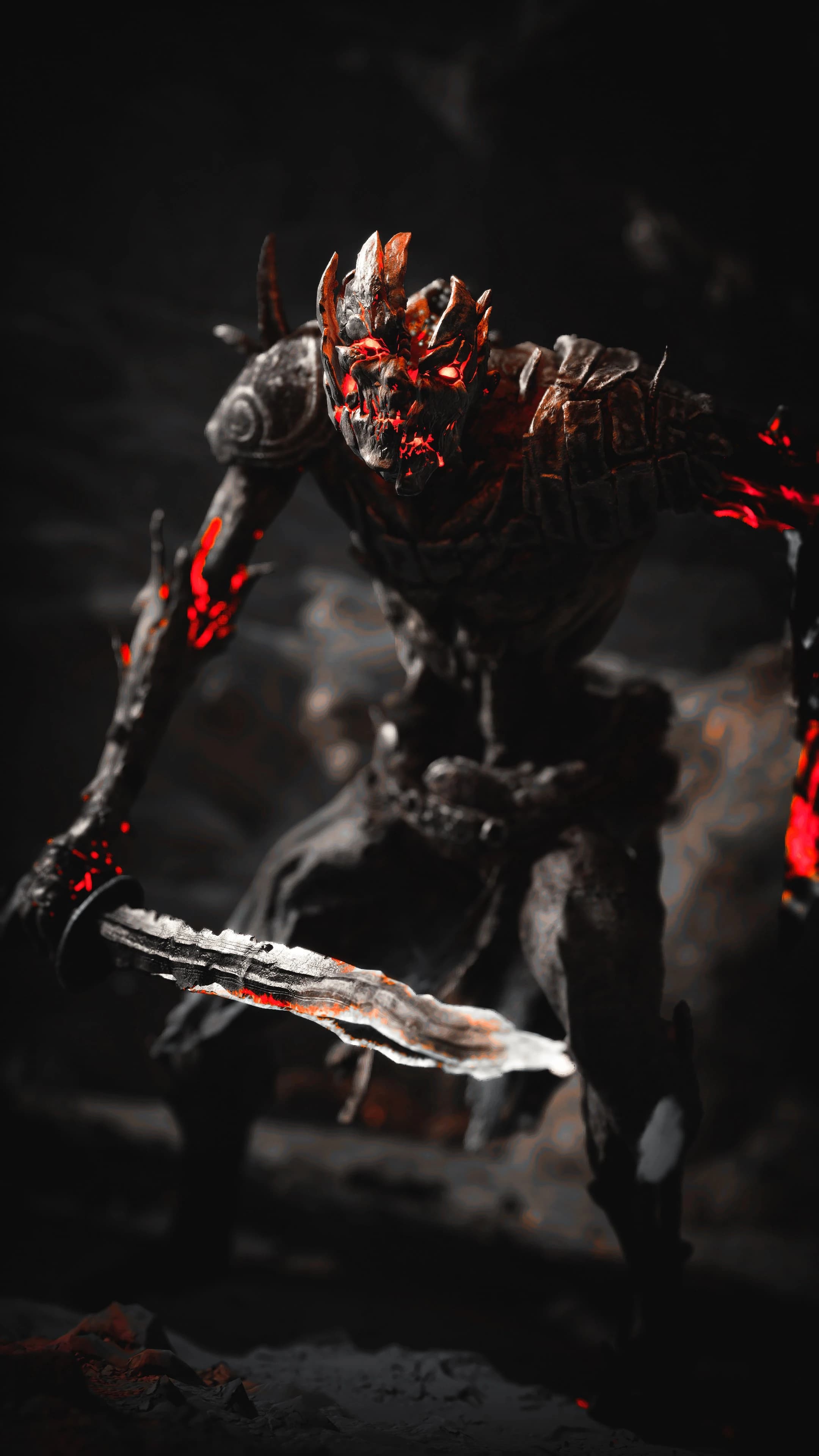
Draugr
The Draugr were undead warriors who died in battle yet refused the Valkyries' call to Valhalla, condemned to roam the Nine Realms as raging husks of their former selves. They were among the most common dangers Kratos and Atreus faced in the Norse lands.
Hel: Goddess of the Dishonored Dead
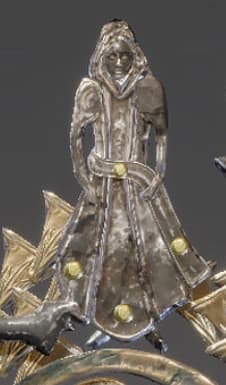
Hel was the foretold daughter of Loki and Angrboda, the figure Norse myth makes goddess of the dead and ruler of Helheim. In the age of Kratos she remained unborn, though the giants had long recorded her destiny among the children of Loki who were fated to shape the end of the Aesir.
Helheim: the frozen hell even Odin feared
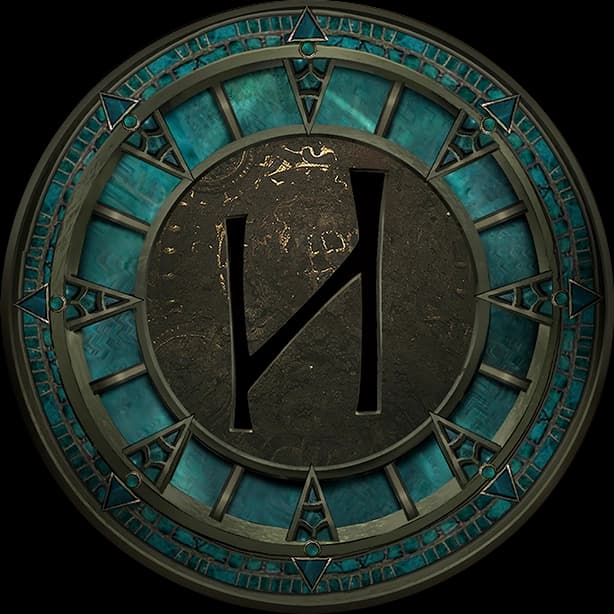
Those who died of age, disease or crime were sent to Helheim, a dark and unyielding cold where no fire burned. Even Odin could not last there long.
Mentioned in4 entries
Midgard: Kratos' home, shaped from Ymir
Odin shaped Midgard from the body of the giant Ymir. Kratos settled there after leaving Greece, and Fimbulwinter later froze the Lake of Nine.
Ragnarok: the war that only Asgard lost
The seeress Groa foresaw the death of the gods. When it came, Odin and Thor died and Surtr burned Asgard, but the other eight realms survived.
Reavers: the last raiders of Midgard
The Reavers were savage human raiders, among the only living people left in Midgard after the Great Desolation emptied its roads. They survived by hunting, pillage, and in the worst cases cannibalism, and those who leaned on Seiðr magic were twisted into corrupted horrors, while their dead rose again as Hel-Walkers.
Skjöldr: the farm boy of New Midgard
Skjöldr was a young Midgardian farm boy resettled on the outskirts of Asgard after the Desolation destroyed his homeland. He befriended Atreus at the foot of the great wall, survived being thrown into the battle of Ragnarök as one of Odin's mortal shields, and afterward led the displaced Midgardians as they rebuilt their lives in Midgard.
Get new articles in your inbox
No spam. New lore drops, canon conflicts, and deep dives only when they’re worth reading.
Some links on Lore Fortress are affiliate links. If you buy through them we earn a small commission at no extra cost to you.