Jotunheim: where Tyr hid the last giants
Realm of the Giants
Tyr sealed the giants' homeland away as Odin hunted the Jotnar to extinction. Kratos and Atreus reached it at last to scatter Faye's ashes there.
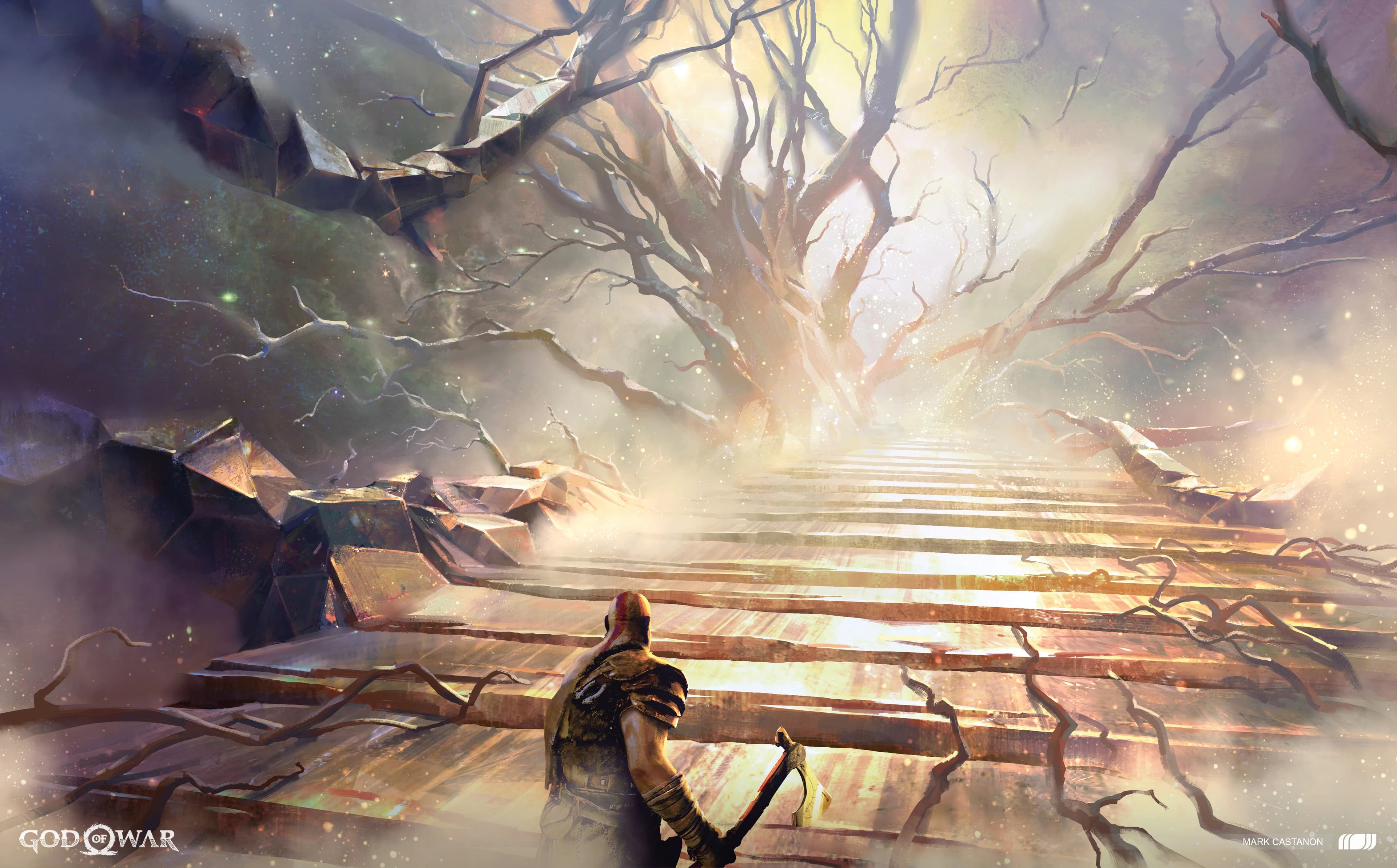
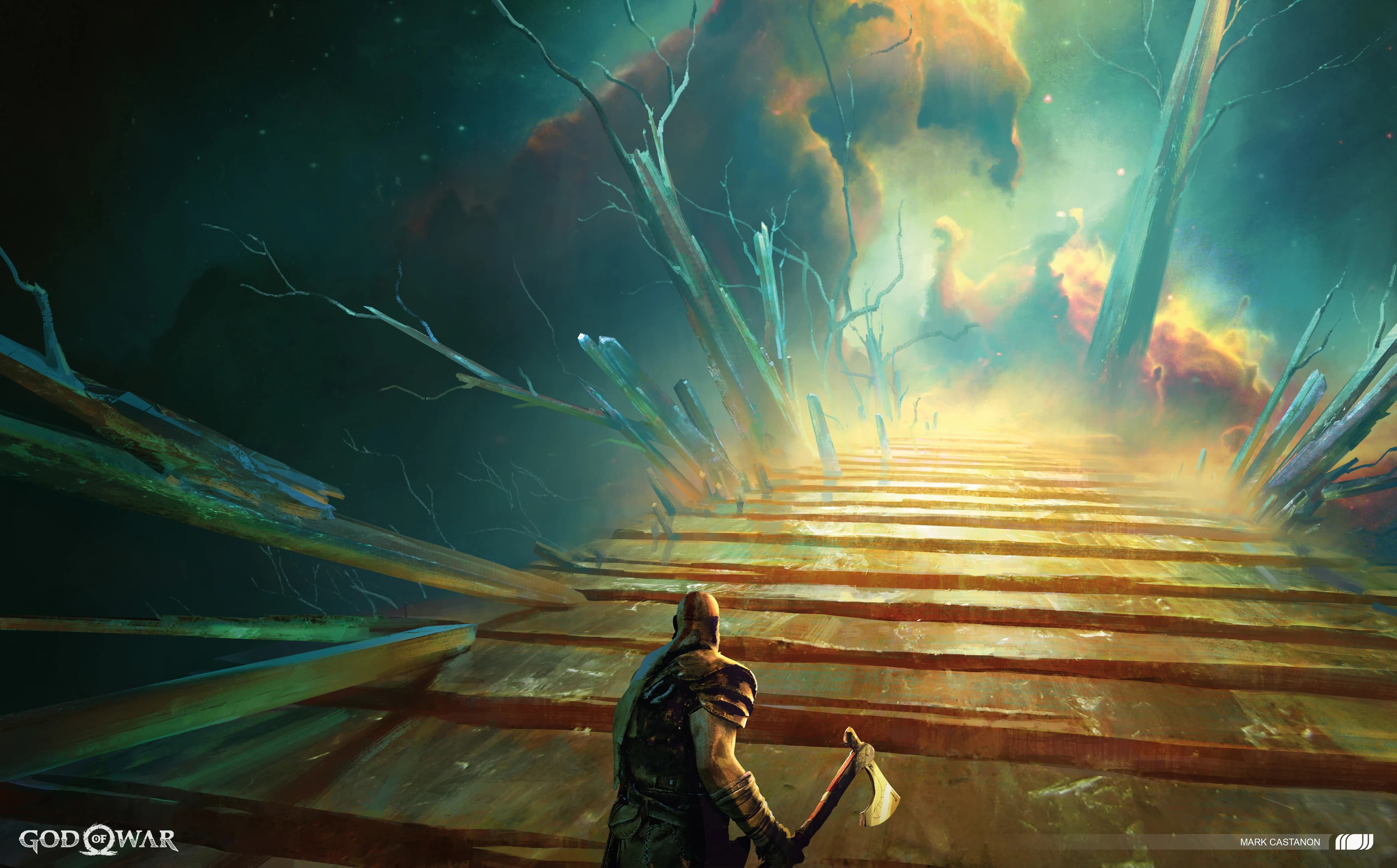
Jotunheim, also known as Jotunheimr and Utgard, was one of the Nine Realms of the World Tree and the home of the ancient race of Jotnar, the giants. It was the final destination of Kratos and Atreus on their journey to scatter the ashes of Faye, and the place where Atreus discovered his heritage. Its mountains rose so high their peaks stood above the clouds, and time itself ran faster there than in the other realms, so that those capable of aging did so more quickly within its bounds. (God of War (2018); God of War Ragnarök)
Sanctuary of the Jotnar#
In Norse myth, Bergelmir and his wife were the only giants to survive when Odin and his brothers killed their forefather Ymir, and the later giants descend from them. (Prose Edda)
In the games Jotunheim was the sanctuary of the Jotnar, a home where they could grow and prosper. But fearing his own downfall and Asgard's at the hands of the giants come Ragnarok, Odin and the Aesir began to slaughter the Jotnar throughout the Nine Realms. On the verge of extinction, the giants retreated to Jotunheim with the help of Tyr, who took no part in the killings and instead aided their escape by removing access everywhere except for two paths in Midgard. One lay atop Midgard's tallest peak and required a sacred rune to activate, while the other was hidden in the Realm Between Realms. (God of War (2018); God of War Ragnarök)
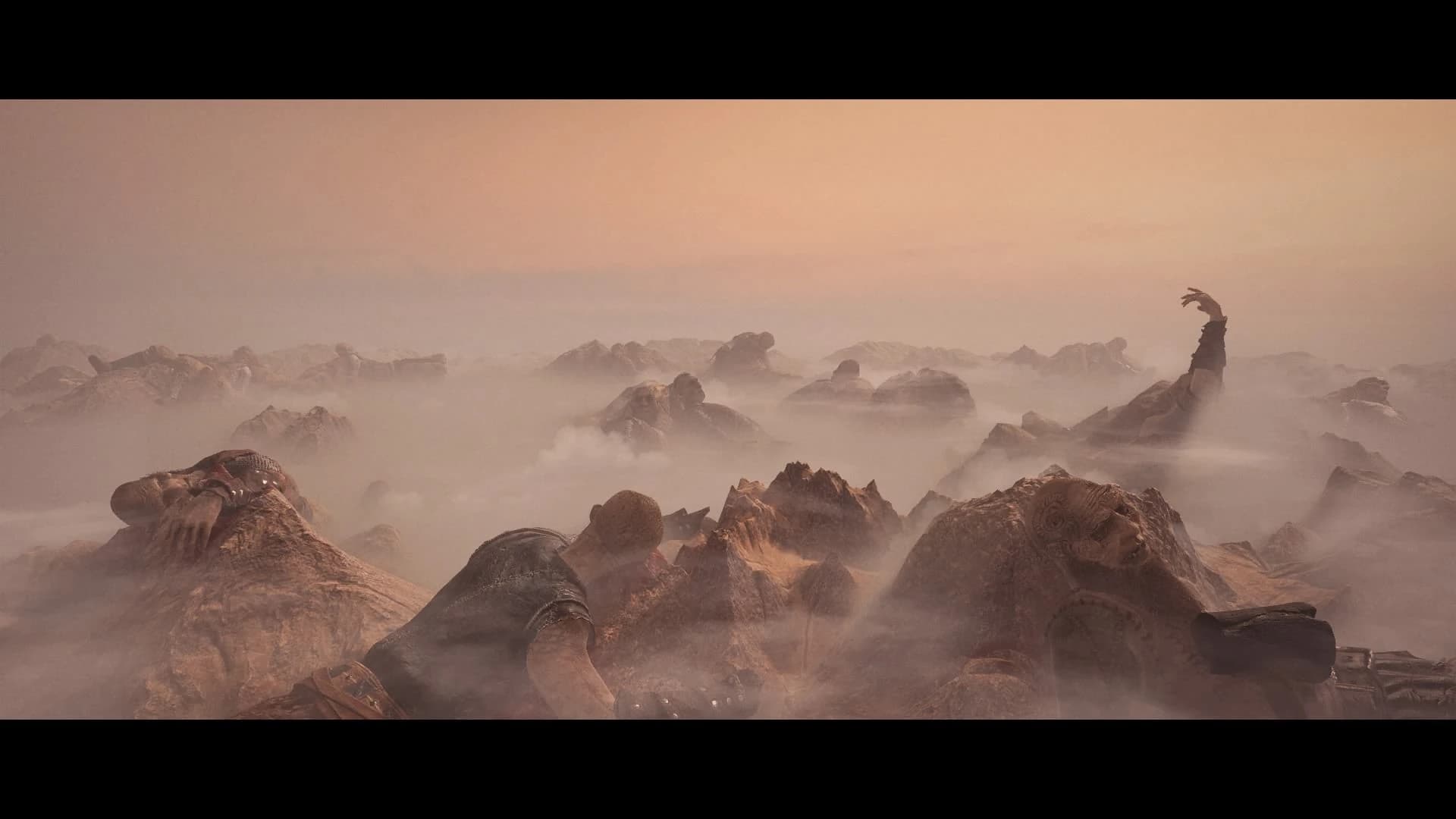
After the withdrawal of nearly all the giants who remained in Midgard, Jotunheim became the tomb of the Jotnar, their corpses littering its mountains as they awaited the return of their guardian. The other realms believed the survivors had gathered there as an army, priming for the day they would take their revenge against the Aesir, an eventuality that fed Odin's paranoia, since he and the Aesir had no means of setting foot there again. (God of War (2018); God of War Ragnarök)
The journey of Kratos and Atreus#
When Kratos and Atreus finally reached Jotunheim to scatter Faye's ashes, their guardian was at last reunited with her people, for Faye had been a Jotunn. It was here that Atreus discovered his own heritage, realizing that he and the World Serpent Jormungandr were the last living Jotnar in Midgard. Within a great room carved into a hand-shaped mountain, the highest peak in the Nine Realms, statues, carvings, and written prophecies adorned the walls, including a mural depicting the story of Loki. After returning to Midgard, Kratos and Atreus did not go back, since repeated travel risked Odin realizing that Mimir's eyes were the key to reaching it. (God of War (2018))
Ironwood and the surviving giants#
In Ragnarök, Jotunheim returned and could be reached through a mystic gateway modified by Brok and Sindri. Its region of Ironwood was revealed as a lush and grand sweep of stone trees, rivers, and abundant wildlife, brighter and warmer than it had once seemed, and both Mimir and Freya admired its beauty. There the giantess Angrboda, one of the last living Jotnar, had created wards to keep the wildlife at bay and remain hidden from Asgard. When Atreus found himself in Jotunheim, Angrboda showed him a copy of the mural carved in the Giants' Fingers, which revealed the prophecy that Kratos would die at the hands of Thor and that Atreus would go to serve Odin. (God of War Ragnarök)
Angrboda later revealed a bag containing the souls of the surviving giants, who had hidden their souls inside spirit stones to escape Odin's wrath, and she entrusted Atreus with looking after them. The two also confronted Angrboda's grandmother Gryla, destroying the magic cauldron she used to steal animal souls. The faster passage of time there was made plain when a visit that felt brief to Atreus had cost him two days in Midgard, a quirk it shared with the Light of Alfheim. After Ragnarok, Kratos could visit Jotunheim with Freya and Mimir, who thanked Angrboda for saving them in Asgard and praised her paintings, finding her still its keeper. (God of War (2018); God of War Ragnarök)
Frequently asked questions
- What is Jotunheim in God of War?
- Jotunheim, also known as Jotunheimr and Utgard, was one of the Nine Realms of the World Tree and the home of the ancient race of Jotnar, the giants. It was the final destination of Kratos and Atreus on their journey to scatter the ashes of Faye, and the place where Atreus discovered his heritage.
- How did the giants come to live in Jotunheim?
- Jotunheim was the homeland of the Jotnar, the giants descended from Ymir, whom Odin slew. It was the sanctuary of the giants, a home where they could grow and prosper.
- Why was Jotunheim so hard to reach?
- When Odin and the Aesir began slaughtering the Jotnar out of fear of the Ragnarok prophecy, Tyr helped the survivors retreat and removed access to the realm everywhere except for two paths in Midgard. One lay atop Midgard's tallest peak and required a sacred rune, while the other was hidden in the Realm Between Realms.
- What did Atreus learn in Jotunheim?
- Within a great room carved into a hand-shaped mountain, the highest peak in the Nine Realms, Atreus discovered his own heritage and read a mural depicting the story of Loki. He realized that he and the World Serpent Jormungandr were the last living Jotnar in Midgard.
- Why does time pass faster in Jotunheim?
- Time itself ran faster in Jotunheim than in the other realms, so that those capable of aging did so more quickly within its bounds. The quirk was made plain when a visit that felt brief to Atreus had cost him two days in Midgard, a trait the realm shared with the Light of Alfheim.
Gallery
Images via God of War Wiki
Sources
- GameGod of War (2018), Santa Monica Studio, 2018
- GameGod of War Ragnarök, Santa Monica Studio, 2022
- BookProse Edda, Snorri Sturluson, around 1220
Spotted a factual error or a primary source we missed? Email a correction. Every flagged claim gets reviewed.
Followed from this entry
Alfheim: the elves' war over the Light
Light and Dark Elves fought for centuries over the Light of Alfheim, the source that powers the Bifrost. It changed hands more than two hundred times.
Asgard
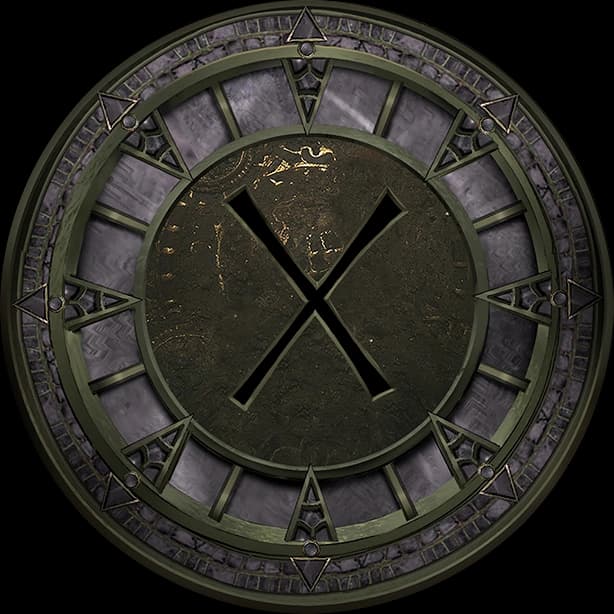
Asgard was the realm of the Aesir gods, perched in the crown of Yggdrasil and ruled by Odin from the hall of Gladsheim. Behind the great wall of Hrimthur it stood as a fortress against the prophesied doom of Ragnarok, until Kratos breached it and the realm fell.
Ironwood
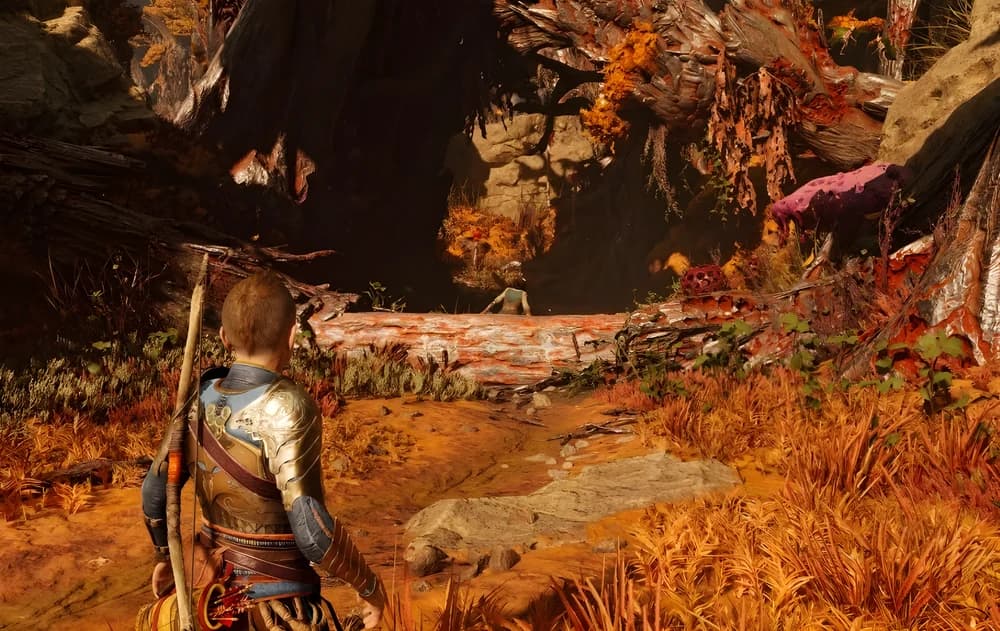
Ironwood was a region in Jotunheim, the home of Angrboda and Fenrir and the birthplace of a young Jormungandr. Long thought a mere metaphor for paradise, it proved to be a real and hidden sanctuary of the last giants.
Midgard: Kratos' home, shaped from Ymir
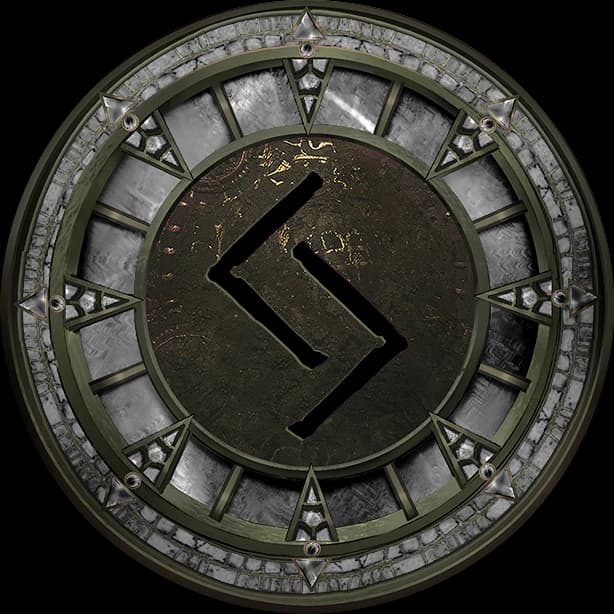
Odin shaped Midgard from the body of the giant Ymir. Kratos settled there after leaving Greece, and Fimbulwinter later froze the Lake of Nine.
Bergelmir: the Beloved King of the Giants
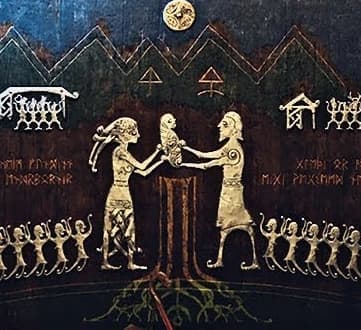
Bergelmir was a Frost Giant who, with his wife, alone survived the flood of Ymir's blood that drowned the rest of his race. He found a new land, named it Jotunheim, and repopulated the Jotnar as its king, refusing all vengeance against Odin. He died of old age surrounded by his kin and was remembered ever after as Bergelmir the Beloved.
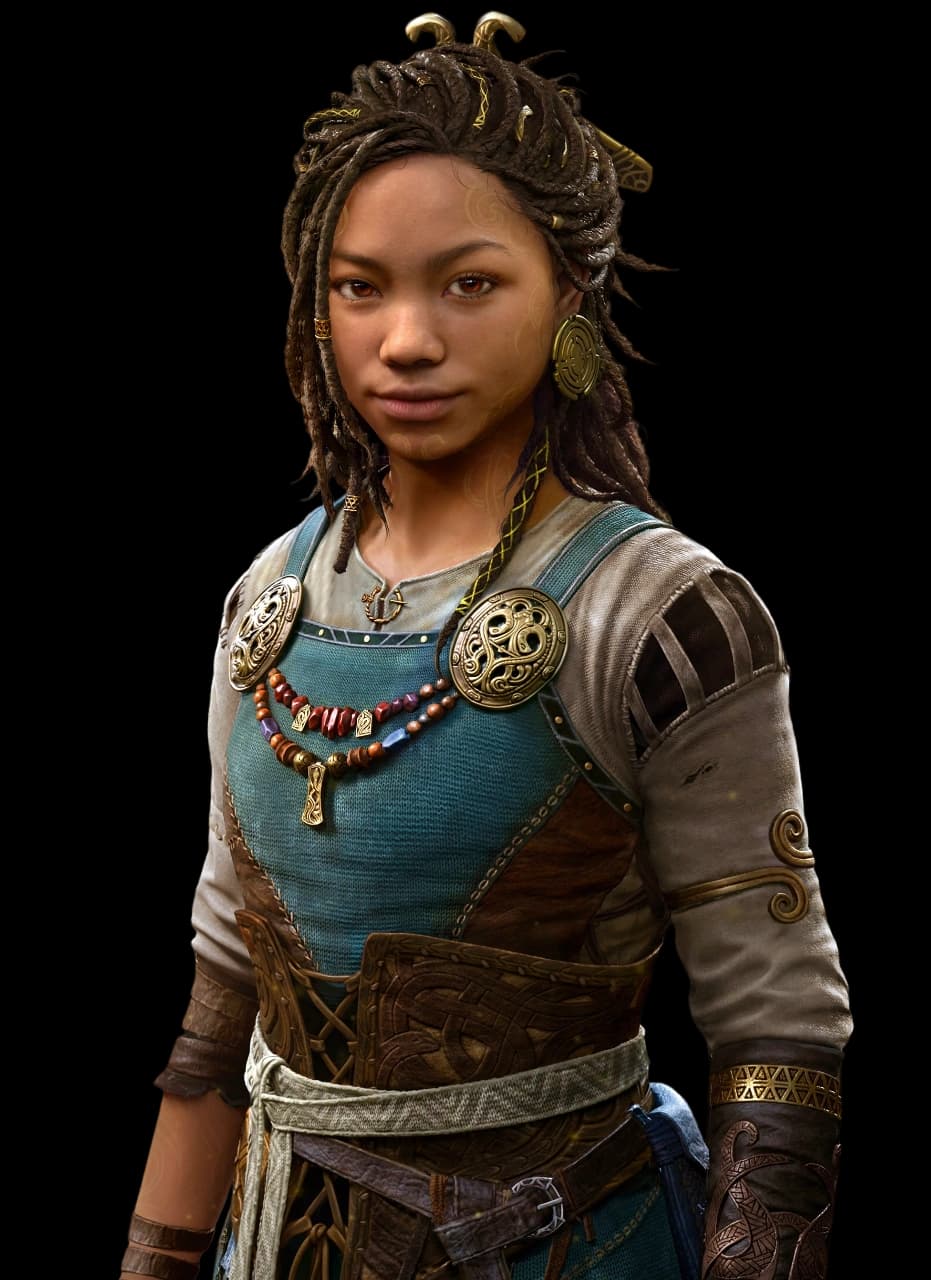
Angrboda: the last giantess of Ironwood
Angrboda grew up almost alone in Ironwood, painting the prophecy of Ragnarok. She gave Atreus the soul marbles of the lost Giants and made him their keeper.
Mentioned in61 entries
Aesir Royal Family: the Ruling Dynasty of Asgard
The Aesir Royal Family was the ruling dynasty of gods who reigned from Asgard over the Nine Realms. Descended from the first god Buri and led by Odin the Allfather, the line counted Odin's brothers Vili and Ve and his sons Thor, Tyr, Heimdall, and Baldur among its most prominent members.
Aesir-Vanir War
The Aesir-Vanir War was the long and brutal conflict between the two tribes of Norse gods, fought ages before Kratos came to the Northlands. It ended in an uneasy peace sealed by the marriage of Odin and Freya, only for Odin's treachery to reignite it.
Angrboda: the last giantess of Ironwood
Angrboda grew up almost alone in Ironwood, painting the prophecy of Ragnarok. She gave Atreus the soul marbles of the lost Giants and made him their keeper.
Atreus (Loki): Kratos's Son and the Truth of His Name
Atreus was the son of Kratos and the Jotunn Faye, born in Midgard and given the hidden name Loki. Across two great journeys he grew from a sickly boy into the prophesied champion of the Giants, the god of mischief whose fate was bound to Ragnarok.
Baldur's Death: mistletoe and a broken neck
A mistletoe arrow broke Freya's spell of invulnerability over Baldur, and Kratos snapped his neck as he moved to strangle her. Fimbulwinter followed.
Bergelmir: the Beloved King of the Giants
Bergelmir was a Frost Giant who, with his wife, alone survived the flood of Ymir's blood that drowned the rest of his race. He found a new land, named it Jotunheim, and repopulated the Jotnar as its king, refusing all vengeance against Odin. He died of old age surrounded by his kin and was remembered ever after as Bergelmir the Beloved.
Birgir
Birgir was a Midgardian warrior and former Traveler who discovered that the Path he served was a lie of Odin, and forsook his brethren to fight for the Vanir. Branded a heretic, he became a loyal ally of Freyr in the resistance against Asgard.
Council of Valkyries: The Hidden Throne Circle of Midgard
The Council of Valkyries, known in the old tongue as the Rocstoll aff Valkyrs, was a secluded council chamber in Midgard where the Valkyries met in private, away from the eyes of Odin. Left ruined and abandoned after the All Father cursed the sisterhood, it became the place where Kratos and Atreus summoned and slew Queen Sigrun, and later the campsite from which a vengeful Freya hunted them through Fimbulwinter.
Extermination of the Giants of Midgard: the Aesir Carnage
The Extermination of the Giants of Midgard, also called the Aesir Carnage, was the last great genocide ordered by Odin against the Jotnar. Enraged at his banishment from Jotunheim, he sent Thor to slaughter every giant in Midgard, driving the race to the edge of extinction.
Faye: Laufey the Just, mother of Atreus
Faye was the Jotunn Laufey, wife of Kratos and mother of Atreus. Her foresight showed her own death, so she planned the route her ashes would take.
Fenrir: the wolf whose soul Atreus carried in his knife
Fenrir was the old wolf Kratos and Atreus kept during Fimbulwinter. He died in Atreus' lap, his soul drawn into the boy's knife, and that knife later put him in the body of the Hel-hound Garm, reborn as a giant wolf who tore rifts between realms and fought at Ragnarök.
Fimbulwinter: the three-year winter
Fimbulwinter was the three-year winter that began with Baldur's death and ended with Ragnarok. Being magical, it weakened curses across the Nine Realms.
+ 49 more
Get new articles in your inbox
No spam. New lore drops, canon conflicts, and deep dives only when they’re worth reading.
Some links on Lore Fortress are affiliate links. If you buy through them we earn a small commission at no extra cost to you.