Cursed Remains: the rising bones of the dead
the reanimated skeletons of the Greek world
The Cursed Remains were animated skeletons that rose from scattered piles of bone to fight the living. Encountered across the Greek lands, they were weak alone but dangerous in numbers, collapsing and reforming to escape a final death.
The Cursed Remains were animated skeletons that haunted the Greek world, rising from scattered heaps of bone to take up arms against the living. Slight as individuals, they grew far more dangerous in great numbers, and they slipped away from death by collapsing into bone and reforming when least expected. Kratos faced them again and again across his journeys through Greece and its underworld. (God of War: Ghost of Sparta; God of War II; God of War III)
Bones that rise#
The most constant trait of the Cursed Remains was their form: they always appeared as simple human skeletons. Beyond that, what they bore and how they fought varied. At first each appeared as nothing more than a pile of bones lying on the ground, but as the living drew near they rose up and assembled into full skeletons, arming themselves to fight. (God of War: Ghost of Sparta; God of War II; God of War III)
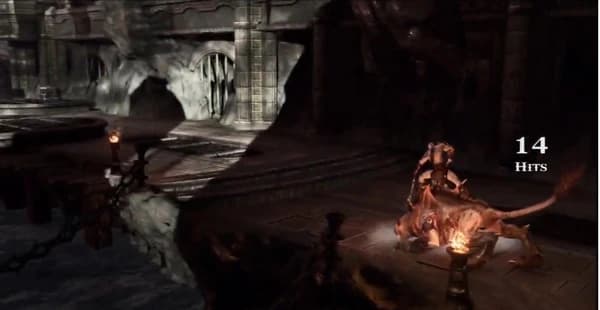
Individually the Cursed Remains posed little danger. Gathered in numbers, however, they became a far greater menace. Their defining defense was their ability to come apart: when pressed, they would collapse back into the original heap of bones to avoid further harm, then reanimate and strike when their foe least suspected it. To destroy one for good demanded a deliberate finishing blow, such as smashing off its skull and shattering the rest of its frame, or seizing it and breaking it apart; struck down by ordinary means, it would only fall to pieces and rise again. (God of War: Ghost of Sparta; God of War II)
Across the Greek world#
Kratos first met the Cursed Remains among the ruined city of Heraklion, where they appeared as bone before rising into skeletons armed with a sword in one hand and a small shield in the other. He encountered them again armed with large rusted swords, capable of sweeping spinning strikes, first in the Bog of the Forgotten near the entrance to the Temple of Euryale, and afterward in the Catacombs of the Fallen and other haunted places. (God of War: Ghost of Sparta; God of War II)
They rose once more in the depths of the underworld, within the Pit of Tartarus and upon the body of the fallen titan Cronos. There they bore small shields and helmets, fighting much as the sentries of Olympus did, and shedding blood as they fell, where elsewhere they had spilled none. (God of War III)
Frequently asked questions
- What were the Cursed Remains in God of War?
- The Cursed Remains were a recurring undead foe of the Greek world, animated human skeletons that appeared first as scattered piles of bone and rose into full skeletons when the living drew near. They were armed variously with swords, shields, and helmets depending on where they were found.
- Why were the Cursed Remains hard to destroy?
- When threatened, the Cursed Remains would disassemble themselves back into piles of bone to avoid harm, then reform and strike again when their enemy least expected it. To destroy one for good required a finishing blow, such as smashing off its skull and shattering the rest of its frame.
Sources
- GameGod of War II, Santa Monica Studio, 2007
- GameGod of War: Ghost of Sparta, Ready at Dawn, 2010
- GameGod of War III, Santa Monica Studio, 2010
Spotted a factual error or a primary source we missed? Email a correction. Every flagged claim gets reviewed.
Followed from this entry
Euryale
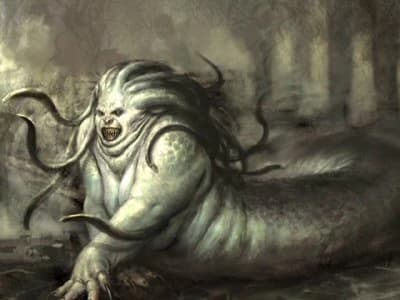
Euryale was an immortal Gorgon and the sister of Medusa, who took the throne of the Gorgons after Kratos slew her kin. From her temple on the Island of Creation she sought to sacrifice the Ghost of Sparta to the Sisters of Fate, until he cut off her head and turned it against his enemies.
Cronos: the Titan who ate his children
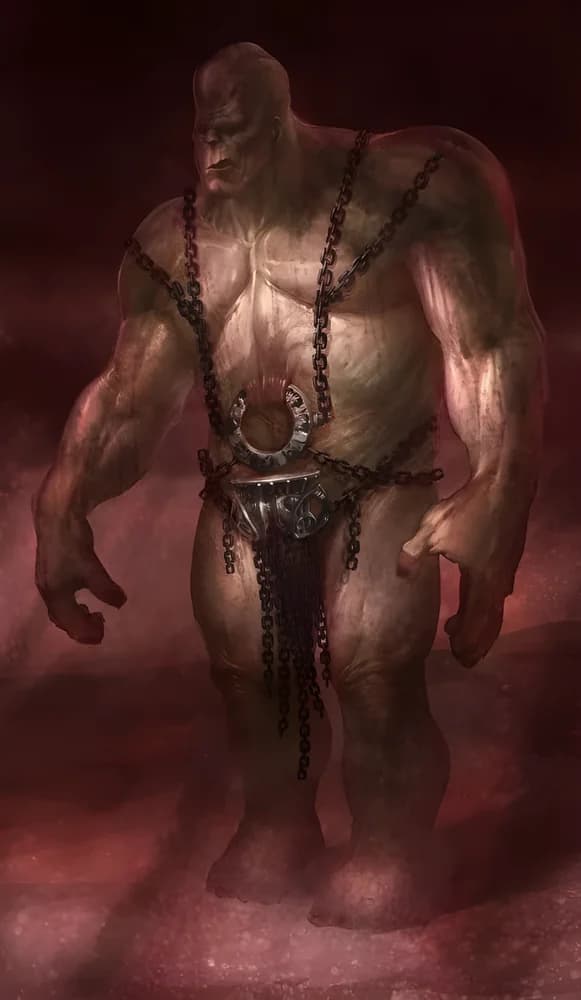
Warned that his own children would depose him, Cronos swallowed each at birth. Rhea hid Zeus, Zeus deposed him anyway, and Kratos finished him.
Kratos
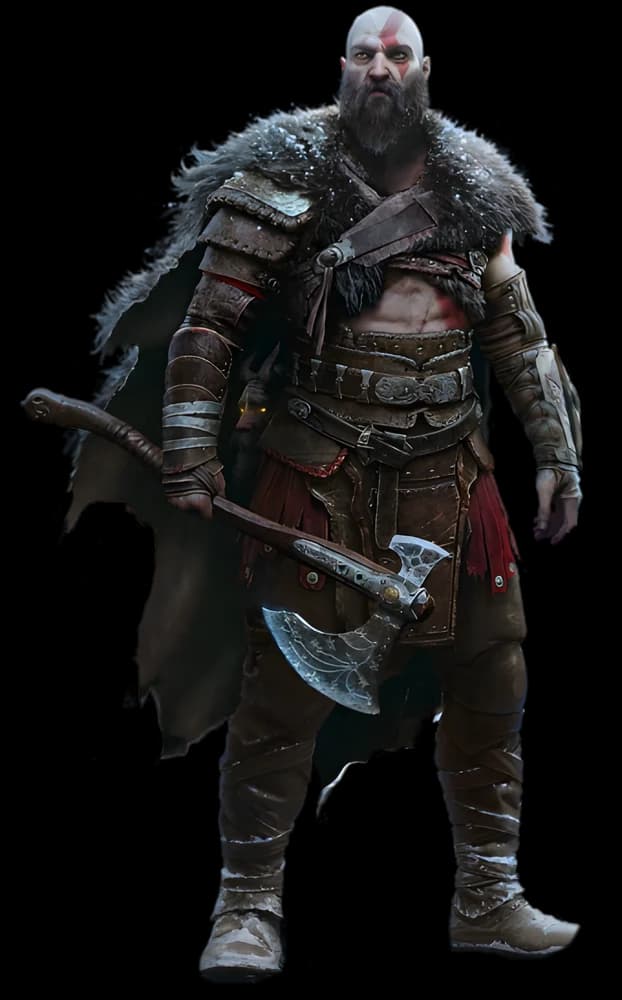
Kratos was the demigod son of Zeus who rose from a Spartan general to the Greek God of War, destroyed the pantheon of Olympus in a quest for vengeance, and then began again in the Norse realms as a father seeking to leave his bloody past behind.
Tartarus: the abyss that caged the Titans
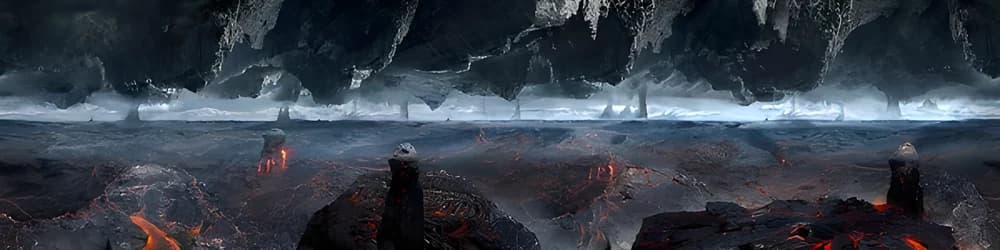
Tartarus was the deepest pit of the Underworld, and in Greek myth one of the first beings. Zeus bound the Titans there, and Kratos killed Cronos in its depths.
The Underworld
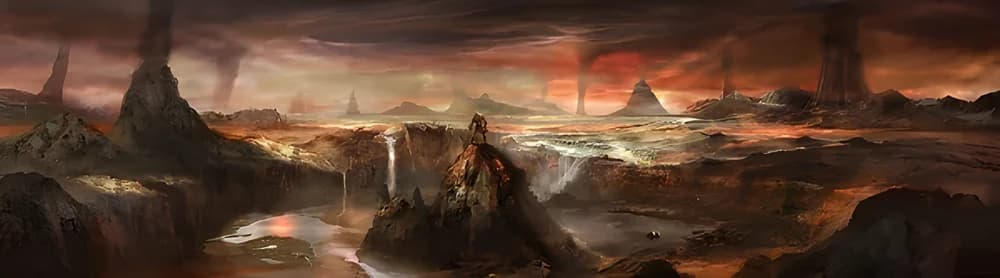
The Underworld was the realm of the dead in Greece, a hellish landscape below the living world where the River Styx carried mortal souls to their rest. It was ruled by Hades until his death, and Kratos descended into it many times across his Greek campaigns.
Mentioned in2 entries
Monster: the beasts of the mythic world
Monsters, also called Beasts, were the hostile creatures of the mythic world, beings that could be counted neither as mortals nor as gods or Titans. From the minotaurs and gorgons of Greece to the trolls and dragons of the Norse realms, they haunted every land that Kratos ever walked.
The Undead: the dead who would not rest
The Undead were the dead returned to motion, raised by curse, godly power, or magic to serve the masters of the afterlife. In Greece they marched as soulless corpses in the armies of Ares and Hades, while in the Nine Realms the Draugr, Hel-Walkers, and Einherjar overran the living world as Ragnarok drew near.
Get new articles in your inbox
No spam. New lore drops, canon conflicts, and deep dives only when they’re worth reading.
Some links on Lore Fortress are affiliate links. If you buy through them we earn a small commission at no extra cost to you.