Hoplite: the undead soldiery of the dead lands
The Hoplites were undead soldiers of the Greek world, skeletal corpses clad in the armor of Greece that fought with twin swords. Kratos cut through their ranks in Asphodel, in the depths of Tartarus, and even in the Elysium Fields, where their stronger breeds bore shields of bronze and iron.
The Hoplites were undead soldiers of the Greek world, skeletal corpses dressed in the standard armor of Greece that rose from death to fight with two swords in hand. They were the counterparts of the Undead Legionnaires, that greater host of risen warriors which served the gods across the mortal world, yet the Hoplites kept mostly to the realms of the dead themselves. Kratos met them in Asphodel, in the depths of Tartarus, and in the Elysium Fields, where they charged him with their blades, climbed the walls above his paths, and reached for him with grasping hands. Among their ranks marched archers, shield bearers, and the blood-armored Sentries, the strongest of their kind. (God of War: Chains of Olympus; God of War: Ghost of Sparta)
The risen soldiery of Greece#
The Hoplites belonged to the vast family of the undead that plagued the Greek world, the risen soldiers who fought on long after their deaths. Where the Undead Legionnaires marched in the armies of the gods across the living lands, the Hoplites served as their counterparts within the realms of the dead. Each appeared as a skeletal corpse adorned in the standard armor of a Greek soldier, and each carried two swords, one in either hand. (God of War: Chains of Olympus; God of War: Ghost of Sparta)
In battle they showed little in the way of caution or craft. A Hoplite charged straight at its enemy and delivered strong strikes with its dual swords, trusting in numbers and in the tirelessness of the dead. They were kindred to a wider host of risen creatures. Beings much like them, the Shades, haunted the dreaming fog of Morpheus earlier in Kratos's journey through Attica, so alike in nature that the Shades might have been called the Hoplites of that god. Among the dead themselves, however, the Hoplites answered to no dreaming power, standing instead among the endless soldiery of the Underworld. (God of War: Chains of Olympus)
Haunts among the dead#
Kratos encountered the Hoplites in three regions of the world beyond death: Asphodel, the depths of Tartarus, and the Elysium Fields. Even in Elysium, that place of reward, the risen soldiers barred his way, and in Tartarus their stronger breeds gathered in the dark. (God of War: Chains of Olympus)
They were not bound to level ground. Hoplites climbed along the walls of the dead lands, and when a living climber crossed their territory they grappled with him and tried to throw him from his handholds. Against the Ghost of Sparta such tactics bought them little. Kratos seized the creatures and drove his head into their skulls with such force that bone gave way, and when a Hoplite had been battered near to breaking he threw it to the ground and struck its head from its shoulders with his chained blades. By that method the Spartan destroyed them in every field and pit where they rose against him. (God of War: Chains of Olympus; God of War: Ghost of Sparta)
Shields of bronze and iron#
Two breeds of Hoplite went into battle behind shields. The first, the Shielded Hoplites, appeared almost identical to the common soldier but carried a large bronze shield, and no blow could harm the creature while the shield endured. Only when the bronze had been shattered did the thing beneath stand exposed, and then it fought as any other Hoplite fought, with its two swords, and died as they died. Kratos met these shield bearers chiefly in the depths of Tartarus, where they stood among the strongest gatherings of their kind. (God of War: Chains of Olympus)
The second breed, the Hoplite Guards, bore shields of a sterner making, powerful barriers of metal that no ordinary strength could break. Against these Kratos turned the fire of Thera's Bane, the burning power bound into his blades, for only that flame could shatter the Guards' defenses. Stripped of their shields, the Guards proved no different from their lesser brethren, and the Spartan disposed of them by the same means he used against every other soldier of the risen dead. (God of War: Ghost of Sparta)
Archers and Sentries#
Not every Hoplite closed to sword's reach. The Hoplite Archers resembled the standard soldiers in every way but their weapon, carrying a bow in place of the twin swords. They fought alongside the common Hoplites and supported the charge from a distance, loosing arrows at any enemy their brethren engaged. Some among them commanded a crueler art, firing a flaming arrow high into the sky so that the burning shaft fell upon their quarry from above a short time later. For all their reach, the Archers died as easily as their sword-bearing kin once Kratos closed the distance, broken by the same grip and beheaded by the same blades. (God of War: Chains of Olympus; God of War: Ghost of Sparta)
Above all these stood the Hoplite Sentries, the strongest class of Hoplite that Kratos ever faced. They looked much the same as their lesser brethren, but they were known by their blood-red armor and by their curved, scimitar-like swords. The Sentries fought with all the tactics of the common soldiery and added to them powerful leaping strikes that were difficult to block or to parry, blows that punished any warrior who stood his ground carelessly. Yet caution was answer enough. A fighter who watched for the leap could bring a Sentry down by the same means that felled any standard Hoplite, and so even the strongest of the risen soldiers of Greece went in the end to the same fate as the rest of their silent host. (God of War: Ghost of Sparta)
Sources
- GameGod of War: Chains of Olympus, Ready at Dawn, 2008
- GameGod of War: Ghost of Sparta, Ready at Dawn, 2010
Spotted a factual error or a primary source we missed? Email a correction. Every flagged claim gets reviewed.
Followed from this entry
The Undead: the dead who would not rest
The Undead were the dead returned to motion, raised by curse, godly power, or magic to serve the masters of the afterlife. In Greece they marched as soulless corpses in the armies of Ares and Hades, while in the Nine Realms the Draugr, Hel-Walkers, and Einherjar overran the living world as Ragnarok drew near.
Undead Legionnaire
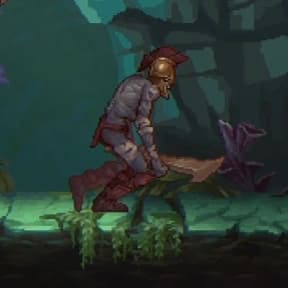
The Undead Legionnaires were the risen soldiers of the Greek world, demonic skeletons clad in the armor of ancient warriors. The most common of all the undead servants of the gods, they made up the bulk of Ares' army that fell upon Athens and stood guard within Pandora's Temple.
The Elysium Fields
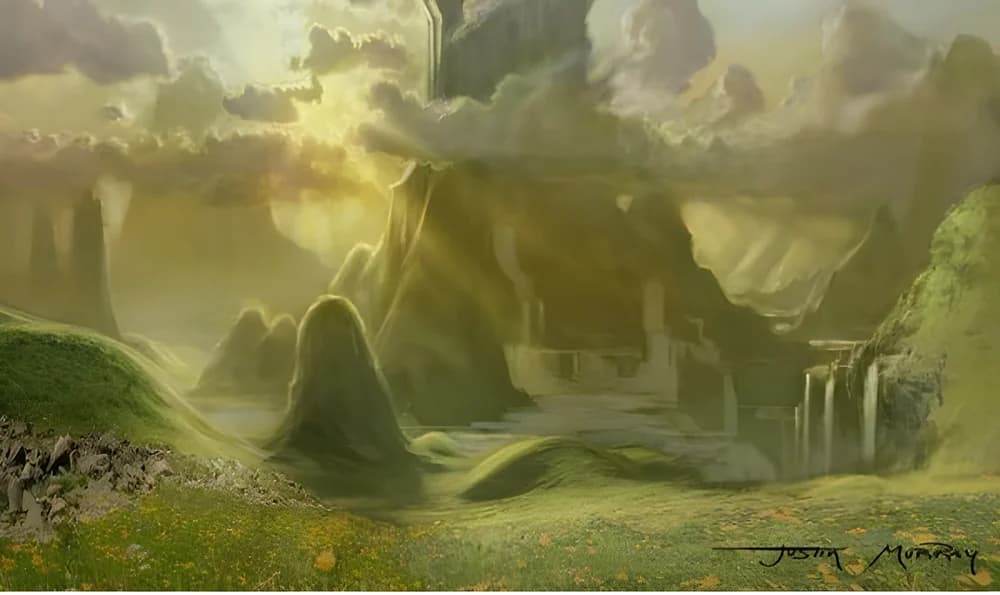
The Elysium Fields were the part of the Underworld where the souls of the good and pure dwelt, a paradise that held the Pillar of the World. There Kratos was reunited with his daughter Calliope, and there he was forced to give her up again to stop Persephone.
Kratos
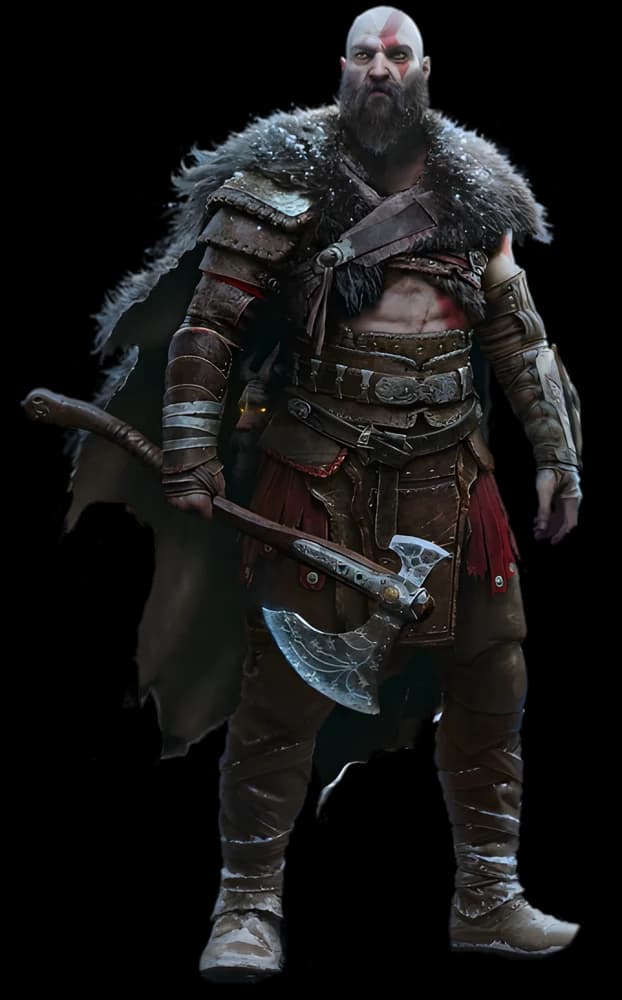
Kratos was the demigod son of Zeus who rose from a Spartan general to the Greek God of War, destroyed the pantheon of Olympus in a quest for vengeance, and then began again in the Norse realms as a father seeking to leave his bloody past behind.
Morpheus
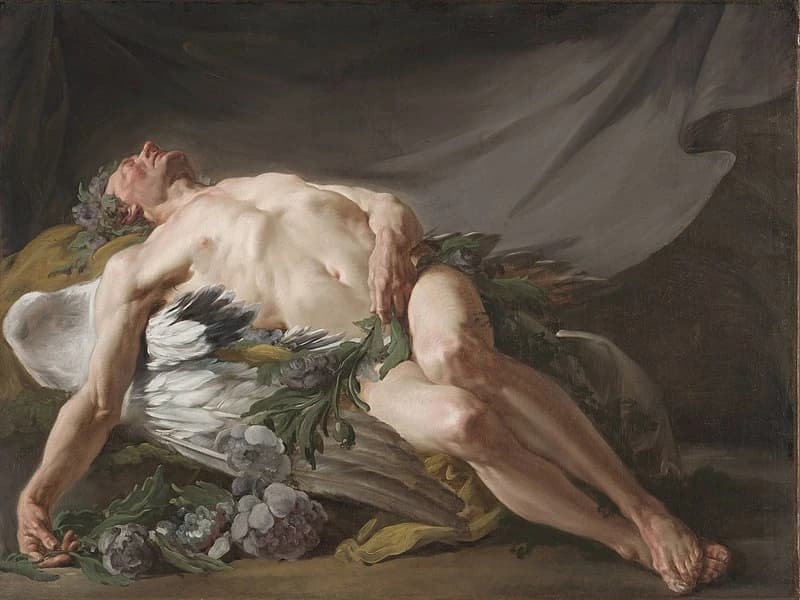
Morpheus was the Greek God of Dreams, a power of night who ruled the Realm of Dreams. When Helios was torn from the sky, he seized his chance to cast the gods and mortals into slumber and wrap the world in black fog, retreating only when Kratos returned the sun to the heavens.
Sparta: Kratos' city, razed by Zeus
Sparta raised Kratos, worshipped Ares, then took Kratos himself as its patron god. Zeus destroyed the city in revenge for the Spartan's defiance.
Get new articles in your inbox
No spam. New lore drops, canon conflicts, and deep dives only when they’re worth reading.
Some links on Lore Fortress are affiliate links. If you buy through them we earn a small commission at no extra cost to you.