Morpheus
the God of Dreams
Morpheus was the Greek God of Dreams, a power of night who ruled the Realm of Dreams. When Helios was torn from the sky, he seized his chance to cast the gods and mortals into slumber and wrap the world in black fog, retreating only when Kratos returned the sun to the heavens.
Morpheus was the Greek God of Dreams, a dark deity who ruled the Realm of Dreams. When the sun god Helios was dragged from the heavens, Morpheus moved against creation, though he never met Kratos in person and withdrew the moment the Spartan restored the sun. (God of War: Chains of Olympus)
A dark primordial#
Morpheus was the God of Dreams, a power of night. The games never name his parents or say how old he is. He resided in and ruled over the Land of Morpheus, the Realm of Dreams, a strange world of endless night where imagination and reality converged and time itself was distorted. (God of War: Chains of Olympus; God of War (2010 comic))
Morpheus had no love for the gods of Olympus, and he moved to rule a sleeping world in their place. The opening came out of a different plot: Persephone, Queen of the Underworld, had the Titan Atlas drag Helios from the sky as part of her own scheme to bring down the gods. (God of War: Chains of Olympus)
The slumber of Greece#
Morpheus found his opening when Helios was torn from the sky. With the sun gone and the gods left vulnerable, he cast the gods and mortals of Greece into a deep slumber and began enveloping the Earth in a black fog. He loosed his minions across the land, shades and banshees and the beasts that bore his name, content to wait, for as Athena warned Kratos, soon everything would succumb to his black grip. (God of War: Chains of Olympus)
He never faced Kratos directly. But the Spartan reached Helios and returned the sun god to the heavens, and with the light restored Morpheus was forced to abandon his design. Gaia recounted that he retreated into the shadows, withdrawing into the Land of Morpheus to hide from the wrath of Olympus. His scheme and its failure are covered in the full Chains of Olympus plot. (God of War: Chains of Olympus)
Power and uncertain fate#
Morpheus wielded great power, able to lull the gods of Olympus and nearly all of Greece into sleep, and his fog dragged even Kratos into haunted dreams of the family he had killed. Yet his strength had its limits, for it was only the disruption of the balance between light and dark, brought on by the absence of the sun, that allowed him to act as he did. (God of War: Chains of Olympus)
What became of Morpheus is unknown. He was never mentioned again in the affairs of Greece, and it is not clear whether he escaped the reach of Zeus or whether he perished in the chaos that later consumed the Greek world. Long afterward, in the Norse lands, Kratos recalled him as the God of Dreams when speaking of the consequences of darkening the sky. (God of War: Chains of Olympus; God of War Ragnarök: Valhalla)
Frequently asked questions
- Who is Morpheus in God of War?
- Morpheus was the Greek God of Dreams, a dark deity who ruled the Realm of Dreams. He is a major threat in God of War: Chains of Olympus, though he never appears in person.
- What did Morpheus do when Helios was torn from the sky?
- Morpheus found his opening when Helios was torn from the sky. With the sun gone and the gods left vulnerable, he cast the gods and mortals of Greece into a deep slumber, began enveloping the Earth in a black fog, and loosed shades, banshees, and other minions across the land.
- Why did Morpheus never face Kratos directly?
- The game never says why. Morpheus simply let his darkness spread while the sun was gone, and Athena warned that soon everything would fall into his black grip. He never confronted Kratos in person.
- Why did Morpheus retreat?
- When Kratos reached Helios and returned the sun god to the heavens, the restored light forced Morpheus to abandon his design. Gaia recounted that he retreated into the shadows, withdrawing into the Land of Morpheus to hide from the wrath of Olympus.
- What happened to Morpheus?
- What became of Morpheus is unknown. He was never mentioned again in the affairs of Greece, and it is not clear whether he escaped the reach of Zeus or perished in the chaos that later consumed the Greek world.
Sources
- GameGod of War Ragnarök: Valhalla, Santa Monica Studio, 2023
- GameGod of War: Chains of Olympus, Ready at Dawn, 2008
- ComicGod of War (2010 comic), Marv Wolfman and Andrea Sorrentino, WildStorm/DC Comics, 2010 to 2011
Spotted a factual error or a primary source we missed? Email a correction. Every flagged claim gets reviewed.
Followed from this entry
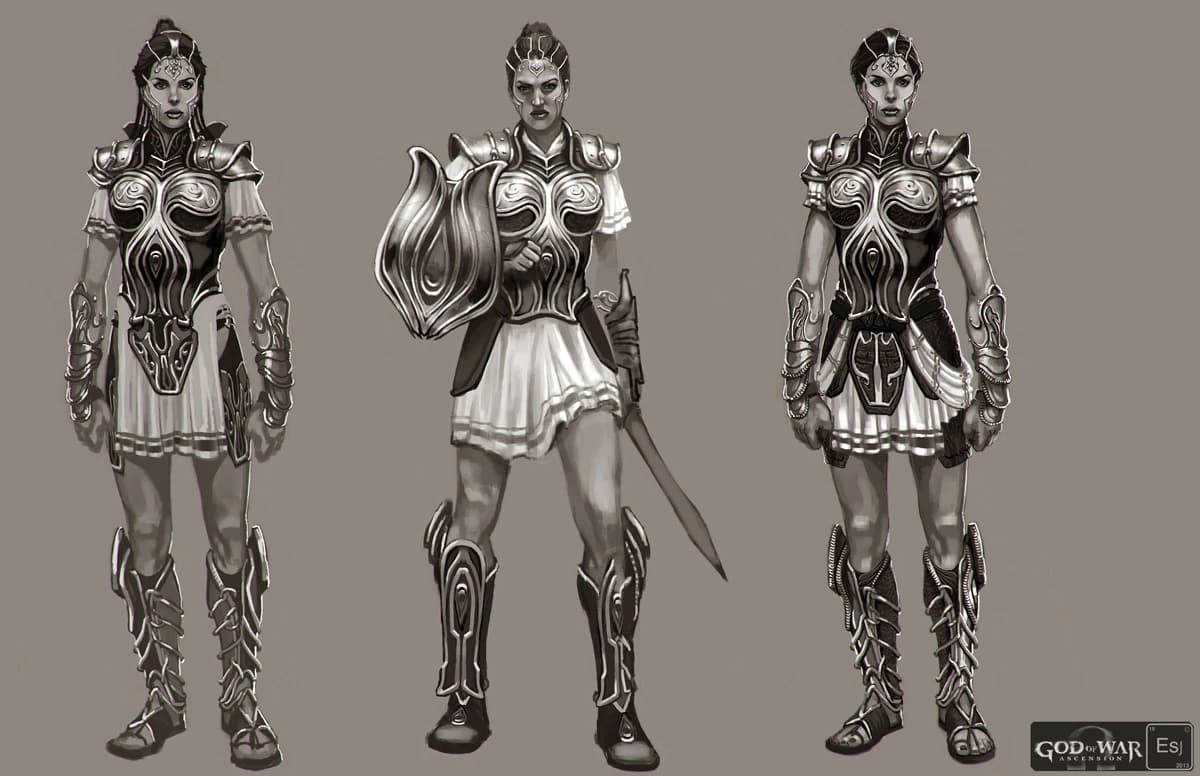
Athena: from Kratos' guide to his enemy
Athena set Kratos against Ares to save Athens, then turned on him when his reign grew worse. She died taking a blow meant for Zeus, and named Kratos his son.
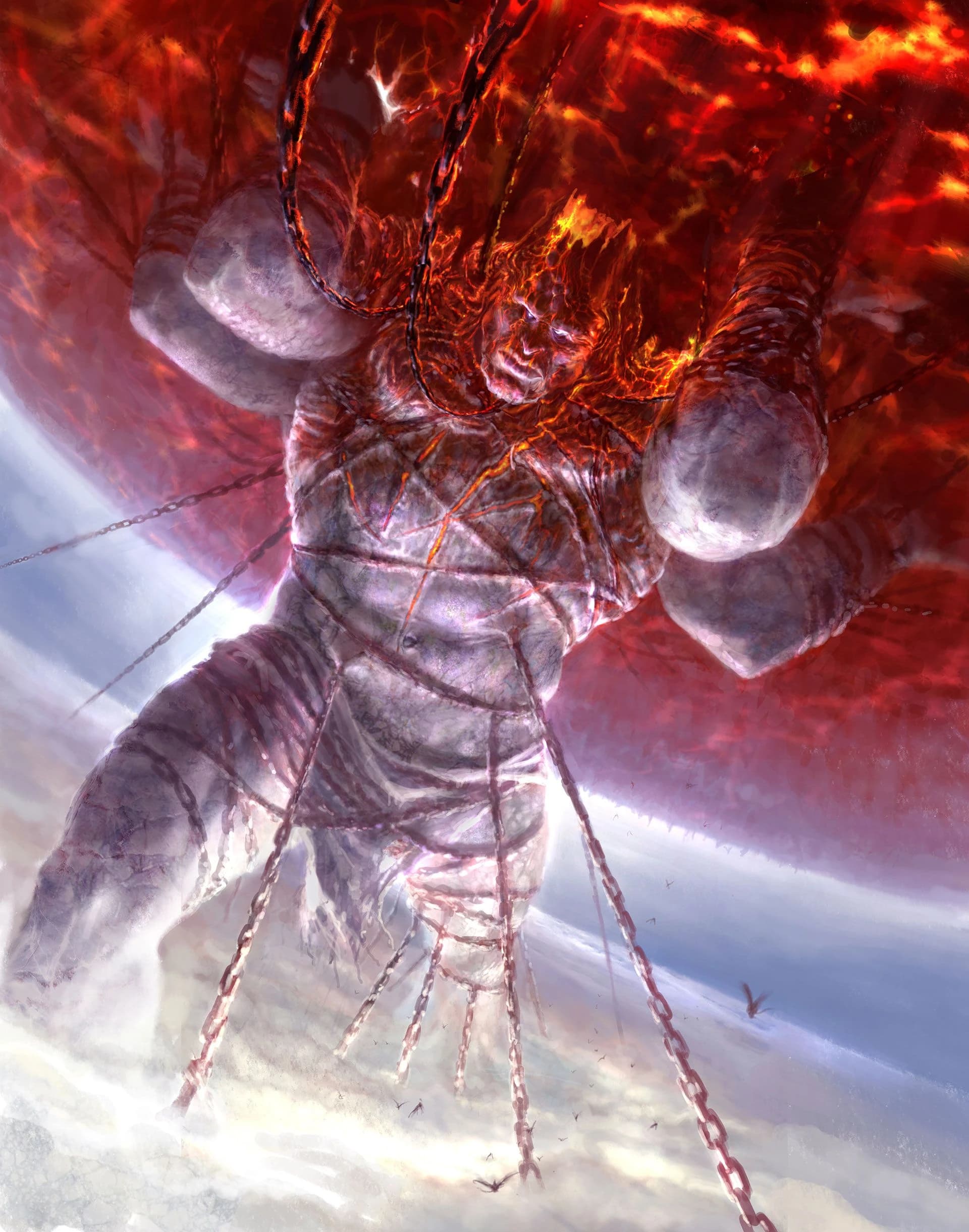
Atlas: the Titan who holds up the world
Four-armed general of the Titans and the strongest of them. Kratos condemned him to carry the world on the Pillar of the World, then took his help.
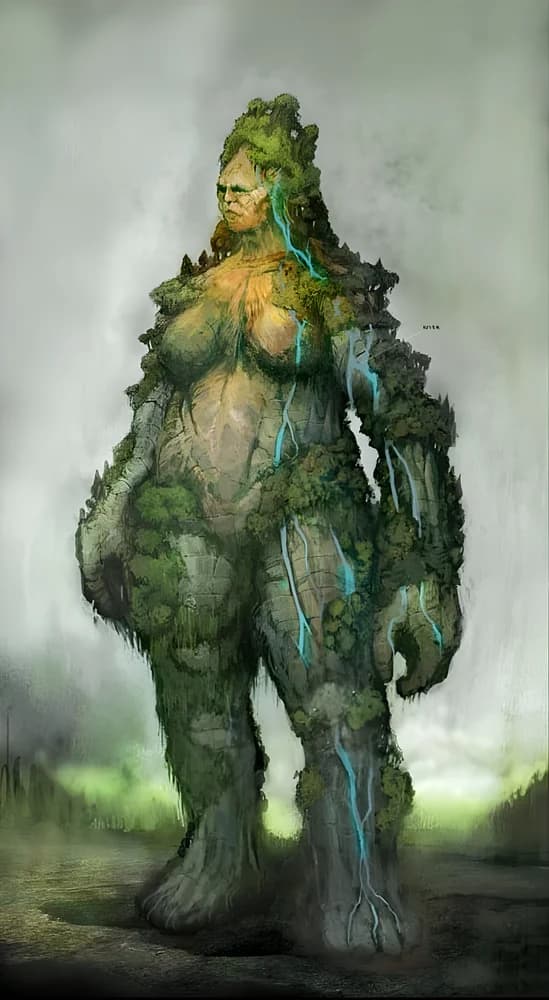
Gaia: Mother Earth, betrayed by Kratos
Gaia bore the Titans, hid the infant Zeus from Cronos, and allied with Kratos against Olympus. He ran the Blade of Olympus through her heart.

Helios: the sun god Kratos beheaded
Kratos once saved Helios from the Titan Atlas. Years later he tore the sun god's head from his body and carried it through Olympus as a lantern.

Persephone: the queen who wanted it over
Forced into marriage with Hades, Persephone set out to end the Greek world and herself with it. Kratos struck her down at the Pillar of the World.

Zeus
Zeus was the King of Olympus and ruler of the Greek Pantheon, the youngest son of Cronos who freed his siblings, ended the Great War, and claimed the heavens. Father of Kratos, he became the great antagonist of the Greek age and fell at last to the very son he had tried to destroy.
Mentioned in13 entries
Boreas
Boreas was the Olympian God of the North Wind, Storms, and Winter, who led the Chariot of Helios across the sky as the Devouring One. Awakened by Kratos to find the captive Sun God, he lent his name and his frozen power to shrines, weapons, and beasts scattered across the snowbound reaches of Greece.
Calliope
Calliope was the beloved daughter of Kratos and Lysandra, a gentle and innocent child of Sparta. Killed by her father during a frenzy contrived by Ares, she found rest in the Elysium Fields, only for Kratos to be forced to abandon her there to save the world.
Eos
Eos was the goddess of the dawn, sister of Helios and daughter of the Titan Hyperion. When her brother vanished and the world fell to endless sleep, she sent Kratos to find him, her own powers fading with the missing sun.
God of War Story Explained: the Whole Saga from Sparta to Ragnarök
The full God of War story in order, one main game at a time. Kratos serves Ares, kills him, destroys Olympus, starts again in the Norse lands and finally ends Odin, with the Valhalla epilogue as the last word.
God of War Timeline: every major event from the Primordials to Valhalla
The full in-universe chronology of God of War, from the war of the Primordials and the fall of the Titans to Kratos's life in Sparta, his war on Olympus, and the end of the Aesir at Ragnarök. The games give almost no calendar years, so events are ordered by story sequence and grouped into eras, with notes wherever the games' own placement is vague.
God of War: Chains of Olympus Story Explained
The plot of Chains of Olympus in order, from the Persian attack on Attica to Kratos holding his daughter in Elysium and letting her go. Then the ending explained: what Persephone wanted, why Atlas holds up the world, and where it leaves Kratos.
Helios: the sun god Kratos beheaded
Kratos once saved Helios from the Titan Atlas. Years later he tore the sun god's head from his body and carried it through Olympus as a lantern.
Hoplite: the undead soldiery of the dead lands
The Hoplites were undead soldiers of the Greek world, skeletal corpses clad in the armor of Greece that fought with twin swords. Kratos cut through their ranks in Asphodel, in the depths of Tartarus, and even in the Elysium Fields, where their stronger breeds bore shields of bronze and iron.
Land of Morpheus: the Realm of Dreams
The Land of Morpheus was the realm of the Greek God of Dreams, a parallel world of eternal night where imagination and reality converged and time ran distorted. Mortals knew its touch through the curse of the living sleep, and when Helios was torn from the sky, Morpheus nearly seized permanent power over gods and men.
Monster: the beasts of the mythic world
Monsters, also called Beasts, were the hostile creatures of the mythic world, beings that could be counted neither as mortals nor as gods or Titans. From the minotaurs and gorgons of Greece to the trolls and dragons of the Norse realms, they haunted every land that Kratos ever walked.
Persephone: the queen who wanted it over
Forced into marriage with Hades, Persephone set out to end the Greek world and herself with it. Kratos struck her down at the Pillar of the World.
Primordials: the First Beings in Existence
The Primordials were the first beings to come into existence at the dawn of creation, ancient cosmic forces who predated the Titans and Olympians of Greece and the Jotnar, Aesir, and Vanir of the Nine Realms. From their wars and unions the worlds themselves were formed.
+ 1 more
Get new articles in your inbox
No spam. New lore drops, canon conflicts, and deep dives only when they’re worth reading.
Some links on Lore Fortress are affiliate links. If you buy through them we earn a small commission at no extra cost to you.