Nightmare: the floating eye fiends of the Nine Realms
Nightmares, also called Mares, were floating eyeball like fiends that drifted through the Nine Realms, pelting travelers with darts of magic. Weak alone, they swarmed beside Draugr, Revenants, and Dark Elves, and the worst of them crawled inside other creatures and wore them as living armor.
The Nightmares, known also as Mares, were floating eyeball like fiends that infested the Nine Realms in the last age of the Aesir. They were pest creatures rather than great predators, drifting through the air and spitting darts of magic at anything that crossed their path, and Kratos and Atreus swatted them from the sky in nearly every land they walked. Alone a Nightmare was a nuisance. In swarms, or in the company of Draugr, Revenants, and Dark Elves, the little fiends became something far more dangerous. (God of War (2018); God of War Ragnarök)
The mare of old stories#
The Nightmares took their name from an older creature of northern telling, the Mare, a malicious being said to ride on a sleeper's chest through the night, feeding off their fears and bringing on the bad dreams that came to bear its name. The floating fiends of the realms were the waking heirs of that legend, small horrors that seemed built from dread itself. (God of War (2018))
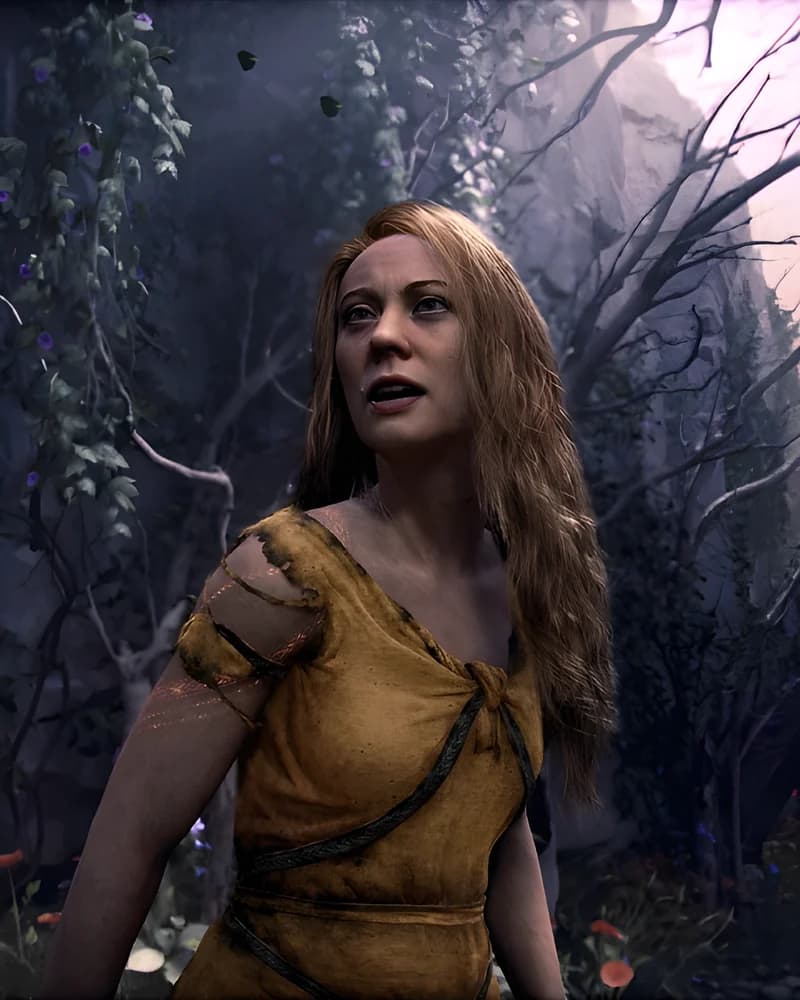
Faye used to tell her son stories about the Nightmares, at least until the boy began having nightmares of his own. Atreus was embarrassed by that, but his mother told him bad dreams were simply another part of life, and that sometimes there was "beauty in the horror." She saw the upside in everything, her son later recalled, even in creepy little floating eye monsters. When Atreus came to keep his own record of the creatures he and his father fought, he set that memory of her down beside his account of the fiends themselves. (God of War (2018))
Fiends of the floating eye#
A Nightmare was little more than a great disembodied eye held aloft by its own foul magic, trailing wisps of shadow as it drifted. It attacked from the air, loosing volleys of magical projectiles at travelers below, and a wide variety of the creatures could be found across the realms. Each Nightmare was weak, easily broken by a single solid blow or a well aimed arrow, and by themselves they posed no grave threat to travelers. They were, by every account that survives, profoundly irritating instead, chipping at wanderers from odd angles and retreating out of reach. (God of War (2018); God of War Ragnarök)
Their true danger lay in company. Nightmares rarely hunted alone. Revenant summoners could call them into being to screen their own attacks, and the fiends fought alongside Revenants, Draugr, Dark Elves, and the frost bound Hel-Walkers, who commanded the swarms and turned a cloud of pests into a coordinated assault. Under such direction the Nightmares became cunning, harrying a warrior from above while heavier foes closed in, and Kratos learned to cut them from the air quickly before their masters could put them to use. (God of War (2018))
The many breeds#
The Nightmares came in several breeds, and each carried its own affliction in its magic. The common kind flung raw bolts of sorcery. Fire Nightmares spat fireballs that seared whatever they touched. Ice Nightmares wielded the same power of frost the Hel-Walkers carried out of Helheim, and their bolts dragged at the limbs of those they struck, slowing sword arm and stride alike. Gloom Nightmares were stranger still, able to blind their enemies for a short while, a power Atreus greeted with weary disbelief, having thought the creatures could not possibly get any worse. A later chronicler allowed that the Gloom breed was aptly named, and noted that a few well aimed strikes from a distance would end its bothering for good. (God of War (2018); God of War Ragnarök)
Two breeds stood apart from the rest. The Exploding Nightmare swarmed in close and then burst, destroying itself to wound its enemy. Why the creatures gave themselves up in this way was never settled. Atreus wondered whether they were all part of some kind of hive mind, and the later record reached much the same conclusion, judging the Exploding kind perhaps the deadliest of all the breeds and guessing that the fiends operated as a single consciousness, one that reckoned the loss of a few worthwhile for the good of the many. (God of War (2018); God of War Ragnarök)
The Nightmare Parasite was the most feared of the family, not for its strength but for what it did. These fiends could burrow into Draugr and other creatures and possess them outright, making the host stronger and knitting its wounds closed for as long as the parasite remained inside. Only a heavy blow could drive the fiend out and leave the host mortal again. Atreus, recording the breed, found himself troubled by a question he could not answer, whether the possessed creature kept any control over its own actions or was simply trapped inside some horrific waking nightmare. The later chronicler was blunter, calling the Parasite not the most life threatening of the breeds but certainly the most terrifying, and declaring that any creature that saw fit to take over the mind of another deserved swift retribution. (God of War (2018); God of War Ragnarök)
Nests across the realms#
Through the long winter that preceded Ragnarok, the Nightmares endured and spread, and they remained enemies of Kratos and Atreus to the end. The fiends could make their nests in any Realm, and few corners of the World Tree escaped them. They haunted the wilds of Midgard and drifted through the caverns of Svartalfheim. In Jotunheim, the hollow called Idi's Sinkhole, where Angrboda had long gathered the dyes for her paintings, fell so completely to Draugr and Nightmare nests that she stopped visiting it altogether. (God of War (2018); God of War Ragnarök)
By the years of Fimbulwinter the creatures had been catalogued so thoroughly that the bestiary of that time gave them one of its shortest entries: "Nightmares, ugh! What awful pests. Entry complete." (God of War Ragnarök)
Sources
- GameGod of War (2018), Santa Monica Studio, 2018
- GameGod of War Ragnarök, Santa Monica Studio, 2022
Spotted a factual error or a primary source we missed? Email a correction. Every flagged claim gets reviewed.
Followed from this entry
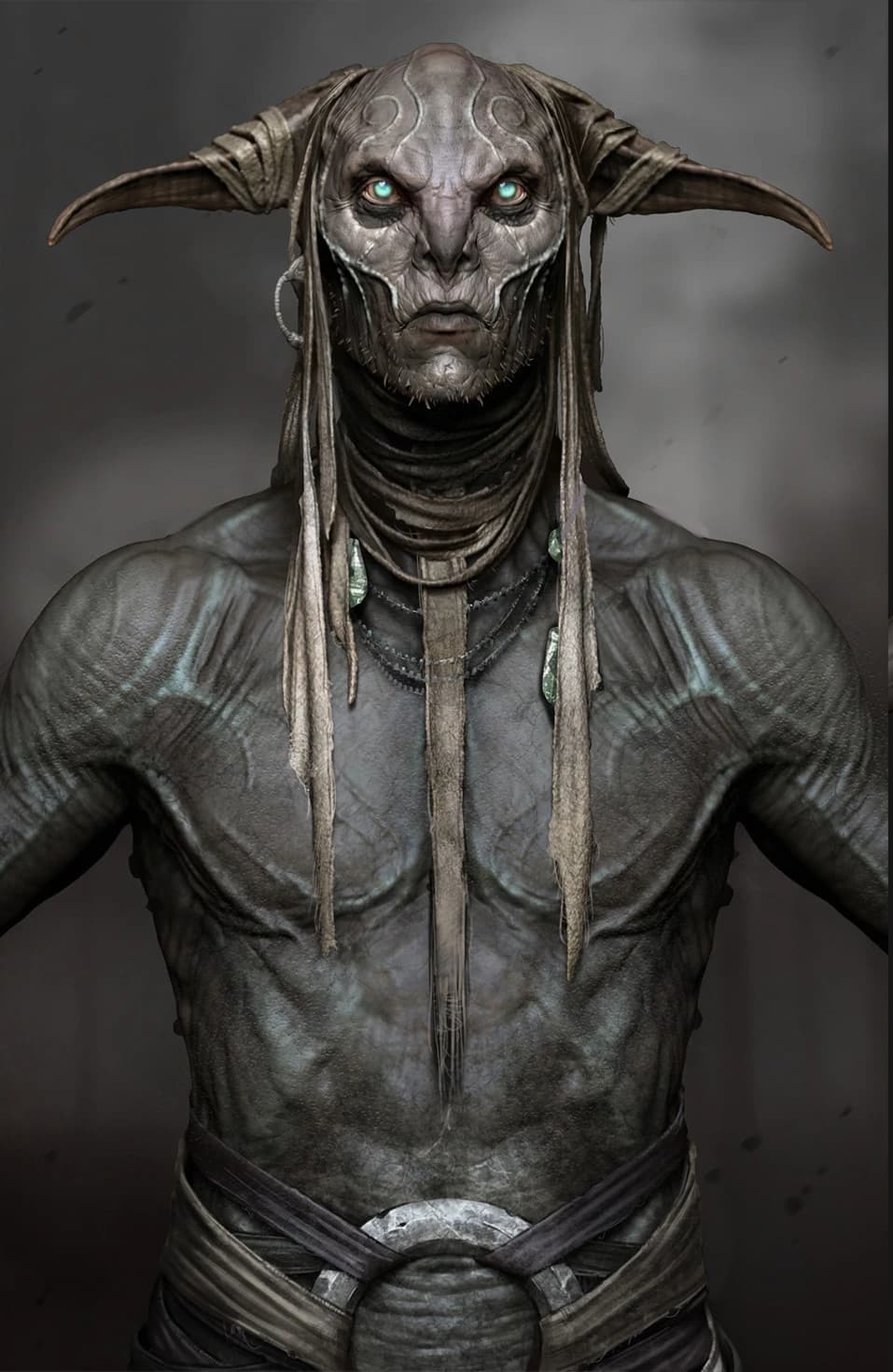
Dark Elves: Alfheim's insectoid Dokkalfar
The Dokkalfar nested in the dark caves of Alfheim and fought the Light Elves for the Light. Their war ran on until the days of Ragnarok ended it.
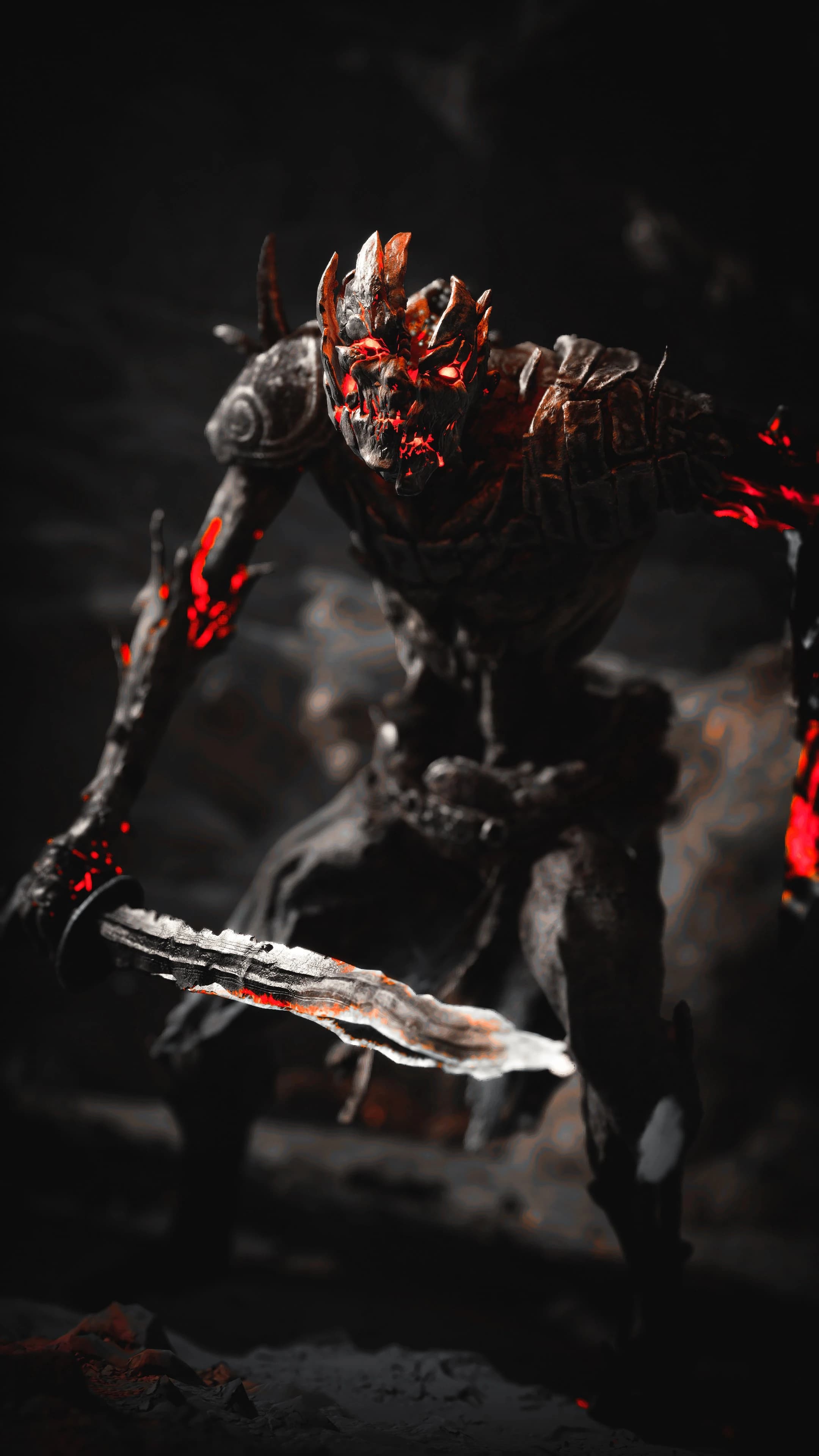
Draugr
The Draugr were undead warriors who died in battle yet refused the Valkyries' call to Valhalla, condemned to roam the Nine Realms as raging husks of their former selves. They were among the most common dangers Kratos and Atreus faced in the Norse lands.
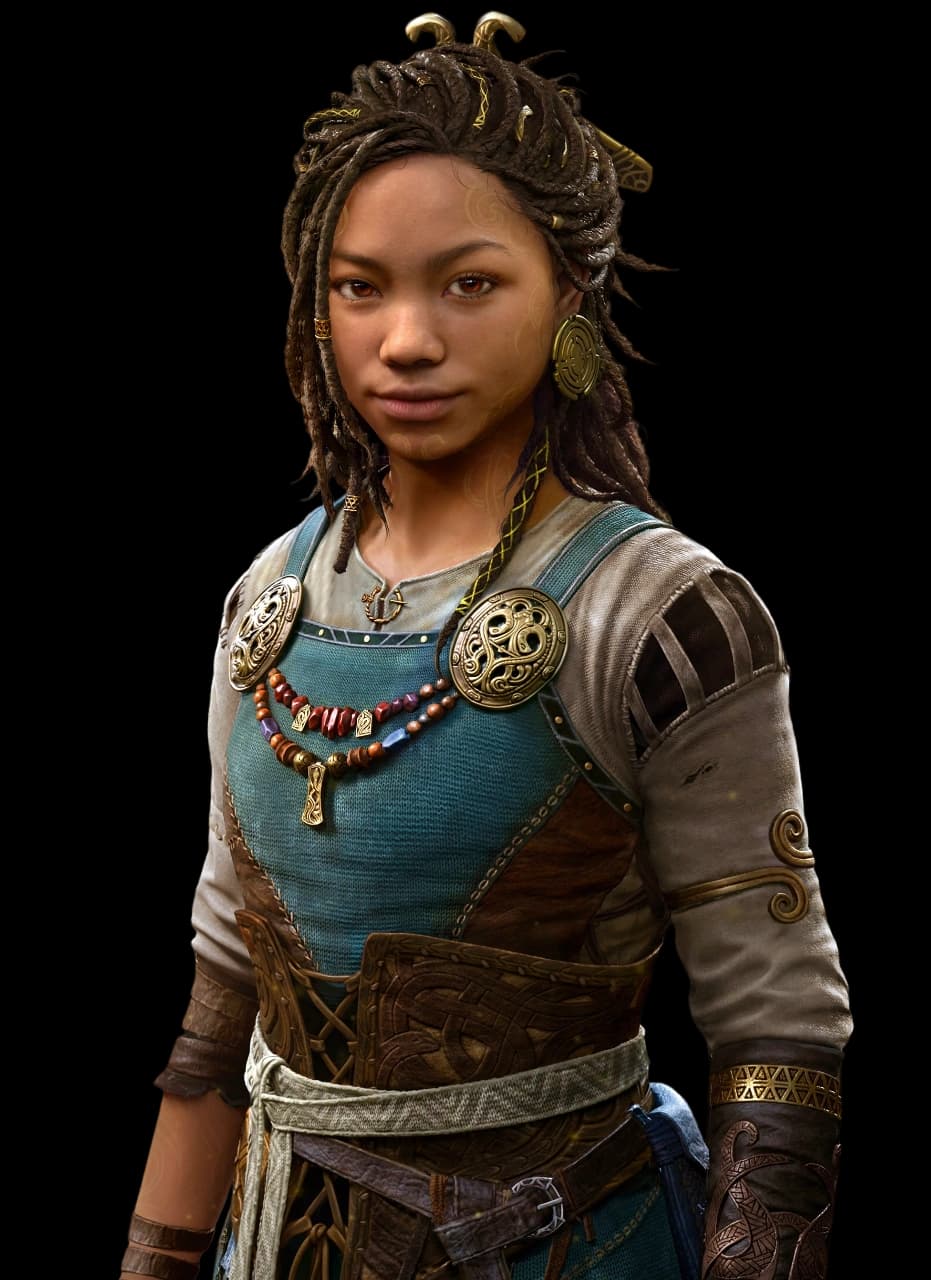
Angrboda: the last giantess of Ironwood
Angrboda grew up almost alone in Ironwood, painting the prophecy of Ragnarok. She gave Atreus the soul marbles of the lost Giants and made him their keeper.
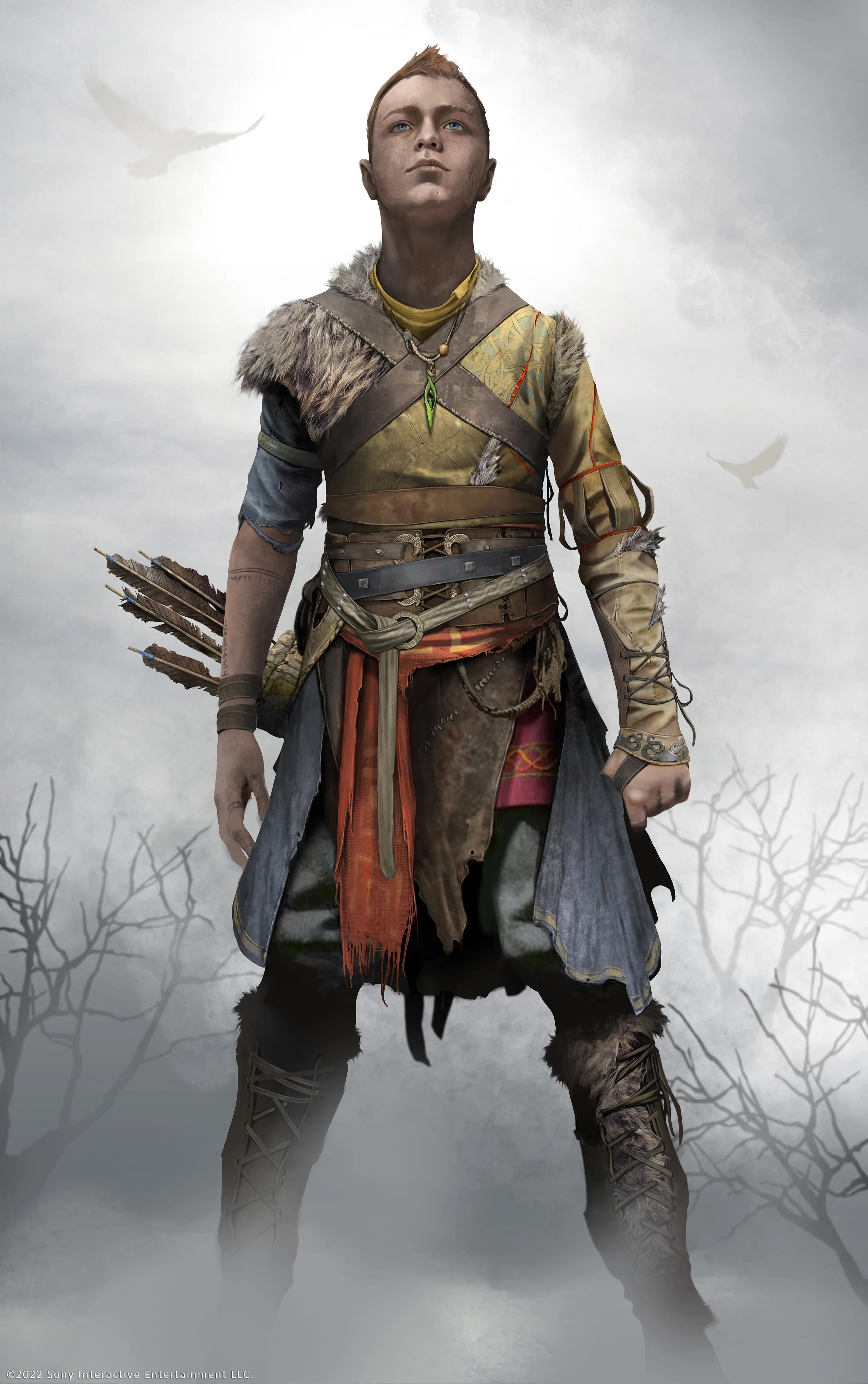
Atreus (Loki): Kratos's Son and the Truth of His Name
Atreus was the son of Kratos and the Jotunn Faye, born in Midgard and given the hidden name Loki. Across two great journeys he grew from a sickly boy into the prophesied champion of the Giants, the god of mischief whose fate was bound to Ragnarok.
Faye: Laufey the Just, mother of Atreus
Faye was the Jotunn Laufey, wife of Kratos and mother of Atreus. Her foresight showed her own death, so she planned the route her ashes would take.
Fimbulwinter: the three-year winter
Fimbulwinter was the three-year winter that began with Baldur's death and ended with Ragnarok. Being magical, it weakened curses across the Nine Realms.
Mentioned in1 entry
Get new articles in your inbox
No spam. New lore drops, canon conflicts, and deep dives only when they’re worth reading.
Some links on Lore Fortress are affiliate links. If you buy through them we earn a small commission at no extra cost to you.