Nemesis Whip
the electrified blades torn from Hephaestus
The Nemesis Whip was a weapon of paired chains tipped with claw-like daggers, crafted by Hephaestus from the Omphalos Stone. Intended to kill Kratos, it was instead turned against its maker and wielded by the Ghost of Sparta.
The Nemesis Whip was a weapon of paired chains, each ending in three claw-like daggers wreathed in a teal aura of crackling lightning. It was crafted for Kratos by the smith god Hephaestus from the Omphalos Stone, though the weapon was born of treachery, forged as the instrument of Kratos' death and turned instead against the one who made it. (God of War III)
Forging and betrayal#
The Nemesis Whip was crafted for Kratos by Hephaestus after the Spartan brought him the Omphalos Stone, the decoy that Cronos had long ago swallowed mistaking it for the infant Zeus. The smith god, however, did not intend the weapon as a gift. He meant to use the whip as a conduit for his own power and turn it against Kratos in an attempt on his life. Kratos threw off the attack, wrested the whip against its maker, and killed Hephaestus with the very weapon forged to destroy him. (God of War III)
Form and power#
The whip consisted of a pair of chains, each ending in three claw-like daggers that gave off a teal aura. When deployed, the daggers extended outward from a connecting pommel, flailing in a whirlwind of blades that could strike many times in a single sweep while channeling electrical energy into its targets. After taking the weapon, Kratos used it to power the bridge that granted him passage into Daedalus' Chamber. (God of War III)
Destruction#
Like nearly all of the weapons Kratos carried in his final war, the Nemesis Whip was destroyed by Zeus in his astral form during the King of Olympus' last attempt to defeat his son. Having been forged within the span of those final events, the whip endured only a short time before its end. (God of War III)
Frequently asked questions
- What was the Nemesis Whip?
- The Nemesis Whip was a weapon made of a pair of chains, each ending in three claw-like daggers, that crackled with electrical energy. Hephaestus forged it for Kratos from the Omphalos Stone.
- Why did Hephaestus make the Nemesis Whip?
- Hephaestus crafted the whip after Kratos brought him the Omphalos Stone, but he secretly intended to use it as a conduit for his own power to kill Kratos. The Spartan threw off the attack and turned the weapon against him.
- What happened to the Nemesis Whip?
- After slaying Hephaestus, Kratos used the whip to power the bridge into Daedalus' Chamber. Like nearly all his weapons, it was ultimately destroyed by Zeus in his astral form during their final battle.
Sources
- GameGod of War III, Santa Monica Studio, 2010
Spotted a factual error or a primary source we missed? Email a correction. Every flagged claim gets reviewed.
Followed from this entry

God of War Weapons List: the Name of Every Weapon Kratos Has Used
Kratos has carried two dozen weapons across two lifetimes, from a Spartan spear to a spear built from a ring that copies itself. This list runs through them in the order he got them, Greek era first, then Norse.
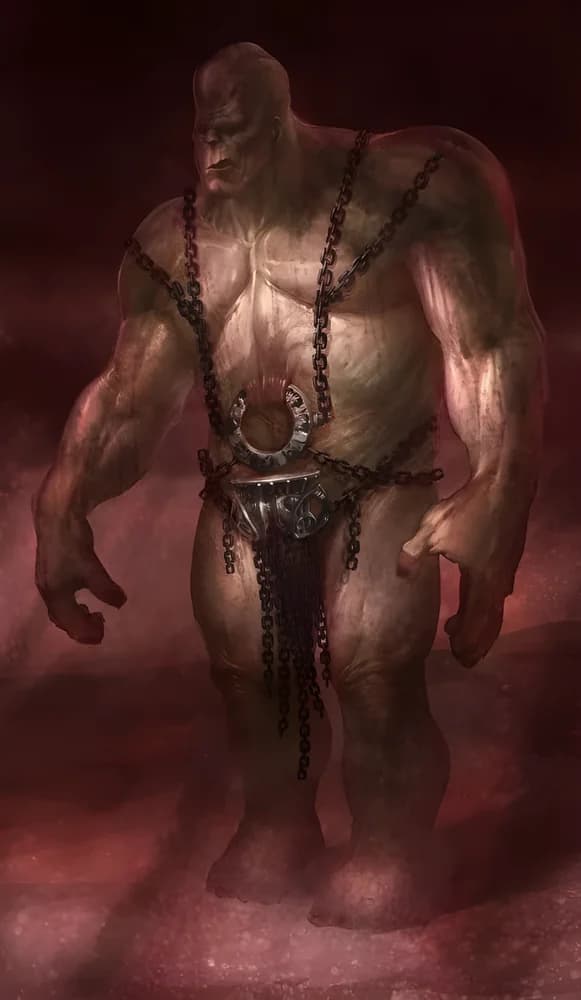
Cronos: the Titan who ate his children
Warned that his own children would depose him, Cronos swallowed each at birth. Rhea hid Zeus, Zeus deposed him anyway, and Kratos finished him.
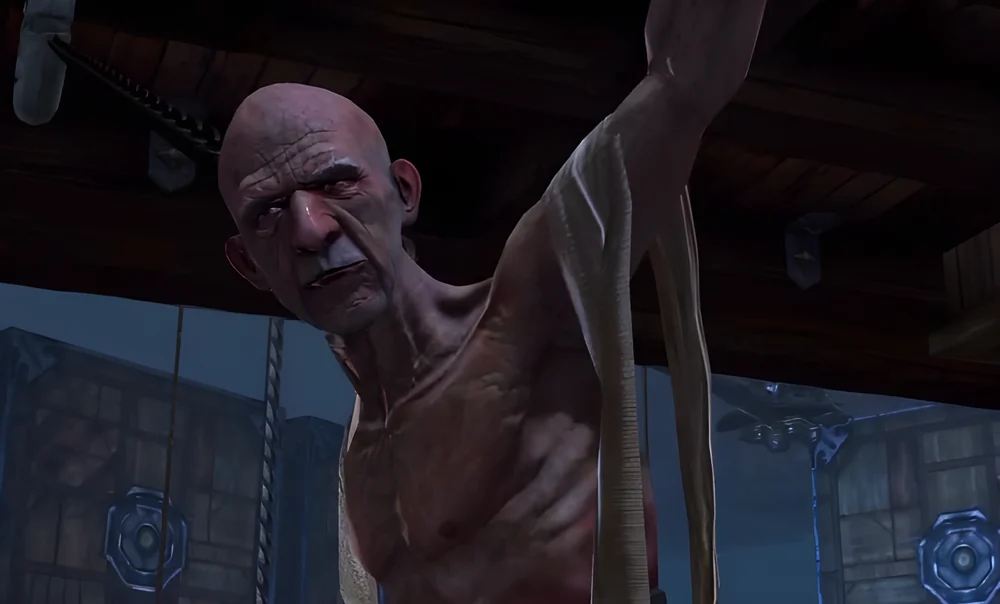
Daedalus
Daedalus was the master craftsman of Athens who built the great Labyrinth for Zeus in return for the promise of his lost son Icarus. Driven to madness in years of servitude and chained within his own creation, he was crushed when Kratos set the Labyrinth turning, and died grateful at last to be free.
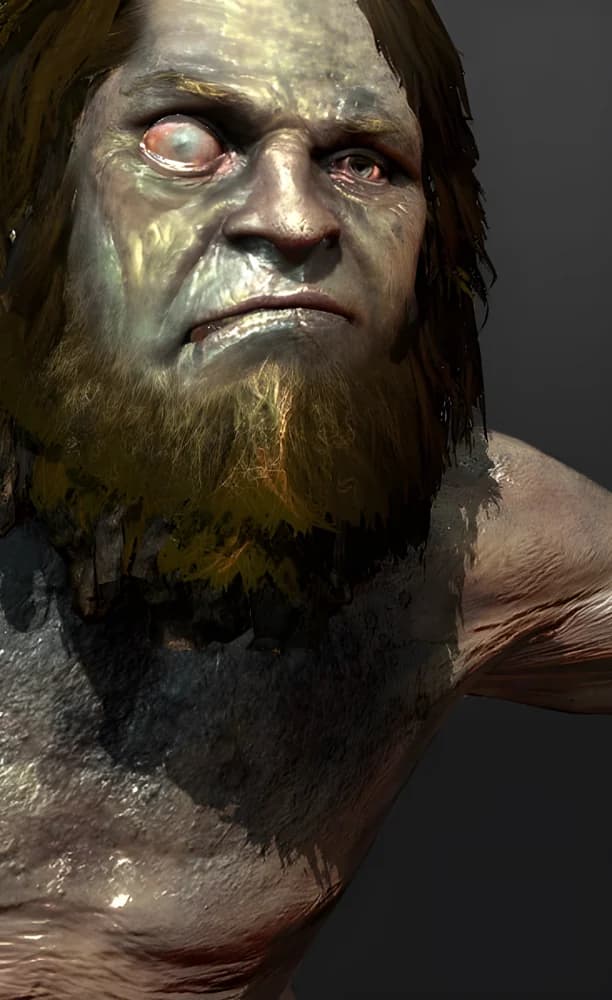
Hephaestus: the smith who made the Blades
He forged Pandora's Box for Zeus and the Blades of Chaos for Ares, and lost everything for it. Kratos killed him in the Underworld, defending his daughter.
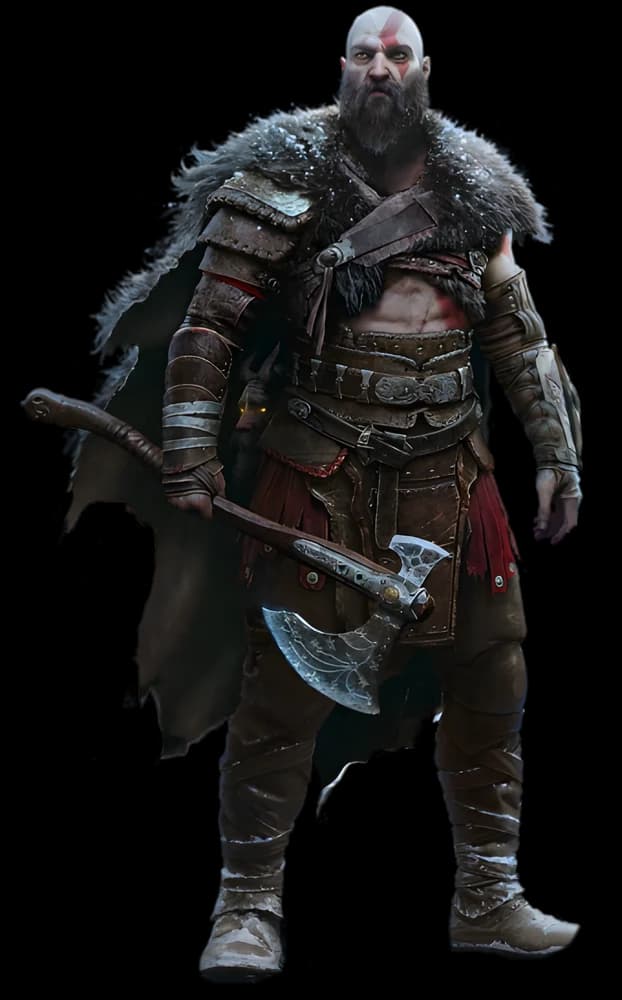
Kratos
Kratos was the demigod son of Zeus who rose from a Spartan general to the Greek God of War, destroyed the pantheon of Olympus in a quest for vengeance, and then began again in the Norse realms as a father seeking to leave his bloody past behind.
Nemesis: the goddess of retribution
Nemesis was the Greek goddess of retribution and revenge, who enacted punishment upon those who fell to hubris before the gods. Though she never appeared, the weapon called the Nemesis Whip was named for her and forged as an instrument of vengeance against Zeus.
Mentioned in6 entries
God of War III Story and Ending Explained: Plot Summary
The whole story of God of War III in order, from the Titans' climb up Mount Olympus to the death of Zeus. Then the ending in plain terms: why Kratos drove the Blade of Olympus into himself, what Athena wanted, and where that trail of blood leads.
God of War Weapons List: the Name of Every Weapon Kratos Has Used
Kratos has carried two dozen weapons across two lifetimes, from a Spartan spear to a spear built from a ring that copies itself. This list runs through them in the order he got them, Greek era first, then Norse.
Hephaestus: the smith who made the Blades
He forged Pandora's Box for Zeus and the Blades of Chaos for Ares, and lost everything for it. Kratos killed him in the Underworld, defending his daughter.
Nemesis: the goddess of retribution
Nemesis was the Greek goddess of retribution and revenge, who enacted punishment upon those who fell to hubris before the gods. Though she never appeared, the weapon called the Nemesis Whip was named for her and forged as an instrument of vengeance against Zeus.
Omphalos Stone: the rock Cronos swallowed instead of the infant Zeus
The Omphalos Stone is the stone swapped for the newborn Zeus and swallowed by Cronos. Kratos cut it out of the Titan's stomach in God of War III, and Hephaestus forged it into the Nemesis Whip.
Tartarus: the abyss that caged the Titans
Tartarus was the deepest pit of the Underworld, and in Greek myth one of the first beings. Zeus bound the Titans there, and Kratos killed Cronos in its depths.
Get new articles in your inbox
No spam. New lore drops, canon conflicts, and deep dives only when they’re worth reading.
Some links on Lore Fortress are affiliate links. If you buy through them we earn a small commission at no extra cost to you.