Clotho
Spinner of the Threads of Fate
Clotho was the youngest of the three Sisters of Fate, the spinner who began each life and decided who would be born. Dwelling in the Loom Chamber of the Palace of the Fates, she warned Kratos against tampering with destiny, and when he defied her she became the only sister he killed in the flesh.
Clotho was the youngest of the three Sisters of Fate, the spinner of the threads of life who decided who would be born and when. Set apart from her sisters Lahkesis and Atropos by her gravity and her sense of order, she guarded the Loom Chamber of the Palace of the Fates until Kratos came to seize the threads and remake his own fate. (God of War II)
The spinner of life#
Clotho was the youngest of the three Sisters of Fate and the spinner of the threads, often called the threads of life. She began each life and chose who would be born and when, and through her threads all living things came into the world. In Hesiod's account the Fates are daughters of Nyx, the night. In the games she and her sisters made their home on the Island of Creation, the birthplace of the Titans, and stayed on as its rulers after the Titans left to reign over the wider world. (God of War II; Theogony)
When Cronos learned from his mother Gaia that he would one day be overthrown by his own children, he sought the favor of the Fates and gifted Clotho and her sisters the Steeds of Time, the great beasts that pulled their island back from the edge of the world. The gift bought him nothing. The sisters left his destiny as it was, and the gods overthrew the Titans as foretold. (God of War II)
The Steeds of Time and Kratos#
Ages later, after Zeus betrayed and killed Kratos, the Titan Gaia told the Spartan that only the Sisters of Fate could let him change what had happened. He crossed to the Island of Creation, freed the Steeds of Time to bridge the way to the Palace of the Fates, and fought his way inside. (God of War II)
The Loom Chamber#
When Kratos came to the Palace of the Fates to change his fate, Clotho sensed his approach and warned her sisters. After he had trapped Lahkesis and Atropos within a mirror, the Spartan descended to the Loom Chamber where Clotho resided. She warned him to turn back, telling him that all life was born through the threads she spun and that to tamper with them was to destroy everything. Unlike her sisters, she offered Kratos the chance to relent. (God of War II)
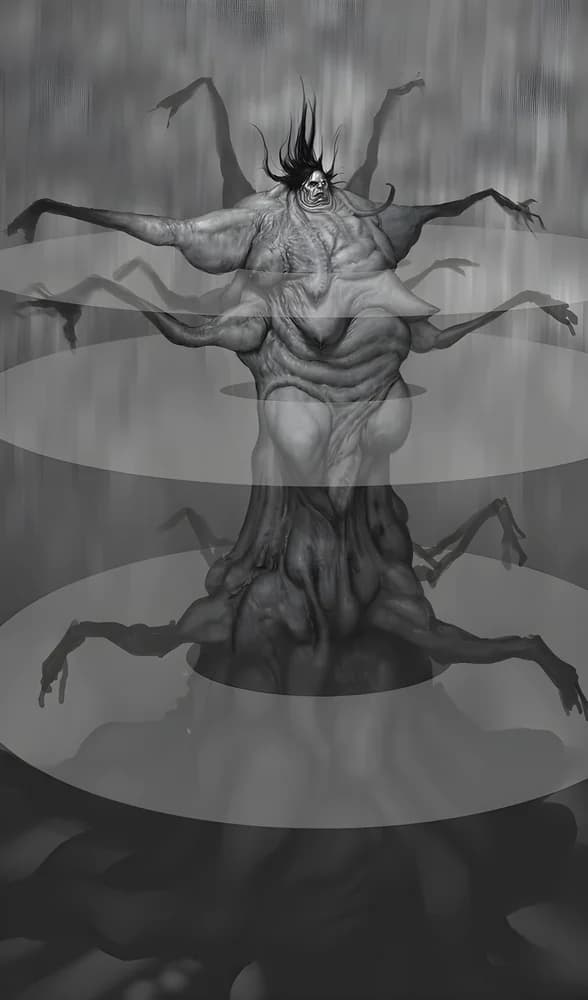
Kratos defied her, and Clotho summoned cyclopes, minotaurs, sirens, and gorgons to bar his way. When these failed she took the fight into her own hands, lashing out with her many arms across every level of her apparatus, but Kratos subdued each limb in turn. At the last she faced him at the top of the chamber, and after she dealt the Spartan heavy harm he disabled her arms and met her end by impaling her skull on a great swinging, blade-like pendulum drawn from her own machinery. So Clotho became the only Sister of Fate to be physically killed, while Lahkesis and Atropos remained alive but trapped in the past. Even after her death her consciousness lingered, and as Kratos used the threads to travel back in time her disembodied voice taunted him that he would never find his own thread. (God of War II)
Nature and bearing#
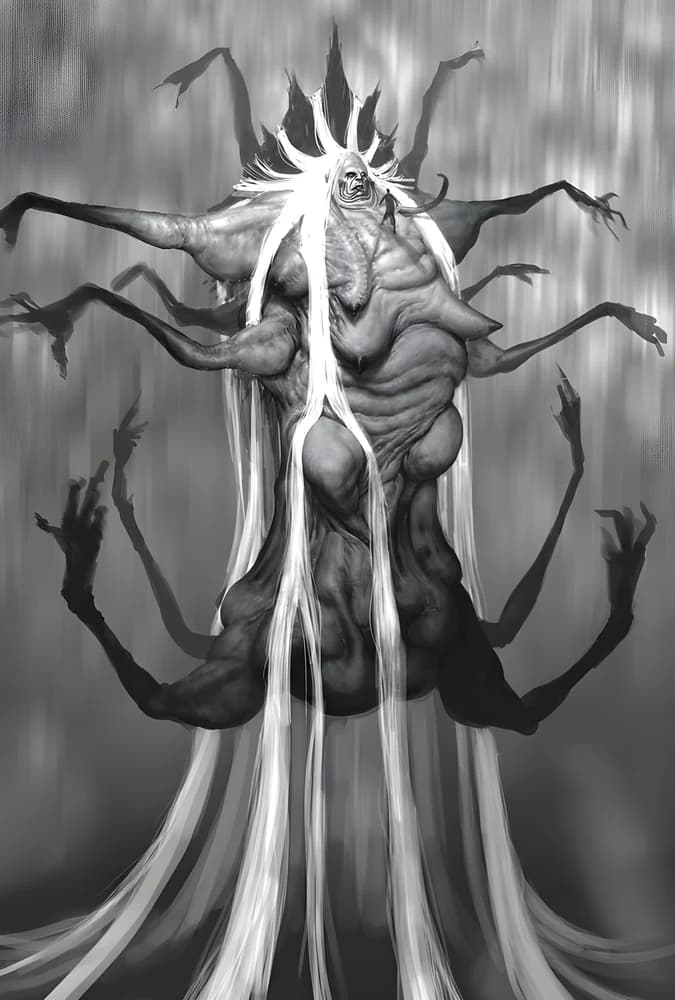
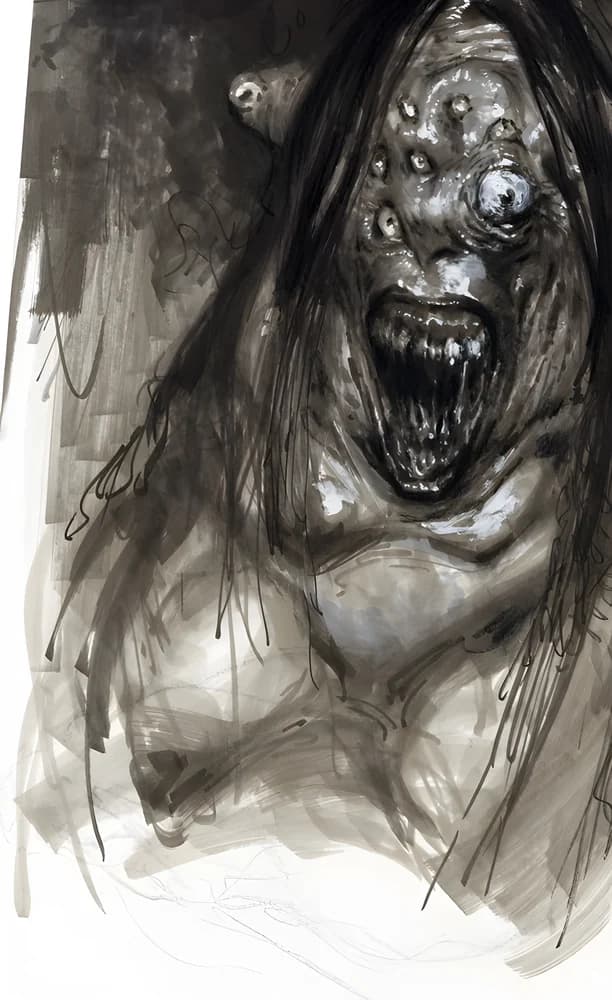
Clotho took her role as the creator of life with utter seriousness, unlike her sisters, who toyed with the destinies of mortals. She believed fate absolute and her own judgments beyond question, and held mortals, even demigods, powerless against her will. Yet she alone among the three showed a measure of care for the consequences of changing the course of events, and alone offered Kratos the mercy of turning back before the end. In form she was the largest of the sisters and the youngest, resembling a vast silkworm with scaled, heavy skin, two sets of arms, and long white hair beneath a crown set with blue silver. (God of War II)
Frequently asked questions
- Who is Clotho in God of War?
- Clotho was the youngest of the three Sisters of Fate and the spinner of the threads of life, the one who decided who would be born and when. She began each life, and she guarded the Loom Chamber of the Palace of the Fates.
- How did Kratos kill Clotho?
- After Clotho's summoned monsters failed to stop him, she fought Kratos with her many arms across her apparatus, and he subdued each limb in turn. He disabled her arms and impaled her skull on a great swinging, blade-like pendulum drawn from her own machinery.
- Why is Clotho the only Sister of Fate Kratos killed?
- Clotho was the only Sister of Fate to be physically killed by Kratos, who impaled her skull on a pendulum from her own apparatus. Lahkesis and Atropos remained alive but trapped in the past after he sealed them within a mirror.
- What were the Steeds of Time?
- The Steeds of Time were a gift from the Titan Cronos to Clotho and her sisters, an attempt to win their favour and change the destiny the Oracle had foretold for him. It failed. Kratos later freed the Steeds to reach the Palace of the Fates.
- What did Clotho warn Kratos about in the Loom Chamber?
- Clotho warned Kratos to turn back, telling him that all life was born through the threads she spun and that to tamper with them was to destroy everything. Unlike her sisters, she offered him the chance to relent before the battle.
Gallery
Images via God of War Wiki
Sources
- GameGod of War II, Santa Monica Studio, 2007
- BookTheogony, Hesiod, around 700 BC
Spotted a factual error or a primary source we missed? Email a correction. Every flagged claim gets reviewed.
Followed from this entry
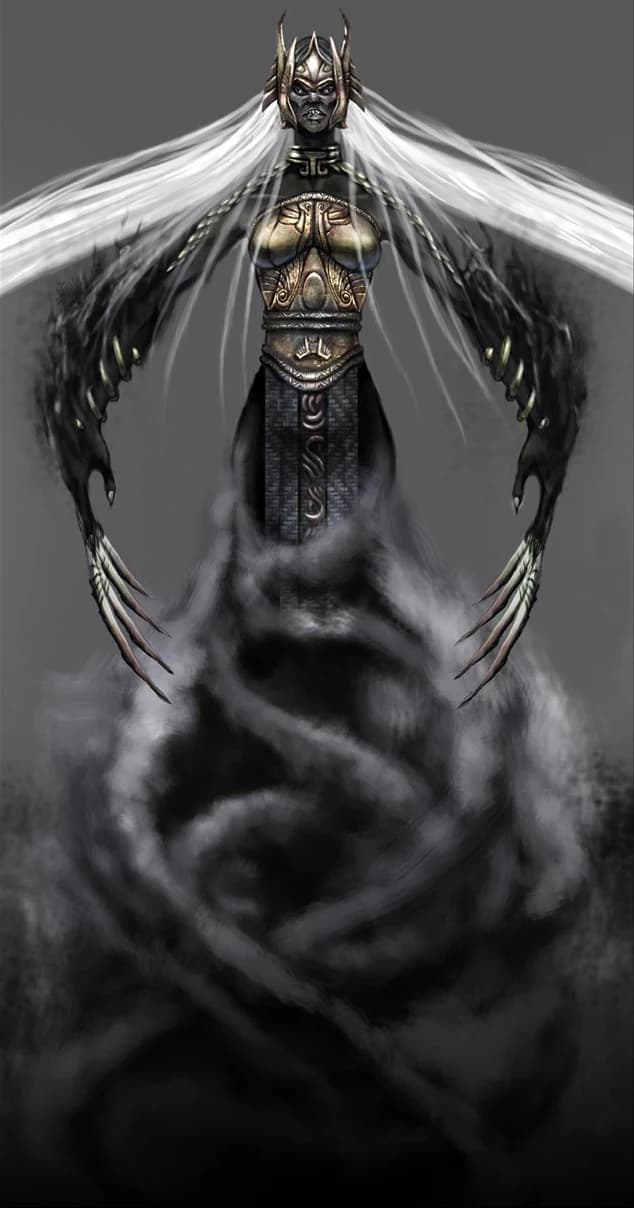
Atropos
Atropos was the eldest and cruelest Sister of Fate, the cutter who ended every life with her razor claws. She dragged Kratos into his own past to undo him, but the Spartan turned her sisters against one another and sealed her within a shattered mirror.
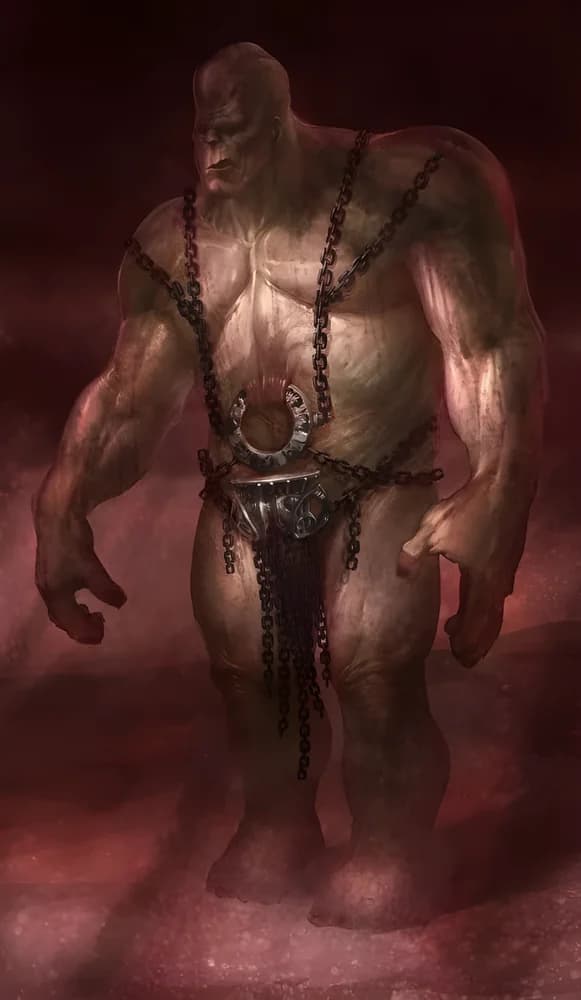
Cronos: the Titan who ate his children
Warned that his own children would depose him, Cronos swallowed each at birth. Rhea hid Zeus, Zeus deposed him anyway, and Kratos finished him.
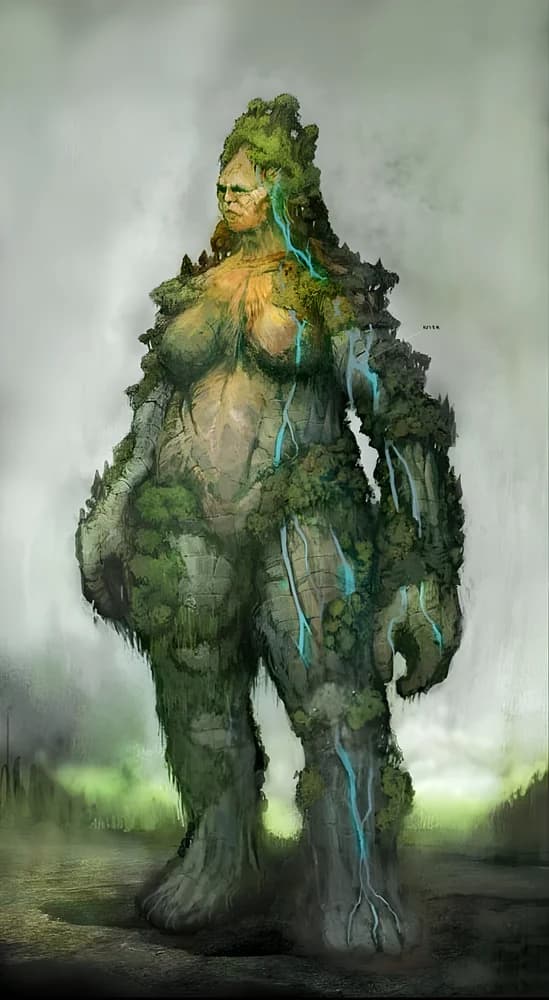
Gaia: Mother Earth, betrayed by Kratos
Gaia bore the Titans, hid the infant Zeus from Cronos, and allied with Kratos against Olympus. He ran the Blade of Olympus through her heart.
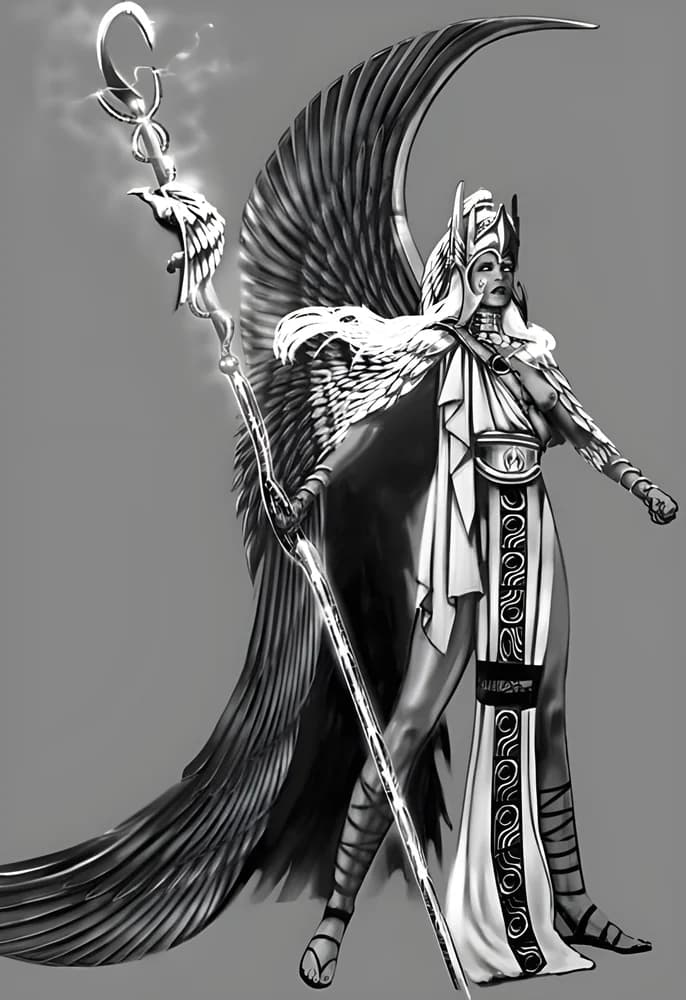
Lahkesis
Lahkesis was the middle Sister of Fate, the measurer who determined the length and course of every life. Loyal to Zeus, she barred Kratos from the Loom of Fate and fought him alongside her sister Atropos before being trapped within a shattered mirror.
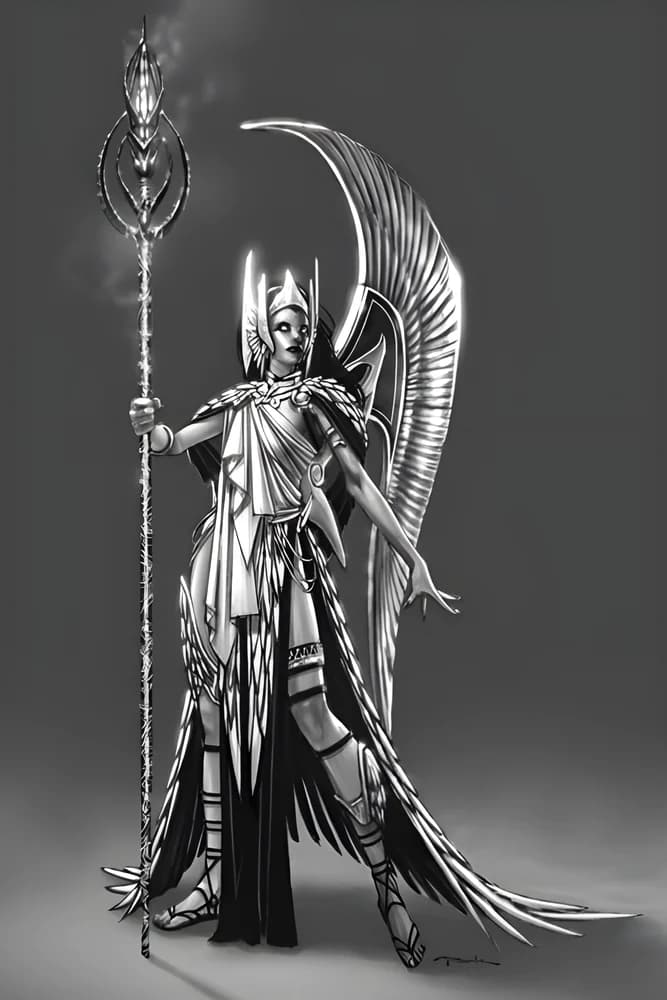
The Sisters of Fate
The Sisters of Fate were three Primordial sisters who held absolute power over time and the destiny of every mortal, god, and Titan. Loyal to Zeus, they stood between Kratos and the Loom of Fate, until he slew them and seized the power to change his own past.
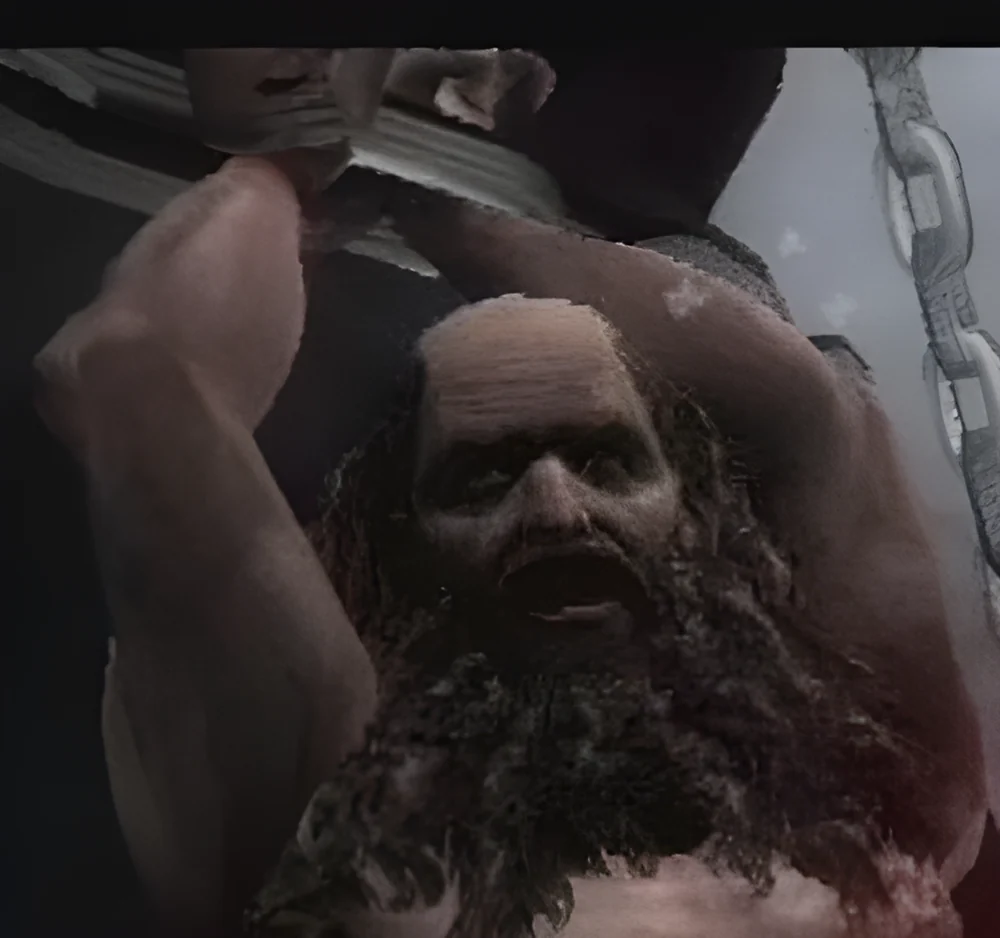
Titans: the elder gods Zeus cast down
Born to Gaia and Ouranos, the Titans ruled the Golden Age under Cronos until Zeus buried them in Tartarus. Kratos later raised them one last time.
Mentioned in8 entries
Atropos
Atropos was the eldest and cruelest Sister of Fate, the cutter who ended every life with her razor claws. She dragged Kratos into his own past to undo him, but the Spartan turned her sisters against one another and sealed her within a shattered mirror.
Erebus: the Primordial of Darkness
Erebus was the Primordial entity of Darkness, one of the first deities born from Chaos in the Void and the brother and consort of Nyx, the Night. His dark mists filled the deep hollows of the earth, his name clung to the netherworld of the dead, and later writers counted the ferryman Charon and the Fates among his children. His own end was never recorded.
God of War II Story Explained: Plot Summary and Ending
The whole story of God of War II in order, from Zeus's betrayal at Rhodes to the Titans climbing Mount Olympus. Then the ending in plain terms: why Athena died, what she told Kratos about his father, and how it sets up God of War III.
God of War Timeline: every major event from the Primordials to Valhalla
The full in-universe chronology of God of War, from the war of the Primordials and the fall of the Titans to Kratos's life in Sparta, his war on Olympus, and the end of the Aesir at Ragnarök. The games give almost no calendar years, so events are ordered by story sequence and grouped into eras, with notes wherever the games' own placement is vague.
Island of Creation: cradle of the Greek world
The Island of Creation was the place where all life in Greece began, lying at the very edge of the world. It became the seat of the Sisters of Fate and one of the most heavily guarded places known to man, until Kratos broke through its defenses, slew its guardians, and left it in ruin.
Lahkesis
Lahkesis was the middle Sister of Fate, the measurer who determined the length and course of every life. Loyal to Zeus, she barred Kratos from the Loom of Fate and fought him alongside her sister Atropos before being trapped within a shattered mirror.
Spear of Destiny
The Spear of Destiny was a magical weapon belonging to the Sisters of Fate, held in reserve for emergencies. Kratos claimed it from the Dark Rider on the Island of Creation, taking up a weapon the novelization says could kill Zeus himself.
The Sisters of Fate
The Sisters of Fate were three Primordial sisters who held absolute power over time and the destiny of every mortal, god, and Titan. Loyal to Zeus, they stood between Kratos and the Loom of Fate, until he slew them and seized the power to change his own past.
Get new articles in your inbox
No spam. New lore drops, canon conflicts, and deep dives only when they’re worth reading.
Some links on Lore Fortress are affiliate links. If you buy through them we earn a small commission at no extra cost to you.