Progenitor Virus: The Ancient Virus Behind Every Resident Evil Outbreak
The Progenitor virus is the source of the T-virus, the G-virus and Uroboros. Here is where Umbrella found it, what it does to the body, and every major virus built from it.
The Progenitor virus is the ancient virus that every Umbrella bioweapon comes from. It lives in a rare flower in West Africa, and it can rewrite and even revive the cells it infects. Umbrella was founded to exploit it, and the T-virus, the G-virus and Uroboros are all engineered strains of it. (Resident Evil 5; Resident Evil 0)
Where the Progenitor virus comes from#
Progenitor comes from a flower. Resident Evil 5's files describe a plant the Ndipaya called the Stairway of the Sun, which only grows in the specific conditions of a garden deep under their ancient city. Eating it was usually fatal. The rare man who survived came out stronger, and the Ndipaya made those survivors their kings. (Resident Evil 5)
The ruins in Resident Evil 5 show the rest. Murals in the caverns show monsters fed with sacrifices, and the Ndipaya eventually left the city above the garden. They kept guarding it into the present day, which is why Chris and Sheva have to fight their way through Ndipaya warriors in the marshes. (Resident Evil 5)
How Umbrella found it#
In 1966 Oswell E. Spencer and Dr. James Marcus went looking for the flower after reading about Ndipaya legends. Brandon Bailey, who later ran Umbrella's African lab, wrote about the trip in his journal. They found the garden, took samples, and on 4 December 1966 isolated the virus they named Progenitor. (Resident Evil 5)
Other games name a slightly different team. Code: Veronica's files list Spencer, Marcus and Edward Ashford as the people behind Progenitor, while Bailey's journal in Resident Evil 5 puts himself on the expedition. The games agree on Spencer and Marcus and treat Ashford as the third founder of Umbrella. (Resident Evil Code: Veronica; Resident Evil 5)
The flower wouldn't grow anywhere else, so Umbrella built a lab inside the garden in the late 1960s and shipped the virus out from there. Umbrella later abandoned it, and Tricell reopened the site, which is where Resident Evil 5 ends. (Resident Evil 5)
How the Progenitor virus works#
Progenitor is unlike any normal virus. Marcus's research, recorded in Resident Evil 0, found it could infect almost any living thing and could repair dead cells. In humans it usually kills. When it doesn't, the person can gain huge strength or intelligence, the way the Ndipaya kings did. (Resident Evil 0; Resident Evil 5)
That unpredictability was the problem. Spencer wanted a virus that could reliably make superhumans, and Umbrella's first move was to start human testing. Spencer's own early strains, called Type A and Type B, were tested on Lisa Trevor and her mother at the Spencer Mansion in 1967. Lisa survived and spent the next 30 years as a prisoner and test subject, as files in the 2002 Resident Evil remake reveal. (Resident Evil)
Viruses built from Progenitor#
Almost every virus in Resident Evil traces back here.
- T-virus: created by Marcus in 1978 by adding leech genes. It keeps the infected alive as zombies rather than killing them. (Resident Evil 0)
- G-virus: discovered by William Birkin in Lisa Trevor's body. Wesker's Report II traces it back to the years of Progenitor experiments on her. (Wesker's Report II; Resident Evil 2)
- T-Veronica: Alexia Ashford's strain, which mixed Progenitor with genes from a queen ant. (Resident Evil Code: Veronica)
- Uroboros: Wesker's 2000s strain, built from Progenitor itself with help from Jill Valentine's antibodies. (Resident Evil 5)
- C-virus: the Resident Evil 6 virus, made from T-Veronica and G-virus material, so a grandchild of Progenitor. (Resident Evil 6)
The Mold of Resident Evil 7 and Village is the one big exception. It's a fungus with its own history, but Village makes a link: Spencer visited Mother Miranda, and her work on the Mold shaped his thinking before Umbrella existed. (Resident Evil Village)
Why the Progenitor virus matters#
Progenitor is the series' origin story in one virus. It explains why Umbrella exists, why the Wesker Project was possible and why Albert Wesker went back to Africa in Resident Evil 5. In a Resident Evil 5 flashback, Spencer tells Wesker he was one of the children bred for a new race made with the Progenitor virus, and that only one of them survived: Wesker himself. That conversation sets up everything Wesker does in his final game. (Resident Evil 5)
Frequently asked questions
- What is the Progenitor virus in Resident Evil?
- An ancient virus found in a flower in West Africa. Umbrella built almost all of its bioweapons from it, starting with the T-virus.
- Who discovered the Progenitor virus?
- Oswell E. Spencer and James Marcus, on an expedition with Brandon Bailey in 1966. The virus was isolated on 4 December 1966.
- Where does the Progenitor virus come from?
- A flower called the Stairway of the Sun, which only grows in an underground garden beneath the lands of the Ndipaya people in West Africa.
- Is the T-virus made from the Progenitor virus?
- Yes. James Marcus created the T-virus in 1978 by mixing Progenitor with leech DNA. The G-virus, T-Veronica and Uroboros all come from Progenitor too.
- Which game explains the Progenitor virus?
- Resident Evil 5 explains the most, through its files and the Ndipaya ruins. Code: Veronica names it first, and Resident Evil 0's files add Marcus's side.
Sources
- GameResident Evil, Capcom, 1996; remade 2002
- GameResident Evil 0, Capcom, 2002
- GameResident Evil 2, Capcom, 1998; remade 2019
- GameResident Evil Code: Veronica, Capcom, 2000
- VideoWesker's Report II, Capcom, 2002
- GameResident Evil 5, Capcom, 2009
- GameResident Evil 6, Capcom, 2012
- GameResident Evil Village, Capcom, 2021
Spotted a factual error or a primary source we missed? Email a correction. Every flagged claim gets reviewed.
Followed from this entry
t-Veronica Virus: Alexia Ashford's Virus in Resident Evil Code: Veronica
The t-Veronica virus is the virus Alexia Ashford made from Progenitor and an ancient ant virus. Here's how it works, why its hosts keep their minds, who was infected with it, and how it led to the C-virus.
G-virus: William Birkin's Virus in Resident Evil 2
The G-virus is the virus that turned William Birkin into the monster of Resident Evil 2. Here is where it came from, why it is worse than the T-virus, what it creates, and where it turned up after Raccoon City.
T-virus: How Resident Evil's Zombie Virus Works
The T-virus is the virus that turns people into zombies in Resident Evil. Here is who made it, how it spreads, what it creates, and every major outbreak from the Spencer Mansion to Raccoon City and beyond.
Uroboros: Albert Wesker's Virus in Resident Evil 5
Uroboros is the black, tentacled virus Albert Wesker planned to release over the whole planet. Here is how he made it, what it does to the people it rejects, and where it showed up again in Revelations 2.
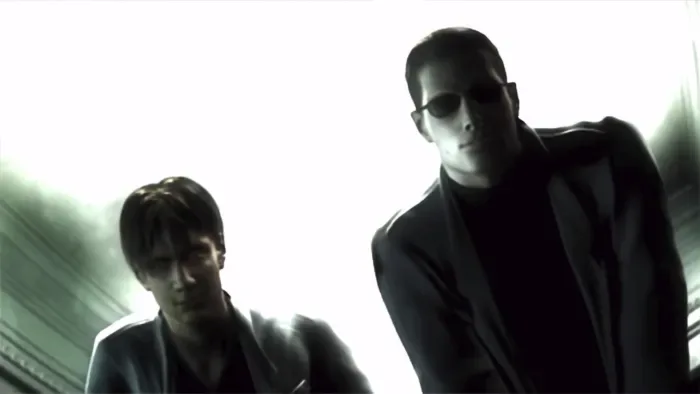
Albert Wesker: the S.T.A.R.S. Captain Who Wanted to Be a God
Albert Wesker led the S.T.A.R.S. team he was secretly sending to its death, came back from the dead with superhuman powers and tried to infect the whole world. This is his full story, how he survived, how he died and his film versions.
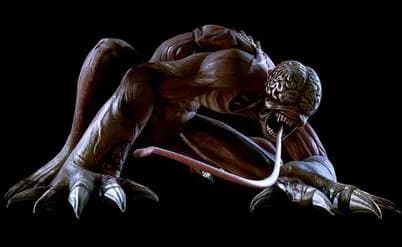
Every Resident Evil Monster and B.O.W., Explained
Every major Resident Evil monster grouped by the virus or parasite that made it, from T-virus zombies, Lickers and Tyrants to the Ganados, the Molded and Requiem's Blister Heads. Each entry says what it is, how it was made and which games it appears in.
Mentioned in23 entries
Albert Wesker: the S.T.A.R.S. Captain Who Wanted to Be a God
Albert Wesker led the S.T.A.R.S. team he was secretly sending to its death, came back from the dead with superhuman powers and tried to infect the whole world. This is his full story, how he survived, how he died and his film versions.
Alexia Ashford: the Creator of the t-Veronica Virus in Code: Veronica
Alexia Ashford is the child genius behind the t-Veronica virus and the final boss of Resident Evil Code: Veronica. Here's who she was, why she slept for fifteen years, how her brother Alfred took her place, and how she died.
Elpis: Spencer's Last Creation in Resident Evil Requiem
Elpis is the secret everyone in Resident Evil Requiem is chasing: Oswell Spencer's final project, sealed in the ARK lab beneath Raccoon City. Here is what it really is, who wanted it and what happens when Grace releases or destroys it.
Every Resident Evil Monster and B.O.W., Explained
Every major Resident Evil monster grouped by the virus or parasite that made it, from T-virus zombies, Lickers and Tyrants to the Ganados, the Molded and Requiem's Blister Heads. Each entry says what it is, how it was made and which games it appears in.
Lisa Trevor: the Girl Umbrella Kept Under the Spencer Mansion
Lisa Trevor is the chained, face-wearing figure who stalks the grounds of the Spencer Mansion in the 2002 Resident Evil remake. She was the architect's daughter, kidnapped as a girl and experimented on for thirty years, and her body gave William Birkin the G-Virus. Here is her whole story, from the games to the 2021 film.
Oswell E. Spencer: the Founder of Umbrella and the Man Behind Resident Evil
Lord Oswell E. Spencer was the British aristocrat who co-founded Umbrella to chase his dream of a new, evolved humanity. He built the mansion from the first game, ordered murders to keep control, and died at Wesker's hand in 2006. Requiem added a last twist. Here is his story.
Resident Evil 0 Story Explained: Plot Summary and Ending
The full story of Resident Evil 0, from the leech attack on the Ecliptic Express to Rebecca Chambers and Billy Coen's escape from Umbrella's old training school, with the ending and the Queen Leech explained.
Resident Evil 5 Story Explained: Plot Summary and Wesker's End
The full story of Resident Evil 5, from Jill Valentine's fall at the Spencer estate to Chris and Sheva's fight with Albert Wesker in a volcano, with the ending and the Uroboros plan explained.
Resident Evil Characters: Every Major Character in the Series
The 40 characters who matter most in Resident Evil, from the S.T.A.R.S. team in the Spencer Mansion to Ethan Winters and Grace Ashcroft. Each entry says who they are, which games they appear in and how their story goes.
Resident Evil Code: Veronica Story Explained
The full story of Resident Evil Code: Veronica, from Claire Redfield's capture in Paris to the Ashford twins, Steve Burnside's fate and Wesker's return, with the ending explained.
Resident Evil Lore Quiz: 15 Questions for Real Fans
Fifteen questions on the Resident Evil story, from the Spencer Mansion and Raccoon City to Rockfort Island, Kijuju and Mother Miranda's village. Every answer comes with a short explanation and a link to the page that covers it.
Resident Evil Requiem Story Explained: Plot Summary and Ending
The full story of Resident Evil Requiem, from Grace Ashcroft's return to the Wrenwood Hotel to Leon and Grace's descent into the ARK beneath Raccoon City, with both endings and the post-credits scene explained.
+ 11 more
Get new articles in your inbox
No spam. New lore drops, canon conflicts, and deep dives only when they’re worth reading.
Some links on Lore Fortress are affiliate links. If you buy through them we earn a small commission at no extra cost to you.