Nydus Worm
the tunneling transport of the Swarm
The nydus worm was a zerg transport strain that tunneled beneath a battlefield to deliver Swarm forces to distant locations. An evolution of the nydus canal, it stretched its own body to line the tunnels it dug and emerged to disgorge zerg warriors far behind enemy lines.
The nydus worm was a zerg transport strain that posed a grave threat to areas previously thought secure. By the Second Great War it had become an evolution of the older nydus canal, a creature that lived within a nest-like structure called the nydus network and could travel from that network to any nearby location its controller could see, carving a tunnel beneath the battlefield as it went. Through these tunnels the Swarm could move its land creatures across any battlefield or landmass, emerging suddenly behind defensive lines that had thought themselves safe. (StarCraft II: Wings of Liberty; Nydus Worm (StarCraft II official site))
Biology and function#
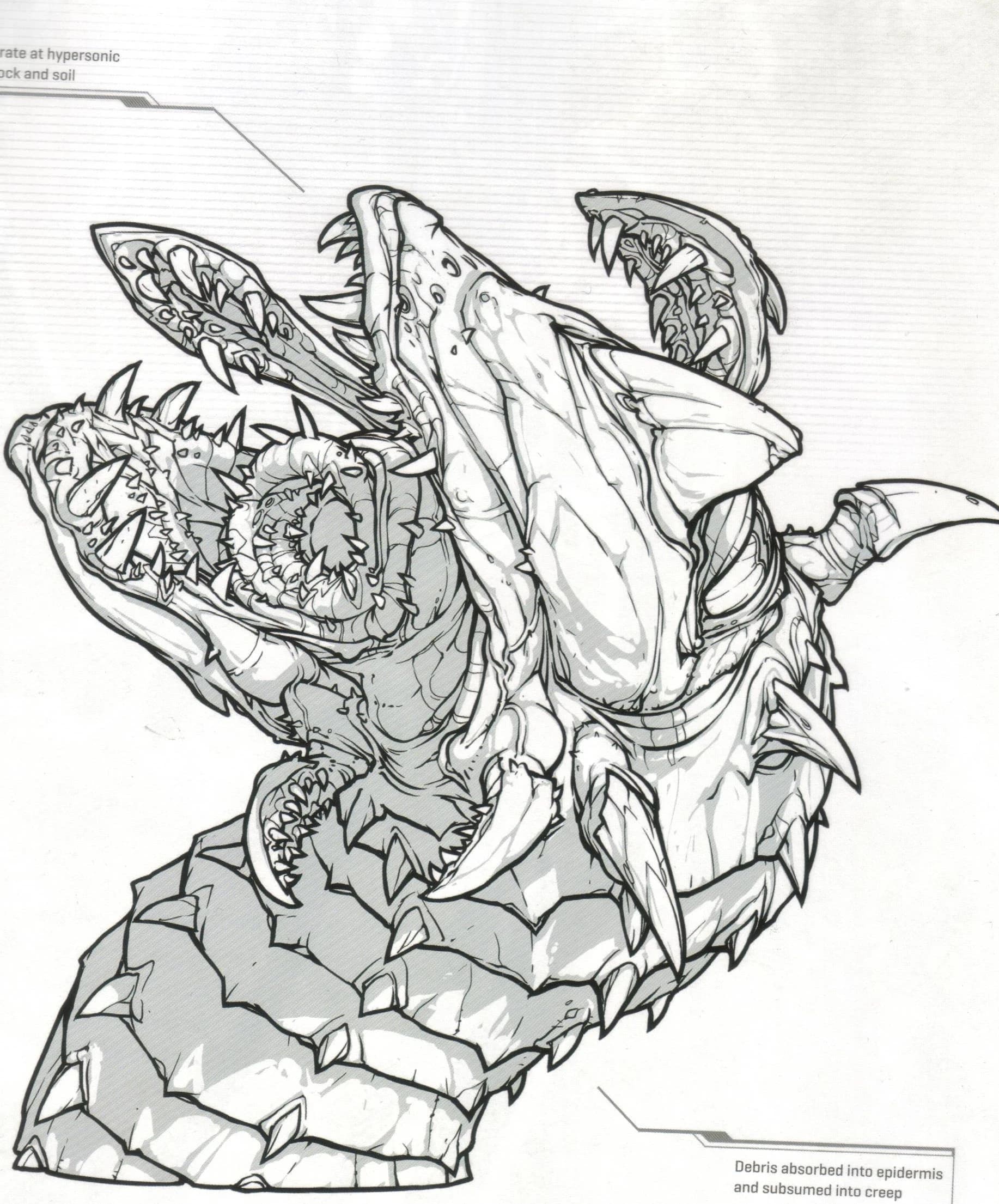
By the Second Great War the nydus worm had become an evolution of the older nydus canal. The worm lived inside a nest-like structure called the nydus network and could travel from the network to any nearby location its controller had already seen, carving a tunnel beneath the battlefield as it advanced. The creature was capable of stretching itself out to prodigious lengths, supporting the tunnel it dug with its own skin and ribs. A nydus worm had no brain of its own, only a simple array of organs that reacted to peristaltic motion and to chemical stimuli relayed from the network. This array allowed the creature to navigate difficult or rough terrain and to regulate its biological functions; in truth the worm was merely an extension of the network itself. (Nydus Worm (StarCraft II official site))
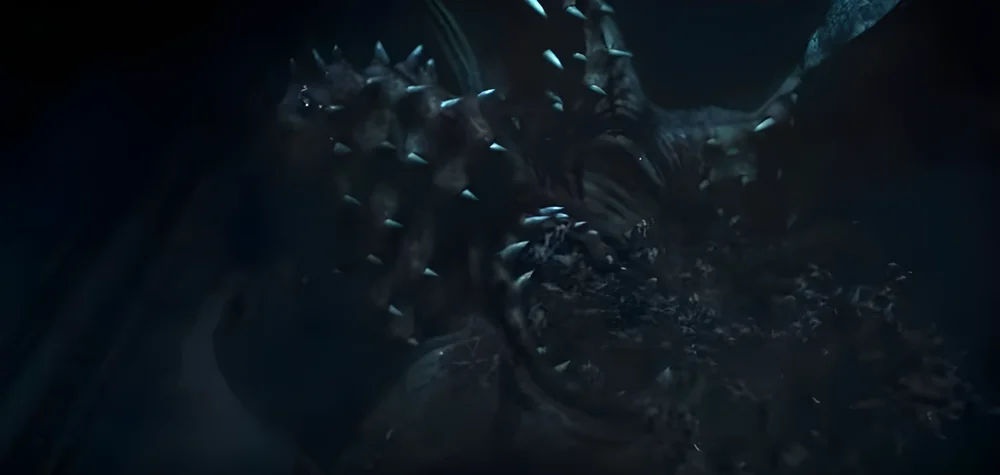
Zerg warriors could enter the tunnel either through the worm's head or through the network, and they traveled through it at great speed thanks to a combination of peristaltic motion and chemical stimulants that directed their movements. To carry the Swarm's land creatures across any battlefield or landmass, the worm could stretch indefinitely through on-demand tissue generation, expanding and replicating its cells at a simple command to cover the distance to its target. Surplus tissue was reassimilated once the worm returned to the network. The very large, thick teeth set throughout the worm's mouth served primarily as digging tools: each fang was connected to a set of powerful muscles that vibrated at hypersonic speeds to crush soil, rock, and everything between. As friction wore a tooth down, it was ejected and a new one grew from the muscle itself within seconds. When the worm finally emerged, gigantic spikes protracted from its body to stabilize the creature and support its weight while the Swarm advanced from the depths of the network onto the target area. (Nydus Worm (StarCraft II official site))
The tunneling produced enormous quantities of detritus, which the worm disposed of efficiently. The crushed rock and soil was coated with a strain of corrosive creep secreted by glands around the creature's maw; once liquefied, the detritus trickled down into twin passages that carried it to a specialized layer beneath the epidermis, improving the weight distribution of the tunnels the worm supported with its skin and ribs. (Nydus Worm (StarCraft II official site))
Use by the Swarm#
Once the first worm tunnel had been excavated, more could be created, one at a time, and because all nydus worms and networks were directly connected to one another, the zerg could in time render an entire battlefield accessible. The strategic value of this lay in surprise and reach, allowing the Swarm to deliver forces to areas previously thought secure and to strike from beneath rather than across a defended frontier. The principal limitation was fragility: for all its size, a nydus worm was not particularly durable, and a single worm could be brought down with relative ease. A more developed strain, the greater nydus worm, was described as a powerful variant capable of tunneling across incredible distances, served by its own greater nydus network in the same fashion as the standard creature. (Nydus Worm (StarCraft II official site); StarCraft Field Manual; StarCraft II: Heart of the Swarm)
Frequently asked questions
- What is a nydus worm in StarCraft?
- The nydus worm was a zerg transport strain, an evolution of the older nydus canal that emerged by the Second Great War. It lived inside a nest-like structure called the nydus network and could travel from there to any nearby location its controller had already seen, carving a tunnel beneath the battlefield as it went.
- How does a nydus worm work?
- The worm stretched itself out to prodigious lengths, supporting the tunnel it dug with its own skin and ribs, and could stretch indefinitely through on-demand tissue generation. Zerg warriors entered the tunnel through the worm's head or through the network and traveled at great speed thanks to peristaltic motion and chemical stimulants, with surplus tissue reassimilated once the worm returned to the network.
- Does a nydus worm have a brain?
- A nydus worm had no brain of its own, only a simple array of organs that reacted to peristaltic motion and chemical stimuli relayed from the network. In truth the worm was merely an extension of the network itself.
- How does a nydus worm dig through rock?
- The very large, thick teeth set throughout the worm's mouth served as digging tools, each fang connected to powerful muscles that vibrated at hypersonic speeds to crush soil, rock, and everything between. As friction wore a tooth down, it was ejected and a new one grew from the muscle itself within seconds.
- What is the nydus worm's main weakness?
- The principal limitation was fragility, since for all its size a nydus worm was not particularly durable and a single worm could be brought down with relative ease. A more developed strain, the greater nydus worm, was a powerful variant capable of tunneling across incredible distances.
Gallery

Images via StarCraft Wiki
Sources
- GameStarCraft II: Wings of Liberty, Blizzard Entertainment, 2010
- GameStarCraft II: Heart of the Swarm, Blizzard Entertainment, 2013
- WebNydus Worm (StarCraft II official site), Blizzard Entertainment, unit page and "More Zerg Science" blog, 2010 to 2014
- BookStarCraft Field Manual, Rick Barba, Insight Editions, 2015
Spotted a factual error or a primary source we missed? Email a correction. Every flagged claim gets reviewed.
Followed from this entry

Second Great War: Swarm vs Dominion, 2504
The Second Great War broke out in 2504 and ended on Korhal with Arcturus Mengsk dead at Kerrigan's hand. Deinfesting her mid-war let the xel'naga Amon return.

Zerg
The zerg are a ravenous collective of biologically advanced aliens who evolve by assimilating the essence of other species in pursuit of genetic perfection. Created by Amon's xel'naga on Zerus and bound to the Overmind, they grew into one of the three dominant powers of the galaxy.
Also in Zerg
Devourer
The devourer was the anti-air aspect of the zerg mutalisk, slower than its parent strain but more resilient. Its attack flung corrosive acid spores that clung to enemy aircraft, weakening their armor and slowing their fire.

Drone
The drone was the zerg worker strain, gathering resources and morphing its own body into the living structures of the Swarm. A single drone, descended from one surviving larva, could seed an entire reborn zerg colony.
Guardian
The guardian was the anti-ground aspect of the zerg mutalisk, a long range artillery flier converted from an existing mutalisk. In numbers it could lay waste to a base and ground force, but it had no defense against enemy aircraft.
Larva
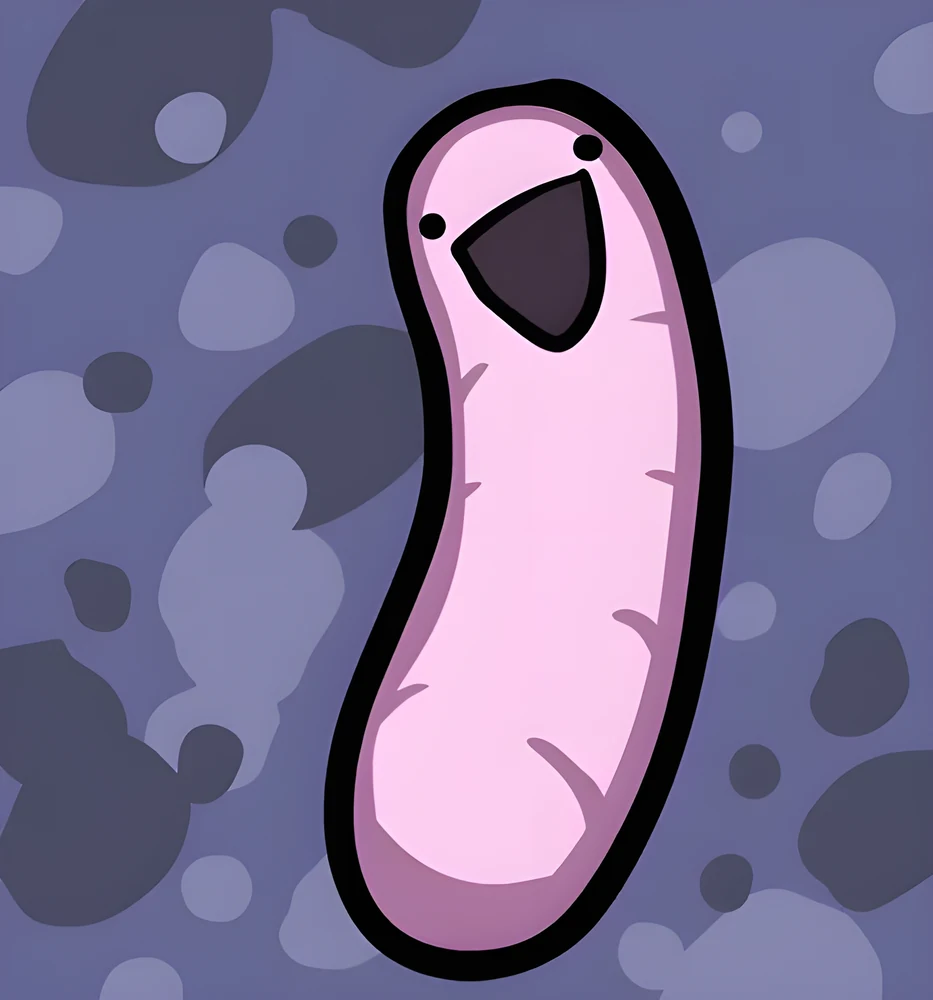
The larva was the base zerg unit from which all other strains and structures were born. Carrying the genetic code of the entire Swarm in its DNA, a single larva could pupate into any breed the hive required, and the first zerg the terrans ever encountered.
Mentioned in2 entries
Every Zerg Unit in StarCraft and StarCraft II, Explained
Every zerg strain from StarCraft, Brood War and the three StarCraft II campaigns, from the zergling to the leviathan. Each entry covers the species it came from, what it does for the Swarm and where it turns up in the story.
Swarm Host
The swarm host was a zerg siege strain that burrowed into the ground and birthed an endless supply of short-lived locusts from an incubator on its back. Adapted by Abathur from the primal hosts of Zerus, it gave the Swarm a living artillery piece.
Get new articles in your inbox
No spam. New lore drops, canon conflicts, and deep dives only when they’re worth reading.
Some links on Lore Fortress are affiliate links. If you buy through them we earn a small commission at no extra cost to you.