Raptor Mark IIIb
Colonial multipurpose support craft
The Raptor Mark IIIb was a multipurpose spacecraft of the Colonial Fleet, serving as the standard combat-support vessel alongside Viper fighters and Shuttle transports. Its miniature FTL drive let it operate light years from its mother ship.
The Raptor Mark IIIb was a modern Raptor, a multipurpose spacecraft used by the Colonial Fleet. A workhorse of the fleet, it was capable of performing a wide variety of roles, and like other modern Raptors it carried a small FTL drive for short jumps. Within the Colonial Fleet, it filled the support roles that the Viper fighters could not. (Battlestar Galactica (miniseries))
Role within the fleet#
Within the Colonial Fleet, the Raptor was the workhorse support craft that flew alongside the Viper fighters. It was heavily used and prized for its versatility, switching between a broad range of missions as circumstances demanded. (Battlestar Galactica (miniseries); Battlestar Galactica, "33")
Design#
In the miniseries Sharon Valerii talks of landing "50 tons of Raptor" on a moving hangar deck. It could carry around eight to ten adults in addition to its two-person crew. Its crew flew in flight suits and helmets in case a hull breach depressurised the cabin. The Raptor could fly in both atmosphere and space, but staying airborne within an atmosphere required its engines to run constantly, which burned fuel and could strain them. (Battlestar Galactica (miniseries); Battlestar Galactica, "Bastille Day"; Battlestar Galactica, "You Can't Go Home Again")
Crew and complement#
The standard crew of a Raptor was two, a pilot and an electronic countermeasures officer, who sat side by side in the cockpit and manned the ECM station behind it when not flying. The cabin could be deliberately depressurised when a mission called for it, such as pulling a crewman in from space, and repressurised in seconds afterwards. (Battlestar Galactica (miniseries); Battlestar Galactica, "You Can't Go Home Again"; Battlestar Galactica, "A Day in the Life")
Combat support and countermeasures#
During combat, Raptors typically flew with a Viper squadron as early warning and electronic countermeasures platforms, able to jam enemy transmissions and scramble the control signals of guided weapons. Weapon pods could be attached to the craft's hardpoints when a mission called for firepower. In this role the Raptor extended the reach and survivability of the fighters it supported. (Battlestar Galactica (miniseries); Battlestar Galactica, "33"; Battlestar Galactica, "Exodus, Part 2")
Reconnaissance and transport#
As a scout, the Raptor could operate independently or alongside other craft, scanning for the signatures of other ships and searching planetary surfaces for resources such as water. Its FTL drive let it scout ahead of its mother ship. The Raptor also served as a transport, both for moving crew between ships or to a surface and for carrying Marines, who could board another ship through a docking skirt on its underside. (Battlestar Galactica, "Water"; Battlestar Galactica, "Bastille Day"; Battlestar Galactica, "The Hand of God")
Frequently asked questions
- What is the Raptor Mark IIIb?
- The Raptor Mark IIIb was a modern Raptor, a multipurpose spacecraft used by the Colonial Fleet. It was the fleet's standard support craft, working alongside the Viper fighters.
- What roles could the Raptor Mark IIIb perform?
- The Raptor was prized for its versatility. It flew scouting, early warning, electronic warfare, search and rescue and transport missions, including carrying Marines into action.
- How large was the crew of the Raptor Mark IIIb?
- Its standard crew was two, a pilot and an electronic countermeasures officer. In the transport role it could carry around eight to ten adults beyond its crew.
- How did the Raptor support Vipers in combat?
- Raptors flew with Viper squadrons as early warning and electronic countermeasures platforms, jamming enemy transmissions and scrambling the control signals of guided weapons. Weapon pods could also be fitted to their hardpoints.
- Could the Raptor Mark IIIb fly in a planet's atmosphere?
- Yes, the Raptor could fly in both atmosphere and space. Staying airborne in an atmosphere meant running its engines constantly, which burned fuel and could strain them.
Sources
- EpisodeBattlestar Galactica (miniseries), Miniseries (2003)
- EpisodeBattlestar Galactica, "33", Season 1, Episode 1 (2005)
- EpisodeBattlestar Galactica, "Water", Season 1, Episode 2 (2005)
- EpisodeBattlestar Galactica, "Bastille Day", Season 1, Episode 3 (2005)
- EpisodeBattlestar Galactica, "You Can't Go Home Again", Season 1, Episode 5 (2005)
- EpisodeBattlestar Galactica, "The Hand of God", Season 1, Episode 10 (2005)
- EpisodeBattlestar Galactica, "Exodus, Part 2", Season 3, Episode 4 (2006)
- EpisodeBattlestar Galactica, "A Day in the Life", Season 3, Episode 15 (2007)
Spotted a factual error or a primary source we missed? Email a correction. Every flagged claim gets reviewed.
Followed from this entry
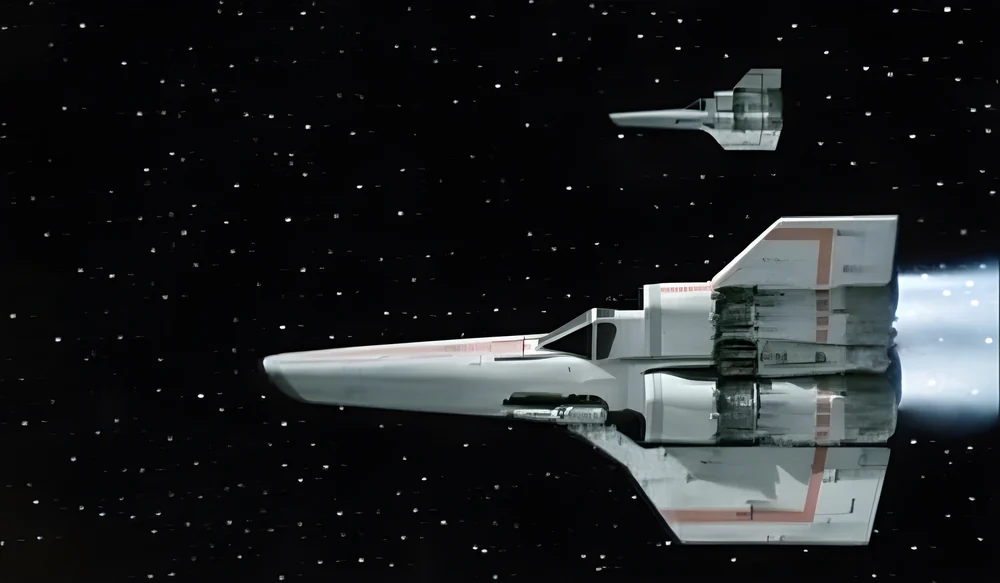
Colonial Viper
The Viper was the primary fighter of the Colonial Fleet, a name that went back to colonial air forces before the Cylon War. The Mark II and Mark VII bookended its service from the first war to the Fall of the Twelve Colonies.

FTL drive: spool up and jump
Human and Cylon ships jumped instantly between points in space once the drive was spooled. Precise sums kept Galactica ahead of its pursuers.
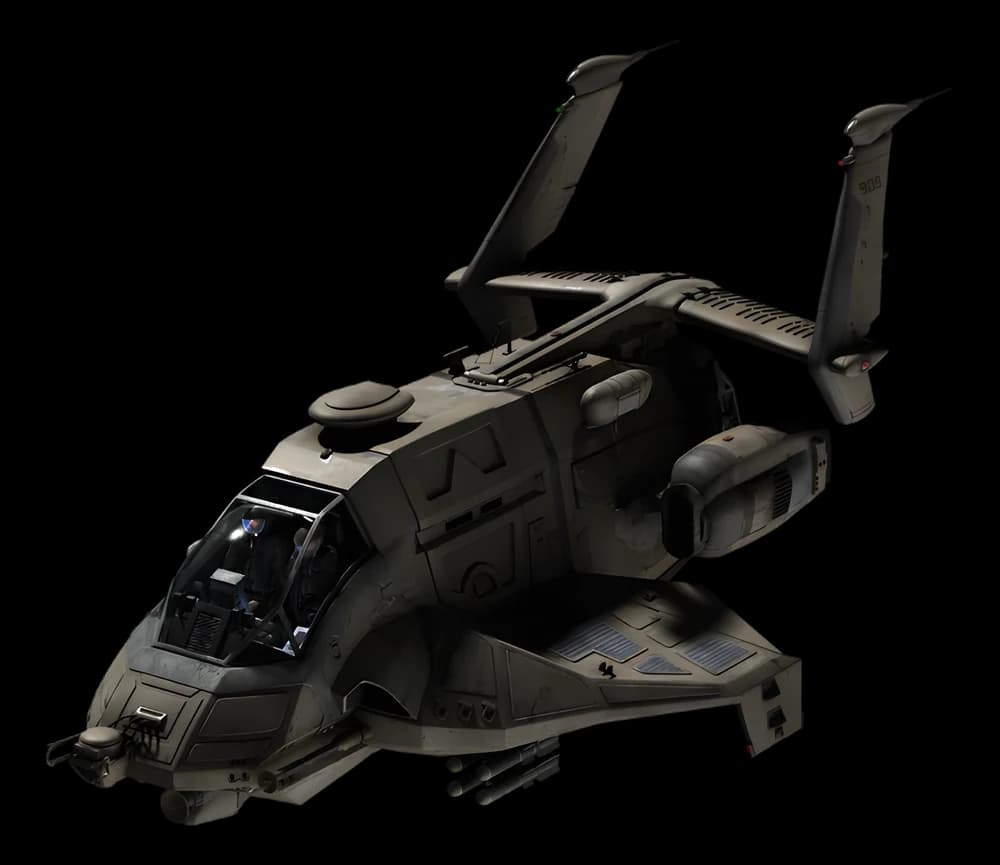
Raptor: the Fleet's workhorse
A sublight shuttle at the start of the First Cylon War, rebuilt over the interwar years into an FTL craft flying transport, recon and rescue.

Colonial Fleet: 120 battlestars
The navy of the Twelve Colonies, which fought the Cylon War. One software exploit cut it to two surviving battlestars on the day of the Fall.
Also in Reimagined Series
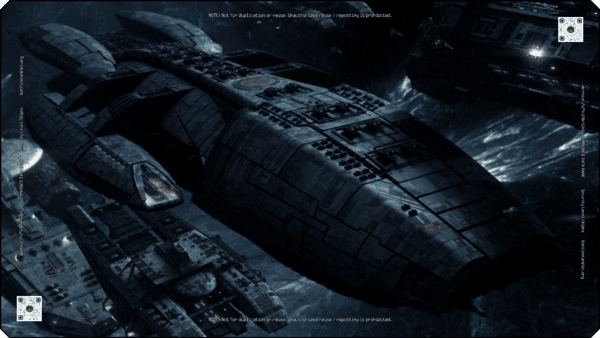
Battlestar Group: the Colonial Fleet's core formation
A Battlestar Group was a naval formation of the Colonial Fleet built around a battlestar. The abbreviation BSG appears on ship patches and fleet charts, and several numbered groups are known from the series and its films.
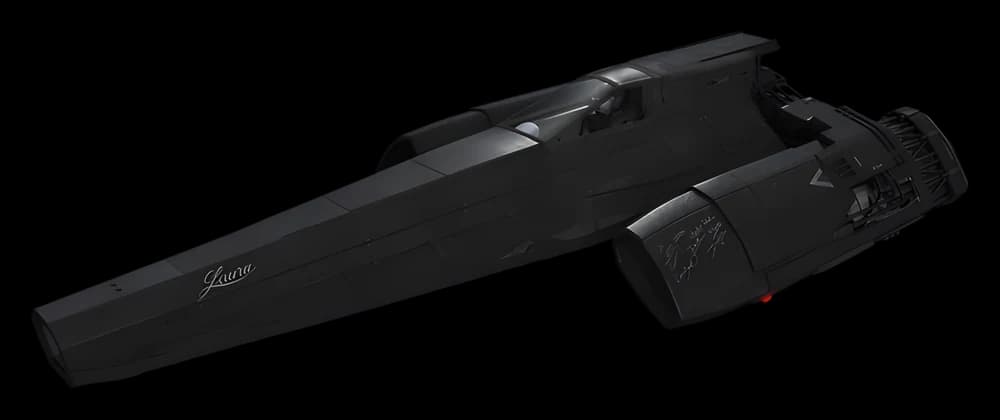
Blackbird
The Blackbird was a prototype Colonial stealth fighter built aboard Galactica by Chief Galen Tyrol and his deck crews, using a carbon composite hull that made it nearly invisible to DRADIS.
Mentioned in1 entry
Get new articles in your inbox
No spam. New lore drops, canon conflicts, and deep dives only when they’re worth reading.
Some links on Lore Fortress are affiliate links. If you buy through them we earn a small commission at no extra cost to you.