Slasher
The Common Bladed Necromorph
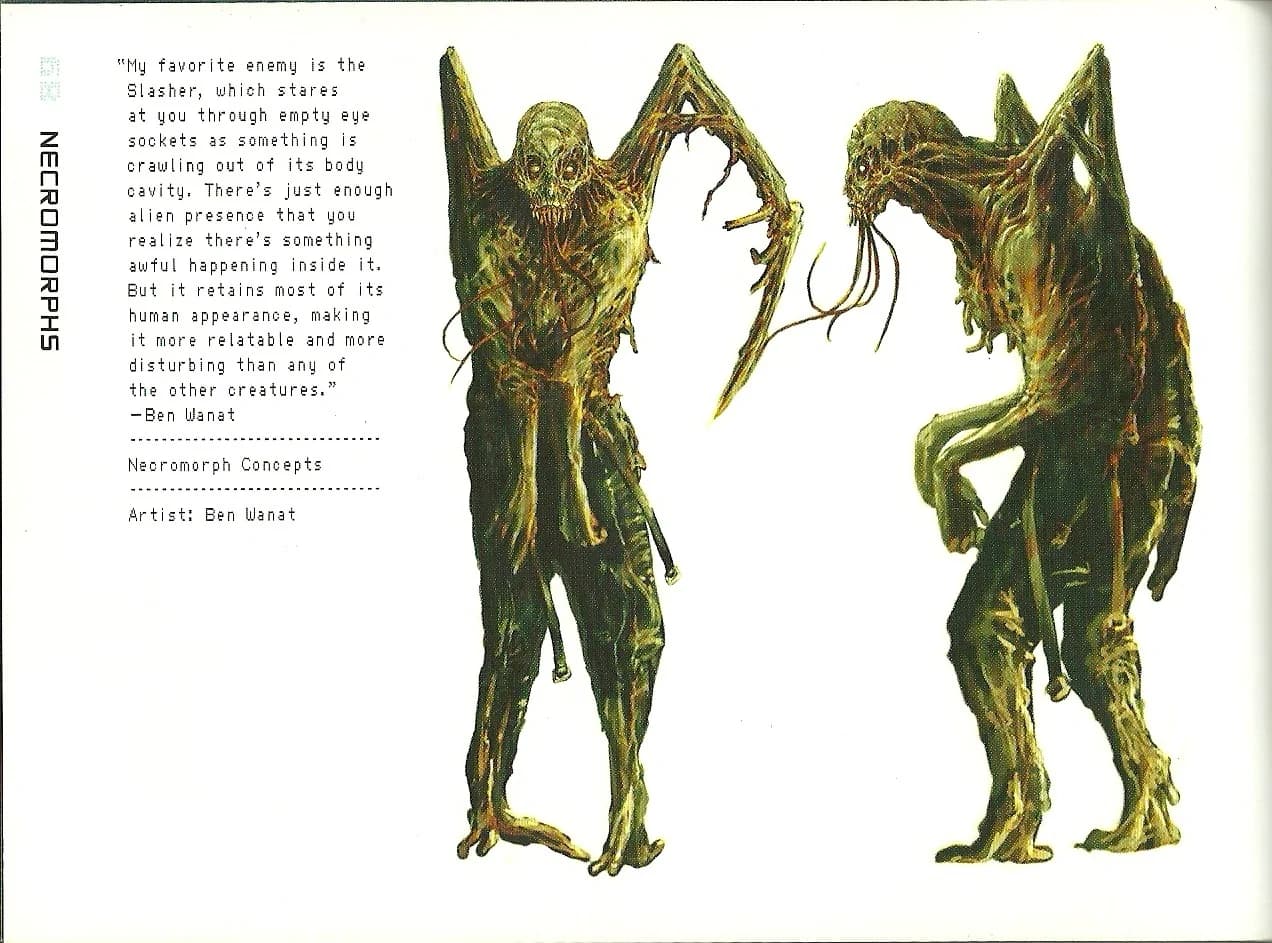
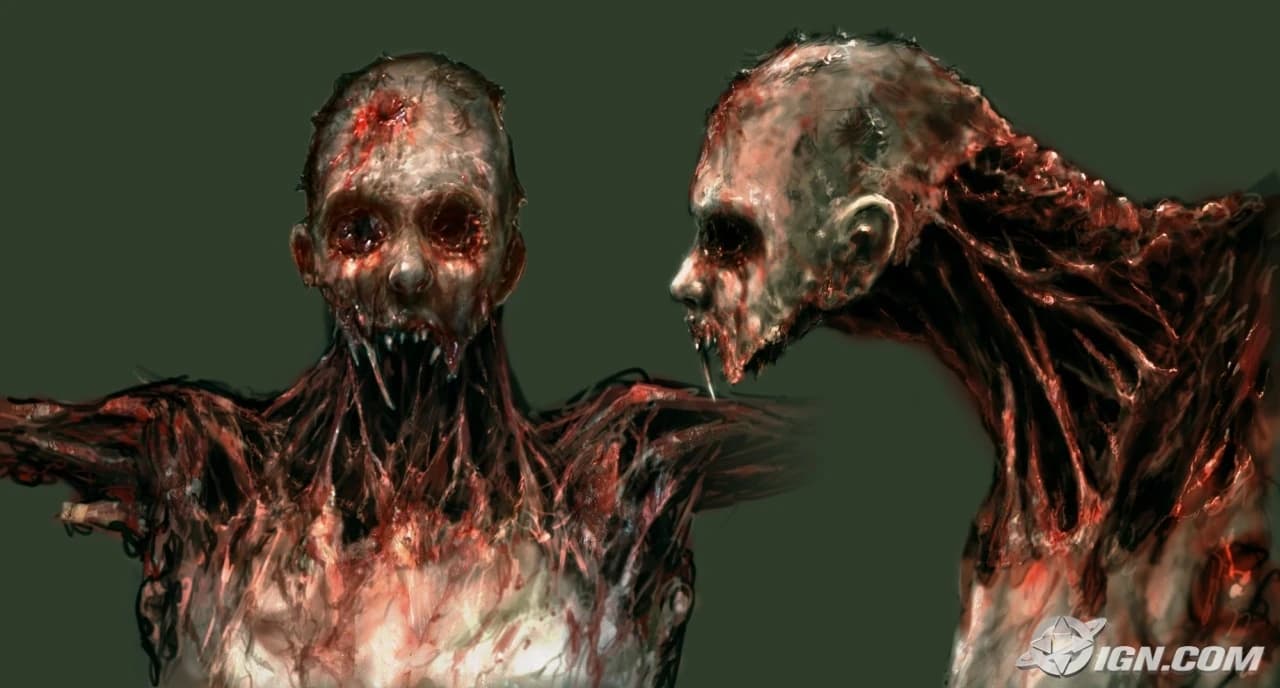
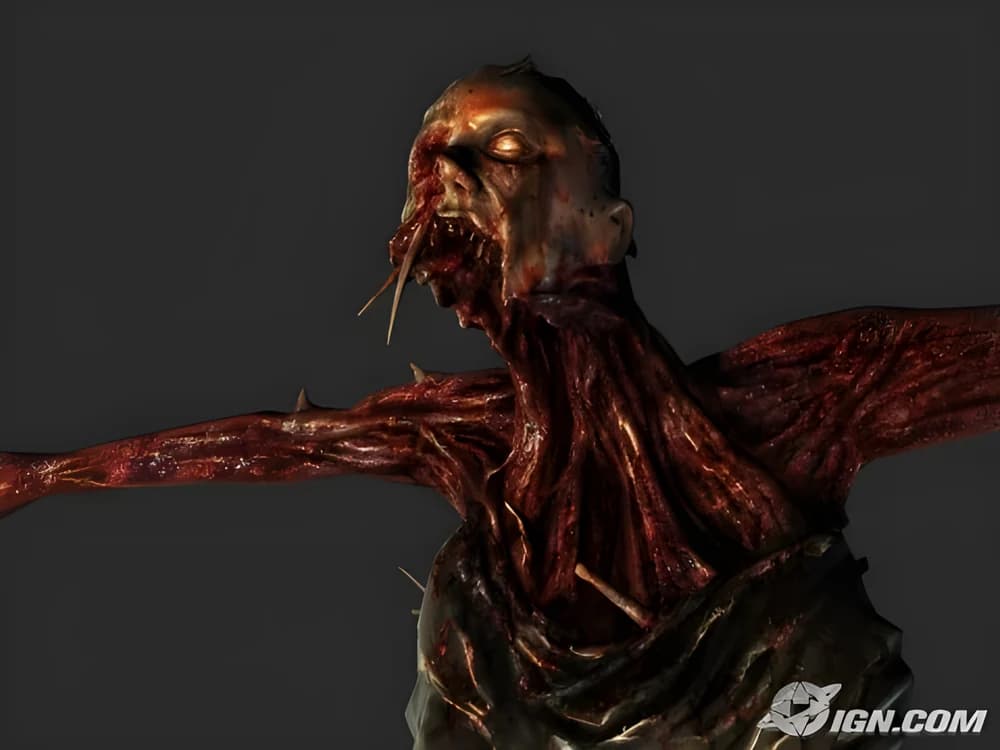
The Slasher was the most common form of Necromorph, reanimated from a single human corpse and named for the blade-like protrusions of bone that grew from its arms. Weak alone but lethal in numbers, it was the form survivors encountered most often in every major outbreak.
The Slasher was the most common Necromorph form encountered during the outbreaks that swept the USG Ishimura, the Sprawl, and Tau Volantis. Reanimated from a single human corpse, it took its name from the sharp, blade-like protrusions of bone that grew from its arms. Relatively weak when alone and slow to react, a Slasher became a serious threat in groups, and entire crews fell to swarms of them. For survivors such as Isaac Clarke, recognizing a Slasher's distinct sounds and movements was a matter of life and death. (Dead Space; Dead Space 2; Dead Space 3)
Anatomy#
The Slasher was created from a single human corpse and was named for the sharp, blade-like protrusions of bone that sprouted from its arms. In some hosts these blades formed by altering the original arms, while in others they grew as entirely new appendages from the shoulder blades or from a mass of flesh on the back. Combined with the creature's raw strength, the blades could easily dismember a victim, and they also served to stabilize the body. (Dead Space; Dead Space 2; Dead Space 3)
Beneath these, the Slasher carried a lower set of arms. In some cases these were the host's original arms clamped to the sides of the body or mutated lengths of intestine, while in others they were spindly, vestigial limbs poking out from an exposed abdominal cavity. They were weak, but they kept the creature upright while it attacked with its blades, and could be used to hold down a struggling victim. The bones of the feet were often fused and lengthened, with the heel extended almost parallel to the sole into a sharp peg. This gave the Slasher an unstable gait while walking, so that it constantly moved its slashing limbs as counterweights, but it allowed the creature to crawl rapidly through vents and to break into a run. (Dead Space; Dead Space 2; Dead Space 3)
A Slasher made different sounds depending on its state. One that had not yet noticed its prey gave off gurgling and choking noises, which also accompanied it when sneaking up from behind. Once it spotted a target, these were joined by menacing bellows and roars, and a charge began with a roar followed by rhythmic, angry yelling that continued until it reached its victim. (Dead Space; Dead Space 2; Dead Space 3)
Hosts and variants#
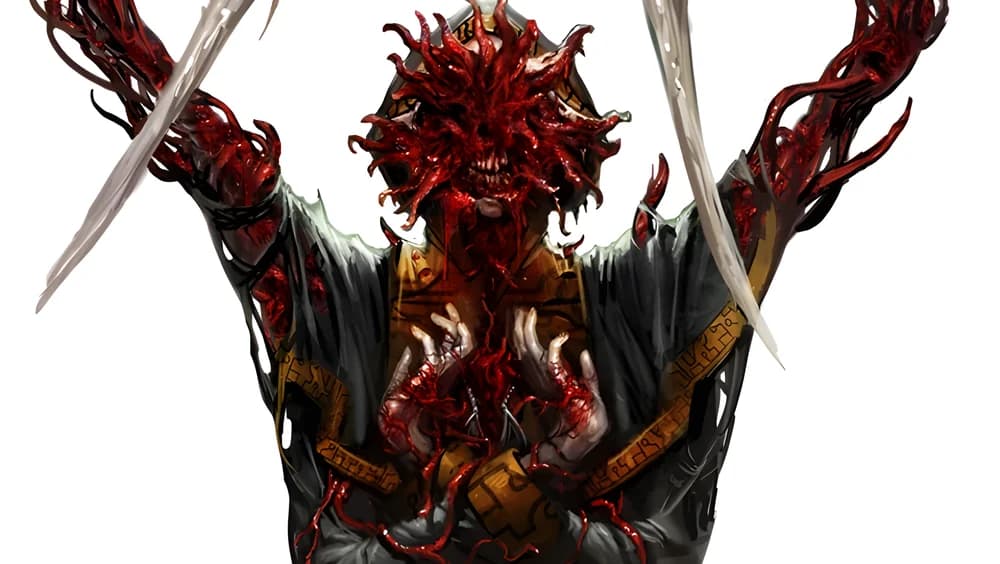
Because each Slasher was shaped by the body it reanimated, the form took on a great range of appearances across the outbreaks. The naked Slasher, among the earliest and most common aboard the Ishimura, had its flesh torn away to expose musculature, its spine burst through its back, and its lower jaw nearly gone. Armored variants reanimated from miners and engineers in their RIGs retained intact armored legs, making them harder to bring down. Others carried the marks of their lives in death: flight crew, civilians, hospital patients and doctors, EarthGov security guards, Unitologist clergy frozen in a prayer gesture, and the scientists who had researched the Markers. (Dead Space; Dead Space 2; Dead Space 3)
Aboard the Sovereign Colonies Armed Forces ships and the research complex on Tau Volantis, the cold preserved the dead as mummified Slashers, dried and bizarrely mutated, some bearing extra abdominal limbs they used as backup legs after losing their original ones. The bodies of named individuals were taken too. Captain Robert Norton's corpse was reanimated as a Slasher, and in the original Ishimura outbreak survivors watched the dead Captain Benjamin Mathius transformed into an Enhanced Slasher before their eyes by an Infector. (Dead Space; Dead Space 3; Dead Space 3: Awakened)
The Enhanced form#
Like many Necromorph types, the Slasher had an Enhanced form. It was distinguished by mottled black and green tissue, glowing eyes, and maggots infesting the body, and it was far more resilient and ferocious than the ordinary kind. Unlike standard Slashers, Enhanced forms had a uniform look, with the individual features of their hosts largely erased by the infection. They were the most common of the Enhanced Necromorphs and appeared in every major outbreak. (Dead Space; Dead Space 2; Dead Space 3)
Frequently asked questions
- What is a Slasher in Dead Space?
- The Slasher was the most common Necromorph form encountered during the outbreaks aboard the USG Ishimura, the Sprawl, and Tau Volantis. Reanimated from a single human corpse, it took its name from the sharp, blade-like protrusions of bone that grew from its arms.
- Why is the Slasher called a Slasher?
- The Slasher was named for the sharp, blade-like protrusions of bone that sprouted from its arms. In some hosts these blades formed by altering the original arms, while in others they grew as entirely new appendages from the shoulder blades or from a mass of flesh on the back, and combined with the creature's raw strength they could easily dismember a victim.
- Why is a Slasher dangerous in groups?
- A Slasher was relatively weak when alone and slow to react, but it became a serious threat in groups, and entire crews fell to swarms of them. For survivors such as Isaac Clarke, recognizing a Slasher's distinct sounds and movements was a matter of life and death.
- What is an Enhanced Slasher?
- The Enhanced Slasher was a tougher form distinguished by mottled black and green tissue, glowing eyes, and maggots infesting the body, far more resilient and ferocious than the ordinary kind. Unlike standard Slashers it had a uniform look with the host's individual features largely erased, and it was the most common of the Enhanced Necromorphs, appearing in every major outbreak.
- How does a Slasher move and sound?
- The Slasher's fused, lengthened feet gave it an unstable gait while walking, so it constantly moved its slashing limbs as counterweights, but it could crawl rapidly through vents and break into a run. It gave off gurgling and choking noises before noticing prey, then added menacing bellows and roars once it spotted a target.
Gallery
Images via Dead Space Wiki
Sources
- GameDead Space, EA Redwood Shores, 2008
- GameDead Space 2, Visceral Games, 2011
- GameDead Space 3, Visceral Games, 2013
- GameDead Space 3: Awakened, Visceral Games, 2013
Spotted a factual error or a primary source we missed? Email a correction. Every flagged claim gets reviewed.
Followed from this entry
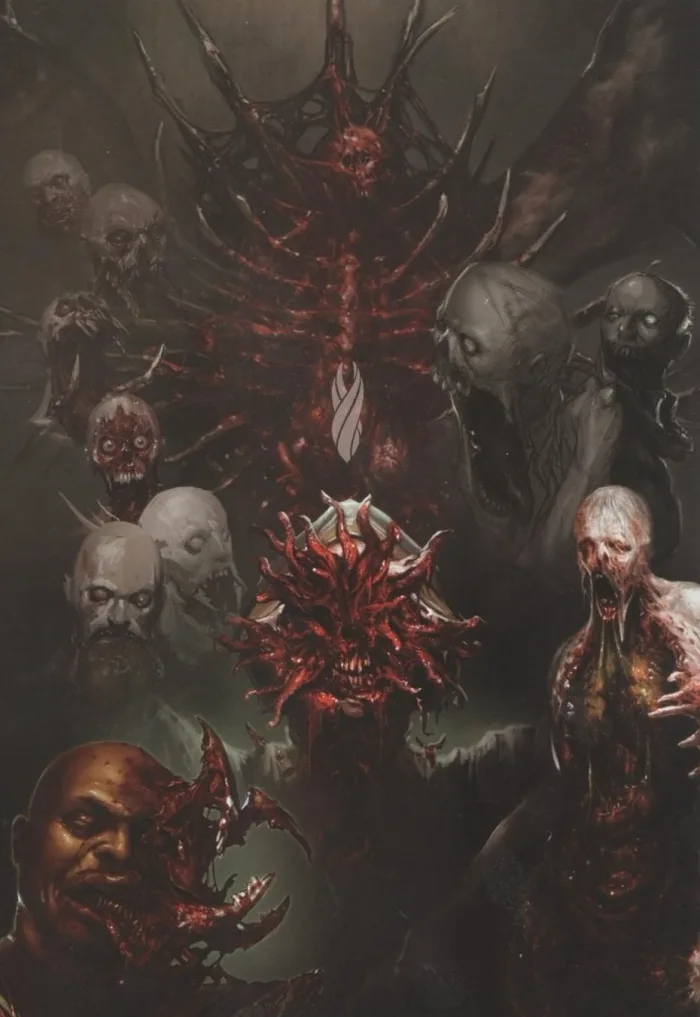
Every Necromorph Type in Dead Space: all forms from Slashers to the Brethren Moons
A full list of Necromorph types across the Dead Space games, films and novels. Each entry says what the creature is, what it was made from where the series tells us, and which games it shows up in.
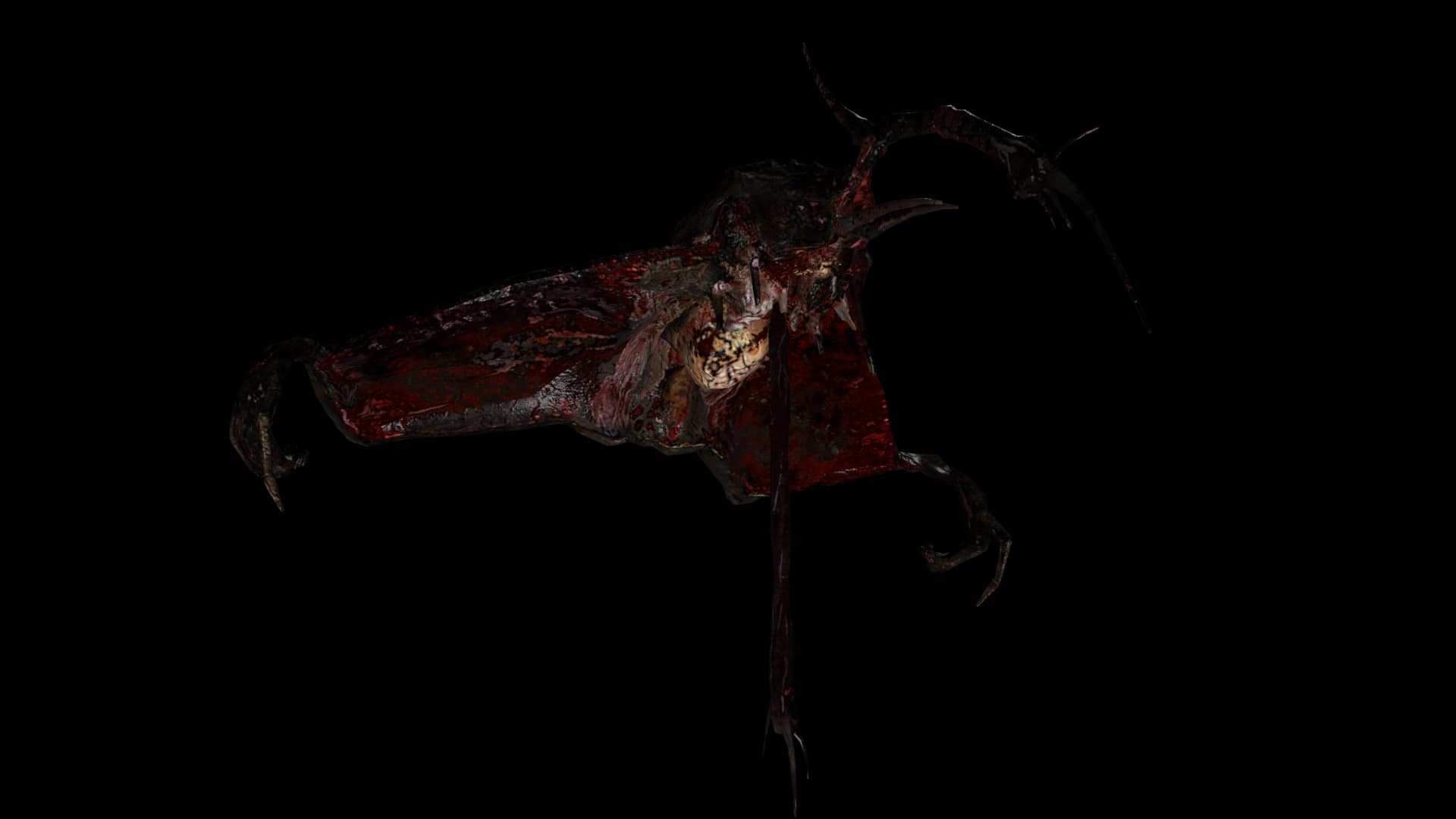
Infector
The Infector was a winged Necromorph whose sole purpose was to convert corpses into new Necromorphs, stabbing a proboscis into the skull to inject infectious tissue. Often the first form created by a Marker signal, it acted as an accelerant that spread an outbreak across a population of the dead.
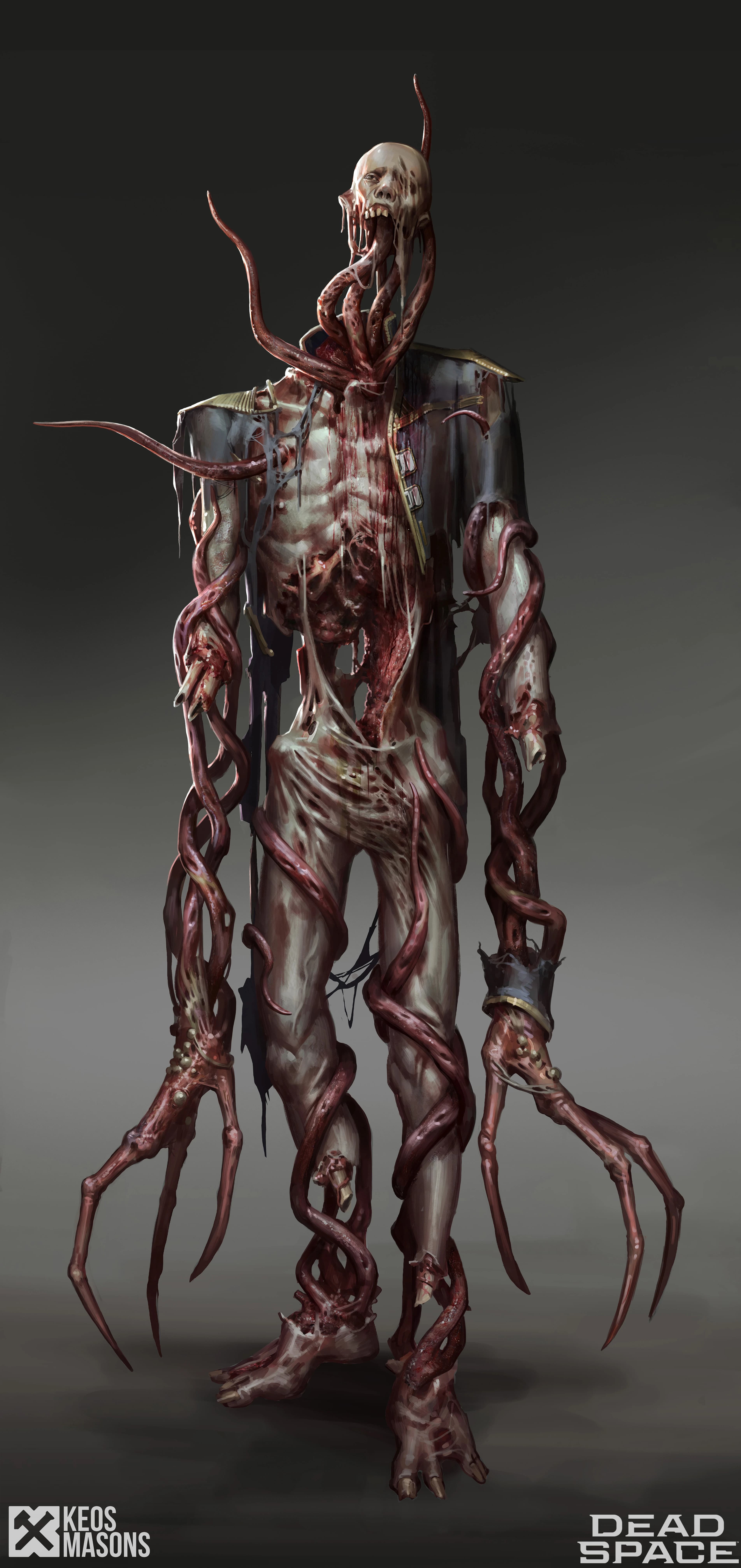
Necromorph
Necromorphs were aggressive creatures formed when the Markers' electromagnetic signal reshaped dead tissue into monstrous new forms. Driven to kill the living and gather corpses for Convergence, they were the recurring plague that destroyed the Aegis VII colony, the USG Ishimura, and Titan Station.
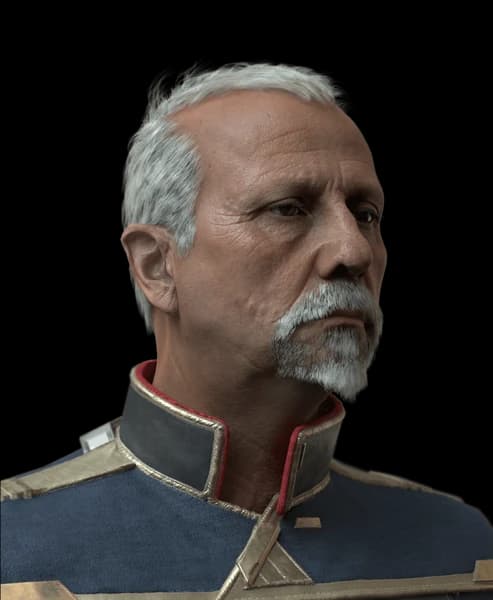
Benjamin Mathius
Benjamin Mathius was the captain of the USG Ishimura and a high ranking Unitologist, placed in command to retrieve Marker 3A from Aegis VII for the Church. His devotion and the Marker's influence drove him to madness, and he died restrained on his own ship as the outbreak began.

EarthGov
EarthGov was the centralized regime that replaced the Sovereign Colonies after the Secession War, ruling humanity from an Earth-centric core. Its decision to revive the Marker program and harvest the artifacts' energy spread the Necromorph threat across the colonies.
Isaac Clarke
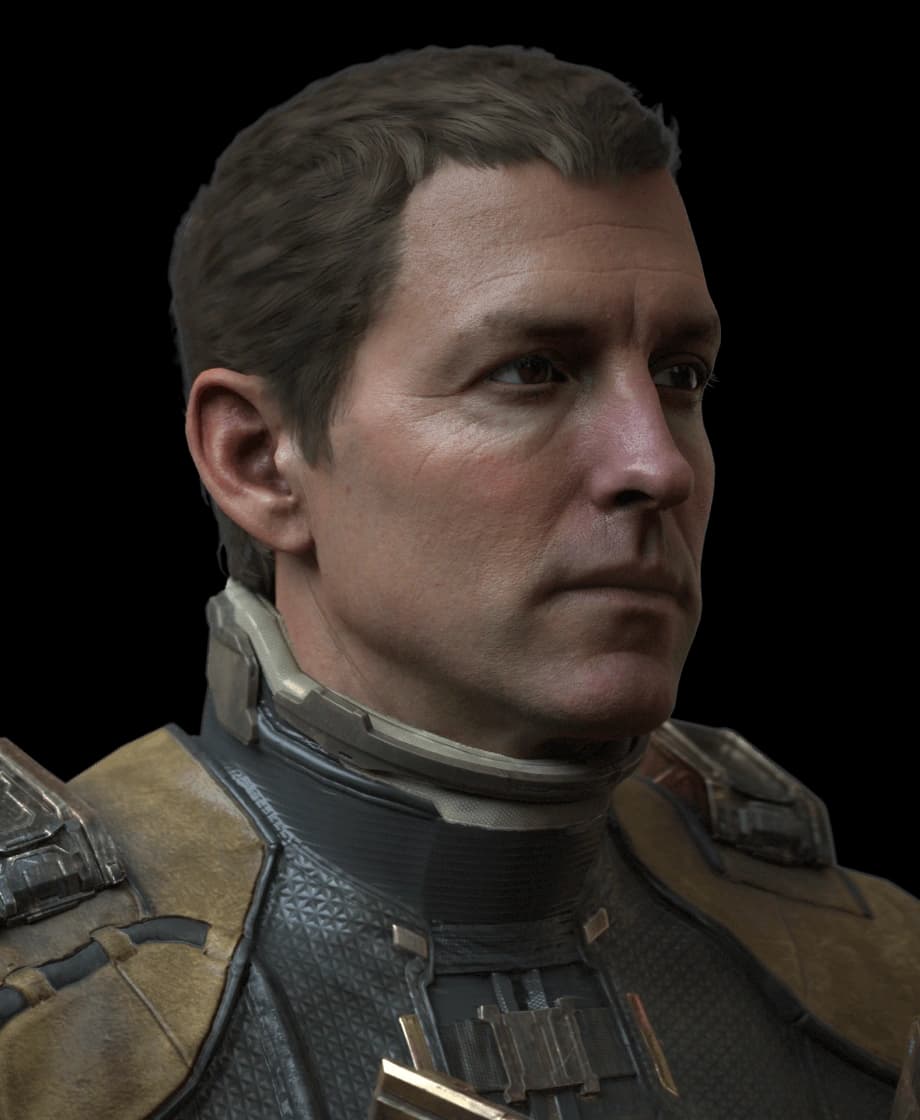
Isaac Clarke was a ship systems engineer for the Concordance Extraction Corporation who survived the Necromorph outbreak aboard the USG Ishimura, became a host for the Markers' replication blueprints, and spent years hunted by EarthGov and the Church of Unitology as he fought to destroy the Markers.
Mentioned in55 entries
711-MarkCL Rivet Gun
The 711-MarkCL Rivet Gun was a high-pressure rivet launcher built by Timson Tools for deep space miners and engineers. A repair tool by design, it became a survivor's weapon in the Necromorph outbreaks, pinning creatures with rivets that could be detonated into a storm of shrapnel.
Alissa Vincent
Alissa Vincent was the Chief Security Officer of the USG Ishimura who fought through the outbreak after Marker 3A was brought aboard. She died launching a warning beacon, unaware the Marker had manipulated her into luring more victims to Aegis VII.
Benjamin Mathius
Benjamin Mathius was the captain of the USG Ishimura and a high ranking Unitologist, placed in command to retrieve Marker 3A from Aegis VII for the Church. His devotion and the Marker's influence drove him to madness, and he died restrained on his own ship as the outbreak began.
Brute
The Brute was a massive Necromorph assembled from multiple human corpses, encased in a spiked exoskeleton of bone and calcified skin. It charged with crushing force and, when crippled, hurled explosive organic projectiles from within its chest.
CEC Facility: Titan Station's Shipyard and Industrial Complex
The CEC Facility was the Concordance Extraction Corporation's base of operations on Titan Station, a sweltering complex of heavy machinery, fuel storage, and the shipyard where the USG Ishimura lay docked. During the Sprawl outbreak it became a Necromorph killing ground and was finally consumed with the rest of the station.
Dead Space: Downfall (2008 Film) Explained
The animated prequel to Dead Space, explained from start to finish: how Marker 3A came aboard the Ishimura, how the outbreak destroyed the ship, and why Alissa Vincent's last act drew Isaac Clarke in.
Dead Space: Extraction Story Explained: Plot Summary and Ending
The full story of Dead Space: Extraction, the prequel that follows a handful of survivors from the dying Aegis VII colony onto the infested Ishimura, and what its bleak final scene means for Lexine and Gabe.
Dead Space: Ignition Story Explained
The story of Dead Space: Ignition, the branching prequel that follows the engineer Franco Delille across Titan Station on the night the Necromorphs got loose, and why every path ends at Isaac Clarke's cell door.
Emmeline Ayuba
Emmeline Ayuba was a journalist on Ganymede who went undercover in the Church of Unitology to expose a murder and search for her missing sister. After she was made to commune with a Red Marker, she emerged a convinced believer and became a leader of the Church on Ganymede.
Enhanced Necromorphs: The Blackened Sub Breed of the Infection
Enhanced Necromorphs were a darker, tougher sub breed of the Necromorph infection, marked by black or dark green necrotic tissue and glowing yellow eyes. They kept the shapes and habits of their base forms but struck harder and withstood far more punishment, and they grew more numerous as an outbreak matured.
Every Necromorph Type in Dead Space: all forms from Slashers to the Brethren Moons
A full list of Necromorph types across the Dead Space games, films and novels. Each entry says what the creature is, what it was made from where the series tells us, and which games it shows up in.
F. Cadigan: Commander of the USM Valor
F. Cadigan was an Earth Defense Force Marine and the commanding officer of the USM Valor, the Destroyer sent into the Aegis system under Operation: WHITE LIGHT to recover Marker 3A. His ship took aboard an escape pod carrying a reanimated corpse, and the infection that followed killed his crew and drove the Valor into the hull of the USG Ishimura.
+ 43 more
Get new articles in your inbox
No spam. New lore drops, canon conflicts, and deep dives only when they’re worth reading.
Some links on Lore Fortress are affiliate links. If you buy through them we earn a small commission at no extra cost to you.