Gom Jabbar
the high handed enemy
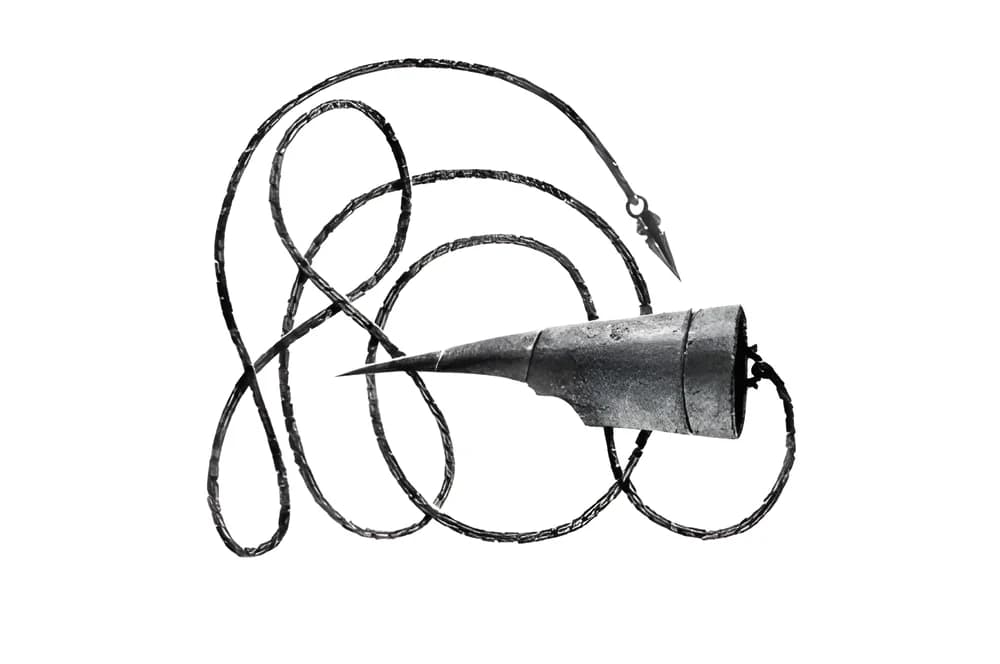
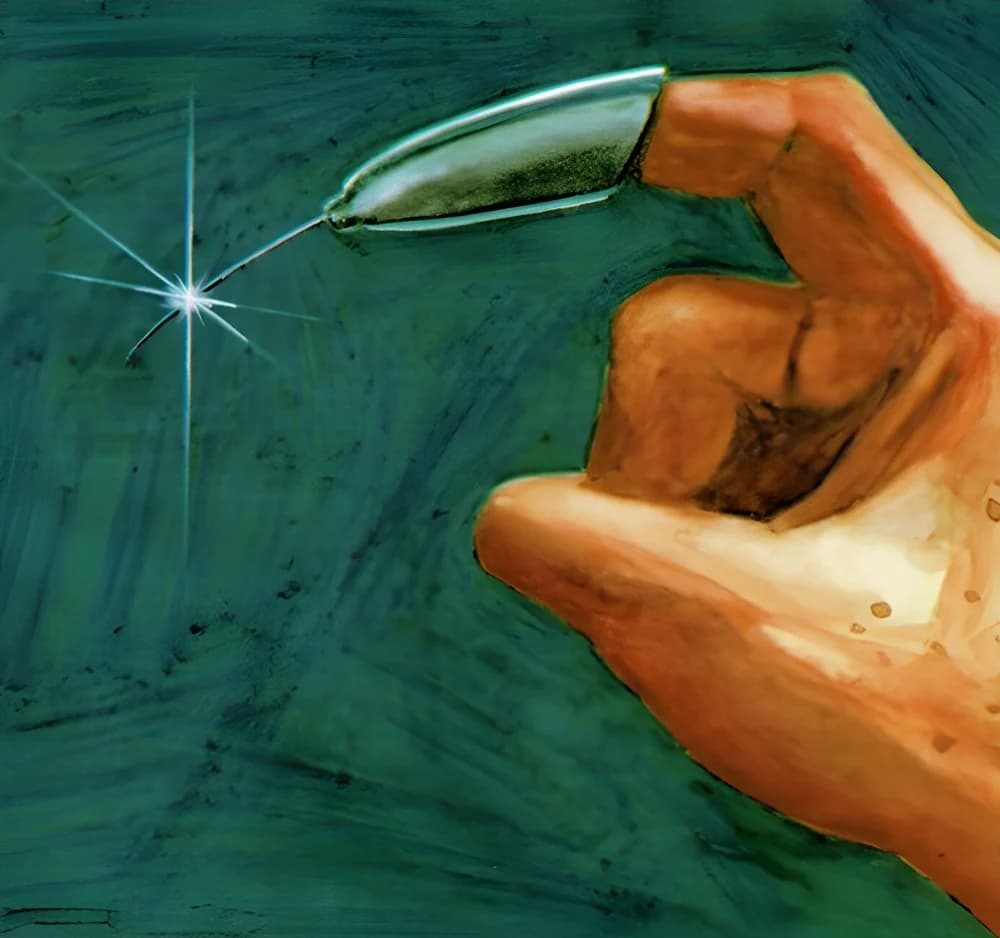
The gom jabbar was a handheld needle tipped with meta-cyanide poison that brought almost instant death. The Bene Gesserit used it to enforce their test of humanity, holding it to a subject's neck to measure whether awareness could master instinct in the face of pain.
The gom jabbar, also known as the high handed enemy, was a handheld needle tipped with meta-cyanide poison. When driven into a victim it brought almost instantaneous death. The Bene Gesserit made extensive use of it, above all in their test of the humanity of certain individuals. (Dune; Children of Dune)
Form and effect#
The gom jabbar was a small handheld needle whose tip was coated with meta-cyanide, a poison so swift that a single strike brought almost instantaneous death. Its name, recorded in the Terminology of the Imperium as the high handed enemy, reflected its use as an instrument of absolute and immediate threat. (Dune; Children of Dune)
The test of humanity#
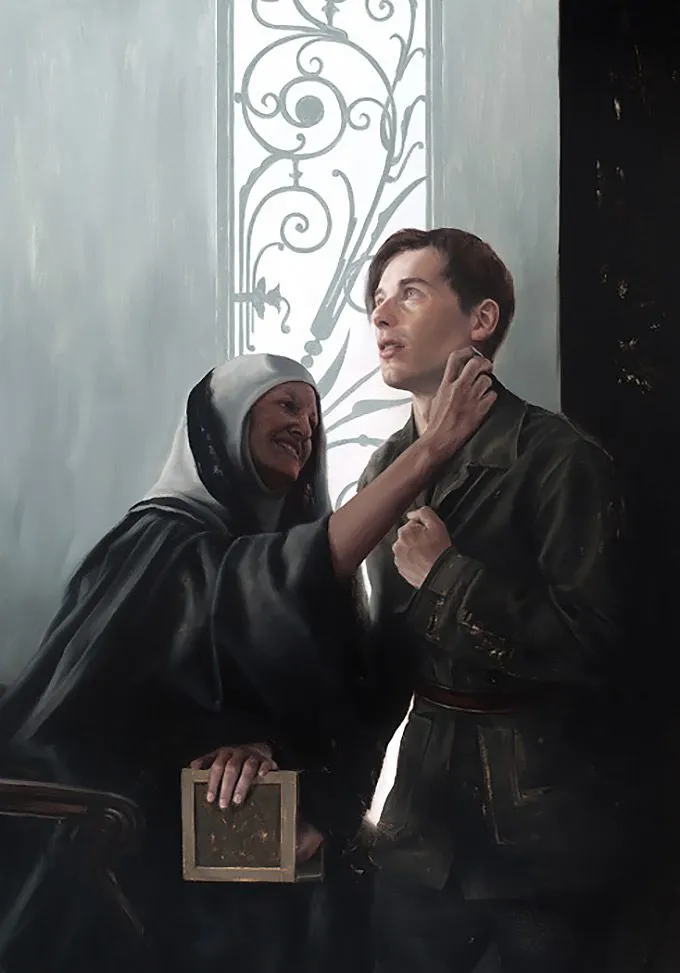
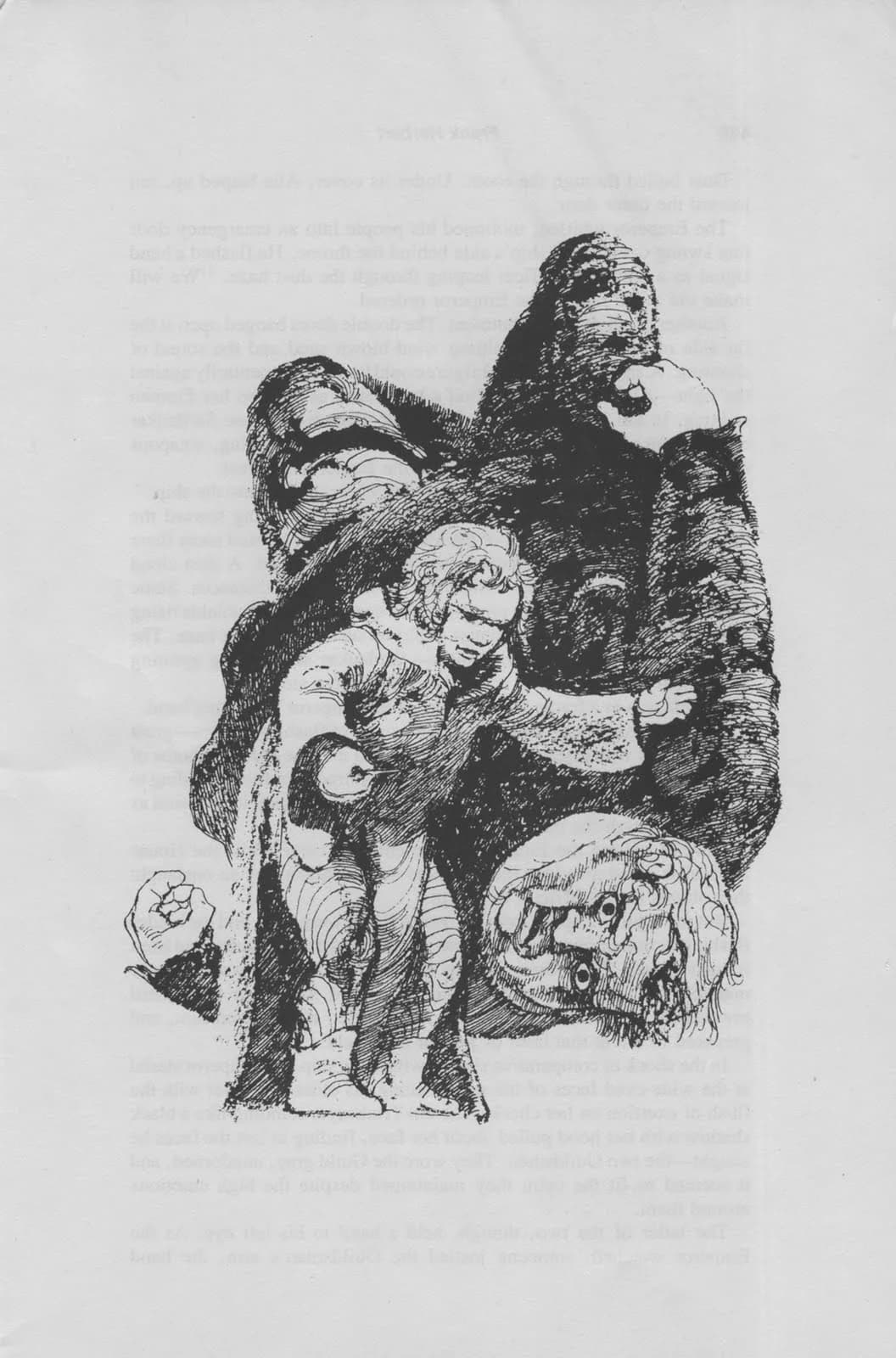
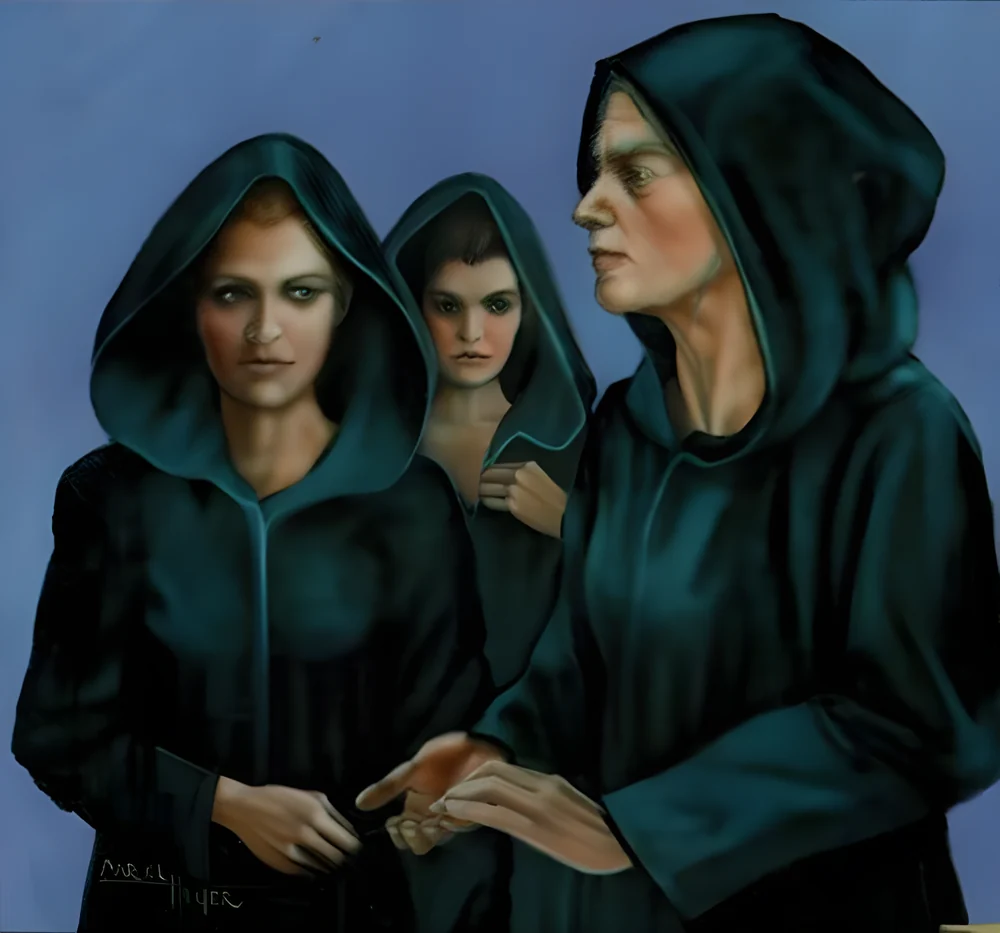
The Bene Gesserit made extensive use of the gom jabbar when they tested the humanity of certain individuals. In such circumstances the device was placed against the subject's neck, acting as a deterrent against the subject backing out of the test, which usually involved great physical pain. The test determined whether an individual's awareness was stronger than their instincts. If awareness of the gom jabbar's presence was strong enough, it would override the instinct to withdraw from the pain. Reverend Mother Gaius Helen Mohiam used this method against Paul Atreides before his arrival on Arrakis. Among those recorded as having survived the gom jabbar test were Mother Superior Darwi Odrade and the She-Seer Sheeana Brugh. (Dune; Heretics of Dune)
Frequently asked questions
- What is the gom jabbar?
- The gom jabbar, also known as the high handed enemy, was a small handheld needle tipped with meta-cyanide poison. A single strike brought almost instantaneous death.
- How did the Bene Gesserit use the gom jabbar?
- The Bene Gesserit used it in their test of the humanity of certain individuals, placing it against the subject's neck as a deterrent against backing out of the test, which usually involved great physical pain. The test determined whether a subject's awareness was stronger than their instincts.
- Who used the gom jabbar on Paul Atreides?
- Reverend Mother Gaius Helen Mohiam used the gom jabbar test against Paul Atreides before his arrival on Arrakis.
- Who survived the gom jabbar test?
- Among those recorded as having survived the gom jabbar test were Mother Superior Darwi Odrade and the She-Seer Sheeana Brugh.
Gallery
Images via Dune Wiki
Sources
- BookDune, Frank Herbert, Chilton Books, 1965
- BookChildren of Dune, Frank Herbert, G. P. Putnam's Sons, 1976
- BookHeretics of Dune, Frank Herbert, G. P. Putnam's Sons, 1984
Spotted a factual error or a primary source we missed? Email a correction. Every flagged claim gets reviewed.
Followed from this entry
Are the Bene Gesserit Evil?
The Bene Gesserit test children with poison, breed people like livestock and plant false prophecies on whole planets. They also spend ten thousand years trying to keep humanity alive. Here is what Frank Herbert's novels show on both sides, and how to read it.
Bene Gesserit
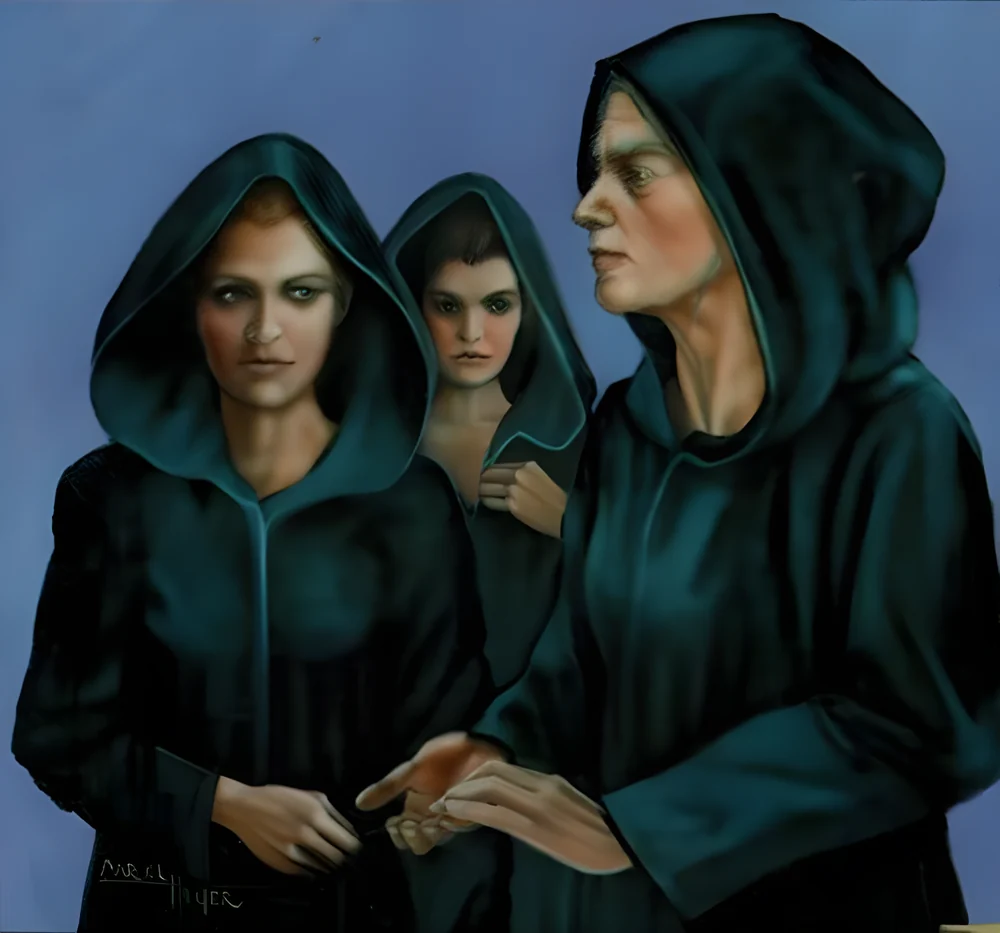
The Bene Gesserit were an ancient order of women who wielded power from the shadows of the Imperium through a millennia-long breeding program, mastery of body and mind, and the religious engineering of the Missionaria Protectiva. Their goal was the Kwisatz Haderach, and through him the guidance of humanity.

Darwi Odrade
Darwi Odrade was a Bene Gesserit Reverend Mother of secret Atreides descent who rose to become the penultimate Mother Superior during the War of the Sisterhoods. She recruited Sheeana Brugh on Rakis, allied the Sisterhood with the Bene Tleilax, and died on Junction in the final assault against the Honored Matres.
Gaius Helen Mohiam
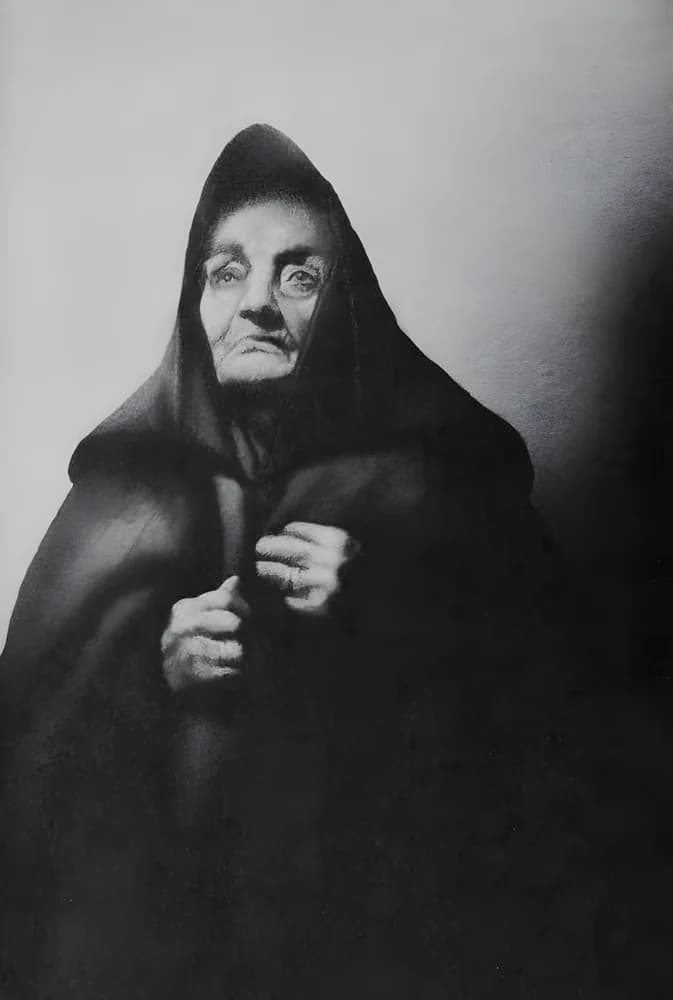
Gaius Helen Mohiam is the Bene Gesserit Reverend Mother who taught Lady Jessica, serves as Truthsayer to Emperor Shaddam IV and tests the young Paul Atreides with the gom jabbar. In Dune Messiah she joins the conspiracy against Paul and is executed for it.
Sheeana Brugh
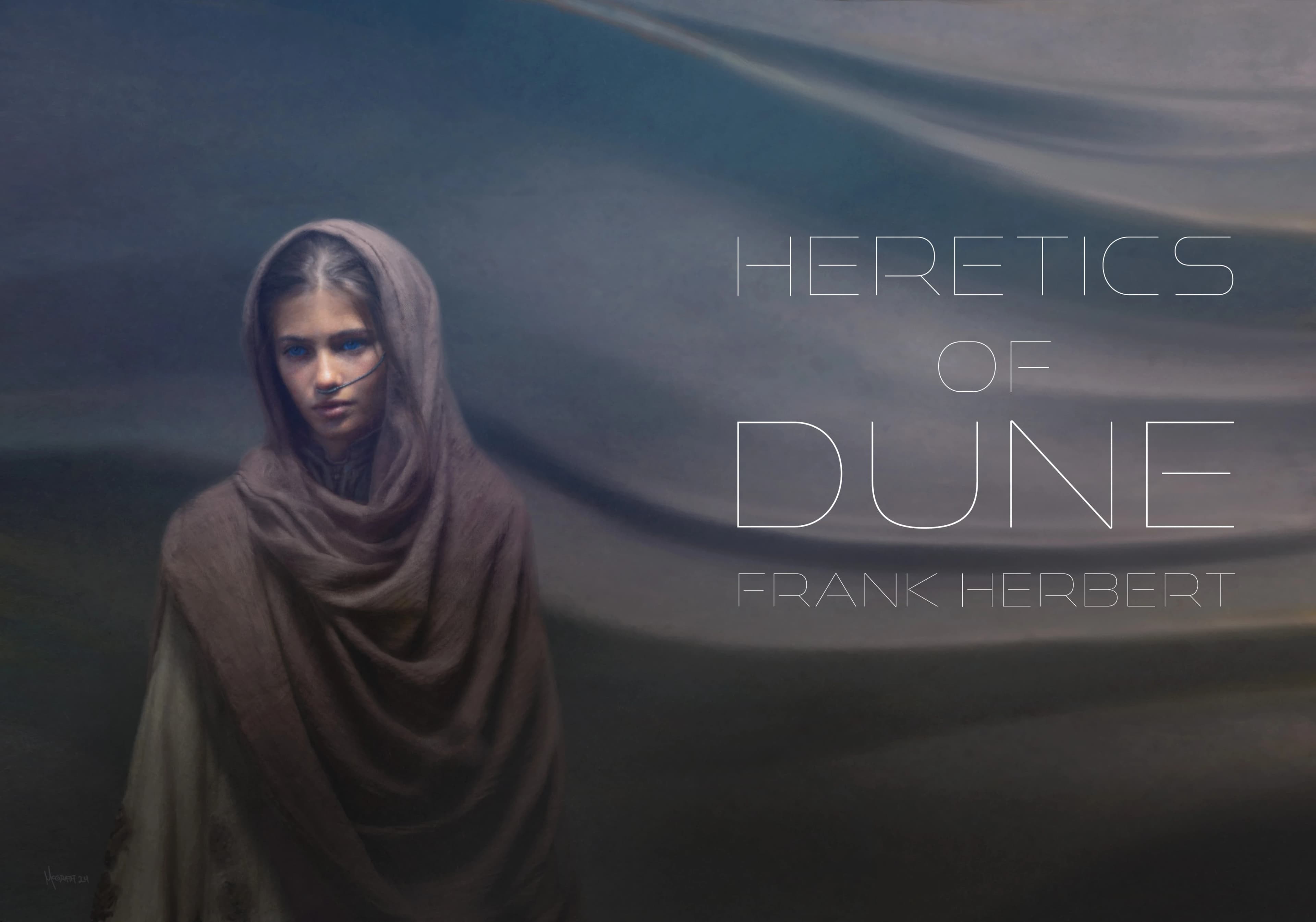
Sheeana Brugh was a girl of Rakis whose ability to command the sandworms drew the attention of the Rakian Priesthood, the Bene Gesserit, and the Bene Tleilax. Of Atreides and Idaho descent, she became a Reverend Mother and fled the Old Empire aboard a no-ship as the Sisterhood scattered.
Arrakis
Arrakis, known as Dune and later as Rakis, was a harsh desert world in the Canopus system and the only natural source of the spice melange. Home to the Fremen and the sandworms, it became the seat of the Atreides empire and the center of the known universe.
Mentioned in22 entries
Alia Atreides
Alia Atreides was the preborn daughter of Duke Leto Atreides and Lady Jessica, sister to Paul. Granted full ancestral memory in the womb, she ruled the Atreides Empire as Regent before succumbing to possession by her Harkonnen grandfather and taking her own life.
Are the Bene Gesserit Evil?
The Bene Gesserit test children with poison, breed people like livestock and plant false prophecies on whole planets. They also spend ten thousand years trying to keep humanity alive. Here is what Frank Herbert's novels show on both sides, and how to read it.
Baron Vladimir Harkonnen: the architect of the Atreides fall
Siridar-Baron Vladimir Harkonnen was the penultimate ruler of House Harkonnen and the chief architect of the downfall of Duke Leto Atreides. A gluttonous and cruel schemer, he conspired to seize Arrakis and the Golden Lion Throne before his House was destroyed in the war for Arrakis.
Bene Gesserit Powers Explained: the Voice, Truthsense, Other Memory and More
Every Bene Gesserit ability from Frank Herbert's novels, what it does, how a Sister learns it and who uses it on the page. None of it is magic: it all comes from training, and one gift comes from a poison.
Dune (1984 Film) Explained: Plot Summary, Ending and Book Differences
The full story of David Lynch's 1984 Dune in order, from Irulan's opening narration to the rain over Arrakis, with the ending explained and the biggest changes from Frank Herbert's novel, including the weirding modules.
Dune Ending Explained: the Book's Plot Summary and Final Chapter
The whole plot of Frank Herbert's Dune in order, from the gom jabbar on Caladan to the duel with Feyd-Rautha in Arrakeen, then a plain explanation of the final chapter, what Paul wins, what he can no longer stop, and where the rest of the series goes from there.
Dune Timeline: from the thinking machines to the end of Kralizec
A dated chronology of the Dune universe, from the first age of space travel and the Butlerian Jihad to Paul Atreides, the God Emperor, the Scattering and the last war with the machines. Events run oldest first, era by era, and every entry says which book it comes from.
Dune: Part One Ending Explained
The whole story of Denis Villeneuve's Dune: Part One in order, from the Emperor's gift of Arrakis to the duel with Jamis in the deep desert, then a plain explanation of the ending and the main ways the film differs from Frank Herbert's novel.
Dune: Prophecy Explained: Season 1 Plot Summary and Ending
The full story of HBO's Bene Gesserit series Dune: Prophecy, episode by episode, from Raquella's death to the escape to Arrakis. With the ending explained: who Desmond Hart really is, what Valya saw inside him, and where season one leaves the Sisterhood.
Gaius Helen Mohiam
Gaius Helen Mohiam is the Bene Gesserit Reverend Mother who taught Lady Jessica, serves as Truthsayer to Emperor Shaddam IV and tests the young Paul Atreides with the gom jabbar. In Dune Messiah she joins the conspiracy against Paul and is executed for it.
Genetic memory: the ancestral record hidden in the flesh
Genetic memory was the phenomenon by which the experiences of an individual's ancestors lay imprinted within the cells of their descendants. Unlocked by awareness spectrum narcotics, it gave the Imperium its Reverend Mothers, its Kwisatz Haderach, its pre-born, and its restored gholas.
How Dune: Part Two Sets Up Dune Messiah
Dune: Part Two ends differently from Frank Herbert's novel. Chani walks away, Alia is still unborn and the holy war starts on screen. Here is what the film changed, how it lines up with Dune Messiah, and what that might mean for Dune: Part Three.
+ 10 more
Get new articles in your inbox
No spam. New lore drops, canon conflicts, and deep dives only when they’re worth reading.
Some links on Lore Fortress are affiliate links. If you buy through them we earn a small commission at no extra cost to you.