Sandtrout
the larval form of the sandworm
Sandtrout were the docile larval form of the sandworms of Arrakis, grey leathery creatures that locked together beneath the sand to trap the planet's water underground. Not native to Arrakis, they were the agents of its desertification, and one colony fused with Leto Atreides II to begin the Golden Path.
Sandtrout were the docile larval form of the sandworms of the desert planet Arrakis. They were leathery creatures with cilia they used to link to one another, small enough that one could wrap itself around a hand like a glove. Their colonies trapped the water of Arrakis deep underground, and one such colony bonded with Leto Atreides II to set him on the Golden Path. (Dune; Children of Dune)
Nature and relationship with sandworms#
Sandtrout existed in vast colonies beneath the sands of Arrakis, locked body to body with coarse interlacings of extruded cilia until the whole became one massive placental organism capable of trapping entire bodies of water deep underground. Their excretions build up into the pre-spice mass that erupts in a spice blow, and survivors of that cycle go on to become worms. Dune's glossary calls this stage the little maker, the half-plant, half-animal deep-sand vector of the sandworm. Water, which the trout wall away so thoroughly, is poison to the adult worm; the Fremen drown small makers to make the Water of Life. (Dune; Children of Dune)
Sandtrout were harmless to people, and children in the Fremen sietches played with them, wrapping them round their hands like gloves and squeezing out a few drops of sweet syrup. (Children of Dune)
Origin on Arrakis#
Through his Other Memory, Leto Atreides II probed the many lives of his ancestors and came to realize that sandtrout were not native to Arrakis. Eons earlier the planet had been lush and wet, before the organisms arrived, proliferated, and encysted all its water, trapping it deep underground where they could eventually coalesce into full sandworms before migrating to drier layers of sand. This was consistent with physical evidence on Arrakis, such as the salt pans that had once been open water. (Dune; God Emperor of Dune)
The bond with Leto Atreides II#
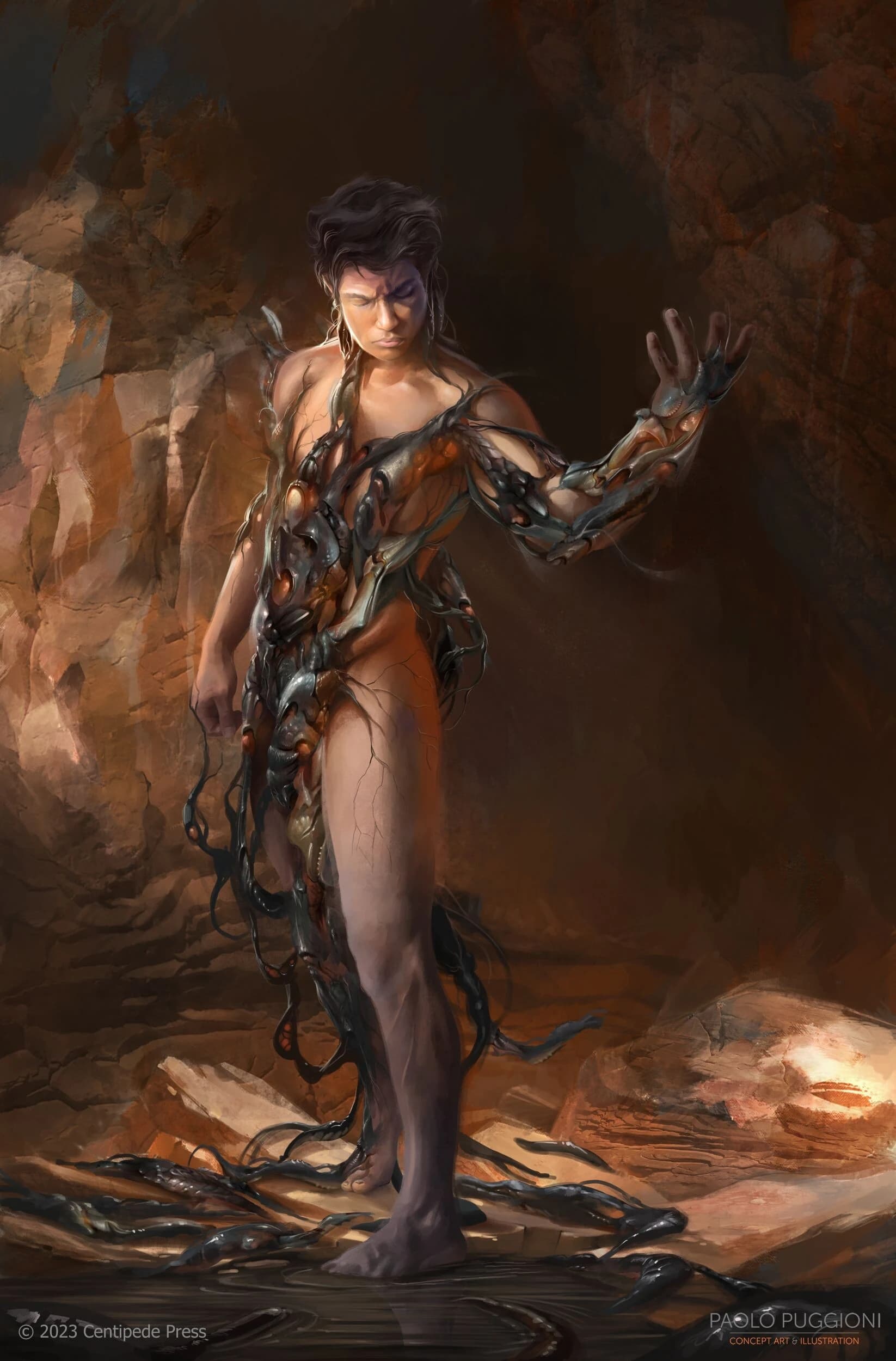
As part of his Golden Path to ensure humanity's future, Leto allowed a small colony of sandtrout to attach themselves to his body, intending to extend his lifespan and eventually to release this symbiotic mass back into his terraformed planet to restore its desert state and its worm population. The first sandtrout formed a glove over his right hand, and the next ones linked their cilia until most of his body was covered. (Children of Dune)
Leto's spice-saturated body let him survive the joining, and the membrane became a second skin that gave him enormous speed and strength. He could run across the sand faster than any human and leap great distances. (Children of Dune) Over the next thirty-five centuries Leto's body gradually changed and enlarged, growing a powerful tail and losing the use of its legs until he was more worm than man, his metabolism a perfect hybrid of the two. In turn he modified his sandtrout, even imparting his own genetic memories, making them tougher and more adaptable so they could one day be settled on other worlds and thereby ensure the survival of his species and of the spice itself. (God Emperor of Dune)
Frequently asked questions
- What is a sandtrout in Dune?
- Sandtrout are the small larval stage of the sandworms of Arrakis, leathery creatures with cilia that link together underground. Their colonies wall off water deep beneath the sand, and in Children of Dune they become the living skin of Leto II.
- How do sandtrout keep Arrakis a desert?
- Sandtrout lived in vast colonies beneath the sands, locked body to body with interlacings of extruded cilia until they became one massive placental organism. This allowed them to trap entire bodies of water deep underground, which kept the planet a desert.
- How do sandtrout turn into sandworms?
- Dune's glossary calls the little maker the half-plant, half-animal deep-sand vector of the sandworm, whose excretions form the pre-spice mass. After the spice blow, the survivors go on to become worms. Water, which the trout wall away, is poison to the adult worm.
- Are sandtrout native to Arrakis?
- Through his Other Memory, Leto Atreides II realized that sandtrout were not native to Arrakis. Eons earlier the planet had been lush and wet before the organisms arrived, proliferated, and encysted all its water, a conclusion consistent with salt beds that had apparently once been ocean floors.
- How did sandtrout bond with Leto Atreides II?
- As part of his Golden Path, Leto allowed a small colony of sandtrout to attach to his body, beginning with a glove over his right hand until most of his body was covered. Over the next thirty-five centuries his body gradually changed and enlarged, growing a tail and losing the use of its legs until he was more worm than man.
Gallery
Images via Dune Wiki
Sources
- BookDune, Frank Herbert, 1965
- BookChildren of Dune, Frank Herbert, G. P. Putnam's Sons, 1976
- BookGod Emperor of Dune, Frank Herbert, G. P. Putnam's Sons, 1981
Spotted a factual error or a primary source we missed? Email a correction. Every flagged claim gets reviewed.
Followed from this entry
Fremen
The Fremen were a culture of humans descended from the Zensunni Wanderers who made the desert planet Arrakis their home. Hardened by water scarcity and generations of persecution, they became the finest fighters in the Known Universe and the foot soldiers of Paul Atreides and his jihad.
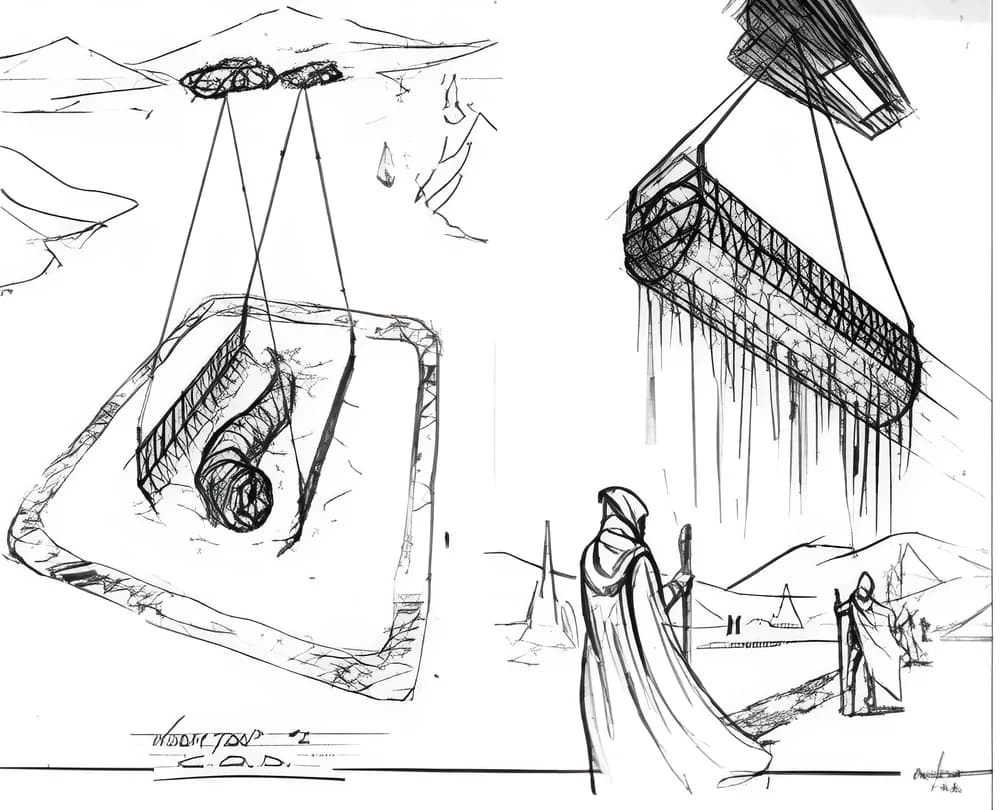
Sandworm
The sandworm was the colossal autotrophic animal of the deserts of Arrakis, honored by the Fremen as Shai-Hulud and feared across the Imperium. As the central organism in the lifecycle that produced the spice melange, it shaped the economy, religion, and history of the known universe.
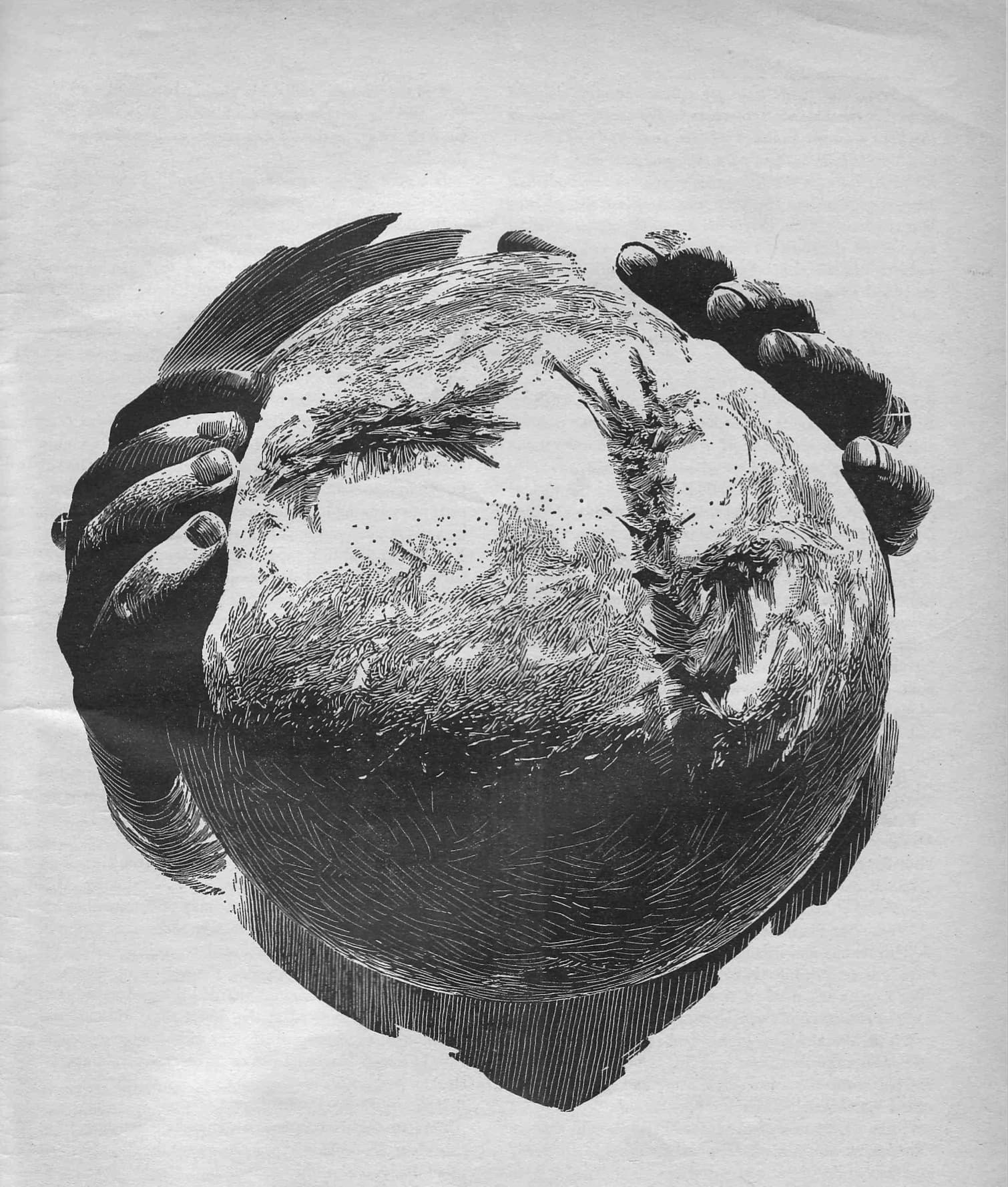
Arrakis
Arrakis, known as Dune and later as Rakis, was a harsh desert world in the Canopus system and the only natural source of the spice melange. Home to the Fremen and the sandworms, it became the seat of the Atreides empire and the center of the known universe.
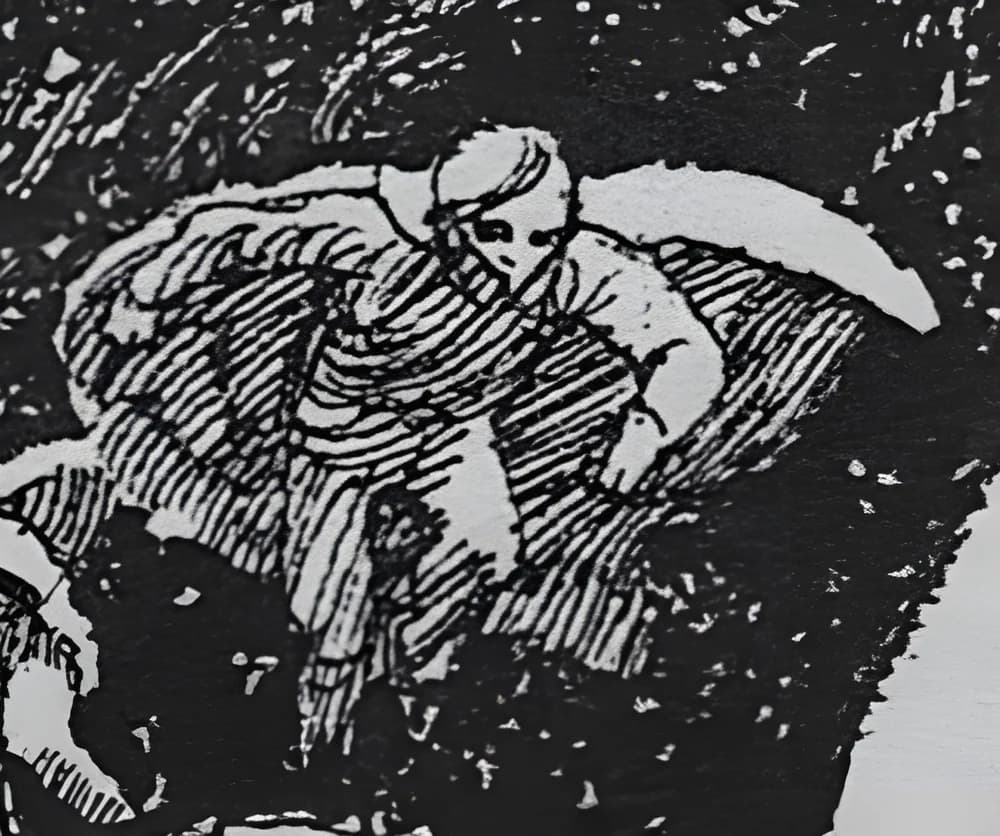
Leto Atreides II
Leto Atreides II was the third and final ruler of the Atreides Empire and its first and only God Emperor. The pre-born son of Paul Muad'Dib, he bonded with a colony of sandtrout to gain near-immortality and ruled mankind for thirty five hundred years to set humanity upon the Golden Path.
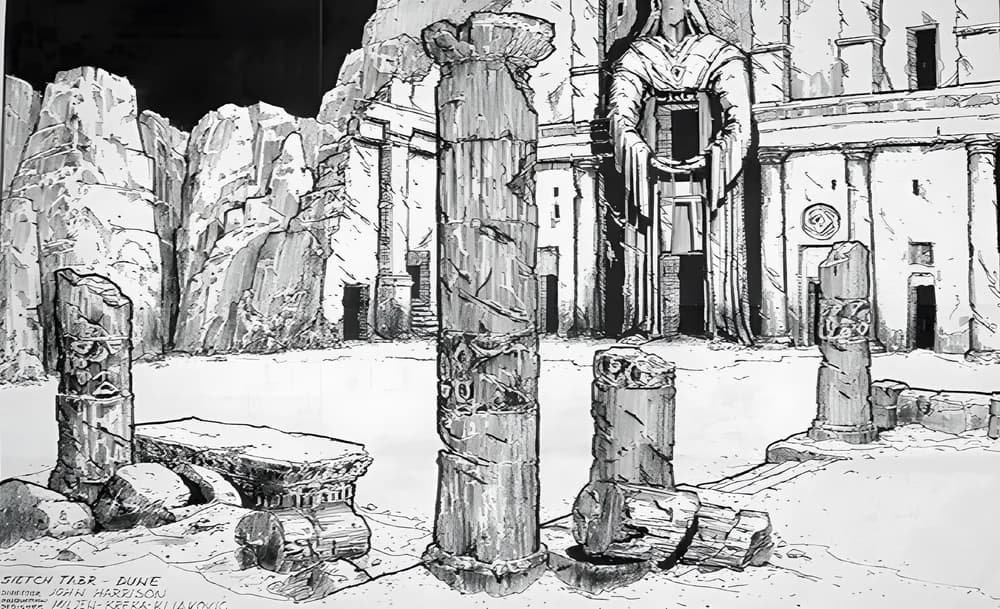
Sietch
Sietch was the Fremen term for a community or village. Hidden within the rock outcrops and caverns of the deserts of Arrakis, a sietch was a self contained settlement housing hundreds or thousands of families and the industries that sustained them.
Golden Path
The Golden Path was an expansive prescient interpretation, visible only to the Kwisatz Haderach and the Bene Gesserit, that revealed the single optimum route through the threads of cause and effect that would guarantee the long term survival of the human race.
Mentioned in13 entries
Botanical testing station: the forgotten laboratories of Arrakis
The botanical testing stations were scientific outposts on Arrakis. Pardot Kynes used his station to train Fremen and pass them the tools for hidden windtraps and catchbasins, and an abandoned one is where Duncan Idaho died holding off the Sardaukar in Dune.
Children of Dune Explained: Plot Summary and Ending
The full plot of Frank Herbert's Children of Dune in order, from the tiger attack on Paul's twins to Leto II taking the throne, with the ending explained: what happened to Alia, who the Preacher was, and what Leto's Golden Path costs him.
Dune Timeline: from the thinking machines to the end of Kralizec
A dated chronology of the Dune universe, from the first age of space travel and the Butlerian Jihad to Paul Atreides, the God Emperor, the Scattering and the last war with the machines. Events run oldest first, era by era, and every entry says which book it comes from.
Golden Path
The Golden Path was an expansive prescient interpretation, visible only to the Kwisatz Haderach and the Bene Gesserit, that revealed the single optimum route through the threads of cause and effect that would guarantee the long term survival of the human race.
Hwi Noree
Hwi Noree was the final Ixian Ambassador to Arrakis and the fiancee of the God Emperor Leto Atreides II. Genetically engineered by the Ixians to appeal to the remnants of Leto's humanity, she came to love him in truth, and her death on the way to their wedding hastened the end of his reign.
Leto Atreides II
Leto Atreides II was the third and final ruler of the Atreides Empire and its first and only God Emperor. The pre-born son of Paul Muad'Dib, he bonded with a colony of sandtrout to gain near-immortality and ruled mankind for thirty five hundred years to set humanity upon the Golden Path.
Melange
Melange, commonly called simply the spice, was a naturally produced awareness spectrum narcotic found only on Arrakis. It was the foundation of commerce, longevity, and interstellar travel across the Imperium, the single resource capable of creating or destroying an empire.
Pardot Kynes
Pardot Kynes was the Imperial Planetologist who first studied Arrakis, married into the Fremen, and gave them his dream of greening the desert. His vision of a transformed Dune would be carried on by his son Liet-Kynes.
Paul Atreides' Children: Leto II and Ghanima
Paul Atreides has three children, all with Chani. Their first son, Leto, is killed as a baby in Dune. The twins Leto II and Ghanima are born at the end of Dune Messiah, and Leto II goes on to rule the universe for more than three thousand years. Here is each of them.
Sandworm
The sandworm was the colossal autotrophic animal of the deserts of Arrakis, honored by the Fremen as Shai-Hulud and feared across the Imperium. As the central organism in the lifecycle that produced the spice melange, it shaped the economy, religion, and history of the known universe.
Sietch Jacurutu: the water thieves the Fremen erased
Sietch Jacurutu was a legendary settlement of the deep desert whose people, the Iduali, murdered other Fremen for the water in their bodies until the tribes banded together and destroyed them. The survivors rebuilt under the name Fondak and sold passage off Arrakis to whoever could pay, and the sietch became the place where the nine year old Leto Atreides II found the shape of his Golden Path.
Spice blow: the explosion that turns sand into melange
A spice blow was the violent final stage of the melange cycle on Arrakis, in which a carbon dioxide bubble built up inside a pre-spice mass and heaved the whole deposit to the surface in an eruption of dust and raw spice. Every Fremen knew the sound of one, every sandworm was drawn to it, and Liet-Kynes died inside one.
+ 1 more
Get new articles in your inbox
No spam. New lore drops, canon conflicts, and deep dives only when they’re worth reading.
Some links on Lore Fortress are affiliate links. If you buy through them we earn a small commission at no extra cost to you.