Sietch
the Fremen community
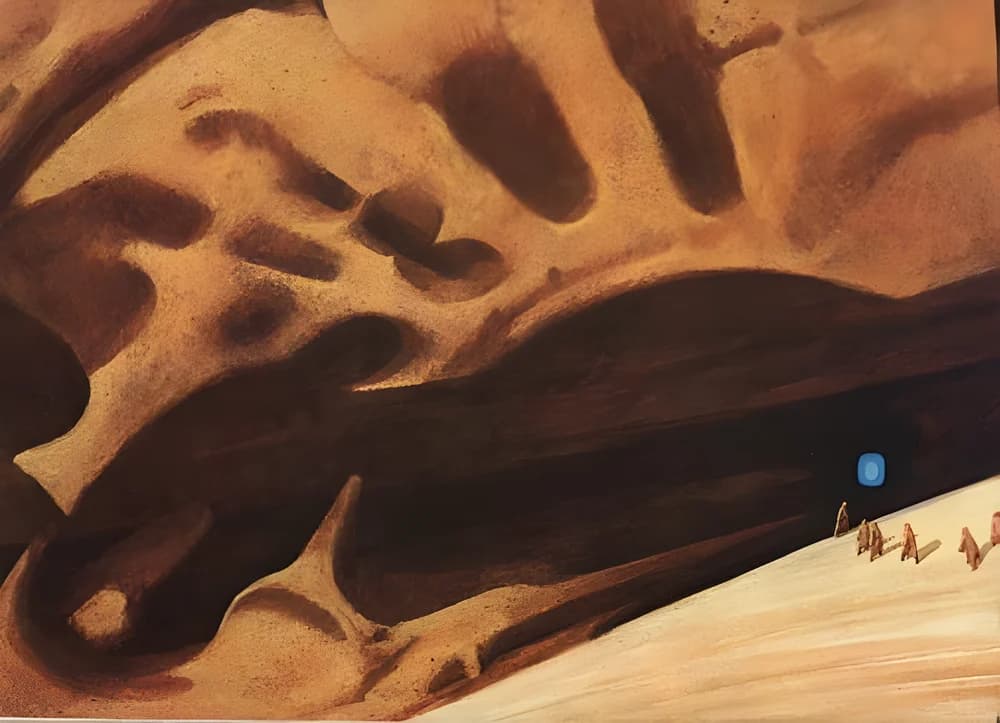
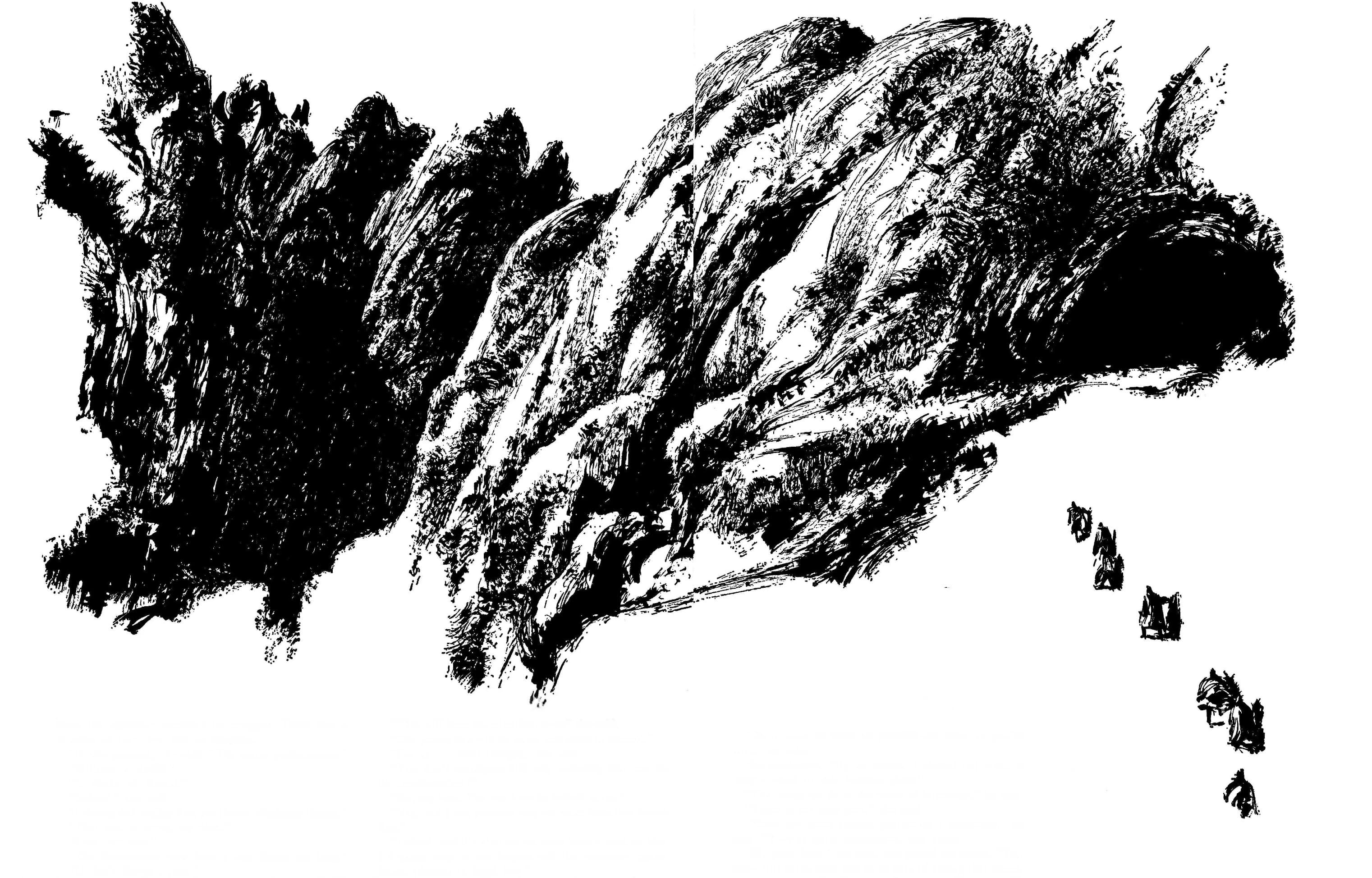
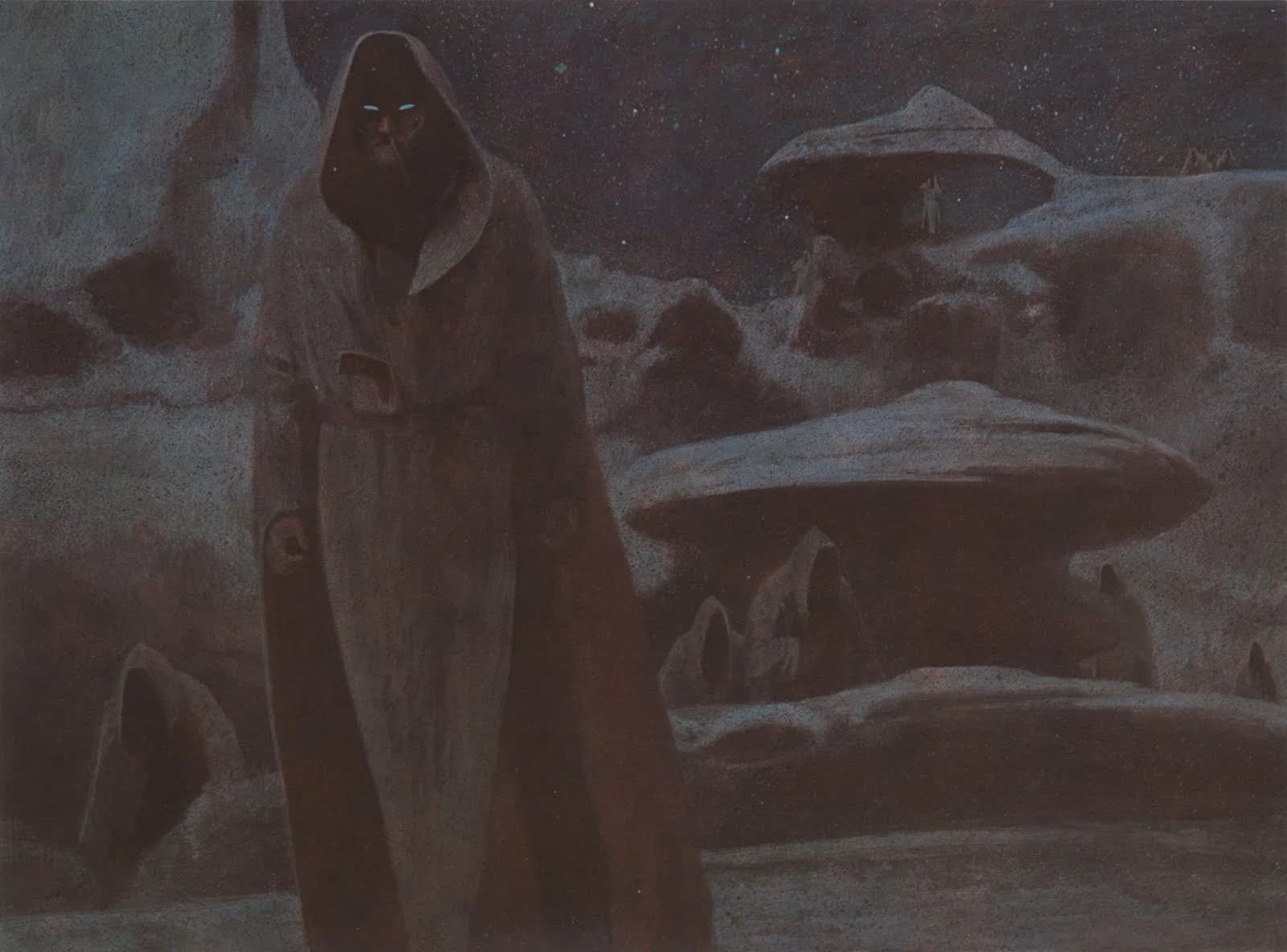
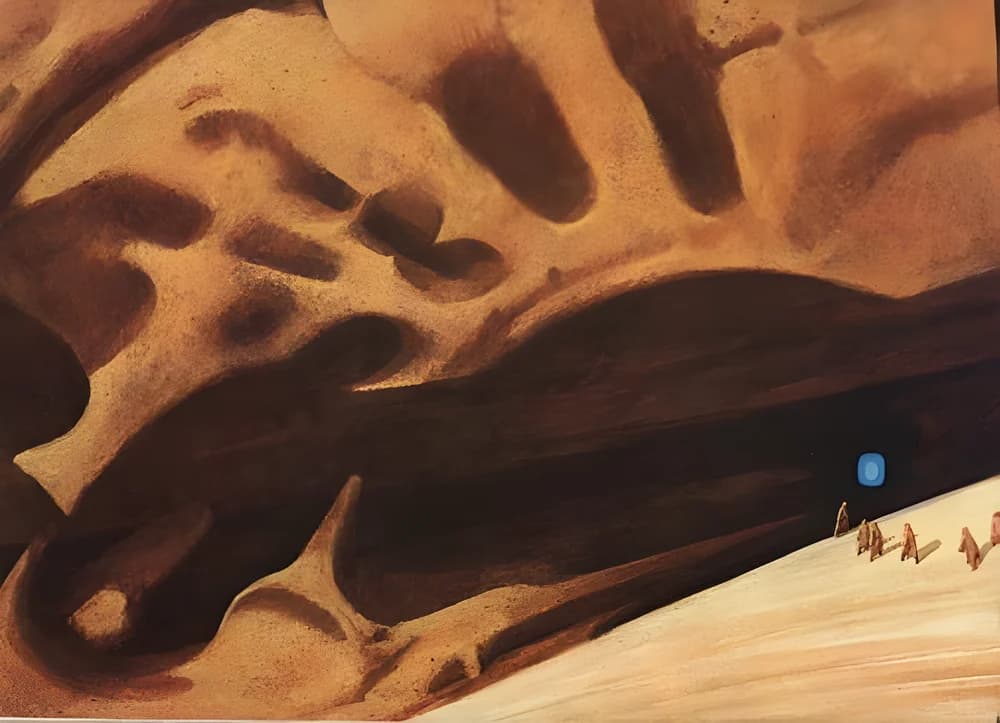
Sietch was the Fremen term for a community or village. Hidden within the rock outcrops and caverns of the deserts of Arrakis, a sietch was a self contained settlement housing hundreds or thousands of families and the industries that sustained them.
Sietch was the term the Fremen used for a community or village. Scattered through the deserts of Arrakis, each sietch was a hidden settlement carved into mountains and rock outcrops, and the most famous of them was Sietch Tabr, the home of Stilgar's tribe. (Dune)
Location and structure#
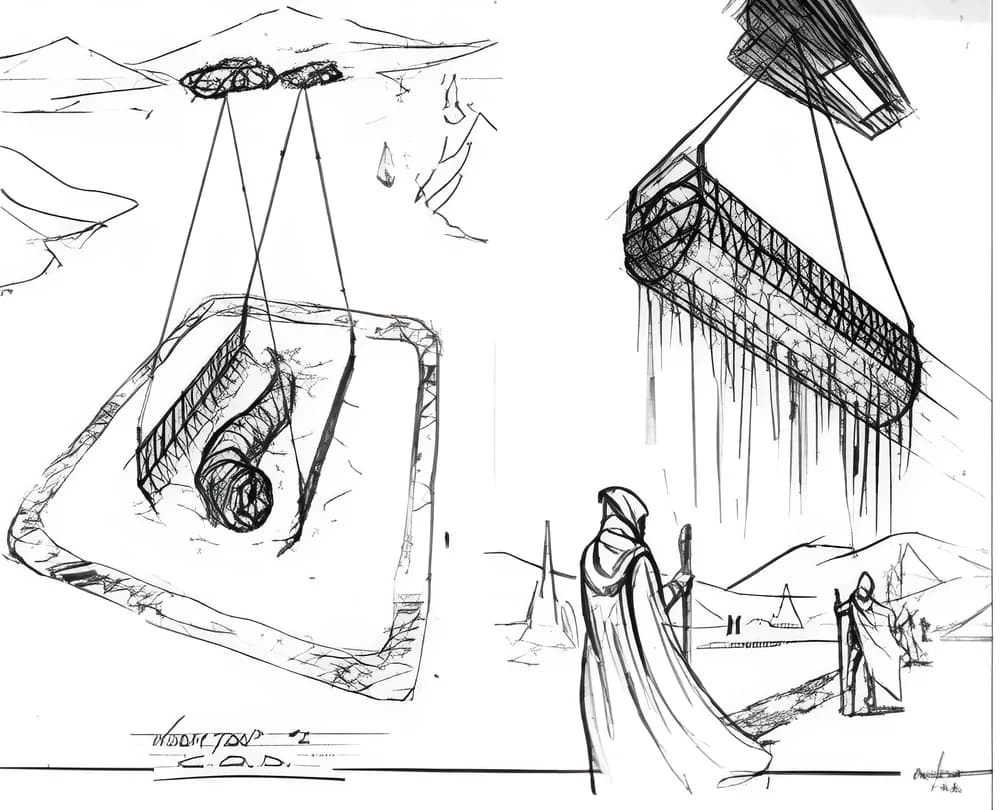
A sietch was typically located within the mountains or rock outcrops scattered throughout the deserts of Arrakis, hidden from the harsh sun Canopus. It was built within a man made or naturally carved cave system, or a combination of both. The mountains and the network of tunnels and caves had to be large, capable of housing the hundreds or even thousands of Fremen families of a tribe as well as all the internal economies and industries of a small city. Stillsuit manufacturing, the processing of spice into fibrous form, small scale farming, food processing, water storage, water reclamation, and power supply were common to most if not all sietch communities. (Dune)
The physical infrastructure consisted of living and ceremonial quarters and was constantly guarded, primarily against hostile off world humans. Although most Fremen within a sietch shared much in common, some privacy was allowed, and a Fremen and his family would usually be assigned a small number of rooms called a yali. When a Fremen was killed in the Tahaddi Challenge, his yali went to the victor along with his other possessions, as Jamis's passed to Paul. A sietch commonly included windtraps, condensers, dew collectors, stillsuit shops, water traps, qanats, and catch basins, along with sietch schools, factories, gardens, and storage basins. Sietch communities such as Sietch Tabr also held the rites of the Water of Life, for which a small sandworm was drowned, and the sietch-wide spice orgy that followed. (Dune)
Government and the name#
Each sietch was governed by a Naib, the tribal leader. During the era of Muad'Dib's rebellion many of the southern sietches, often palmaries or oases, and many sietch villages in general were converted into sietch fortresses for the war effort. (Dune)
The term sietch originally meant place of assembly in time of danger. Due to the constantly threatened nature of Fremen life, the word gradually broadened into a general term for any communal gathering or home. Among the many known sietches recorded across Arrakis were Red Chasm Sietch and the lost Sietch Jacurutu, alongside Sietch Tabr itself. (Dune; Children of Dune)
Frequently asked questions
- What is a sietch?
- Sietch was the term the Fremen used for a community or village. Scattered through the deserts of Arrakis, each sietch was a hidden settlement carved into mountains and rock outcrops.
- Where were sietches located?
- A sietch was typically located within the mountains or rock outcrops scattered throughout the deserts of Arrakis, hidden from the harsh sun Canopus. It was built within a man made or naturally carved cave system, or a combination of both, large enough to house the hundreds or thousands of families of a tribe.
- How was a sietch governed?
- Each sietch was governed by a Naib, the tribal leader, and was constantly guarded, primarily against hostile off world humans. A Fremen and his family were usually assigned a small number of rooms called a yali, which passed to the victor if he was killed in the Tahaddi Challenge.
- What did the word sietch originally mean?
- The term sietch originally meant place of assembly in time of danger. Due to the constantly threatened nature of Fremen life, the word gradually broadened into a general term for any communal gathering or home.
- What industries did a sietch contain?
- A sietch held the internal economies of a small city, including stillsuit manufacturing, the processing of spice into fibrous form, small scale farming, food processing, water storage, water reclamation, and power supply. It commonly included windtraps, condensers, dew collectors, stillsuit shops, water traps, qanats, catch basins, schools, factories, gardens, and storage basins.
Gallery
Images via Dune Wiki
Sources
- BookDune, Frank Herbert, Chilton Books, 1965; including the Terminology of the Imperium
- BookChildren of Dune, Frank Herbert, G. P. Putnam's Sons, 1976
Spotted a factual error or a primary source we missed? Email a correction. Every flagged claim gets reviewed.
Followed from this entry
Naib: leader of a Fremen sietch
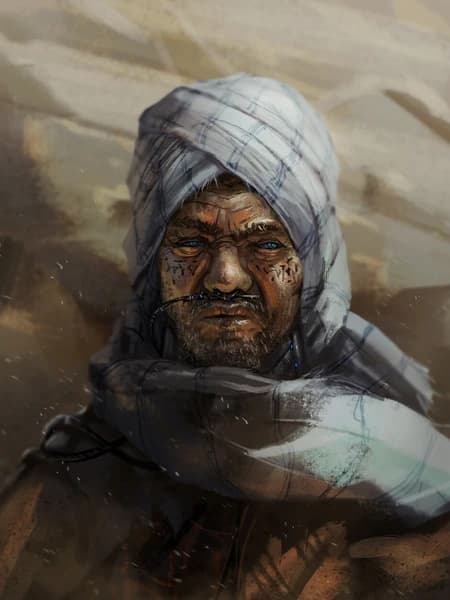
Naib was the Fremen title borne by the leader of a sietch. The word carried the meaning of one who had sworn never to be taken alive by the enemy, and in older usage it signified a servant of the sietch. By custom a man became Naib by fighting and killing the leader who came before him.
Arrakis
Arrakis, known as Dune and later as Rakis, was a harsh desert world in the Canopus system and the only natural source of the spice melange. Home to the Fremen and the sandworms, it became the seat of the Atreides empire and the center of the known universe.
Fremen
The Fremen were a culture of humans descended from the Zensunni Wanderers who made the desert planet Arrakis their home. Hardened by water scarcity and generations of persecution, they became the finest fighters in the Known Universe and the foot soldiers of Paul Atreides and his jihad.
Sandworm
The sandworm was the colossal autotrophic animal of the deserts of Arrakis, honored by the Fremen as Shai-Hulud and feared across the Imperium. As the central organism in the lifecycle that produced the spice melange, it shaped the economy, religion, and history of the known universe.
Sietch Tabr
Sietch Tabr was a major Fremen community on Arrakis, led by Naib Stilgar. It was the first sietch to shelter Paul and Jessica Atreides after the fall of House Atreides, and it became the foundation of the Arrakis Revolt that launched Muad'Dib's jihad.
Stilgar
Stilgar is the Fremen Naib of Sietch Tabr who takes in Paul Atreides and Lady Jessica, becomes Paul's governor of Arrakis and his most loyal Fremen, and later helps raise the Atreides twins Leto II and Ghanima.
Mentioned in17 entries
Alia's Temple: the fane of St. Alia of the Knife
Alia's Temple, also called Alia's Fane, was the colossal temple in Arrakeen dedicated to the worship of St. Alia of the Knife. Raised beside Paul's Keep as one of the wonders of the universe, it drew pilgrims from across the Imperium, hid dungeons beneath its maze of corridors, and became the stage for the fall of the Regent Alia Atreides.
Arrakeen: the first city built on Arrakis
Sheltered by the Shield Wall near the northern pole, it held the Emperor's officials, House Atreides, then Muad'Dib's empire, then Leto II's festival city Onn.
Botanical testing station: the forgotten laboratories of Arrakis
The botanical testing stations were scientific outposts on Arrakis. Pardot Kynes used his station to train Fremen and pass them the tools for hidden windtraps and catchbasins, and an abandoned one is where Duncan Idaho died holding off the Sardaukar in Dune.
Czigo: Harkonnen soldier and assassin
Czigo was a soldier and assassin of House Harkonnen who fought in the Siege of Arrakeen in 10191 AG. Assigned by the Mentat Piter de Vries to carry Paul Atreides and the Lady Jessica into the deserts beyond the Shield Wall and kill them there, he died instead at the hands of his prisoners when the Lady Jessica turned the Voice upon him.
Eyes of Ibad: the blue-within-blue mark of melange addiction
The Eyes of Ibad were the blue-within-blue eyes produced by a diet high in melange, in which the whites and irises alike turned a deep blue. Universal among the Fremen of Arrakis and seen in spice addicts everywhere, the mark told any observer at a glance how deeply its bearer depended on the spice.
Fremen language
The Fremen language was a descendant of ancient Arabic and Chakobsa, spoken on Arrakis by the Zensunni wanderers who became the Fremen. Shaped by the ferocity of the desert, it grew rich in terms for sand, wind, and water, and under Muad'Dib it became the sacred language of the Imperium.
Gurney Halleck
Gurney Halleck was the Warmaster of House Atreides under Duke Leto and later his son Paul, and one of Paul's principal teachers. A warrior, minstrel, and implacable enemy of the Harkonnens, he served the Atreides line from Caladan to the reign of Leto II.
Naib: leader of a Fremen sietch
Naib was the Fremen title borne by the leader of a sietch. The word carried the meaning of one who had sworn never to be taken alive by the enemy, and in older usage it signified a servant of the sietch. By custom a man became Naib by fighting and killing the leader who came before him.
Poison snooper
Poison snoopers were mechanical devices that detected poison in food and drink by analyzing radiation within the olfactory spectrum. A staple of the feuding Great Houses of the Faufreluches, they came in fixed ceiling mounted and portable hand held forms.
Sandtrout
Sandtrout were the docile larval form of the sandworms of Arrakis, grey leathery creatures that locked together beneath the sand to trap the planet's water underground. Not native to Arrakis, they were the agents of its desertification, and one colony fused with Leto Atreides II to begin the Golden Path.
Sietch Jacurutu: the water thieves the Fremen erased
Sietch Jacurutu was a legendary settlement of the deep desert whose people, the Iduali, murdered other Fremen for the water in their bodies until the tribes banded together and destroyed them. The survivors rebuilt under the name Fondak and sold passage off Arrakis to whoever could pay, and the sietch became the place where the nine year old Leto Atreides II found the shape of his Golden Path.
Sietch Tabr
Sietch Tabr was a major Fremen community on Arrakis, led by Naib Stilgar. It was the first sietch to shelter Paul and Jessica Atreides after the fall of House Atreides, and it became the foundation of the Arrakis Revolt that launched Muad'Dib's jihad.
+ 5 more
Get new articles in your inbox
No spam. New lore drops, canon conflicts, and deep dives only when they’re worth reading.
Some links on Lore Fortress are affiliate links. If you buy through them we earn a small commission at no extra cost to you.