Thessia
Homeworld of the Asari
Thessia was the homeworld of the asari, a wealthy and stable world rich in element zero that was long regarded as one of the most prosperous in the galaxy. Its peaceful republics were shattered by the Reaper assault during the war of 2186.
Thessia was the homeworld of the asari, a prosperous and long-stable world that had been called the crown jewel of the galaxy and the apex of democracy. Its fortunes rested on a wealthy economy backed by colonies and vast reserves of element zero, until they were upended by the Reaper assault during the war of 2186. The world featured prominently in the galaxy's affairs through the influence of the asari on the Citadel Council and in Commander Shepard's search for a way to defeat the Reapers. (Mass Effect 3)
A prosperous and stable world#
Thessia was widely regarded as one of the finest worlds in the galaxy, called by some the crown jewel of the galaxy, the apex of democracy, and the beating heart of galactic love. Its republics enjoyed a remarkably low incidence of war, disease, violent crime, and famine, sustained by a stable economy that drew on wealthy colonies and the planet's vast reserves of element zero. So abundant was the substance that traces of it were common in the water and soil, and most life on Thessia had adapted to its constant presence. (Mass Effect 3)
Thessia was the cultural center of the asari, with a distinctive fashion sense that attracted patrons even from other species. Among the world's known native plants was the common irssal, a blossom that smelled of honey, whose seeds Milky Way colonists carried to the Andromeda galaxy in the hope of one day starting a garden there. Thessia served as a terminus on the shipping lane to Illium, anchoring the asari in the commerce of the wider galaxy. (Mass Effect 2; Mass Effect: Andromeda)
The Reaper assault#
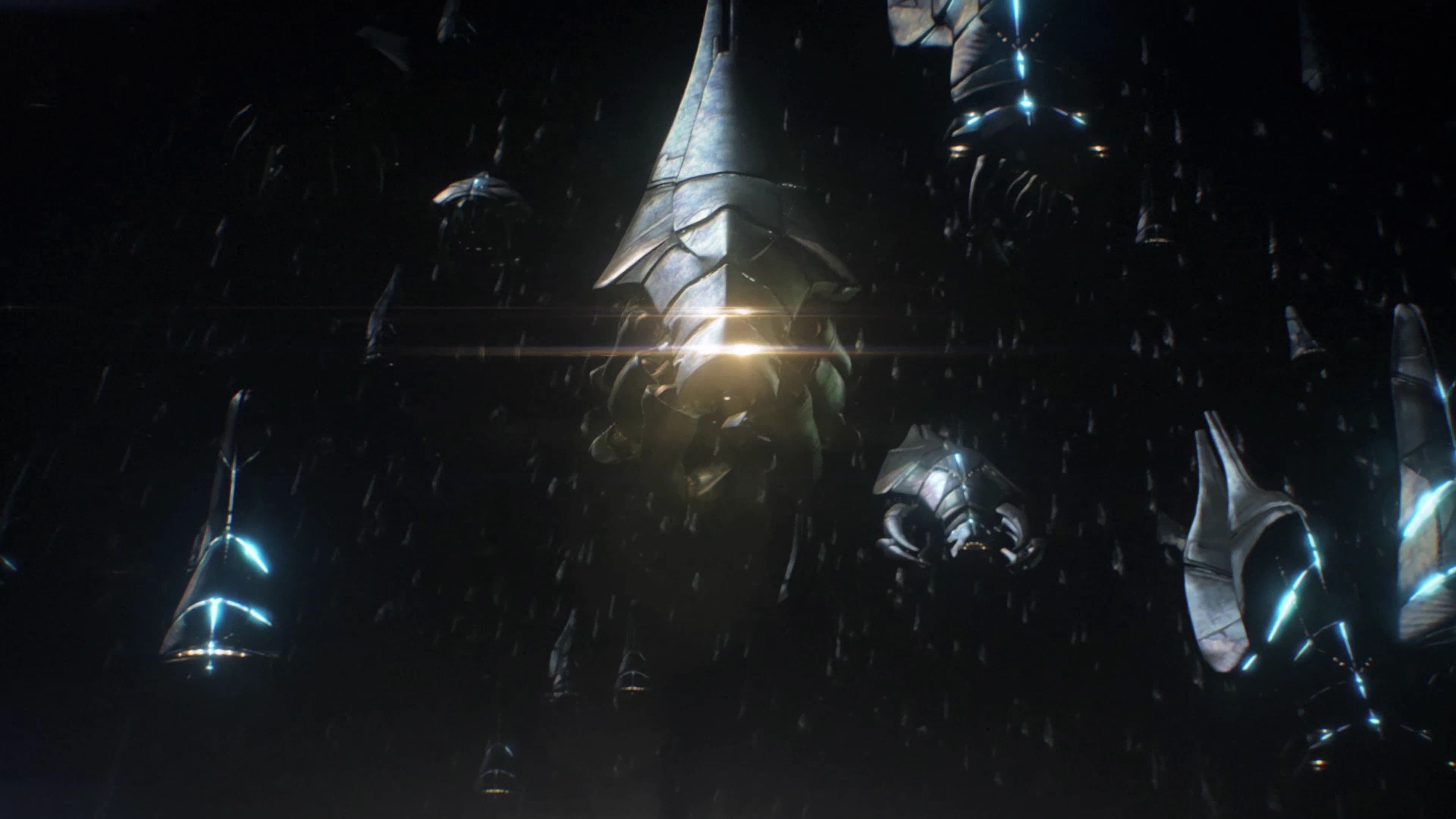
Thessia's long fortune was undone by the Reaper invasion. The communications infrastructure that formed the backbone of its electronic democracies was eliminated, and millions of asari were left without power, water, or food. This was a deliberate part of the Reaper strategy: by crippling the population's infrastructure, the Reapers sought to coerce the asari into widespread surrender, since their husks alone struggled to subdue or capture a population so heavily endowed with biotic ability. The fall of so prosperous and proud a world stood as a stark measure of the scale of the Reaper threat during the war of 2186. (Mass Effect 3)
Frequently asked questions
- What is Thessia?
- Thessia was the homeworld of the asari, a prosperous and long-stable world that had been called the crown jewel of the galaxy and the apex of democracy. Its fortunes rested on a wealthy economy backed by colonies and vast reserves of element zero.
- Why was Thessia so prosperous?
- Thessia's republics enjoyed a remarkably low incidence of war, disease, violent crime, and famine, sustained by a stable economy that drew on wealthy colonies and the planet's vast reserves of element zero. The substance was so abundant that traces of it were common in the water and soil, and most life on Thessia had adapted to its constant presence.
- What was Thessia known for culturally?
- Thessia was the cultural center of the asari, with a distinctive fashion sense that attracted patrons even from other species. Food and drink were customarily served with small amounts of element zero, and the world served as a terminus on the shipping lane to Illium.
- What happened to Thessia during the Reaper War?
- During the Reaper invasion the communications infrastructure that formed the backbone of Thessia's electronic democracies was eliminated, leaving millions of asari without power, water, or food. This was a deliberate Reaper strategy to coerce the asari into surrender, since their husks alone struggled to subdue a population so heavily endowed with biotic ability.
Sources
- GameMass Effect 2, BioWare, 2010
- GameMass Effect 3, BioWare, 2012
- GameMass Effect: Andromeda, BioWare, 2017
Spotted a factual error or a primary source we missed? Email a correction. Every flagged claim gets reviewed.
Followed from this entry

Illium
Illium was a hot garden world colonized by asari corporate interests as a trade hub between the Terminus Systems and the Asari Republics, where relaxed customs laws made almost any good available. During the Reaper War its wealthy, well armed leaders mounted a fierce defense that slowed the invaders.

Citadel Council
The Citadel Council was the executive committee that governed Citadel space from the Citadel Tower, composed of representatives of the asari, salarians, and turians, and was the ultimate authority over Council law, interspecies disputes, and the covert Spectre agents.

Commander Shepard
Commander Shepard was a Systems Alliance N7 marine who became the first human Spectre, exposed the rogue agent Saren Arterius, and led the galaxy's resistance against the Reapers. Shepard's gender, history, and many of the choices that shaped the war were never fixed, and the final fate of the cycle turned on the Commander's own decisions.
Reaper
The Reapers were an ancient race of synthetic-organic starships that hibernated in dark space and returned once every fifty thousand years to harvest the galaxy's advanced life. They built the Citadel and the mass relay network to guide civilization down a predictable path, then reaped it to preserve organic life from synthetic destruction.
Also in Asari

Why Did Liara Become the Shadow Broker?
Liara became the Shadow Broker because she spent two years hunting the old Broker for what he did to Shepard's body and to her friend Feron, and when she finally killed him, she took over his network rather than let it fall apart. Here's how it happens in Lair of the Shadow Broker and what she did with the power.

Why Did Liara Give Shepard to Cerberus?
Liara gave Shepard's body to Cerberus because the alternative was the Collectors, and because Cerberus offered the one thing nobody else could: a chance to bring Shepard back. Here's what happened in Mass Effect: Redemption and how Liara explains it in Mass Effect 2.
Mentioned in24 entries
Asari
The asari, native to Thessia, were among the most influential species in the galaxy, renowned for their elegance, biotic talent, and millennium-long lifespans. A mono-gender people able to reproduce with a partner of any species, they founded the Citadel Council and stood at the heart of galactic society for two thousand years.
Asari Republics
The Asari Republics were the loose, consensus-driven government of the asari, the most influential species in the galaxy. As the first contemporary race to settle the Citadel, the asari were instrumental in founding the Citadel Council and remained at the heart of galactic society.
Background Races: the vanished civilizations known only from ruins
Across billions of years, countless races rose to sentience in the Milky Way and Andromeda, forged civilizations, explored the depths of space, and became extinct. The contemporary galaxy knew most of them only through ruins, wreckage, and artifacts, from the crypt builders of Armeni to the nameless dead entombed in the clouds of Anjea.
Biotics
Biotics was the ability of certain lifeforms to generate mass effect fields using element zero nodules grown through their bodies. Channelled through surgical implants and physical gestures, it let a wielder lift, hurl, and crush objects at a distance or raise protective barriers.
Broker Terminal: the Shadow Broker's window on a galaxy at war
In a cabin aboard the Normandy SR-2, a single message terminal carried the intercepted traffic of the Shadow Broker's network through the darkest months of the Reaper War. Its files ran from progress reports on the war's last superweapon and smuggler manifests to private letters that were never meant to be read.
Cerberus
Cerberus was a clandestine, human-supremacist paramilitary organization led by the Illusive Man, willing to use any means to advance humanity's place in the galaxy. Branded a terrorist group by both the Systems Alliance and the Citadel Council, it was ultimately destroyed during the Reaper War.
Citadel Council
The Citadel Council was the executive committee that governed Citadel space from the Citadel Tower, composed of representatives of the asari, salarians, and turians, and was the ultimate authority over Council law, interspecies disputes, and the covert Spectre agents.
Every Mass Effect Species and Race, With Lifespans
A field guide to every sapient species in Mass Effect, from the Council races and their clients to the krogan, the geth, the Protheans and the peoples of the Heleus Cluster. Each entry gives the homeworld, the lifespan where the games actually state one, and where the species stood with the Citadel.
Justicars: the asari order that answers only to the Code
Justicars were asari who gave up family, property and everything but weapons and armour to wander asari space enforcing a code of more than five thousand sutras. The Code admitted no moral grey and commonly prescribed death, which made justicars both revered and feared by the governments that tolerated them.
Kai Leng
Kai Leng was the Illusive Man's most trusted assassin, a cybernetically enhanced former Alliance marine turned Cerberus operative. He hunted Commander Shepard across the Reaper War before dying at the Commander's hand.
Kal'Reegar: the Migrant Fleet marine who held the bridge on Haestrom
Kal'Reegar was a quarian Migrant Fleet Marine who fought a geth platoon alone on Haestrom to keep Tali'Zorah alive, then spoke for her at her treason trial before the Admiralty Board. The Reegar Carbine is named for his family.
Liara T'Soni: Asari Researcher and Shadow Broker
Liara T'Soni was an asari archaeologist and expert on the Protheans who joined Commander Shepard's crew in 2183. Driven by the loss of her mother and the betrayal of a friend, she later seized control of the Shadow Broker's network and turned it against the Reapers.
+ 12 more
Get new articles in your inbox
No spam. New lore drops, canon conflicts, and deep dives only when they’re worth reading.
Some links on Lore Fortress are affiliate links. If you buy through them we earn a small commission at no extra cost to you.