Biotics
The living manipulation of mass effect fields
Biotics was the ability of certain lifeforms to generate mass effect fields using element zero nodules grown through their bodies. Channelled through surgical implants and physical gestures, it let a wielder lift, hurl, and crush objects at a distance or raise protective barriers.
Biotics was the ability of some lifeforms to create mass effect fields using nodules of element zero embedded in their body tissues. These powers were both accessed and amplified through implanted bio-amps, allowing a biotic to knock enemies down from a distance, lift them into the air, generate gravitational vortices that tore obstacles apart, or raise protective barriers around themselves. Among the species of the galaxy the asari were uniquely gifted, naturally biotic from birth, while biotics in other species arose only from exposure to dust-form eezo before birth. (Mass Effect; Mass Effect: Andromeda)
How biotics worked#
Biotic ability rested on tiny nodules of element zero distributed through a being's nervous system. When energized by the electrical impulses of the brain, these nodules generated mass effect fields, the same dark-energy phenomenon that powered starship drives and artificial gravity. By raising or lowering the mass of objects around them, a trained biotic could move matter, restrain a target, or deflect incoming force. (Mass Effect)
To wield these abilities at a usable level, most biotics had to learn a technique called physical mnemonics, in which a deliberate gesture caused neurons to fire in a particular sequence, sending a charge through the eezo nodules and producing the desired effect. Their powers fell into three broad categories: telekinesis, the use of mass-lowering fields to lift or hurl objects; kinetic fields, mass-raising fields that immobilized objects such as projectiles or enemies; and spatial distortion, shifting fields that ripped apart anything caught within them. Because generating dark energy demanded enormous physical effort, biotic soldiers consumed far more calories than ordinary troops and were prone to small static discharges when they touched metal. (Mass Effect)
Acquiring biotic ability#
For every species but the asari, biotic potential arose only when a developing fetus was exposed to dust-form element zero, which prompted eezo nodules to form along the nervous system. Such exposure was no guarantee of a talent. Most exposed fetuses were unaffected, and many others developed brain tumors or other severe complications. Among humans, only about one in ten exposed infants developed abilities strong and stable enough to merit training. (Mass Effect)
Once identified, a prospective biotic was usually fitted with a surgically implanted amplifier around the age of puberty, designed to make their talent strong enough to be useful. Mastering the implant meant developing conscious control over one's own nervous system, a long and difficult ordeal often assisted by biofeedback therapy. Further upgrades, called bio-amps, could enhance particular aspects of a biotic's power. The asari alone needed none of this, possessing both natural ability and a degree of voluntary control from birth. (Mass Effect)
Human biotics and the Alliance#
The first human biotics were born after a series of starship accidents in the 2150s dispersed element zero over populated areas, though their abilities were not recognized at first. Once the Systems Alliance made contact with the Citadel and learned of the effects of in-utero exposure, a company called Conatix Industries was founded to locate exposed individuals and develop human implants, and rumors persisted that some colonies were deliberately exposed to create more biotic children. (Mass Effect)
In 2160 Conatix established the Biotic Acclimation and Temperance Training program, known as BAaT, on the station Jump Zero to train the first generation of human biotics. Knowing little about the process, the Alliance covertly hired turian mercenaries as instructors; the program was shut down after one such instructor was killed in an altercation with a student, and its records remained classified. Most modern human biotics used the Alliance's safe but moderate L3 implant. Older biotics were sometimes stuck with the earlier L2 model, which could spike to greater power but was notorious for causing insanity, mental disability, and crippling pain, leaving many L2s embittered and alienated from human society. Human biotics often faced prejudice and distrust from the rest of their species, even as the Alliance military welcomed them with generous enlistment incentives and deployed them on the front lines. (Mass Effect)
Biotics across the species#
Biotic ability varied greatly in rarity and prestige from one species to another. All asari were naturally biotic to some degree, and those who trained, particularly the asari commandos, displayed formidable power without any need for implants. Krogan biotics were few but extremely powerful, the strongest training as battlemasters. Salarian biotics were unusual and highly prized, kept out of front-line combat and used in intelligence services instead. Turian biotics were uncommon, generally no stronger than a human L3, viewed with suspicion by ordinary turian infantry and relegated to special units called Cabals. Quarian biotics were very rare, a scarcity attributed to life aboard the Migrant Fleet, where element zero was too precious to spend and any accident severe enough to release eezo dust would likely kill the crew. Biotics were also recorded among batarians, drell, volus, vorcha, and others, while the abilities of species such as the hanar, elcor, and yahg went unmentioned. (Mass Effect; Mass Effect 2; Mass Effect 3)
Biotic ability was not confined to sapient beings. The eezo-rich environment of the asari homeworld Thessia gave rise to many biotic creatures beyond the asari themselves, and similar contamination elsewhere produced biotic varren and other animals. In the Andromeda galaxy, by contrast, biotics appeared to be exceedingly rare or entirely absent, unknown to the native species encountered there even in regions where element zero was abundant. (Mass Effect 2; Mass Effect 3; Mass Effect: Andromeda)
Frequently asked questions
- What are biotics?
- Biotics was the ability of some lifeforms to create mass effect fields using nodules of element zero embedded in their body tissues. These powers let a wielder knock enemies down from a distance, lift them into the air, generate gravitational vortices, or raise protective barriers.
- How do biotics work?
- Tiny nodules of element zero distributed through a being's nervous system generated mass effect fields when energized by the electrical impulses of the brain. Most biotics had to learn physical mnemonics, deliberate gestures that caused neurons to fire in a particular sequence, sending a charge through the eezo nodules to produce the desired effect.
- How do species other than asari gain biotic ability?
- For every species but the asari, biotic potential arose only when a developing fetus was exposed to dust-form element zero, which prompted eezo nodules to form along the nervous system. Such exposure was no guarantee of a talent, as most exposed fetuses were unaffected and many developed brain tumors or other severe complications; among humans, only about one in ten exposed infants developed usable abilities.
- How did human biotics emerge?
- The first human biotics were born after a series of starship accidents in the 2150s dispersed element zero over populated areas. After contact with the Citadel, the Systems Alliance backed efforts to locate exposed individuals, and in 2160 the Biotic Acclimation and Temperance Training program, known as BAaT, was established on Jump Zero to train the first generation.
- Why were L2 implants infamous?
- Most modern human biotics used the Alliance's safe but moderate L3 implant, but older biotics were sometimes stuck with the earlier L2 model. The L2 could spike to greater power but was notorious for causing insanity, mental disability, and crippling pain, leaving many L2s embittered and alienated from human society.
Sources
- GameMass Effect, BioWare, 2007
- GameMass Effect 2, BioWare, 2010
- GameMass Effect 3, BioWare, 2012
- GameMass Effect: Andromeda, BioWare, 2017
Spotted a factual error or a primary source we missed? Email a correction. Every flagged claim gets reviewed.
Followed from this entry

Element zero
Element zero, nicknamed eezo, was a rare material that released dark energy when subjected to an electrical current, letting it raise or lower the mass of everything in the resulting field. It underpinned faster-than-light travel, artificial gravity, and the biotic abilities of living beings.
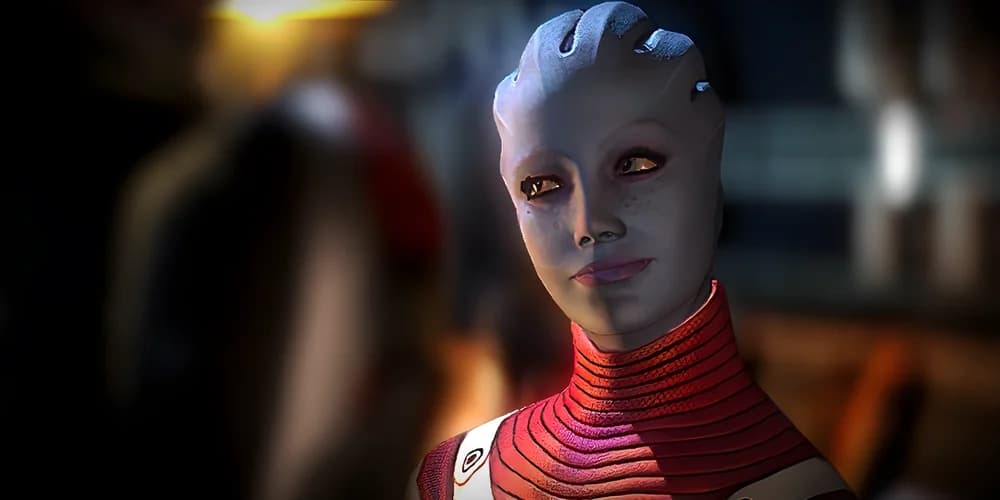
Asari
The asari, native to Thessia, were among the most influential species in the galaxy, renowned for their elegance, biotic talent, and millennium-long lifespans. A mono-gender people able to reproduce with a partner of any species, they founded the Citadel Council and stood at the heart of galactic society for two thousand years.
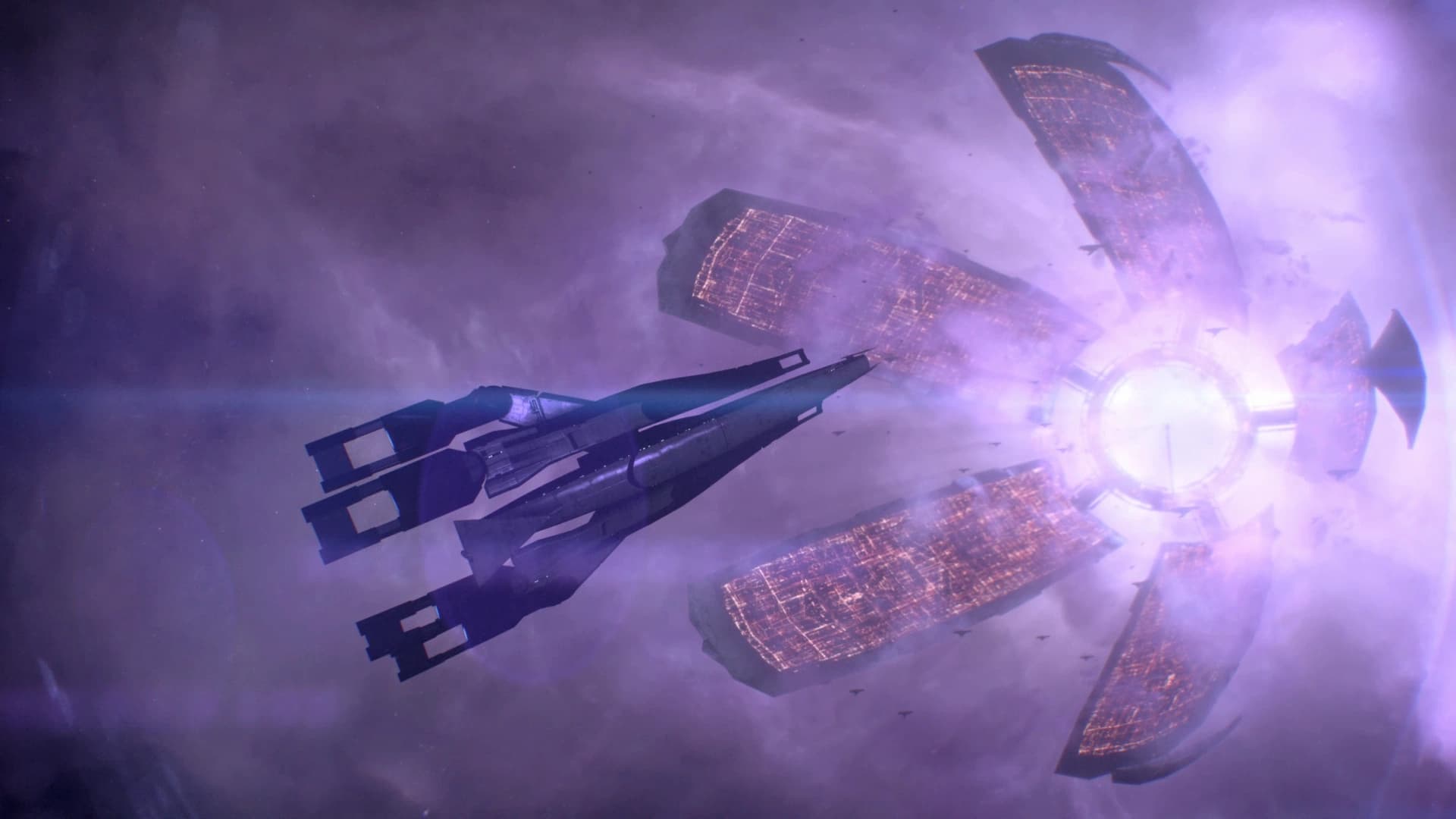
Citadel
The Citadel was a colossal deep-space station in the Serpent Nebula that served as the political and cultural heart of Citadel space and the seat of the Council. Long believed to be a Prothean relic, it was in truth a Reaper construction and a dormant trap at the center of galactic civilization.
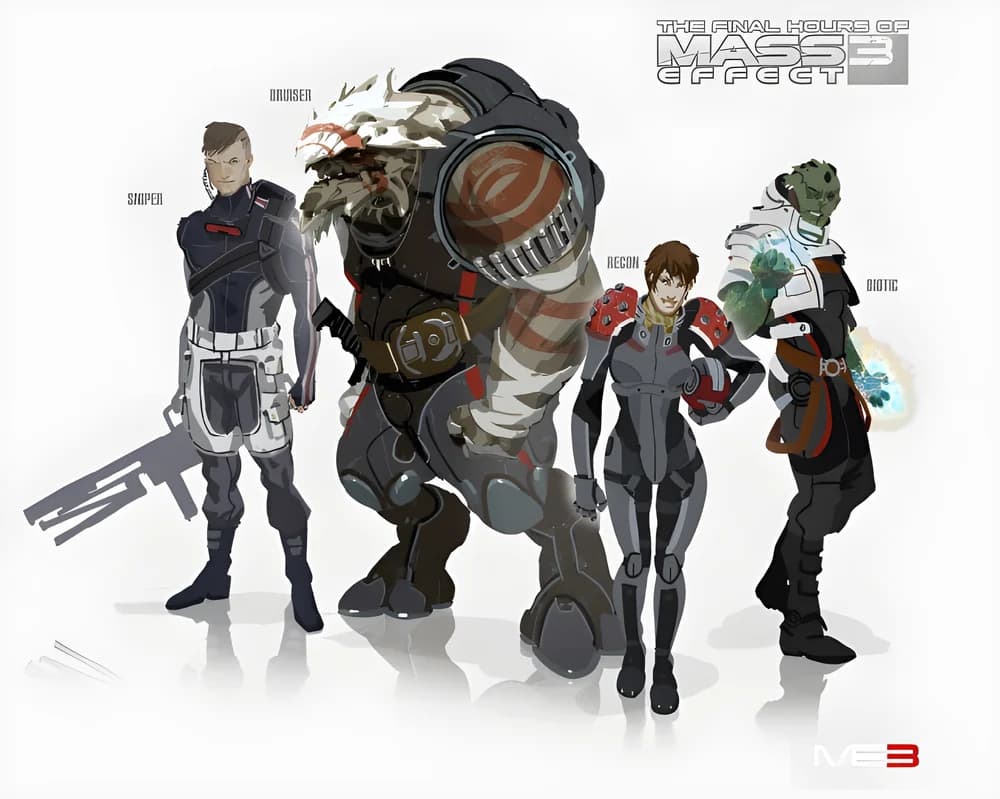
Krogan
The krogan were a hardy, long-lived reptilian species from the brutal world of Tuchanka, uplifted by the salarians to win the Rachni Wars before their explosive growth made them a threat in turn. The turian-deployed genophage crippled their fertility and left them a scattered, fatalistic people.
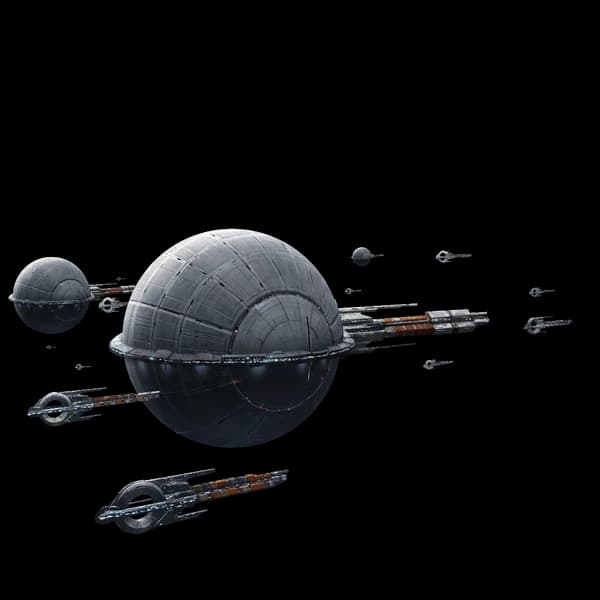
Migrant Fleet
Known to its people as the Flotilla, the Migrant Fleet was the vast collection of starships that became home to the quarians after the geth drove them from their world. Some fifty thousand vessels carried seventeen million quarians across the galaxy in a centuries-long exile.
Quarian
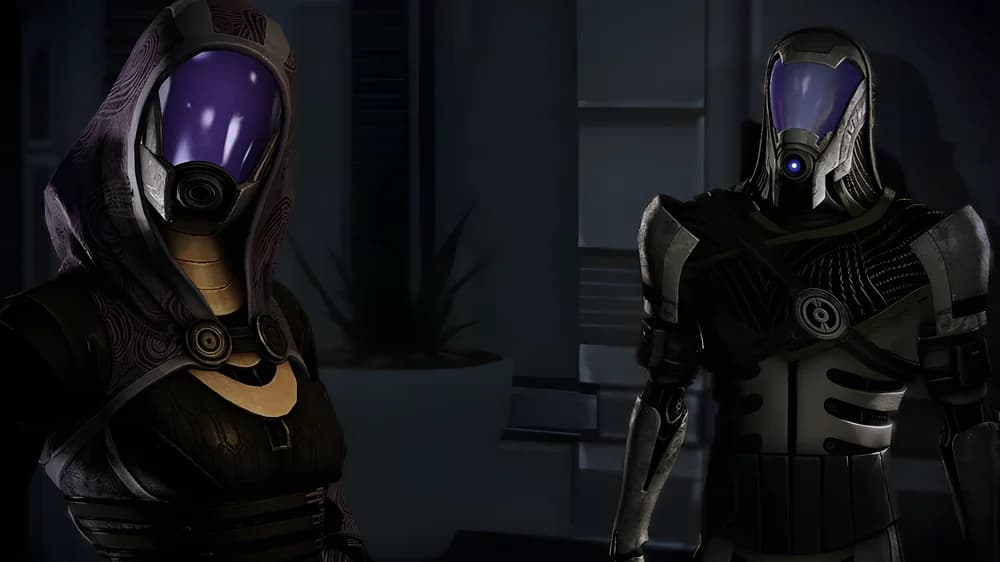
The quarians were a nomadic, technologically gifted species exiled from their homeworld Rannoch after their created servants, the geth, gained sentience and drove them out. For generations they wandered the galaxy aboard the Migrant Fleet, a vast flotilla of salvaged ships.
Mentioned in8 entries
Acolyte: Asari Heavy Pistol
The Acolyte was an asari heavy pistol designed for the asari resistance, firing charged projectiles akin to impact triggered resonant warp bombs. It collapsed kinetic shields and biotic barriers with a single detonation, trusting the shooter's own biotics to finish whatever armor it could not pierce.
Dragoon: Cerberus's biotic shock trooper
The Dragoon was a heavily armored Cerberus combat specialist of the Reaper War, a biotic shock trooper who lunged across battlefields behind whips of yellow biotic energy. Often linked by players to Project Phoenix, Dragoons shunned cover, hunted in pairs and trios, and finished fallen enemies with a stomp.
Drugs: the narcotics and medicines of the galaxy
Drugs were chemical substances that altered the normal bodily functions of an organism, and the galactic market for them was lucrative enough that criminal enterprises produced, sold, and smuggled them despite legal restrictions. They ranged from lifesaving antibiotics to red sand, a narcotic refined from element zero that granted brief biotic power, and to suppressants engineered to strip a biotic of that power entirely.
Element zero
Element zero, nicknamed eezo, was a rare material that released dark energy when subjected to an electrical current, letting it raise or lower the mass of everything in the resulting field. It underpinned faster-than-light travel, artificial gravity, and the biotic abilities of living beings.
Justicars: the asari order that answers only to the Code
Justicars were asari who gave up family, property and everything but weapons and armour to wander asari space enforcing a code of more than five thousand sutras. The Code admitted no moral grey and commonly prescribed death, which made justicars both revered and feared by the governments that tolerated them.
Salarian
The salarians of Sur'Kesh were warm-blooded amphibians with a hyperactive metabolism, fast-thinking and short-lived, renowned for invention, espionage, and non-linear reasoning. The second species to join the Citadel, they uplifted the krogan and later engineered the genophage.
Salarian Union
The Salarian Union was the labyrinthine, matrilineal government of the salarians, the second species to join the Citadel Council. Masters of espionage and bleeding-edge technology, the salarians shaped the krogan, the genophage, and the founding of the Spectres.
Shiala: the asari commando Saren traded to the Thorian
Shiala followed Matriarch Benezia for nearly two centuries, was handed to the Thorian on Feros so Saren could buy the Prothean Cipher, and gave the same Cipher to Shepard afterwards. She is the only person to shake off Sovereign.
Get new articles in your inbox
No spam. New lore drops, canon conflicts, and deep dives only when they’re worth reading.
Some links on Lore Fortress are affiliate links. If you buy through them we earn a small commission at no extra cost to you.