Citadel Council
Governing Body of Citadel Space
The Citadel Council was the executive committee that governed Citadel space from the Citadel Tower, composed of representatives of the asari, salarians, and turians, and was the ultimate authority over Council law, interspecies disputes, and the covert Spectre agents.
The Citadel Council was the governing body of the Citadel and the ultimate authority in Citadel space. Convening in the Citadel Tower, the Council passed judgement on violations of Council law, settled disputes between governments, and maintained order, often through its covert intelligence service, the Spectres. It was an executive committee composed of one representative from each member species, and although it held no official power over the independent governments of other peoples, its decisions carried enormous weight across the galaxy. The Council would prove central to the rise of humanity, the hunt for the rogue Spectre Saren, and the galaxy's eventual reckoning with the Reapers. (Mass Effect; Mass Effect 3)
Structure and role#
The Council was an executive committee composed of one representative each from its member species, with no single race strong enough to defy the others, giving all a vested interest in compromise and cooperation. Each member species was associated with a general aspect of governing the galaxy: the asari were seen as diplomats and mediators, the salarians gathered intelligence and information, and the turians supplied the bulk of the military and peacekeeping forces. Any species granted an embassy on the Citadel was considered an associate member, bound by the accords of the Citadel Conventions; associate members could raise issues with the Council but had no say in its final decisions. (Mass Effect)
Founding and expansion#
The Council was founded in 500 BCE by the asari and salarians, the first two races to independently discover the Citadel at the hub of the mass relay network, with the asari proposing the partnership. Its founding marked the beginning of the Galactic Standard calendar. Over the following five centuries the Council expanded outward, making first contact with new races and incorporating them into the growing community. The volus were the earliest, granted an embassy in 200 BCE in recognition of contributions such as the Unified Banking Act that established the credit as a standard currency, and the batarians, elcor, hanar, and quarians were welcomed during the same era. (Mass Effect)
Wars of the early Council#
Peaceful expansion ended with the accidental discovery of the hive-minded rachni around 1 CE, who reacted with extreme hostility and began a large-scale war. Unable to negotiate with the rachni queens in their underground nests, the Council turned the tide after the salarians made first contact with the krogan in 80 CE, uplifting and manipulating the resilient species into serving as soldiers. The krogan stormed rachni nests and exterminated the queens, and by 300 CE the rachni were declared extinct. A lasting result was the prohibition on activating uncharted mass relays. (Mass Effect)
Some four centuries later the krogan, having exploded in numbers and encroached on other races' territories, refused a Council order to withdraw from the asari colony of Lusia, sparking the Krogan Rebellions. The conflict persisted for a century until the Council made first contact with the turians, who declared war on the krogan and deployed the salarian-developed genophage to cripple their ability to replenish their forces. After the Rebellions, the Citadel Conventions were drawn up, the turians assumed the military niche the krogan had vacated, and in recognition of that role they were inducted as the Council's third full member. (Mass Effect)
Humanity and the Reaper denial#
The next thousand years were relatively peaceful, broken by incidents such as the Geth War of 1895 CE, after which the Council revoked the quarians' embassy and tightened laws on artificial intelligence research. The Council intervened in the Relay 314 Incident of 2157, the brief conflict humans called the First Contact War, brokering a peace that forced the turians to pay reparations. Humanity rose quickly to prominence and was granted a Citadel embassy in 2165. (Mass Effect)
When Commander Shepard's induction as the first human Spectre coincided with the exposure of the rogue Spectre Saren Arterius, the Council tasked Shepard with apprehending him but repeatedly refused to treat the Reapers as anything more than a story Saren used to control the geth, citing the absence of corroborating intelligence. The salarian councilor explained that the Council's decisions affected trillions of lives and could not be made on a single person's word without evidence. Reluctant to risk war with the Terminus Systems, the Council declined to send a fleet to Ilos, and Shepard escaped a grounded Normandy just before Saren and the Reaper Sovereign assaulted the Citadel. (Mass Effect)
The Battle of the Citadel and its aftermath#
During the assault, the Council was evacuated to the asari dreadnought Destiny Ascension, which came under heavy fire. Returning through the Conduit, Shepard faced a choice in deploying the arriving Alliance fleet that determined the Council's fate. Focusing on Sovereign and abandoning the Council led to the destruction of the Destiny Ascension and the deaths of the councilors, after which a new Council was formed; alternatively, the fleet could save the Ascension and the Council at the cost of many human lives, after which the grateful Council offered humanity a place among its members. Either outcome left the galaxy looking to humanity and the Council for guidance against the Reaper threat. In some accounts a human representative, David Anderson or Donnel Udina, was elevated to the Council in the aftermath. (Mass Effect; Mass Effect 2)
The Reaper War#
By 2186 the full Reaper assault forced the Council to acknowledge the threat it had long denied, though the member races remained more concerned with their own borders than with retaking Earth. Shepard worked to win their support, helping broker a krogan-turian alliance by addressing the genophage. The Council then suffered a betrayal from within when Councilor Udina, having moved vast sums for unspecified purposes, reached out to Cerberus and helped launch a coup led by the assassin Kai Leng. Shepard foiled the coup, and whether the salarian councilor survived the attempt depended on Shepard's past deeds. Udina was killed as the plot collapsed, and the surviving Council lent its support to constructing the Crucible. Late in the war the asari councilor revealed a long-hidden Prothean beacon on Thessia that could illuminate the Crucible's final component, the Catalyst, though Shepard failed to secure its information, and the asari councilor broke off contact to prepare contingencies of her own. (Mass Effect 3)
Military and intelligence#
The Council's chief peacekeeping force was the Citadel Fleet, composed mostly of turian vessels and large enough to patrol numerous mass relays while garrisoning the Citadel, with the Destiny Ascension serving as its flagship. The Council Demilitarization Enforcement Mission, established under the armistice that ended the Krogan Rebellions, policed the Krogan Demilitarized Zone and managed the planetary shroud over Tuchanka. The salarians handled much of the Council's intelligence work through the Special Tasks Group, while the Spectres, individuals invested with the Council's full authority and answerable only to it, operated with near-total freedom under the law to preserve galactic stability. (Mass Effect; Mass Effect 2)
Frequently asked questions
- What was the Citadel Council in Mass Effect?
- The Citadel Council was the executive committee that governed Citadel space from the Citadel Tower, composed of one representative from each member species. It passed judgement on violations of Council law, settled disputes between governments, and maintained order, often through its covert intelligence service, the Spectres.
- Who founded the Citadel Council?
- The Council was founded in 500 BCE by the asari and salarians, the first two races to independently discover the Citadel at the hub of the mass relay network, with the asari proposing the partnership. The turians were later admitted as the third full member after the Krogan Rebellions, around 900 CE.
- What roles did the Council races play?
- Each member species was associated with a general aspect of governing the galaxy. The asari were seen as diplomats and mediators, the salarians gathered intelligence and information, and the turians supplied the bulk of the military and peacekeeping forces.
- Why did the Council refuse to believe in the Reapers?
- When Commander Shepard exposed the rogue Spectre Saren and the Reaper threat, the Council repeatedly dismissed the warnings as a story Saren used to control the geth, citing the absence of corroborating evidence. The salarian councilor explained that the Council's decisions affected trillions of lives and could not be made on a single person's word without proof.
- What happened to the Council during the Cerberus coup?
- Councilor Udina, having moved vast sums for unspecified purposes, reached out to Cerberus and helped launch a coup led by the assassin Kai Leng. Shepard foiled the coup and Udina was killed as the plot collapsed, after which the surviving Council lent its support to constructing the Crucible.
Sources
- GameMass Effect, BioWare, 2007
- GameMass Effect 2, BioWare, 2010
- GameMass Effect 3, BioWare, 2012
Spotted a factual error or a primary source we missed? Email a correction. Every flagged claim gets reviewed.
Followed from this entry
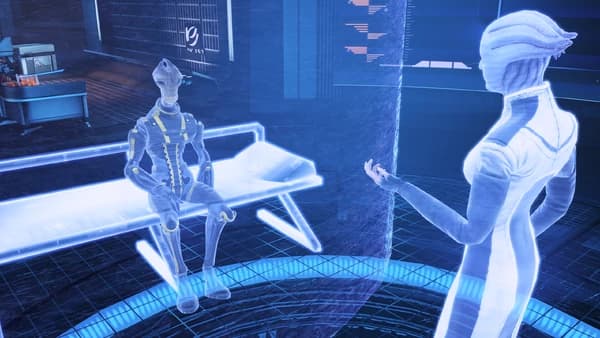
Spectre
Spectres were agents entrusted by the Citadel Council with extraordinary authority, including the power of life and death over the galaxy's people. Operating outside the law to preserve galactic stability, they were drawn from the finest operatives of the Council races and answered to no one but the Council itself.
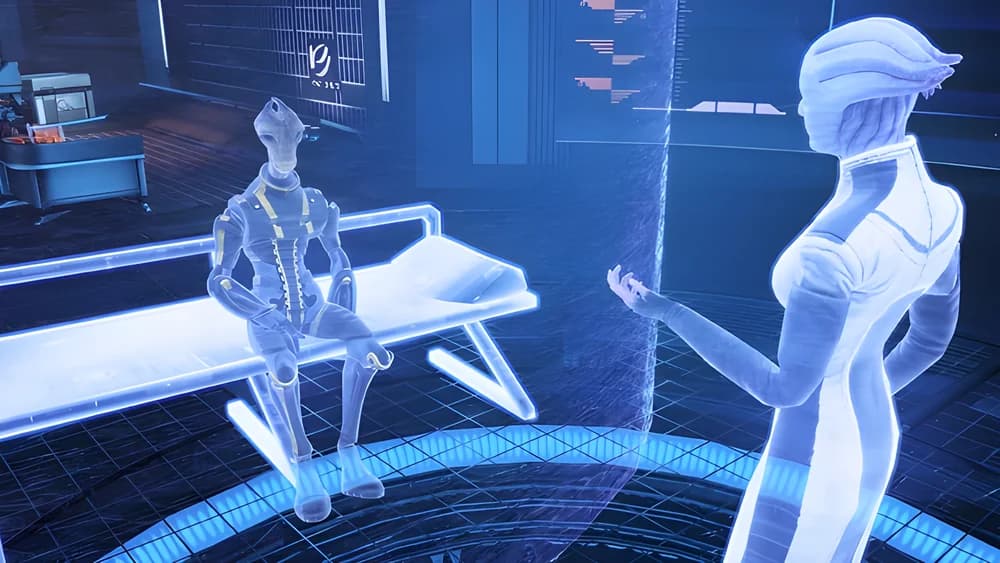
Spectres
The Spectres were an elite corps of agents granted extraordinary authority by the Citadel Council, charged with preserving galactic stability by any means necessary. Officially above the law and answerable to no one but the Council, they were hand-picked for exceptional ability from across the species of the galaxy.

Cerberus
Cerberus was a clandestine, human-supremacist paramilitary organization led by the Illusive Man, willing to use any means to advance humanity's place in the galaxy. Branded a terrorist group by both the Systems Alliance and the Citadel Council, it was ultimately destroyed during the Reaper War.
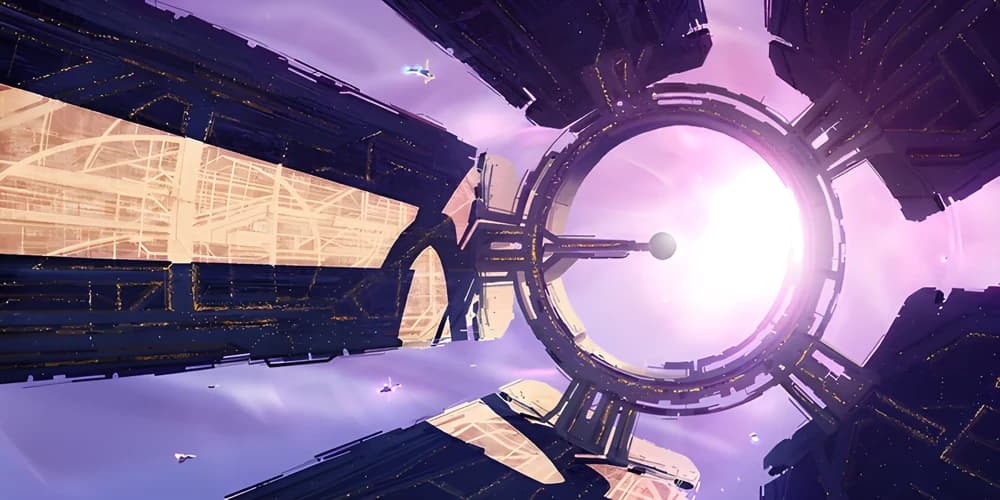
Citadel Conventions
The Citadel Conventions were diplomatic accords drawn up after the Krogan Rebellions to regulate weapons of mass destruction. They forbade their use on habitable garden worlds and graded such weapons into tiers of concern, though many militaries kept stockpiles anyway.
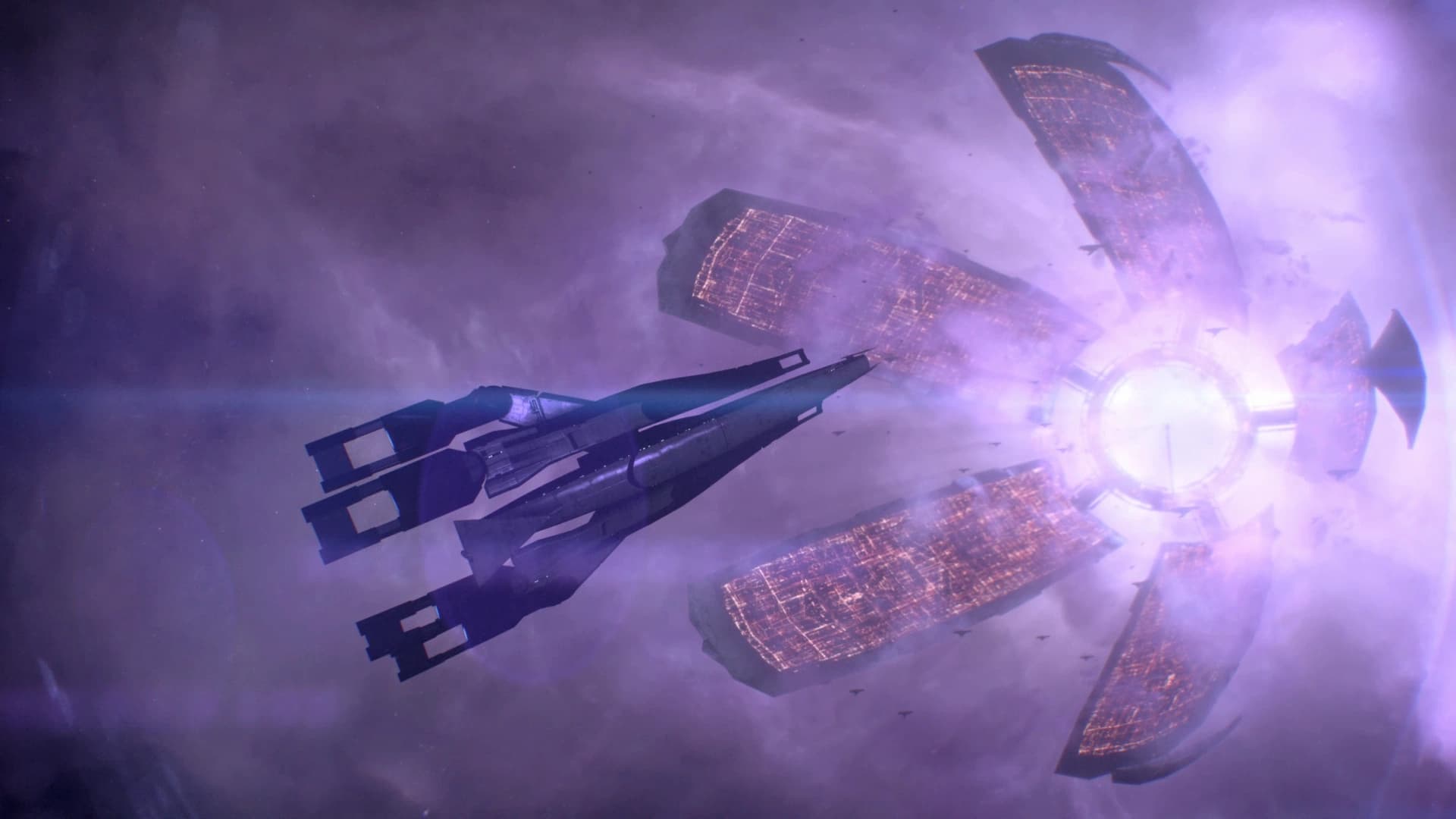
Citadel
The Citadel was a colossal deep-space station in the Serpent Nebula that served as the political and cultural heart of Citadel space and the seat of the Council. Long believed to be a Prothean relic, it was in truth a Reaper construction and a dormant trap at the center of galactic civilization.
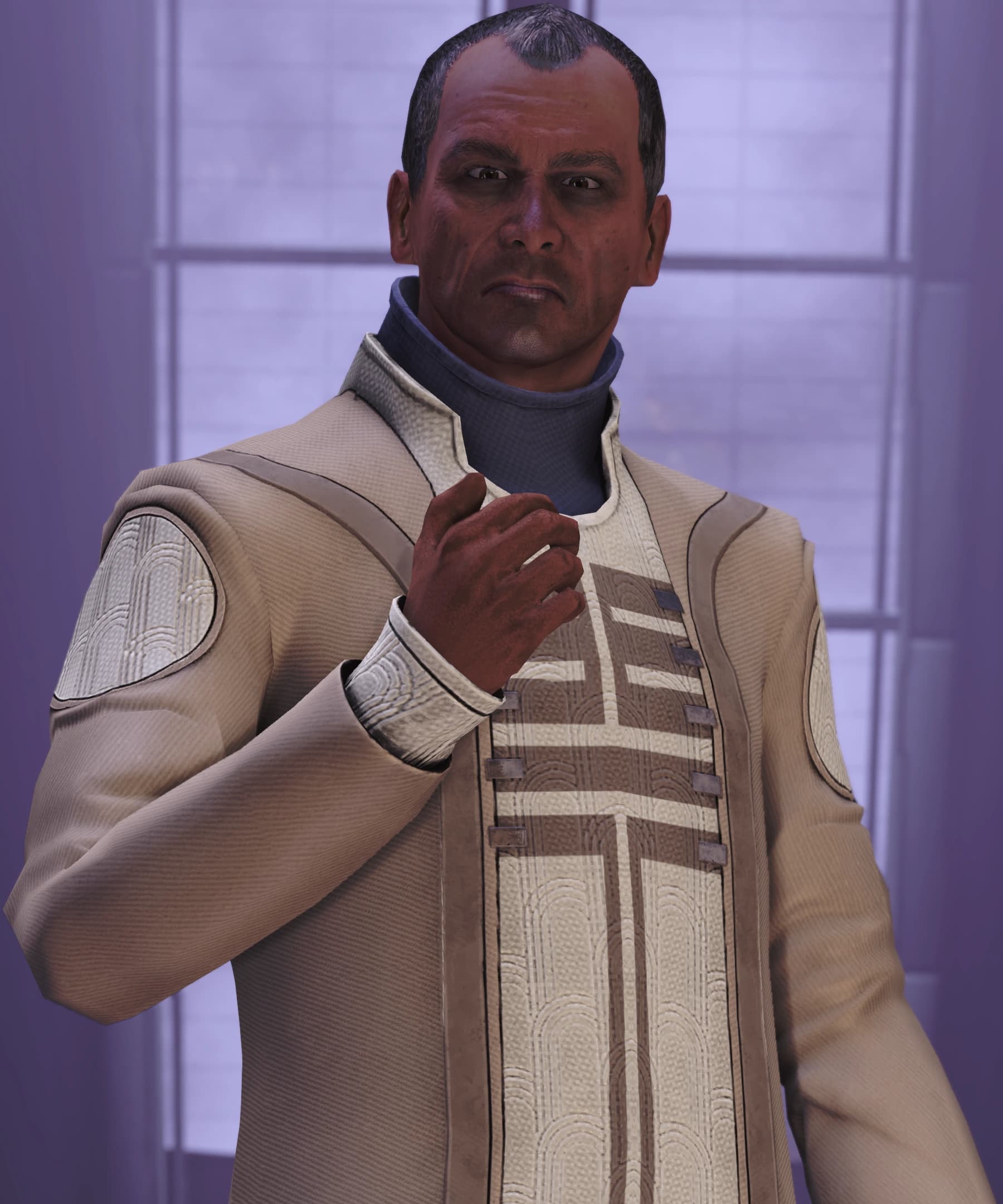
Donnel Udina
Donnel Udina was humanity's ambassador to the Citadel Council and, in some accounts, its first Councilor. A cautious political operator obsessed with human advancement, he ended his career as a traitor in a Cerberus coup.
Mentioned in56 entries
Alec Ryder: the first human Pathfinder in Mass Effect: Andromeda
Alec Ryder was an N7 veteran, AI researcher and the human Pathfinder of the Andromeda Initiative. He built SAM, brought his twins to Andromeda, and died on Habitat 7 in 2819, passing the role to one of them.
Alliance Navy: Humanity's Fleet
The Alliance Navy was the space combat branch of the Systems Alliance military, charged with defending Earth and its colonies. Numbering several thousand ships across multiple fleets, it was one of the greater naval forces in Citadel space and bore the brunt of the fighting during the Reaper War.
Asari
The asari, native to Thessia, were among the most influential species in the galaxy, renowned for their elegance, biotic talent, and millennium-long lifespans. A mono-gender people able to reproduce with a partner of any species, they founded the Citadel Council and stood at the heart of galactic society for two thousand years.
Asari Republics
The Asari Republics were the loose, consensus-driven government of the asari, the most influential species in the galaxy. As the first contemporary race to settle the Citadel, the asari were instrumental in founding the Citadel Council and remained at the heart of galactic society.
Ashley Williams
Ashley Williams was a human Systems Alliance soldier and the sole survivor of her unit on Eden Prime, who went on to serve aboard the Normandy under Commander Shepard and later rose to become one of the first human Spectres.
Background Races: the vanished civilizations known only from ruins
Across billions of years, countless races rose to sentience in the Milky Way and Andromeda, forged civilizations, explored the depths of space, and became extinct. The contemporary galaxy knew most of them only through ruins, wreckage, and artifacts, from the crypt builders of Armeni to the nameless dead entombed in the clouds of Anjea.
Batarian
The batarians were a four-eyed species native to Khar'shan whose insular government, the Batarian Hegemony, withdrew from the galactic community and became infamous for slavery, piracy, and hostility toward humanity before the Reapers overran their space.
Batarian Hegemony
The Batarian Hegemony was the oppressive, isolationist government of the batarians, native to Khar'shan. A rogue state hostile to the Systems Alliance, it sponsored deniable piracy and slaving across the Terminus Systems before the Reapers overran it.
Battle of the Citadel
The Battle of the Citadel was the climactic engagement of 2183 in which the rogue Spectre Saren Arterius, guided by the Reaper Sovereign, attempted to seize the Citadel and open a path for the Reaper invasion. Commander Shepard and the Citadel and Alliance fleets stopped the attack at great cost, and its outcome shaped galactic politics for years afterward.
Cerberus
Cerberus was a clandestine, human-supremacist paramilitary organization led by the Illusive Man, willing to use any means to advance humanity's place in the galaxy. Branded a terrorist group by both the Systems Alliance and the Citadel Council, it was ultimately destroyed during the Reaper War.
Citadel
The Citadel was a colossal deep-space station in the Serpent Nebula that served as the political and cultural heart of Citadel space and the seat of the Council. Long believed to be a Prothean relic, it was in truth a Reaper construction and a dormant trap at the center of galactic civilization.
Citadel Conventions
The Citadel Conventions were diplomatic accords drawn up after the Krogan Rebellions to regulate weapons of mass destruction. They forbade their use on habitable garden worlds and graded such weapons into tiers of concern, though many militaries kept stockpiles anyway.
+ 44 more
Get new articles in your inbox
No spam. New lore drops, canon conflicts, and deep dives only when they’re worth reading.
Some links on Lore Fortress are affiliate links. If you buy through them we earn a small commission at no extra cost to you.