Volus
The Merchant Clients of Irune
The volus were a suited, ammonia-breathing species from the high-pressure world of Irune, a Citadel associate race and client of the Turian Hierarchy. Masters of trade and finance, they authored the galaxy's banking standards yet were never granted a seat on the Council.
The volus were an associate species on the Citadel with their own embassy and a client people of the Turian Hierarchy. They hailed from Irune, a high-pressure greenhouse world able to support an ammonia-based biochemistry, which forced them to wear pressure suits and breathers whenever they dealt with other species. Not physically adept, the volus exerted their influence through trade and commerce, building a long history on the Citadel, yet they were never invited to join the Council, a sore point for many of them. (Mass Effect)
Biology#
The volus homeworld of Irune had an ammonia-based ecology, a gravitational field one and a half times that of Earth, and a high-pressure atmosphere, all reflected in the physiology of the volus themselves. They could not survive unprotected in an atmosphere suited to humans and other carbon-based lifeforms, requiring protective suits that supplied the proper atmosphere and pressure; ordinary nitrogen-oxygen mixtures were poisonous to them, and in the low-pressure atmospheres tolerable to most species their flesh would split open. Because they were never seen out of their suits, little else was known of their appearance. Some volus could use biotics. Their genders were apparently a mystery; the volus themselves found the question intrusive and irrelevant, so others simply assigned an arbitrary gender based on how an individual sounded. (Mass Effect; Mass Effect 3)
History#
The volus were the third race to post an embassy to the Citadel, after the asari and salarians, roughly 2,384 galactic standard years before the era of Commander Shepard. Their mercantile prowess made them instrumental in developing a stable galactic economy; they authored the Unified Banking Act that established the credit as the standard currency of interstellar trade, and they continued to monitor and balance the galactic economy thereafter. After first contact with the turians during the Krogan Rebellions in the first millennium CE, the volus petitioned for client status within the Turian Hierarchy. (Mass Effect)
Despite their contributions, the volus were never offered a seat on the Council, a source of anger for some, particularly the ambassador Din Korlack. Council races were expected to have provided some extraordinary service, such as the turians' military support during the Rebellions, and to be able to provide fleets, resources, and economic aid in case of disaster, none of which the volus could supply. Because of their outlier biology, setting up sealed environments for them in other races' residential areas was illegal on most planets and prohibitively expensive elsewhere, owing to the risks of explosive blowout and contamination. (Mass Effect; Mass Effect 2)
The Reaper War#
During the Reaper invasion of 2186, the volus quickly came under attack as the Reapers overwhelmed the turian defense fleets. Reaper husks were deployed on Irune, endangering the many volus cities that had been built along opportune trade routes rather than at defensible positions, and refugees fled Irune for the relative safety of turian colonies. After the Miracle at Palaven, a joint turian and krogan force landed on Irune to attempt its liberation. Depending on Commander Shepard's actions, the volus could contribute a bombing fleet, the dreadnought Kwunu, fabrication units, and an engineering team to the allied war effort. (Mass Effect 3)
Culture and economy#
Volus culture was dominated by trade, whether of land, resources, or even tribe members, and they held a reputation as some of the best traders, merchants, and financial advisers in Citadel space. Not physically adept, they tended toward pacifism and could seem cowardly to more militant species; Irune had abolished warfare as an institution, settling disputes through social castigation, bargaining, or economic sanction rather than romanticized war. The volus held in high regard an artifact called the Book of Plenix, which called for charity and the forgiveness of debts should the volus ever go to war. They took two names but no family names, reasoning that a family name would amount to laying claim to one's offspring, and they tended to refer to other races by their source world rather than their species, calling humans "Earth-clan" and the homeless quarians "Migrant-clan" or "clanless." Their economy was vastly out of proportion to their modest resource base, and many of the galaxy's largest banks, holding corporations, and manufacturing cartels, such as the Elkoss Combine, were owned or managed by volus. (Mass Effect; Mass Effect 2; Mass Effect 3)
Government and military#
The volus government was the Vol Protectorate. Rather than a fully sovereign state, it was a client of the Turian Hierarchy: in return for the protective umbrella of the turian military, the volus paid a tax, deferred to the turians in all foreign policy, and provided auxiliary troops, while still maintaining a Citadel embassy that they shared with the elcor. In the entire history of volus civilization the Protectorate had issued only three writs of exile, two of them against a single political agitator. The volus were not cut out for combat and depended on the turians for defense, though their auxiliary troops used specially sealed armor and advanced power armor to offset their disadvantages. Their weaponry tended to be utilitarian, some manufacturers specializing in cheaper copies of expensive turian equipment, and they favored airpower, maintaining flotillas of heavy-bomber frigates. They produced only a single dreadnought, the Kwunu, an unusually well-armed ship funded by the Elkoss Combine and gifted jointly to the Vol Protectorate and the Turian Hierarchy. (Mass Effect; Mass Effect 3; Mass Effect: Andromeda: Annihilation)
Frequently asked questions
- What are the volus?
- The volus were an ammonia-breathing species from the high-pressure world of Irune. They were an associate species on the Citadel with their own embassy and a client people of the Turian Hierarchy, exerting their influence through trade and commerce rather than physical strength.
- Why do the volus wear suits?
- Irune had an ammonia-based ecology, a gravity field one and a half times Earth's, and a high-pressure atmosphere, so the volus could not survive unprotected in conditions tolerable to carbon-based species. They wore sealed pressure suits and breathers because ordinary nitrogen-oxygen mixtures were poisonous to them, and in low-pressure atmospheres their flesh would split open.
- Why were the volus never given a Council seat?
- Council races were expected to provide some extraordinary service and to be able to supply fleets, resources, and economic aid in case of disaster, none of which the volus could provide. Their exclusion was a source of anger for some volus, particularly the ambassador Din Korlack.
- What is the Vol Protectorate?
- The Vol Protectorate was the volus government and a client of the Turian Hierarchy. In return for the turian military's protection, the volus paid a tax, deferred to the turians in all foreign policy, and provided auxiliary troops, while maintaining a Citadel embassy they shared with the elcor.
- What did the volus contribute during the Reaper War?
- During the Reaper invasion of 2186, Irune came under attack and refugees fled to turian colonies, after which a joint turian and krogan force landed to attempt its liberation. Depending on Commander Shepard's actions, the volus could contribute a bombing fleet, the dreadnought Kwunu, fabrication units, and an engineering team to the allied war effort.
Sources
- GameMass Effect, BioWare, 2007
- GameMass Effect 2, BioWare, 2010
- GameMass Effect 3, BioWare, 2012
- BookMass Effect: Andromeda: Annihilation, Catherynne M. Valente, Titan Books, 2018
Spotted a factual error or a primary source we missed? Email a correction. Every flagged claim gets reviewed.
Followed from this entry
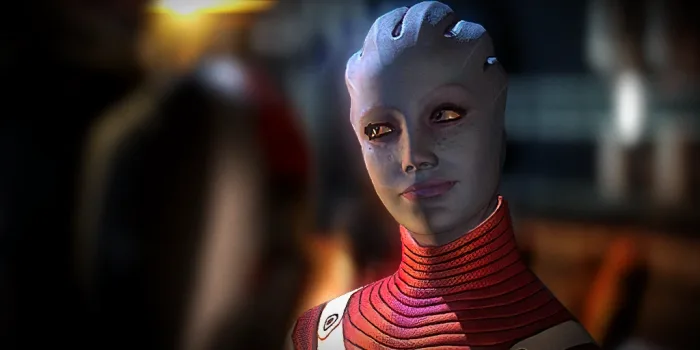
Every Mass Effect Species and Race, With Lifespans
A field guide to every sapient species in Mass Effect, from the Council races and their clients to the krogan, the geth, the Protheans and the peoples of the Heleus Cluster. Each entry gives the homeworld, the lifespan where the games actually state one, and where the species stood with the Citadel.
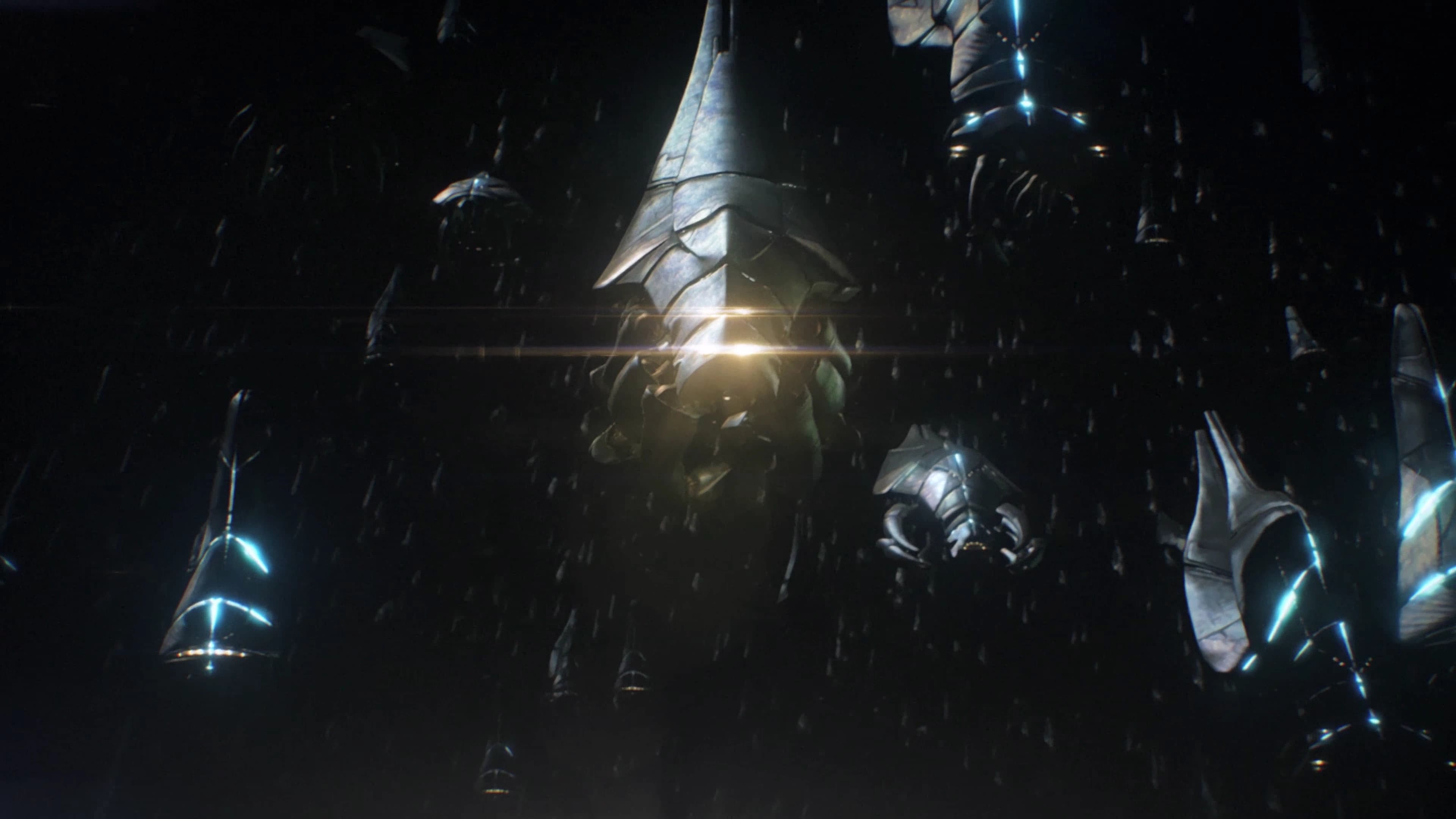
Reaper
The Reapers were an ancient race of synthetic-organic starships that hibernated in dark space and returned once every fifty thousand years to harvest the galaxy's advanced life. They built the Citadel and the mass relay network to guide civilization down a predictable path, then reaped it to preserve organic life from synthetic destruction.
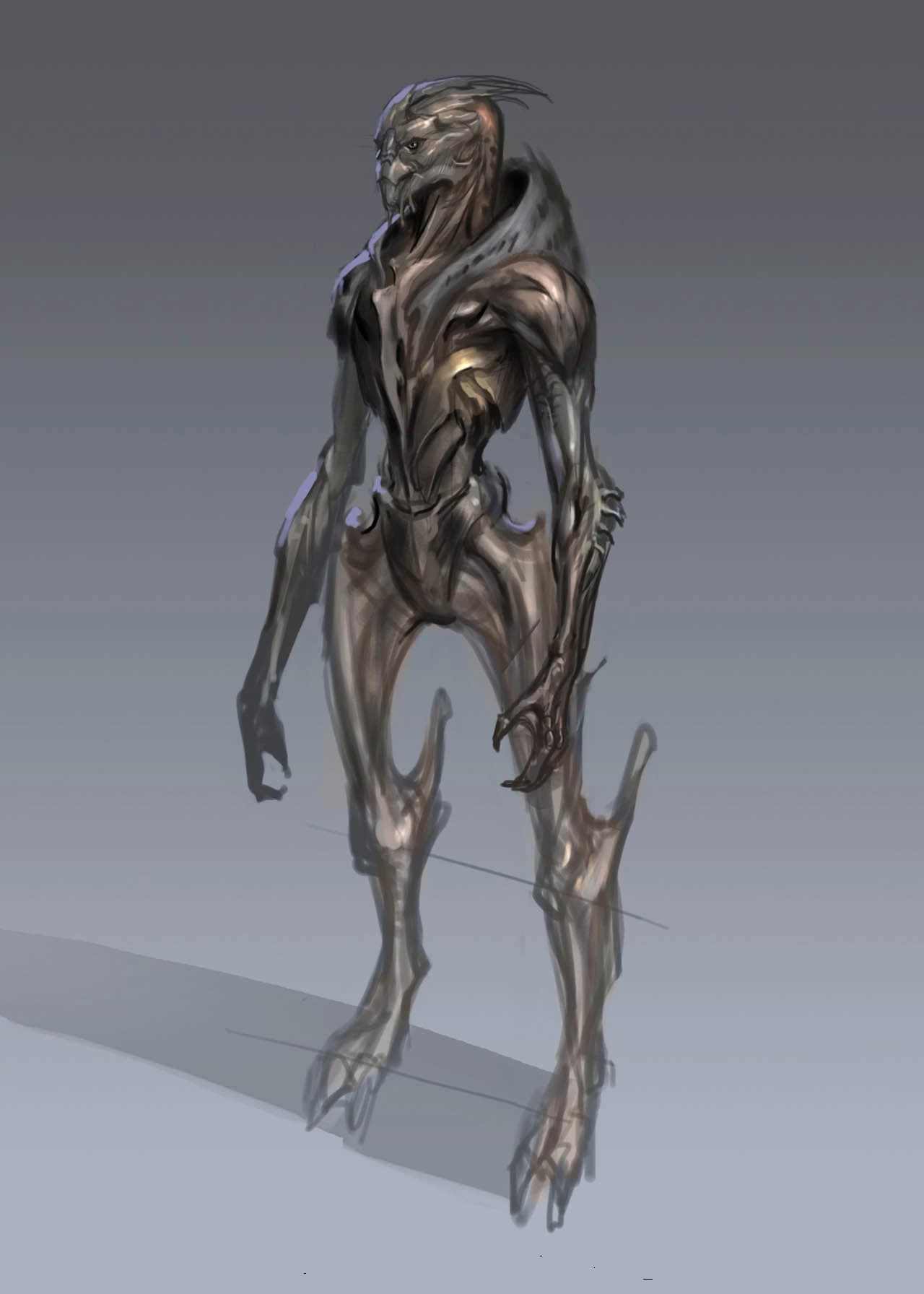
Turian
The turians of Palaven were a militaristic, disciplined species who earned a Citadel Council seat by defeating the krogan in the Krogan Rebellions and unleashing the genophage. Famed for their public service ethic and their contributions to the Citadel Fleet, they filled the galaxy's peacekeeping role for centuries.
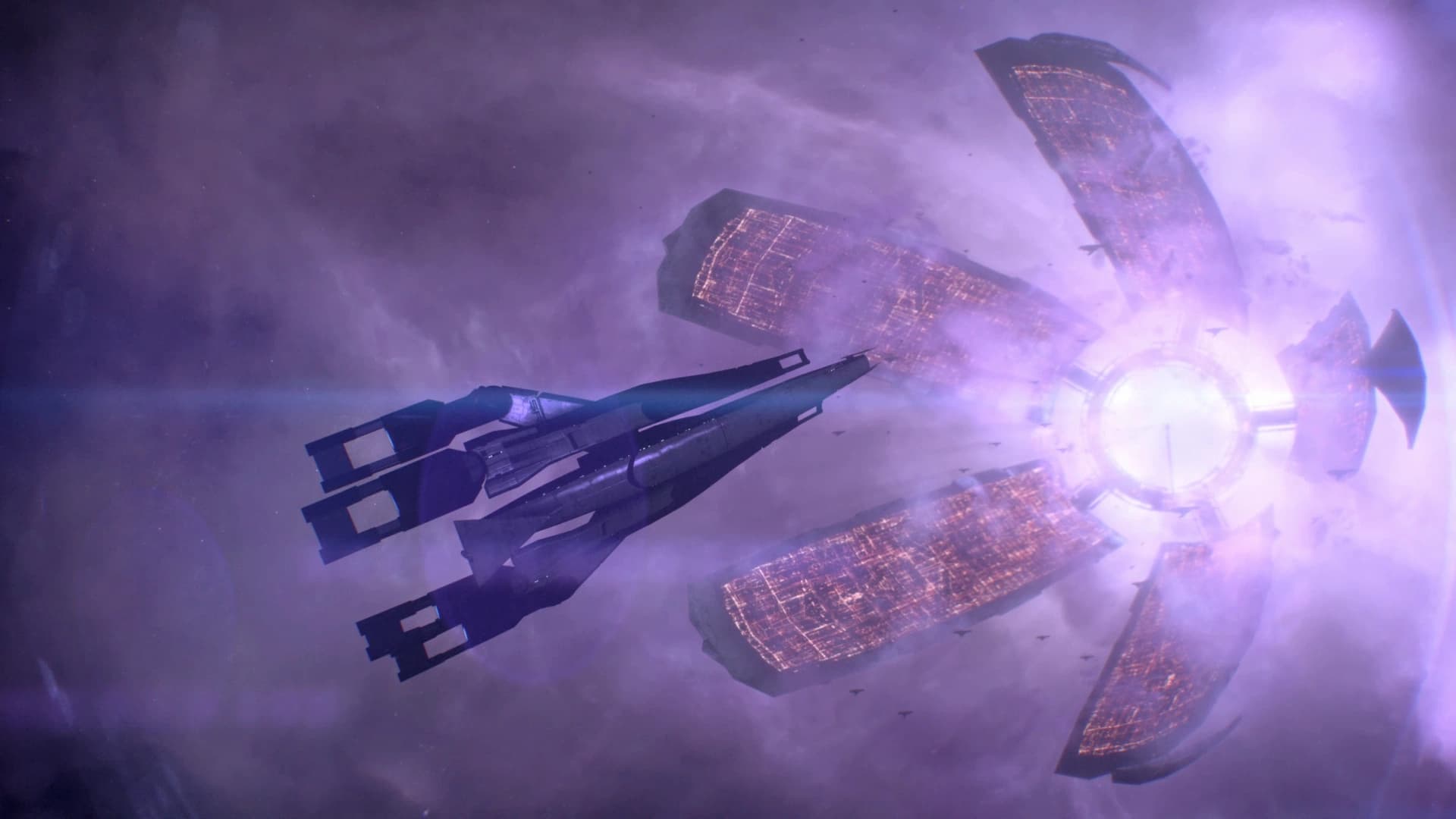
Citadel
The Citadel was a colossal deep-space station in the Serpent Nebula that served as the political and cultural heart of Citadel space and the seat of the Council. Long believed to be a Prothean relic, it was in truth a Reaper construction and a dormant trap at the center of galactic civilization.
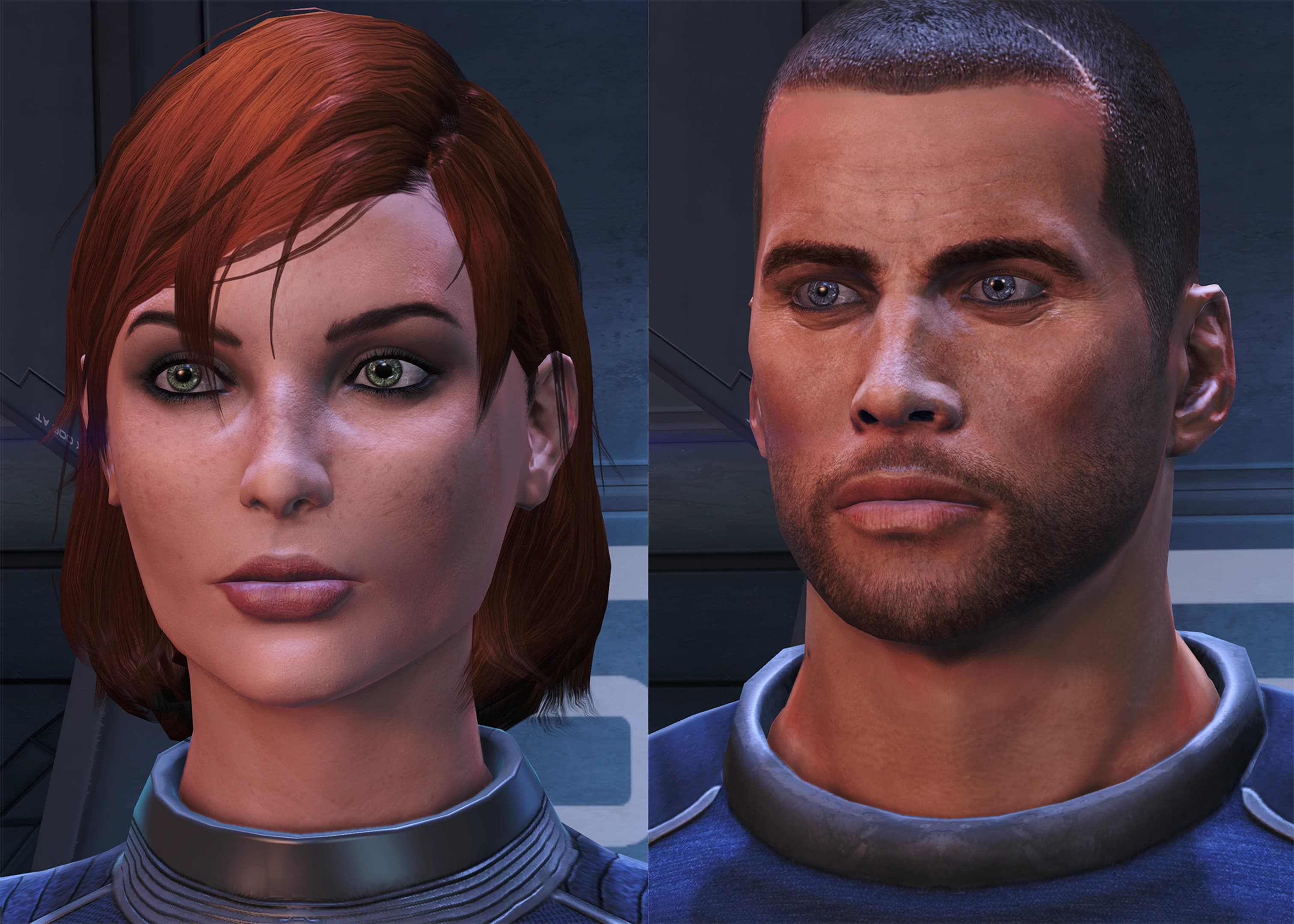
Commander Shepard
Commander Shepard was a Systems Alliance N7 marine who became the first human Spectre, exposed the rogue agent Saren Arterius, and led the galaxy's resistance against the Reapers. Shepard's gender, history, and many of the choices that shaped the war were never fixed, and the final fate of the cycle turned on the Commander's own decisions.

Krogan Rebellions
The Krogan Rebellions were a decades-long war between the krogan and the Citadel Council that began around 700 CE, sparked by unchecked krogan expansion onto worlds claimed by other races. The conflict ended with the deployment of the salarian-engineered genophage, the surrender of the krogan, and a Council seat awarded to the turians.
Mentioned in11 entries
Acolyte: Asari Heavy Pistol
The Acolyte was an asari heavy pistol designed for the asari resistance, firing charged projectiles akin to impact triggered resonant warp bombs. It collapsed kinetic shields and biotic barriers with a single detonation, trusting the shooter's own biotics to finish whatever armor it could not pierce.
Adrien Victus: the general who became Primarch on a moon of Palaven
Adrien Victus was a turian general fighting on Menae in 2186 when Primarch Fedorian's shuttle was shot down and the succession rules made him Primarch of Palaven. He was out of contact and did not know it yet.
Anax Therion: Drell Analyst of the Keelah Si'yah
Anax Therion was a drell analyst and former data dealer who travelled to Andromeda aboard the ark Keelah Si'yah. Clinical, guarded, and quietly lethal, she had spent her life trading in secrets, and when a plague began killing the ark's sleepers she turned her investigator's mind to uncovering the cause.
Drugs: the narcotics and medicines of the galaxy
Drugs were chemical substances that altered the normal bodily functions of an organism, and the galactic market for them was lucrative enough that criminal enterprises produced, sold, and smuggled them despite legal restrictions. They ranged from lifesaving antibiotics to red sand, a narcotic refined from element zero that granted brief biotic power, and to suppressants engineered to strip a biotic of that power entirely.
Every Mass Effect Species and Race, With Lifespans
A field guide to every sapient species in Mass Effect, from the Council races and their clients to the krogan, the geth, the Protheans and the peoples of the Heleus Cluster. Each entry gives the homeworld, the lifespan where the games actually state one, and where the species stood with the Citadel.
Irit Non: Volus Design Engineer of the Keelah Si'yah
Irit Non was a volus design engineer aboard the Andromeda Initiative ark Keelah Si'yah, a celebrated maker of custom environmental suits who left a thriving career in the Milky Way to follow her dissident father to a new galaxy. Quick to take offense yet a consummate professional, she served on the ark's Sleepwalker crew during the plague that swept its sleepers.
Keelah Si'yah
The Keelah Si'yah was an Andromeda Initiative ark, a quarian vessel uniquely engineered to carry six different species across the 600-year void between galaxies. Bearing some twenty thousand colonists in cryosleep, it survived a catastrophic plague during its long voyage toward a new home in the Heleus Cluster.
Mass Effect Timeline: every major event from the Leviathans to Andromeda
A dated history of the Mass Effect universe, from the Leviathans and the first Reaper harvests through the fall of the Protheans, the Council's wars, humanity's arrival and the Reaper War of 2186. It ends with the Andromeda Initiative reaching the Heleus Cluster in 2819, and runs oldest first in eras.
Spectre Terminal: the console where Council authority met a city at war
In the Spectre Office of the Citadel Embassies, a single secure terminal carried classified intelligence and requests for Spectre authorization through the Reaper War. Its entries ranged from quarian fleet movements and grim financial forecasts to pardons, commendations, and one asari huntress asking for a sidearm.
Starships: the warships and vessels of galactic civilization
Starships were spacecraft capable of crossing the void between star systems on thrusters and faster-than-light drives. The navies of the galaxy sorted their warships into four weights, from nimble scouting frigates to kilometer-long dreadnoughts, with the count of dreadnoughts any fleet could build fixed by the Treaty of Farixen.
Treaty of Farixen: the dreadnought ratio that held Citadel space
The Treaty of Farixen fixed how many dreadnoughts each Citadel power was permitted to build, placing the turian navy at the top of a five to three to one pyramid. Signing it was the price of an embassy on the Citadel, and the species who never signed, or who stopped caring, are the ones who reshaped the balance.
Get new articles in your inbox
No spam. New lore drops, canon conflicts, and deep dives only when they’re worth reading.
Some links on Lore Fortress are affiliate links. If you buy through them we earn a small commission at no extra cost to you.