Turian Hierarchy
The Militaristic Meritocracy of Palaven
The Turian Hierarchy was the government of the turian people, a regimented meritocracy built around military and public service. It earned a Citadel Council seat for its role in the Krogan Rebellions and contributed the largest share of the Citadel Fleet.
The Turian Hierarchy was the government of the turians, a militaristic and disciplined people native to the planet Palaven and the third race to gain a seat on the Citadel Council. The turians earned that seat through their service during the Krogan Rebellions, after which they filled the galactic peacekeeping role left vacant by the subdued krogan and contributed the single largest portion of the Citadel Fleet. Respected for a public service ethic so strong that it was the turians who first proposed the creation of C-Sec, the Hierarchy was nonetheless sometimes regarded as rigid or imperialist, and it carried lingering animosity with the Systems Alliance following the First Contact War. (Mass Effect)
A meritocratic government#
The Turian Hierarchy was a hierarchical meritocracy whose potential for misuse was tempered by the civic duty and personal responsibility instilled in turians from childhood. It recognized twenty-seven tiers of citizenship, beginning with civilians and children, with formal citizenship conferred only after boot camp; client races earned citizenship after completing their service. Higher-ranked citizens were expected to lead and protect their subordinates while lower ranks obeyed and supported their superiors. At the summit stood the Primarchs, each ruling a colonization cluster and voting on matters of national importance while otherwise trusting subordinates to perform their duties. Promotion and occasional demotion were based on the assessment of one's superiors and peers, and the stigma of demotion fell on those who had promoted a turian prematurely rather than on the individual, curbing overreach. Turians enjoyed broad personal freedoms so long as they completed their duties and did not prevent others from completing theirs. (Mass Effect)
History and the Unification War#
Turian civilization spanned fifteen thousand years, and the race was known even to the ancient Protheans. As the asari were forming the Council with the salarians, the turians were embroiled in the Unification War, a civil conflict among distant colonies that had drifted from the Hierarchy and grown isolated and xenophobic. The Hierarchy maintained strict neutrality until only a handful of factions remained, then intervened to compel the exhausted chieftains to renew their allegiance. The war left a lasting mark: turians thereafter wore the facial markings of their home colonies, and the term "barefaced," for one without such markings, came to mean someone untrustworthy. (Mass Effect; Mass Effect 3: From Ashes)
The Krogan Rebellions#
During the Krogan Rebellions the Council made first contact with the turians and enlisted their war machine against the krogan threat. The initial turian offensive routed many krogan warbands but provoked a devastating counterattack; the krogan rendered three turian worlds uninhabitable with asteroid strikes, and the bloodiest battle in turian history was fought at Digeris. Rather than retreat, the turians resolved to crush the krogan utterly, ultimately deploying the salarian-developed genophage to remove the krogan numerical advantage. By around 800 CE most krogan resistance was subdued, and by 900 CE the turians were granted full Council membership in recognition of their service, taking up the peacekeeping role the krogan had once filled. (Mass Effect; Mass Effect 3)
Society and culture#
Turian society was highly regimented and built around a strong sense of public service; it was rare to find a turian who placed personal needs ahead of the group. Every citizen from age fifteen to thirty served the state in some capacity, from soldier to administrator to sanitation worker. The military was the center of turian life and functioned as an all-encompassing public works organization, with the same institution serving as military and civilian police, fire brigade, and corps of engineers. Turians prized personal accountability above all, considering it their worst sin to lie about their own actions, and they generally practiced meritocracy over nepotism. Their religion held that groups and places possessed transcendent "spirits" that could inspire the living, and they enjoyed broad freedom of belief. To compensate for a cultural disinterest in commerce, the Hierarchy accepted the mercantile volus as a client race, offering protection in exchange for fiscal expertise. (Mass Effect)
The military#
The turian military was defined less by exceptional equipment than by formidable discipline: officers were career veterans, enlisted soldiers stayed calm under fire, and turian units did not break, falling back in order and setting ambushes even when their line collapsed. Command was decentralized, allowing individual squads to call for artillery and air support, and the turians practiced combined arms with infantry, armor, and gunships. Each legion maintained a full-time staff of historians, and a destroyed legion was reconstituted rather than replaced. The turians recruited auxiliaries from absorbed minor races such as the volus, granting them citizenship after service, and they suppressed citizen militias through grim execution squads known as hastatim paired with "safe camps" that incentivized surrender. The turian navy was divided into at least thirty-two fleets and, under the Treaty of Farixen, was allotted more dreadnoughts than any other race, possessing thirty-nine by 2185; it served as the primary military arm of the Council and the largest contributor to the Citadel Fleet. (Mass Effect; Mass Effect 2; Cerberus Daily News)
First contact with humanity#
In 2157 a turian force, enforcing the long-standing Council ban on activating uncharted mass relays, opened fire on human explorers who were unaware of the law. The conflict escalated rapidly into what humanity called the First Contact War and the turians called the Relay 314 Incident. A turian fleet broke through the outnumbered Alliance lines and besieged the colony of Shanxi, which surrendered and was occupied, but one month later the Alliance's Second Fleet caught the occupiers by surprise and drove them off. Before a protracted war could develop, the Citadel Council intervened, revealed the galactic community to humanity, and ordered the turians to pay heavy reparations as the instigators. Mistrust lingered for years, though it slowly began to heal, exemplified by the two species jointly building the Normandy SR-1. (Mass Effect)
The Reaper War#
During the Reaper invasion of 2186, the turian colony of Taetrus was among the first worlds attacked after the fall of Khar'shan and Earth, and the Hierarchy's two attempts to liberate it failed. The Reapers then poured into the Trebia system and assaulted Palaven and its moon Menae, where much of the turian fleet remained operable and a heavily armed citizenry supported the troops; nonetheless turian casualties mounted rapidly. Relief came from an unlikely ally when the krogan, their genophage cured, joined the war: while the Reaper fleet was distracted, krogan reinforcements landed on Palaven and helped smuggle warp bombs and fission weapons aboard Reaper ships, retaking large swathes of territory in a victory that boosted galactic morale. Recognizing the hopelessness of holding Palaven, Primarch Adrien Victus eventually withdrew the surviving turian warships from the Trebia system to join the Allied assault on Earth, where turian forces fought in both the space and ground battles while Commander Shepard reached the Citadel to trigger the Crucible. (Mass Effect 3)
Frequently asked questions
- What is the Turian Hierarchy?
- The Turian Hierarchy was the government of the turians, a militaristic and disciplined people native to the planet Palaven. It was a hierarchical meritocracy recognizing twenty-seven tiers of citizenship rising to the ruling Primarchs, and it governed a civilization spanning fifteen thousand years.
- How did the turians earn their Citadel Council seat?
- The turians earned their Council seat through their service during the Krogan Rebellions, after which they filled the galactic peacekeeping role left vacant by the subdued krogan. By around 900 CE they were granted full Council membership in recognition of that service, becoming the third race to gain a seat.
- How does turian citizenship work?
- The Hierarchy recognized twenty-seven tiers of citizenship, beginning with civilians and children, with formal citizenship conferred only after boot camp. Every citizen from age fifteen to thirty served the state in some capacity, from soldier to administrator to sanitation worker, and client races earned citizenship after completing their service.
- What caused the First Contact War between turians and humanity?
- In 2157 a turian force enforcing the Council ban on activating uncharted mass relays opened fire on human explorers who were unaware of the law. The conflict, called the First Contact War by humanity and the Relay 314 Incident by the turians, saw a turian fleet besiege and occupy the colony of Shanxi before the Alliance drove the occupiers off a month later and the Council brokered peace.
- What happened to the turians during the Reaper War?
- During the 2186 invasion the turian colony of Taetrus fell early and the Reapers then assaulted Palaven and its moon Menae, where casualties mounted rapidly. After the genophage was cured, the krogan joined the war and helped retake territory on Palaven, before Primarch Adrien Victus withdrew the surviving turian warships to join the Allied assault on Earth.
Sources
- GameMass Effect, BioWare, 2007
- GameMass Effect 2, BioWare, 2010
- GameMass Effect 3, BioWare, 2012
- GameMass Effect 3: From Ashes, BioWare, 2012
- WebCerberus Daily News, In-universe news feed published by BioWare, 2010 to 2012
Spotted a factual error or a primary source we missed? Email a correction. Every flagged claim gets reviewed.
Followed from this entry

Citadel Council
The Citadel Council was the executive committee that governed Citadel space from the Citadel Tower, composed of representatives of the asari, salarians, and turians, and was the ultimate authority over Council law, interspecies disputes, and the covert Spectre agents.
First Contact War
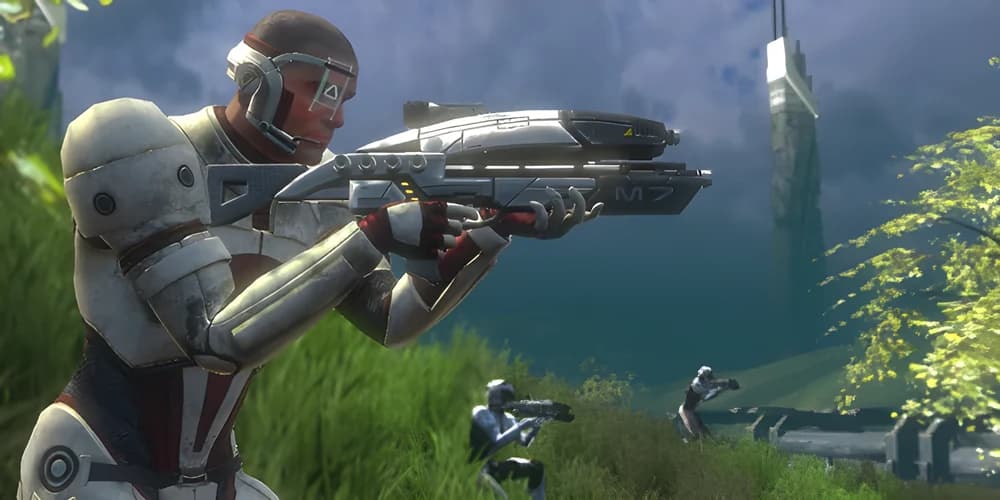
The First Contact War, known to the turians as the Relay 314 Incident, was a brief, low-intensity conflict between the human Systems Alliance and the Turian Hierarchy in 2157 CE. It began when turians fired on human ships reactivating a dormant mass relay, escalated into the occupation and liberation of the colony Shanxi, and ended with Council mediation that revealed the wider galaxy to humanity.
Palaven
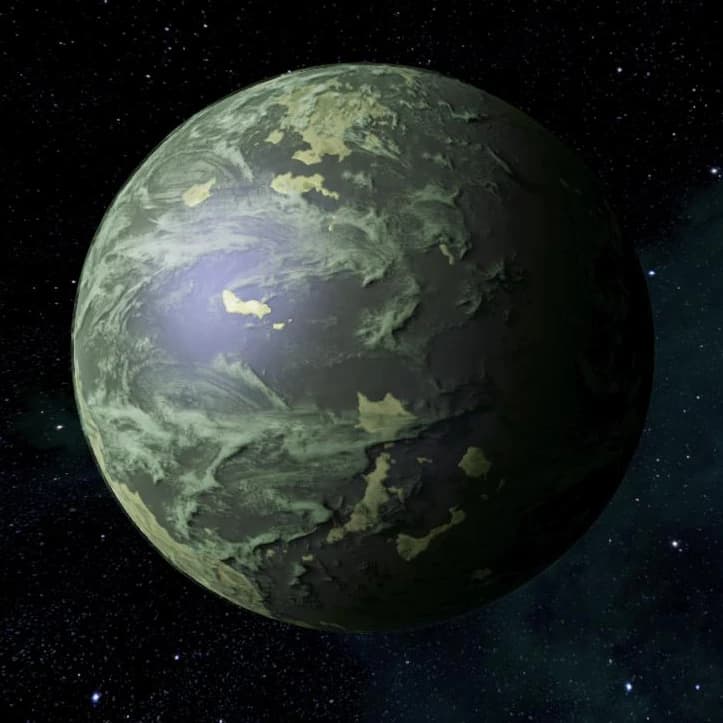
Palaven was the homeworld of the turians, a silver-hued world whose martial culture shaped everything from its architecture to its politics. Long unconquered, it endured its first invasion when the Reapers brought overwhelming force against it in the war of 2186.

Systems Alliance
The Systems Alliance was the supranational government of Earth and its colonies, acting as humanity's military, exploratory, and economic arm in Citadel space. Within decades of its founding it won humanity a Council seat and led the galaxy's defense during the Reaper War.
Turian
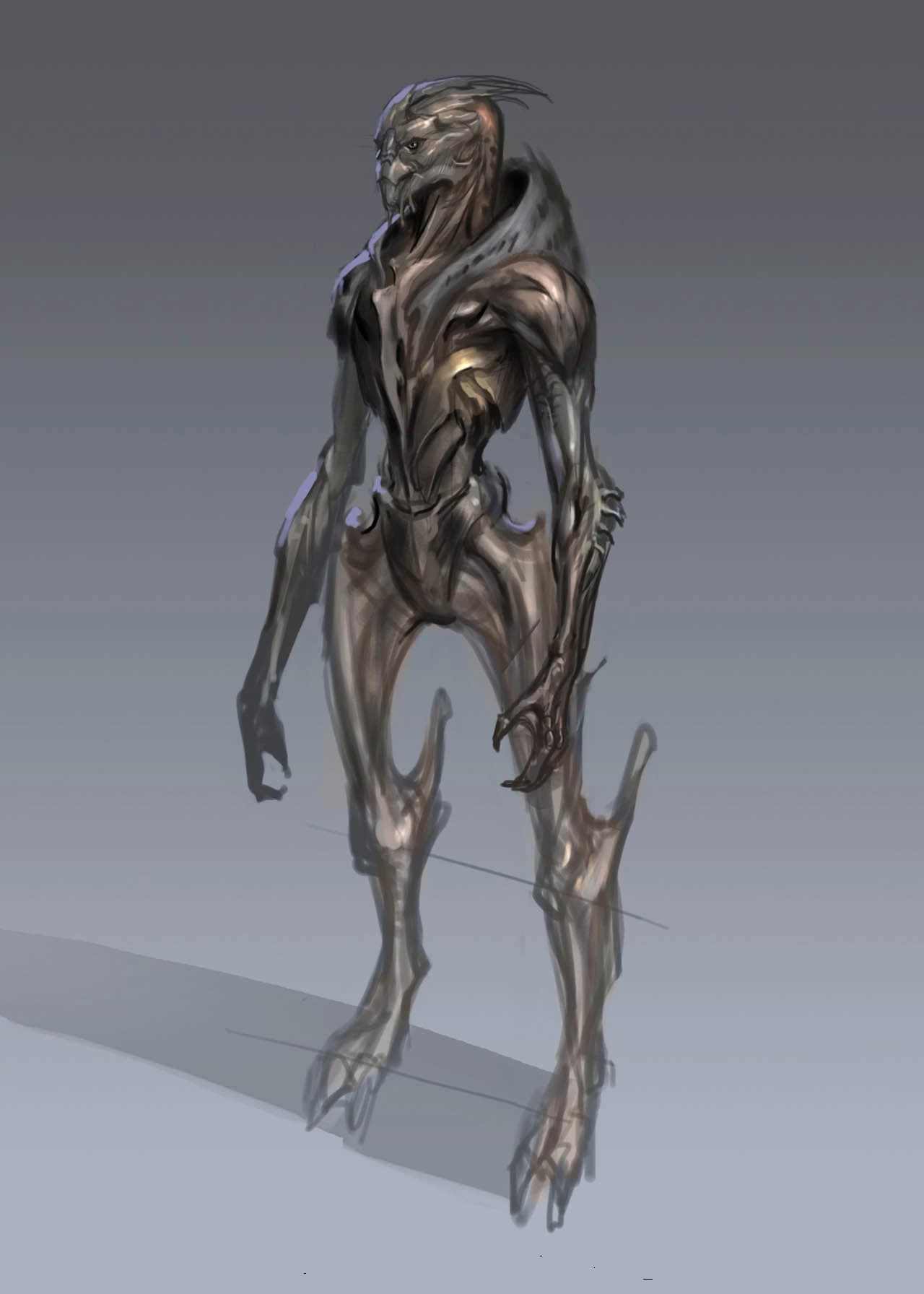
The turians of Palaven were a militaristic, disciplined species who earned a Citadel Council seat by defeating the krogan in the Krogan Rebellions and unleashing the genophage. Famed for their public service ethic and their contributions to the Citadel Fleet, they filled the galaxy's peacekeeping role for centuries.
Treaty of Farixen: the dreadnought ratio that held Citadel space
The Treaty of Farixen fixed how many dreadnoughts each Citadel power was permitted to build, placing the turian navy at the top of a five to three to one pyramid. Signing it was the price of an embassy on the Citadel, and the species who never signed, or who stopped caring, are the ones who reshaped the balance.
Mentioned in18 entries
Arcturus Station
Arcturus Station was a five kilometer space station that served as the military and political capital of the Systems Alliance from the First Contact War onward, guarding the mass relay to Earth. During the Reaper War it was abandoned and destroyed, becoming a grave for the 45,000 people aboard.
Citadel Fleet: the Council's defence force and what one battle cost it
The Citadel Fleet was the Council's main space defence force, mostly turian ships led by the asari dreadnought Destiny Ascension. Sovereign's attack in 2183 caught it scattered across the relays, and Shepard decides who survives.
Every Mass Effect Species and Race, With Lifespans
A field guide to every sapient species in Mass Effect, from the Council races and their clients to the krogan, the geth, the Protheans and the peoples of the Heleus Cluster. Each entry gives the homeworld, the lifespan where the games actually state one, and where the species stood with the Citadel.
First Contact War
The First Contact War, known to the turians as the Relay 314 Incident, was a brief, low-intensity conflict between the human Systems Alliance and the Turian Hierarchy in 2157 CE. It began when turians fired on human ships reactivating a dormant mass relay, escalated into the occupation and liberation of the colony Shanxi, and ended with Council mediation that revealed the wider galaxy to humanity.
Jeff "Joker" Moreau
Jeff "Joker" Moreau was the Flight Lieutenant and helmsman of both the SSV Normandy and the Normandy SR-2, a brilliant pilot whose brittle bones never kept him from the cockpit. He flew Commander Shepard through every campaign of the Reaper War and formed a close bond with the ship's artificial intelligence.
Kal'Reegar: the Migrant Fleet marine who held the bridge on Haestrom
Kal'Reegar was a quarian Migrant Fleet Marine who fought a geth platoon alone on Haestrom to keep Tali'Zorah alive, then spoke for her at her treason trial before the Admiralty Board. The Reegar Carbine is named for his family.
Krogan
The krogan were a hardy, long-lived reptilian species from the brutal world of Tuchanka, uplifted by the salarians to win the Rachni Wars before their explosive growth made them a threat in turn. The turian-deployed genophage crippled their fertility and left them a scattered, fatalistic people.
Krysae Sniper Rifle: Turian Anti-Reaper Weapon
The Krysae was a turian antimateriel rifle rebuilt to kill Reaper creatures, firing armor piercing explosive rounds with proximity fuses that burst over cover and shredded massed enemies. In a desperate wartime move, the turians released its full specifications over the extranet so that nearly anyone with a fabricator could build one.
Mass Effect Timeline: every major event from the Leviathans to Andromeda
A dated history of the Mass Effect universe, from the Leviathans and the first Reaper harvests through the fall of the Protheans, the Council's wars, humanity's arrival and the Reaper War of 2186. It ends with the Andromeda Initiative reaching the Heleus Cluster in 2819, and runs oldest first in eras.
Reaper
The Reapers were an ancient race of synthetic-organic starships that hibernated in dark space and returned once every fifty thousand years to harvest the galaxy's advanced life. They built the Citadel and the mass relay network to guide civilization down a predictable path, then reaped it to preserve organic life from synthetic destruction.
Salarian Union
The Salarian Union was the labyrinthine, matrilineal government of the salarians, the second species to join the Citadel Council. Masters of espionage and bleeding-edge technology, the salarians shaped the krogan, the genophage, and the founding of the Spectres.
Shanxi: the only human colony ever occupied by an alien race
Shanxi sits by the Shanxi-Theta mass relay and was the ground the First Contact War of 2157 was fought over. The turians besieged it, starved its garrison into surrender, and were thrown off it by Admiral Drescher's Second Fleet.
+ 6 more
Get new articles in your inbox
No spam. New lore drops, canon conflicts, and deep dives only when they’re worth reading.
Some links on Lore Fortress are affiliate links. If you buy through them we earn a small commission at no extra cost to you.